
In today’s competitive job market, having a well-structured resume is crucial for landing your dream job. With hundreds of applications flooding in for every vacancy, it is essential to ensure your resume stands out. This comprehensive resume checklist will guide you in crafting a compelling document that passes through Applicant Tracking Systems (ATS) and catches the eye of recruiters.
Understanding the Importance of a Resume Checklist
A job application checklist serves as a roadmap, helping you navigate the resume-building process effectively. It ensures that you include all necessary components while avoiding common pitfalls. The right checklist can elevate your resume from average to exceptional, making it more appealing to potential employers.
Key Components of a Resume Checklist
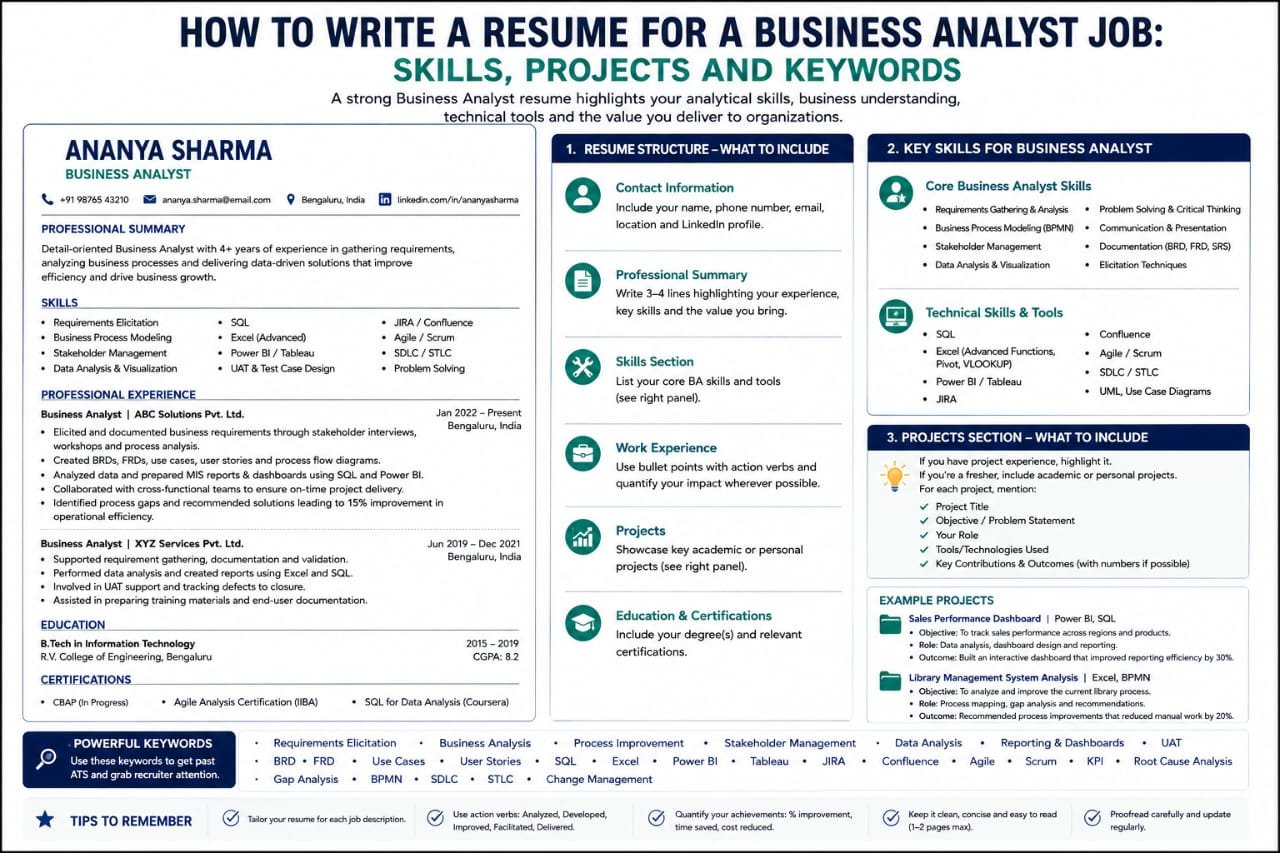
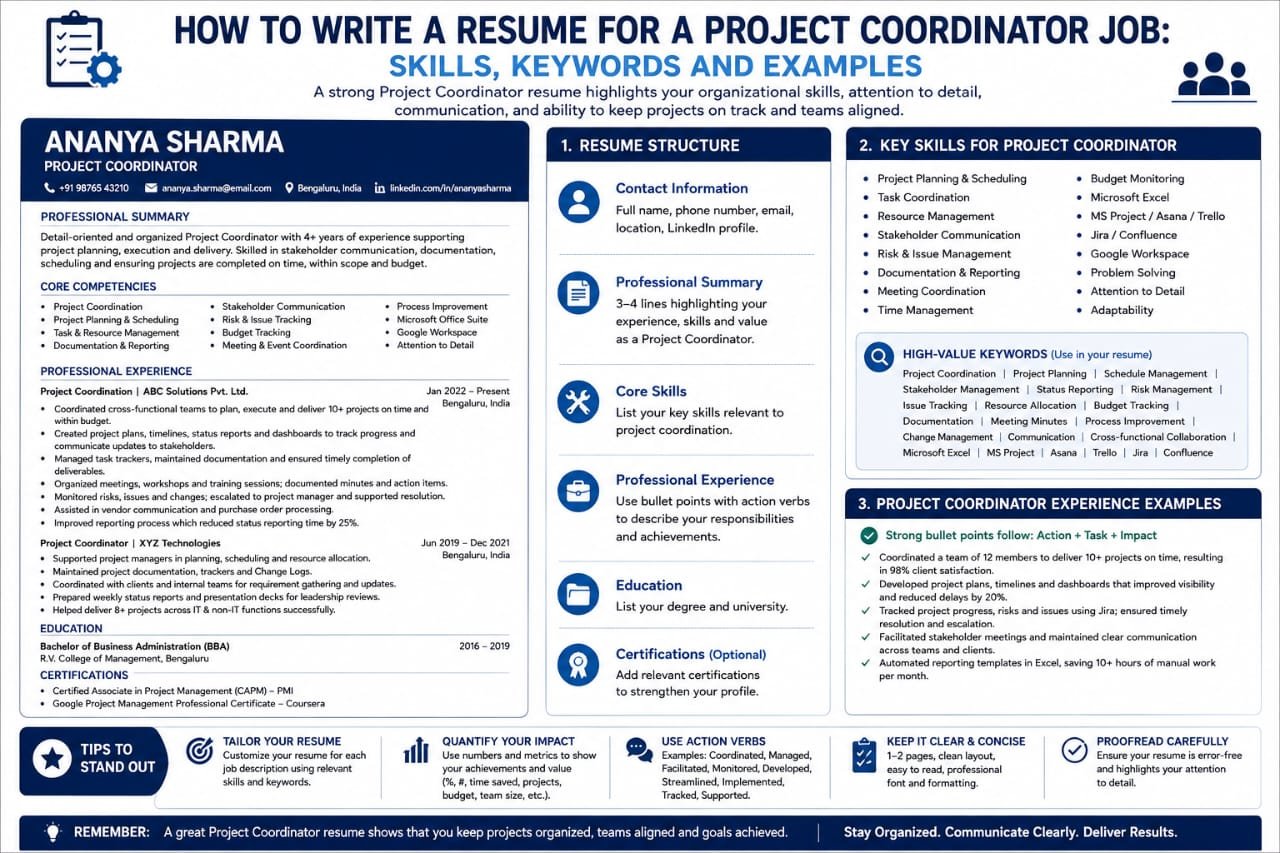
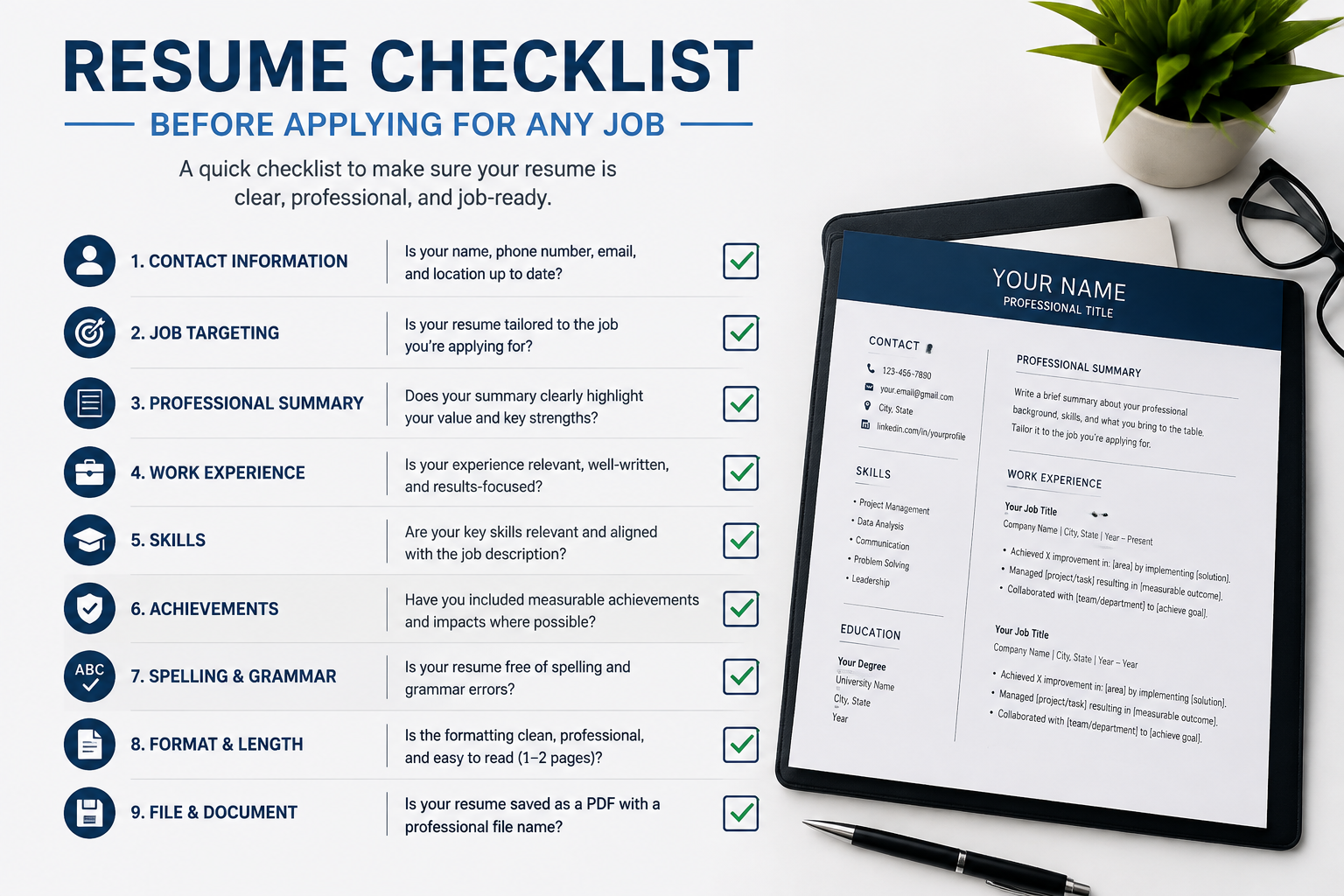
1. Contact Information
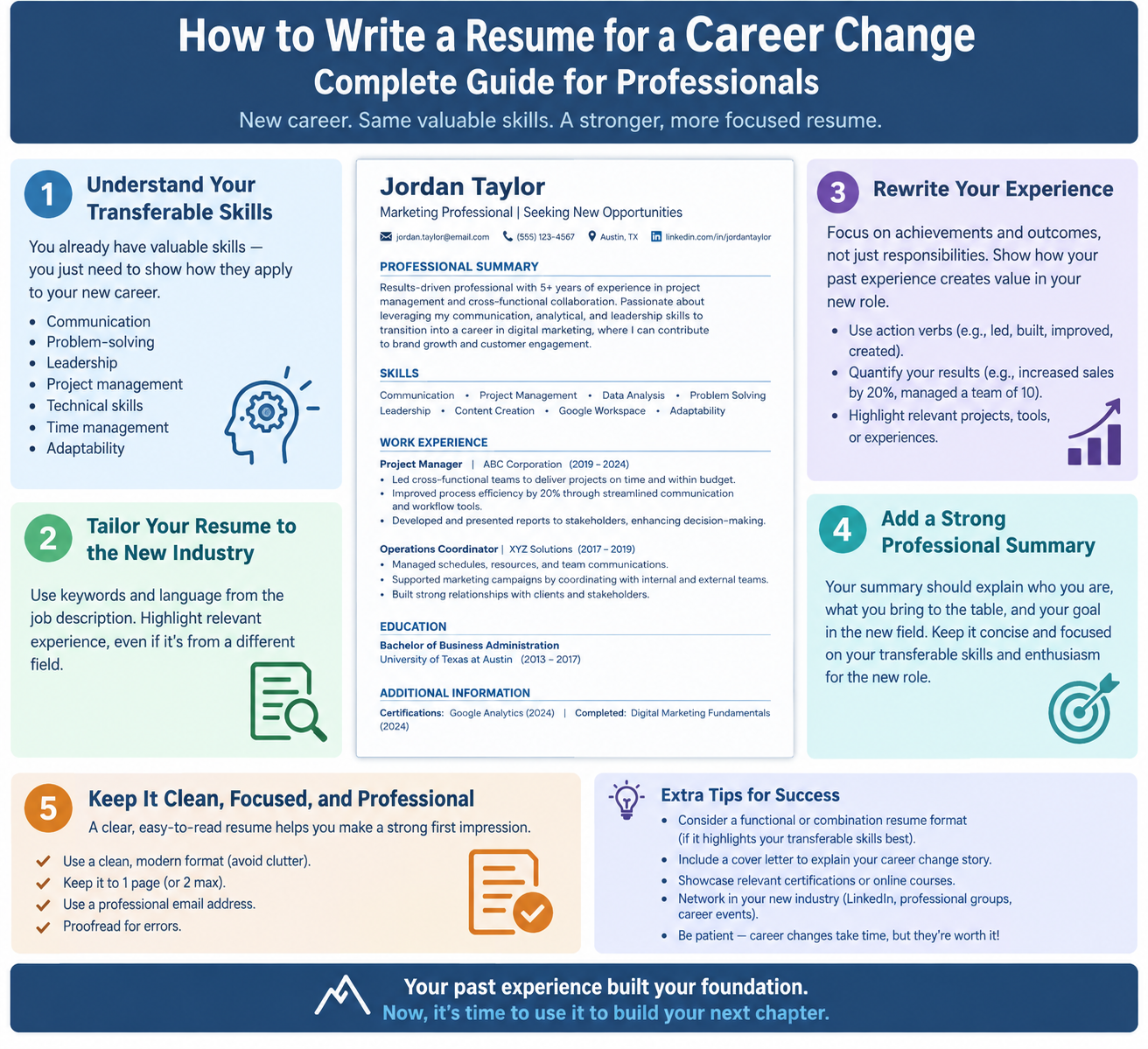
Your resume should begin with your name and contact information, including your phone number, email address, and LinkedIn profile if applicable. Ensure that your email address is professional, ideally a combination of your first and last name.
2. Targeted Resume Objective or Summary
Include a concise resume objective or summary that clearly states your career goals and what you bring to the table. This section should be tailored to each job application, reflecting the specific skills and experiences that align with the role.
3. Relevant Work Experience
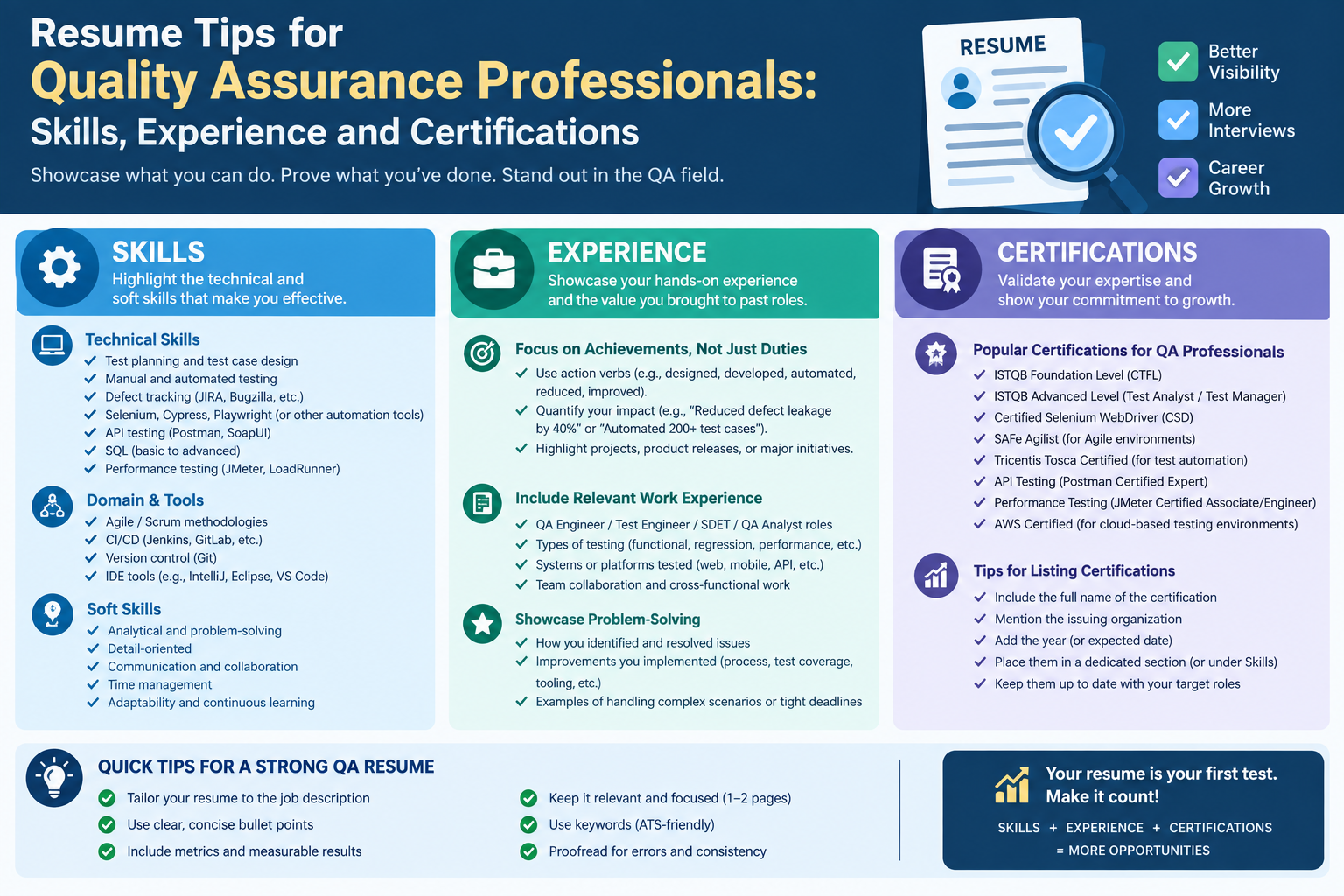
Your work experience should be outlined in reverse chronological order, starting with your most recent position. Use bullet points to highlight your key responsibilities and achievements. Be sure to quantify your accomplishments where possible, as this provides concrete evidence of your capabilities.
4. Education Section
List your educational qualifications, starting with the most recent. Include your degree, institution name, and graduation date. If you have relevant certifications or courses, consider adding them to showcase your commitment to continuous learning.
5. Skills Section
Include a section dedicated to your core skills. These should be a mix of hard and soft skills relevant to the job you're applying for. Ensure that the skills listed match the requirements mentioned in the job description to improve your chances of passing through the ATS.
6. Additional Sections
Depending on your experience and the job requirements, you may consider adding sections for volunteer work, internships, or projects that showcase your skills and dedication. Each additional section should be relevant to the job you're applying for.
ATS Resume Checklist
Many companies use Applicant Tracking Systems (ATS) to filter resumes before they reach human eyes. Adhering to an ATS resume checklist is critical for ensuring your resume is seen by recruiters.
1. Use Standard Headings
Stick to conventional headings such as "Work Experience," "Education," and "Skills." ATS may struggle to interpret unconventional headings, potentially leading to important information being overlooked.
2. Avoid Graphics and Images
While a visually appealing resume may catch the eye of a recruiter, ATS systems often cannot read graphics or images. Use simple formatting and avoid overly decorative elements.
3. Use Keywords Wisely
Integrate industry-specific keywords from the job description throughout your resume. This practice not only improves ATS compatibility but also demonstrates your understanding of the role and sector.
4. Keep It Simple
Formatting should be straightforward. Use standard fonts like Arial or Times New Roman, and avoid excessive bolding or italics. Keep bullet points consistent and ensure there is ample white space.
5. Save in the Right Format
When submitting your resume, save it in a text-based format like .docx or .pdf. Ensure the PDF is ATS-friendly, as some systems can struggle with complex PDF files.
Professional Resume Review and Optimization
Once you have drafted your resume, consider a professional resume review. Experts can provide valuable feedback and insights on areas for improvement. Additionally, resume optimization services can help tailor your resume for specific job applications, increasing your chances of landing interviews.
1. Seek Feedback
Ask friends, family, or mentors to review your resume. Fresh eyes can catch errors and provide suggestions you may have overlooked. Constructive feedback is invaluable in enhancing your document.
2. Use Online Tools
Many online tools can help you analyze your resume’s effectiveness, providing insights into keywords, formatting, and overall readability. These tools can be a great supplement to a professional review.
3. Tailor for Each Application
One of the most effective strategies for job seekers is to tailor each resume for the specific position. Highlight the experiences and skills that are most relevant to the job description, ensuring your resume resonates with the employer.
Final Checklist Before Submitting Your Resume
Before you hit ‘send’ on your job application, run through this final checklist:
FAQs
1. How long should my resume be?
Your resume should ideally be one page, especially if you have less than 10 years of experience. If you have extensive experience, a two-page resume is acceptable, but ensure that every word counts.
2. What is the difference between a resume and a CV?
A resume is a concise document summarizing your skills and experience, tailored for a specific job application. A CV (Curriculum Vitae) is a more detailed account, often used in academic or research positions, and can be multiple pages long.
3. Should I include references in my resume?
It is not necessary to include references directly on your resume. Instead, you can state that references are available upon request, which saves space and keeps your resume focused on your qualifications.
4. How often should I update my resume?
You should update your resume whenever you gain new skills, complete projects, or change jobs. Regular updates ensure that your resume reflects your most current qualifications and experiences.
Conclusion
Crafting a standout resume is essential in your job search journey. By following this resume checklist, you can ensure that your application highlights your skills and experiences effectively. Remember, a well-optimized resume can significantly increase your chances of landing interviews and ultimately securing your desired job. Don't hesitate to seek professional help for a professional resume review if needed, as it could make all the difference. Start applying today and take a step closer to your career goals!
Call to Action
If you find this checklist helpful, share it with your friends and on social media! For personalized assistance, consider reaching out for a professional review and optimization of your resume. Let’s make your job application stand out!