Latest Post

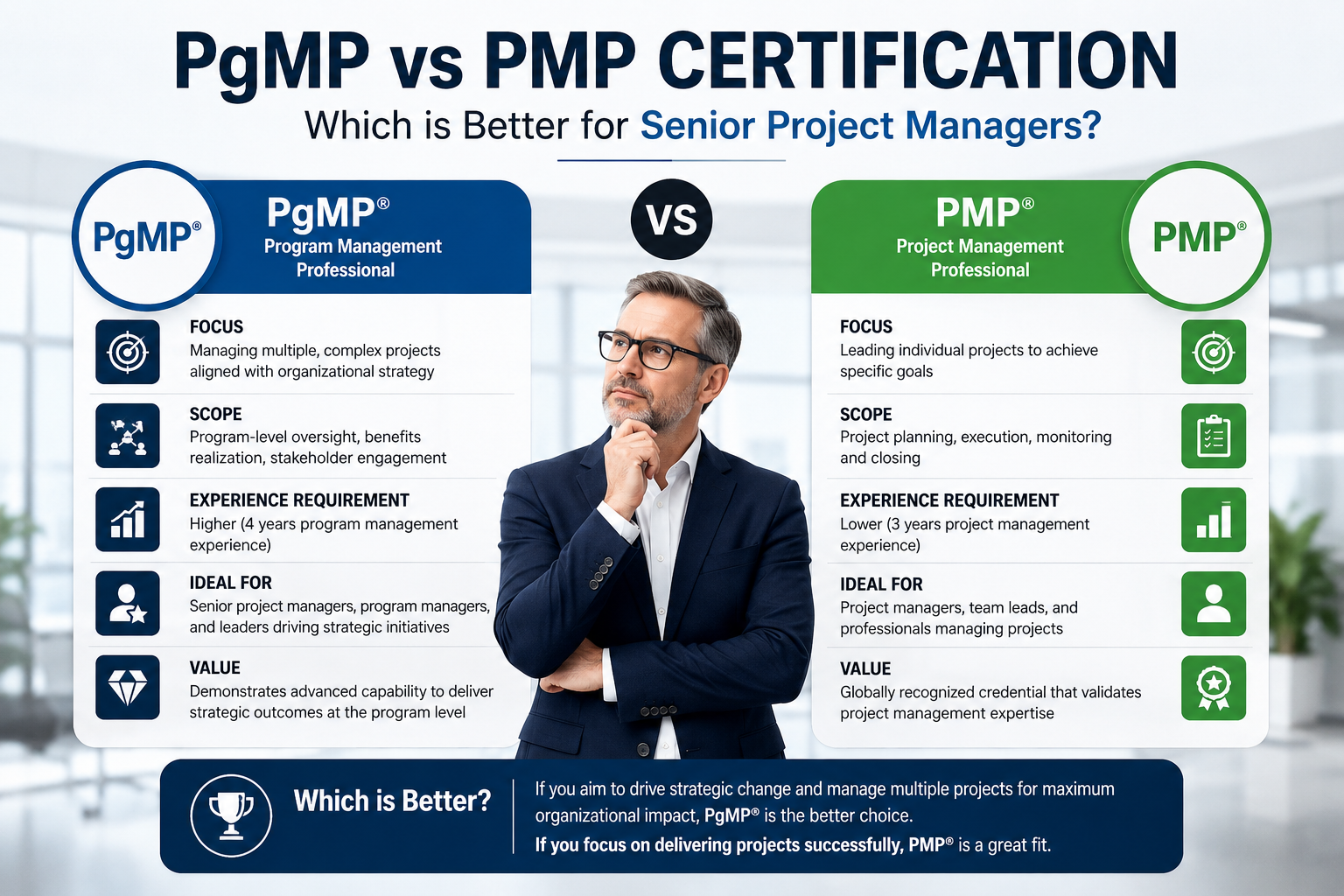

PgMP vs PMP Certification: Which is Better for Senior Project Managers?
In today's competitive job market, project management certifications can play a crucial role in advancing your career, particularly for senior project managers. Among the most recognized certifications offered by the Project Management Institute (PMI) are the Program Management Professional (PgMP) and the Project Management Professional (PMP). In this blog, we will dive deep into the PgMP vs PMP certification debate, helping you understand which certification aligns with your career aspirations and goals.
Understanding the Certifications
What is the PMP Certification?
The Project Management Professional (PMP) certification is one of the most sought-after credentials in the project management field. It validates a project manager's competency to lead and direct projects and teams. The PMP certification focuses on a broad range of project management methodologies and is applicable across various industries. To earn the PMP certification, candidates must meet specific educational and professional experience requirements, followed by passing an extensive examination.
What is the PgMP Certification?
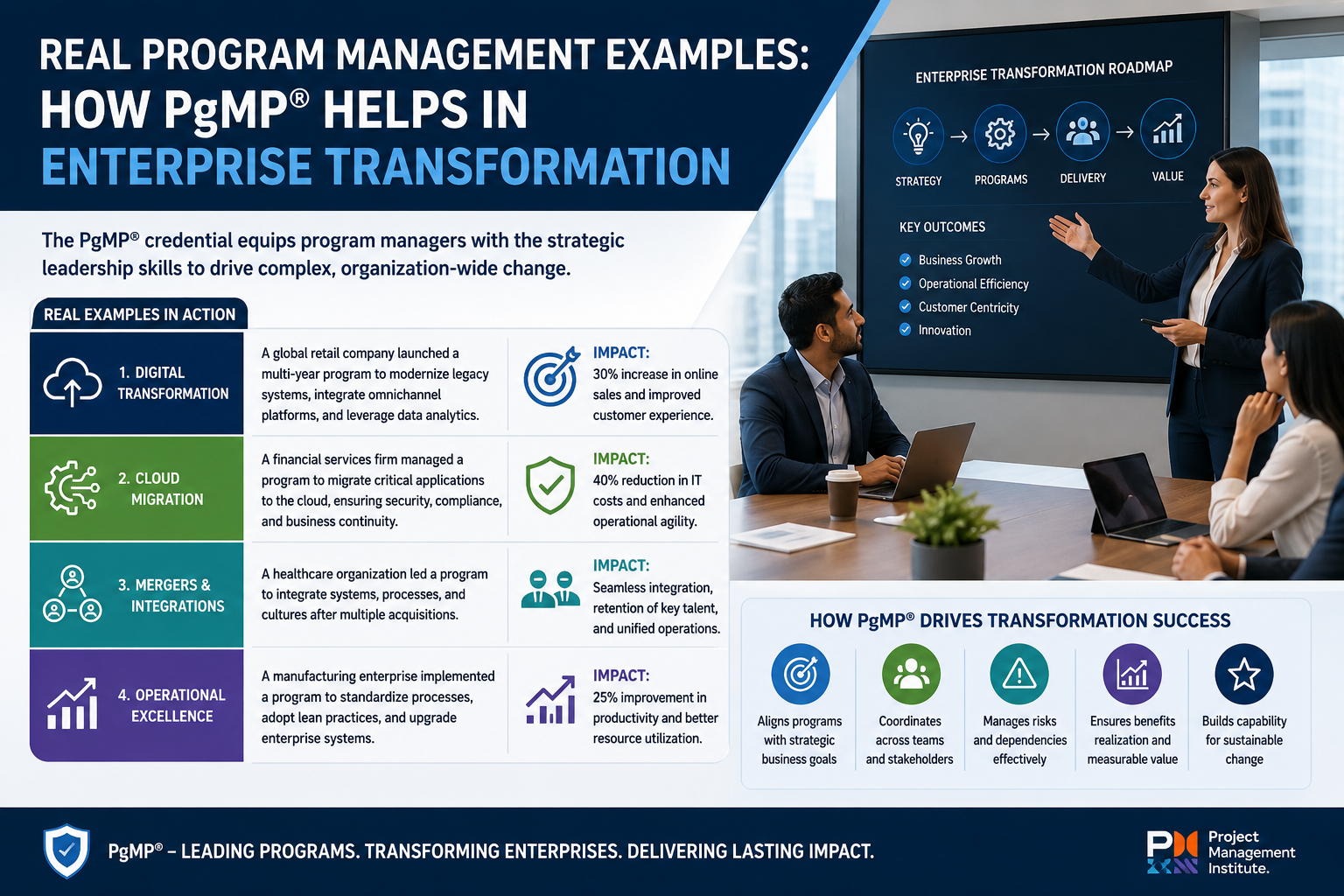
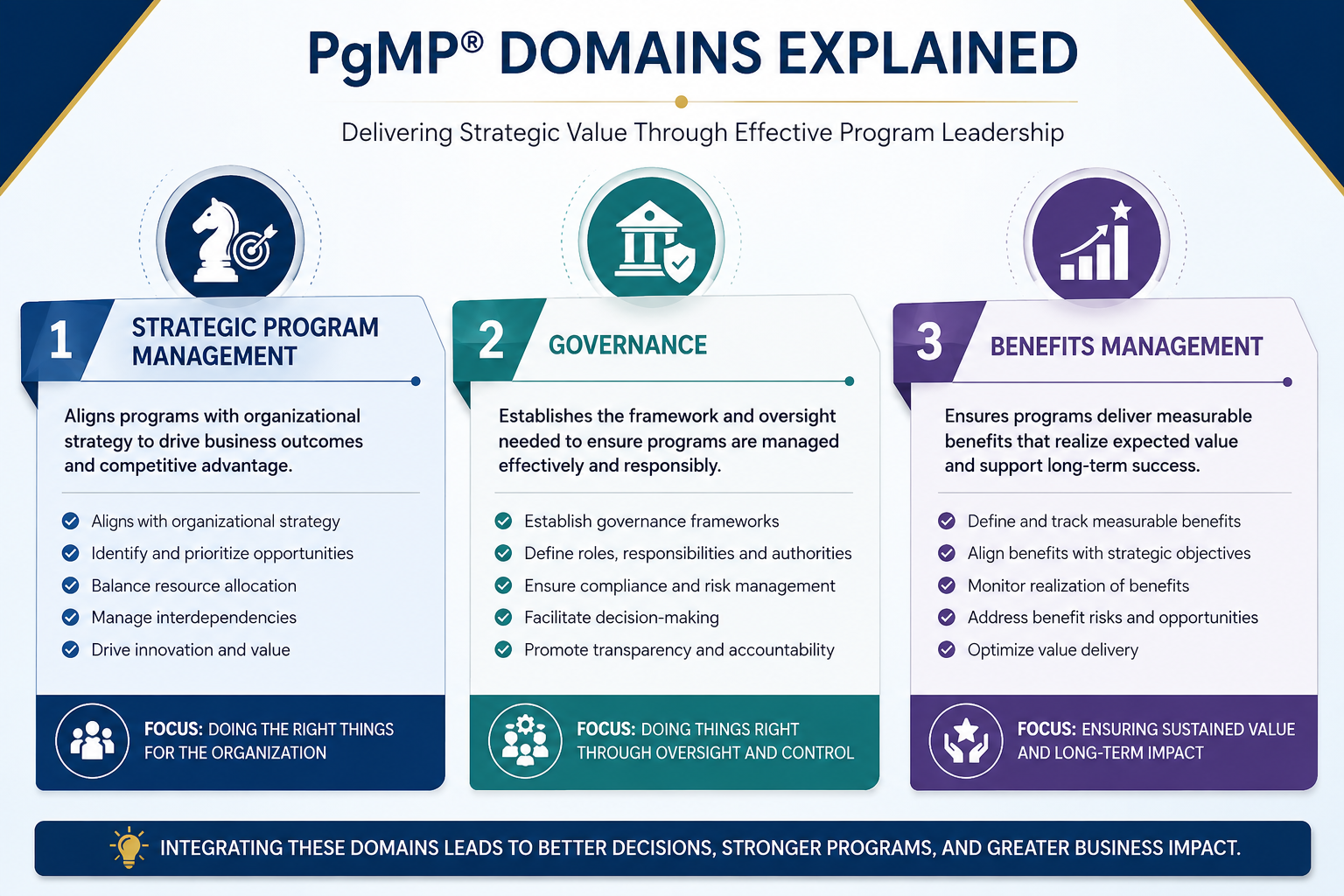
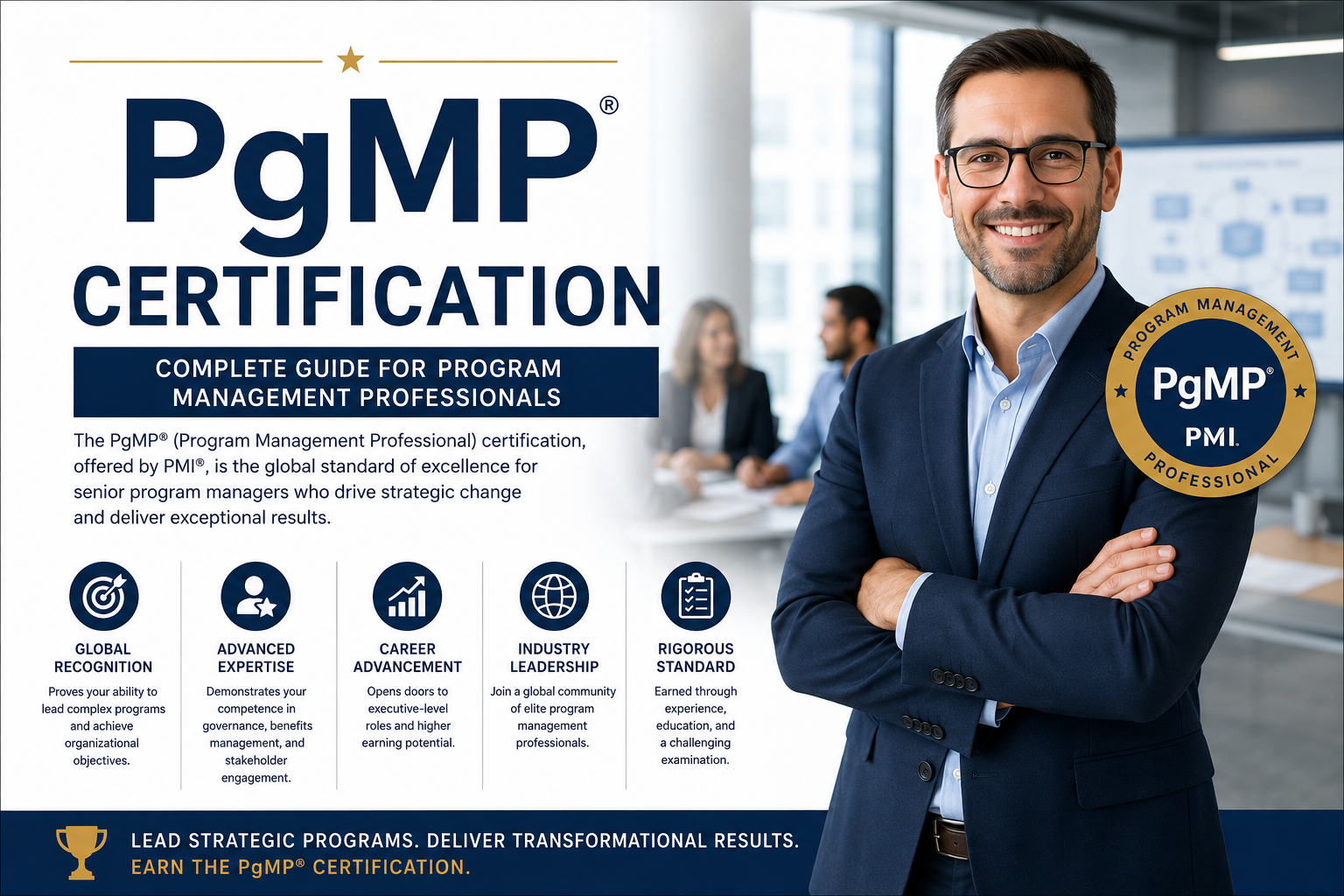
The Program Management Professional (PgMP) certification, on the other hand, is designed for project managers who manage multiple, related projects and align them with organizational goals. This certification emphasizes advanced program management skills, including strategic alignment, stakeholder engagement, and program governance. Like the PMP, the PgMP requires candidates to have significant professional experience, but it specifically targets those who oversee larger programs rather than individual projects.
PgMP vs PMP: Key Differences
Target Audience
The main difference between PgMP and PMP lies in the target audience. The PMP certification is ideal for project managers who are actively leading individual projects. In contrast, the PgMP certification is tailored for professionals who are managing multiple projects under a program umbrella. If you are a senior project manager looking to advance to program management, the PgMP might be the better choice.
Focus Areas
The PMP certification covers the five process groups: initiating, planning, executing, monitoring and controlling, and closing. It emphasizes the entire project lifecycle and methodologies applicable to all project types. The PgMP certification, however, focuses on the strategic aspects of managing programs, including how to align projects with organizational objectives and manage interdependencies. This makes PgMP more suitable for senior project managers who need to think strategically rather than just operationally.
Eligibility Requirements
While both certifications have eligibility requirements, they differ significantly. For the PMP certification, candidates must have:
In contrast, to qualify for the PgMP certification, candidates must have:
Career Prospects and Salary Potential
Job Opportunities
Both certifications can open doors to numerous job opportunities, but their focus areas may lead to different career paths. PMP holders often find roles such as project manager, project coordinator, or project director. Conversely, PgMP holders are more likely to secure positions like program manager, portfolio manager, or director of program management.
Salary Comparison
According to various industry reports, PMP certification holders earn an average salary of ₹12-15 lakhs per annum in India, depending on their experience and industry. PgMP holders, due to their advanced skill set and focus on strategic management, tend to earn slightly higher, with an average salary ranging from ₹15-20 lakhs per annum. As a senior project manager, the PgMP certification may provide a more lucrative salary potential.
Learning and Preparation
Study Material and Resources
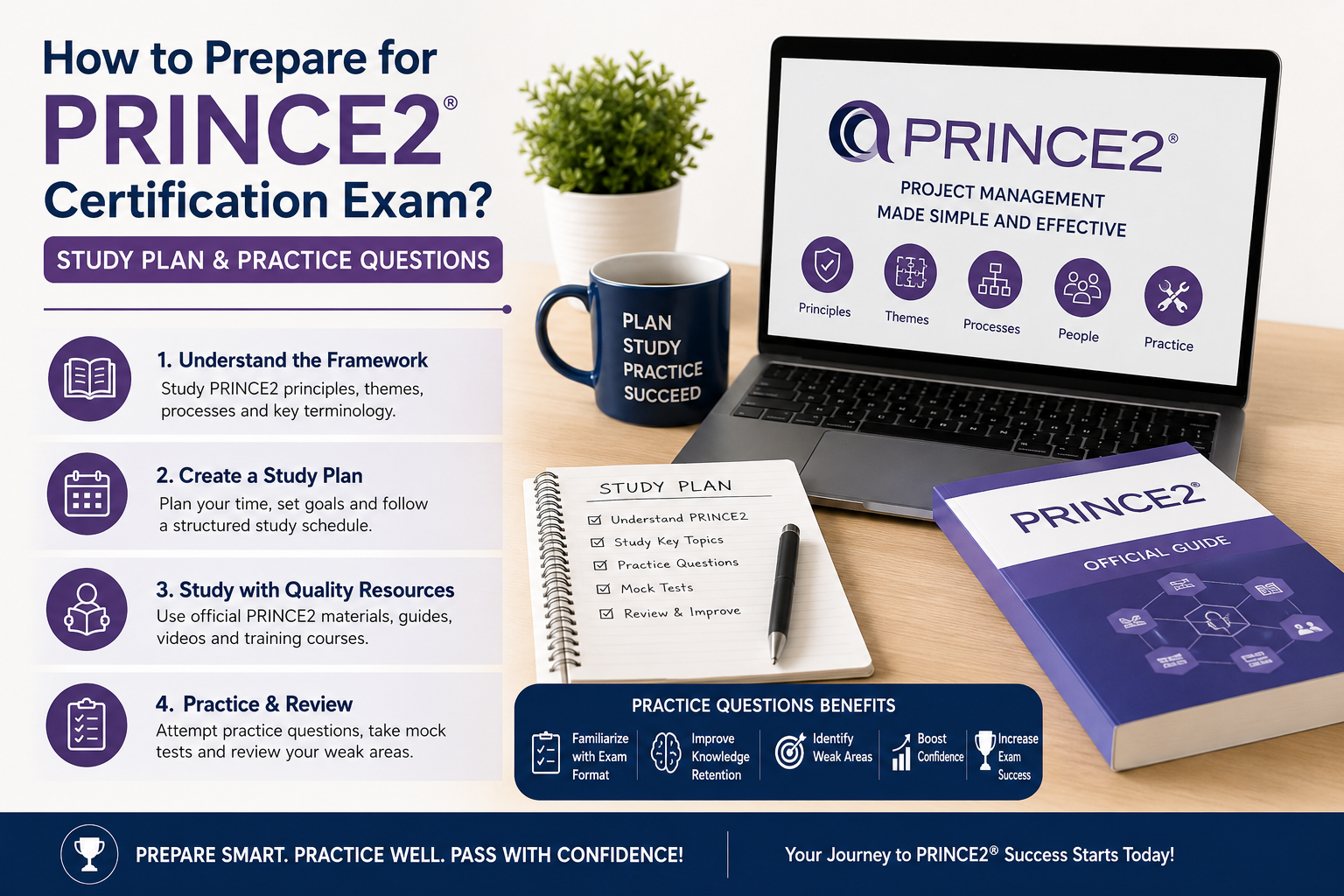
When preparing for either certification, it is essential to have access to the right study materials. For the PMP certification, PMI offers a PMBOK Guide (Project Management Body of Knowledge), which is the primary resource for exam preparation. Other popular resources include online courses, boot camps, and practice exams.
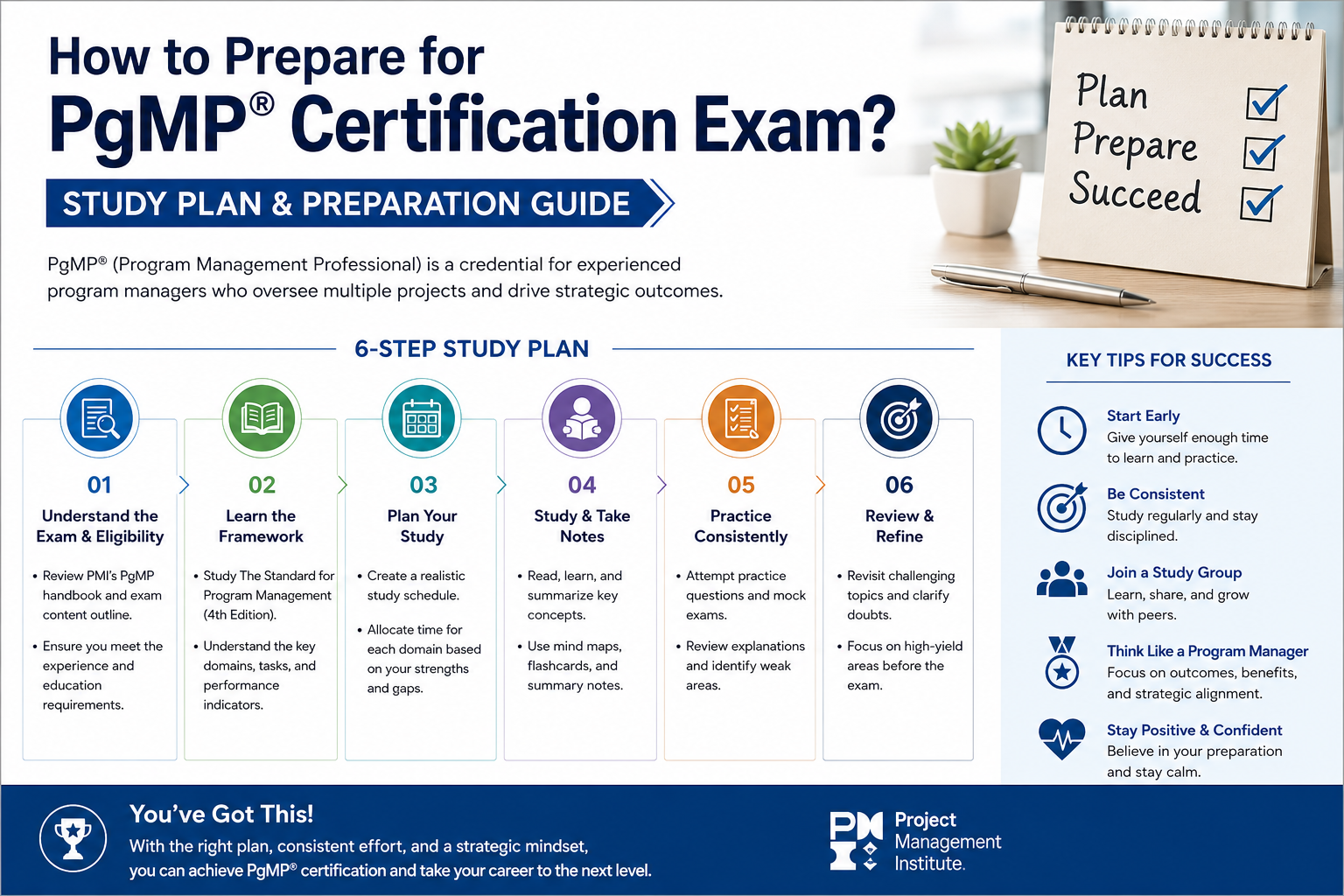
For the PgMP certification, PMI provides the PgMP Examination Content Outline and other study materials that cater specifically to program management. Additionally, many training providers offer specialized courses to prepare candidates for the PgMP exam.
Exam Structure and Format
The PMP exam consists of 180 questions, which may include multiple-choice, multiple responses, and fill-in-the-blank questions. Candidates have a total of 230 minutes to complete the exam.
The PgMP exam, on the other hand, consists of 170 multiple-choice questions, with a total time limit of 4 hours. Both exams require a thorough understanding of their respective bodies of knowledge and methodologies.
Which Certification is Right for You?
When choosing between PgMP vs PMP certification, consider your career goals, current role, and the type of projects you lead. If you are focused on managing individual projects and looking to solidify your project management skills, the PMP certification is an excellent choice.
However, if you aspire to manage multiple projects and align them with your organization’s strategic objectives, the PgMP certification is likely the better option. As a senior project manager, gaining the PgMP certification can provide you with the skills and credentials necessary to lead larger, more complex projects and programs.
Frequently Asked Questions (FAQs)
1. Can I hold both PMP and PgMP certifications?
Yes, many professionals choose to hold both certifications. Each serves a different purpose and offers distinct advantages in the project management field.
2. How long does it take to prepare for each certification?
Preparation time varies depending on individual experience and study habits. Typically, candidates spend 3-6 months preparing for the PMP exam and 4-8 months for the PgMP exam.
3. Are there any prerequisites for the PgMP certification?
Yes, candidates must have significant project and program management experience, as outlined in the eligibility requirements.
4. How often do I need to renew my certification?
Both PMP and PgMP certifications require renewal every three years, which involves earning Professional Development Units (PDUs).
Conclusion
In conclusion, the choice between PgMP vs PMP certification depends on your current role, career aspirations, and the type of projects you wish to manage. Both certifications are highly respected in the industry, and each offers unique benefits. As a senior project manager, investing in the PgMP certification could provide you with the strategic skills and recognition needed to excel in program management. Take the next step in your project management career today!
If you are ready to enhance your project management skills and advance your career, consider enrolling in a PMP or PgMP training program. Don’t miss out on the opportunity to gain a competitive edge in the job market!