Latest Post



Real Program Management Examples: How PgMP Helps in Enterprise Transformation
In today's dynamic business environment, enterprises are increasingly recognizing the importance of effective program management in driving transformation initiatives. The Program Management Professional (PgMP) certification is a testament to the mastery of program management principles and practices. This blog delves into real program management examples that illustrate how PgMP plays a crucial role in enterprise transformation projects across various sectors. Whether it’s about streamlining operations, enhancing customer engagement, or implementing innovative solutions, PgMP case studies shed light on successful program management implementation.
Understanding PgMP and Its Significance
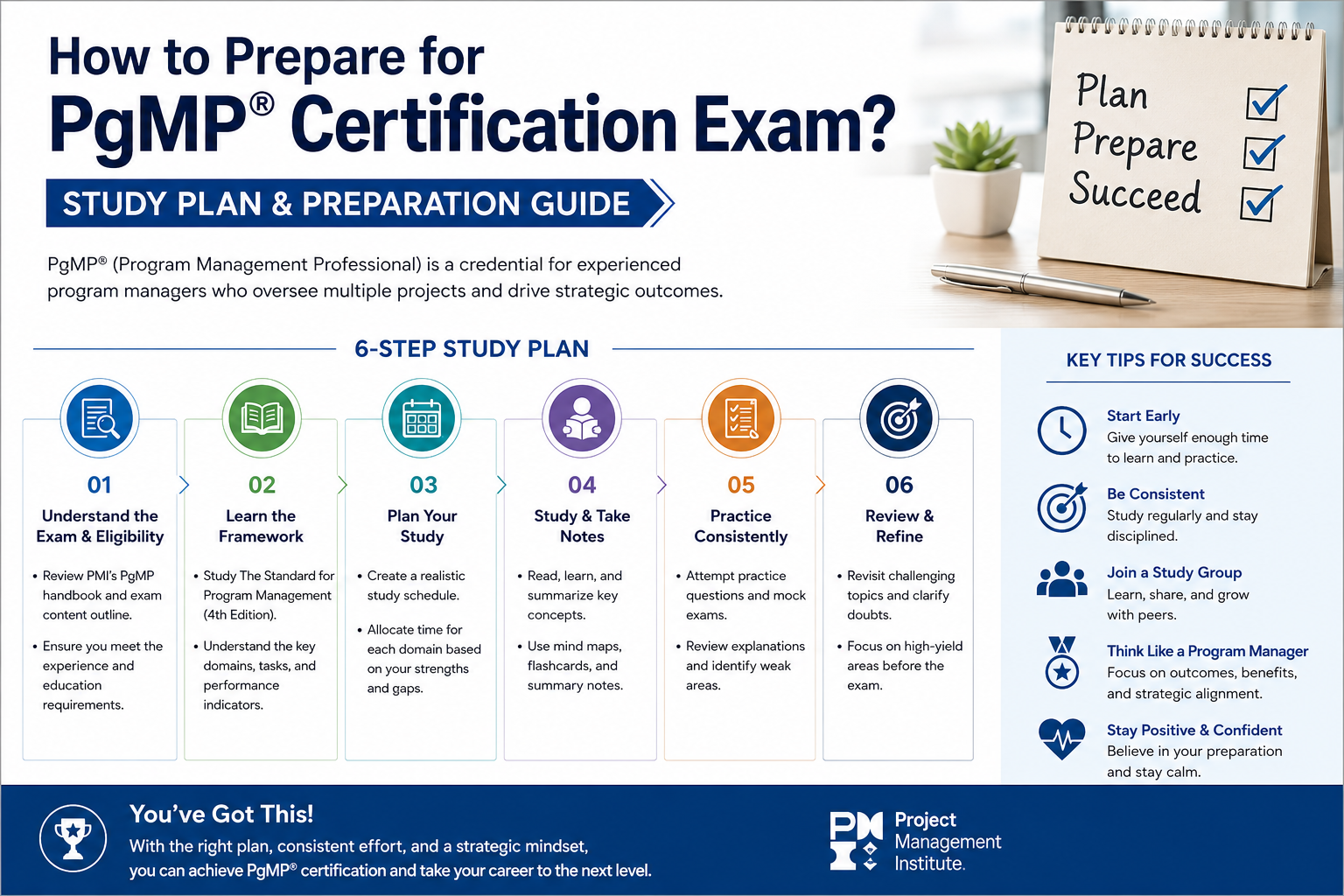
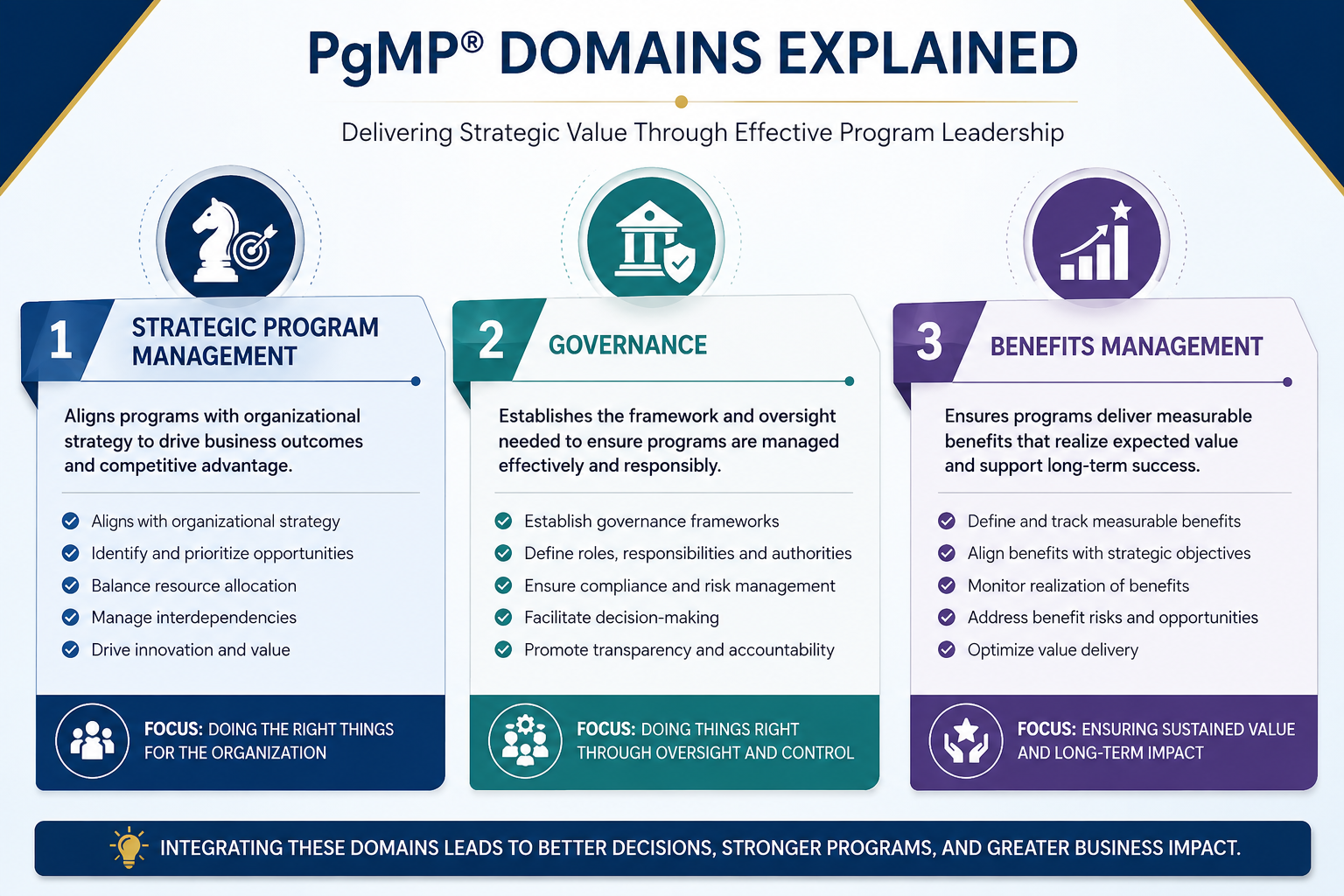
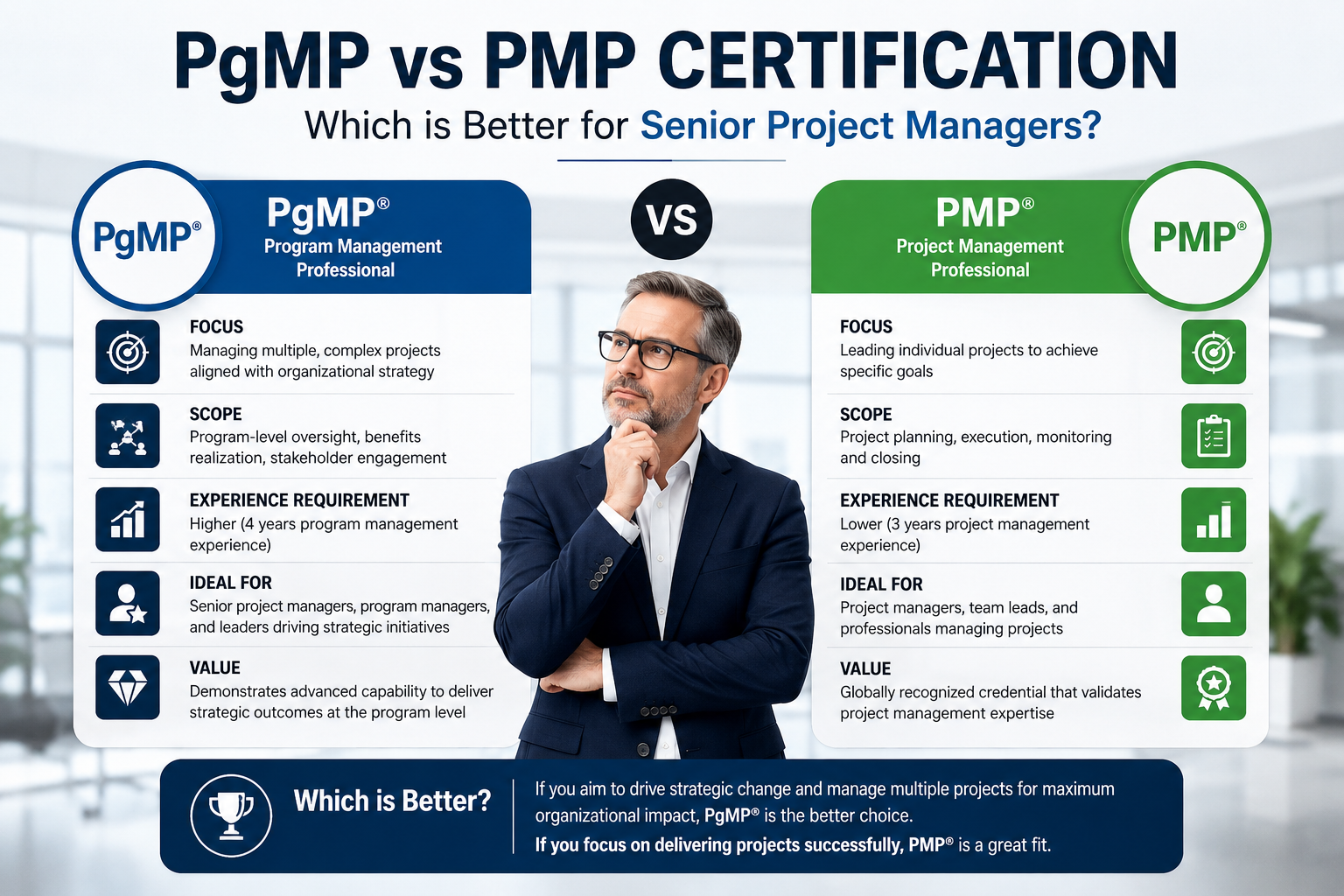
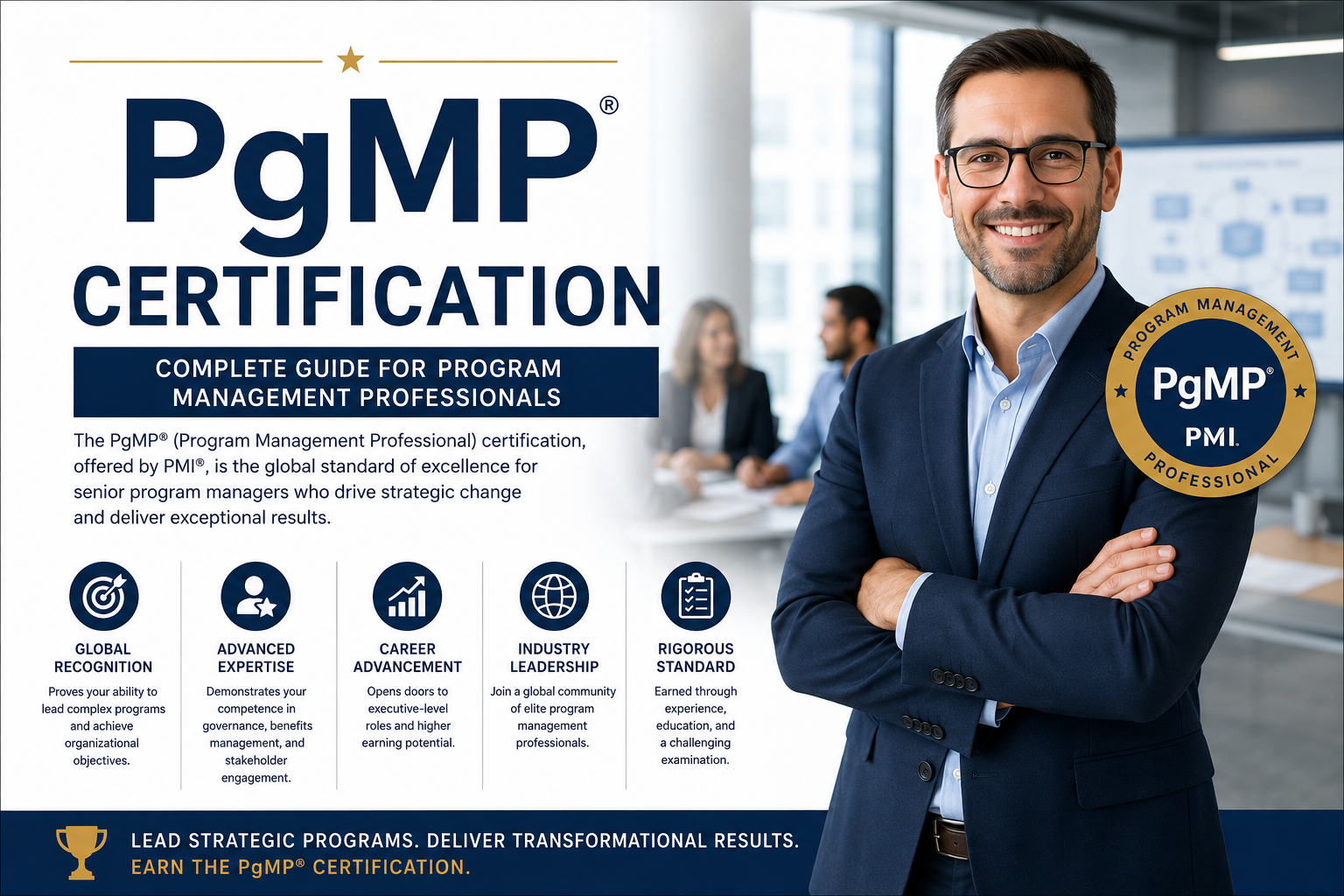
The PgMP certification, offered by the Project Management Institute (PMI), signifies a professional’s ability to manage multiple related projects effectively and align them with organizational strategy. PgMP professionals are skilled in overseeing program elements that drive enterprise transformation, ensuring that projects deliver maximum value.
What Is Enterprise Transformation?
Enterprise transformation refers to significant changes in the way an organization operates. This can involve structural changes, technological upgrades, and cultural shifts aimed at improving efficiency, profitability, and customer satisfaction. The implementation of enterprise transformation projects requires robust program management to coordinate and integrate various initiatives seamlessly.
Real Program Management Examples in Enterprise Transformation
1. Digital Transformation at a Leading Indian Bank
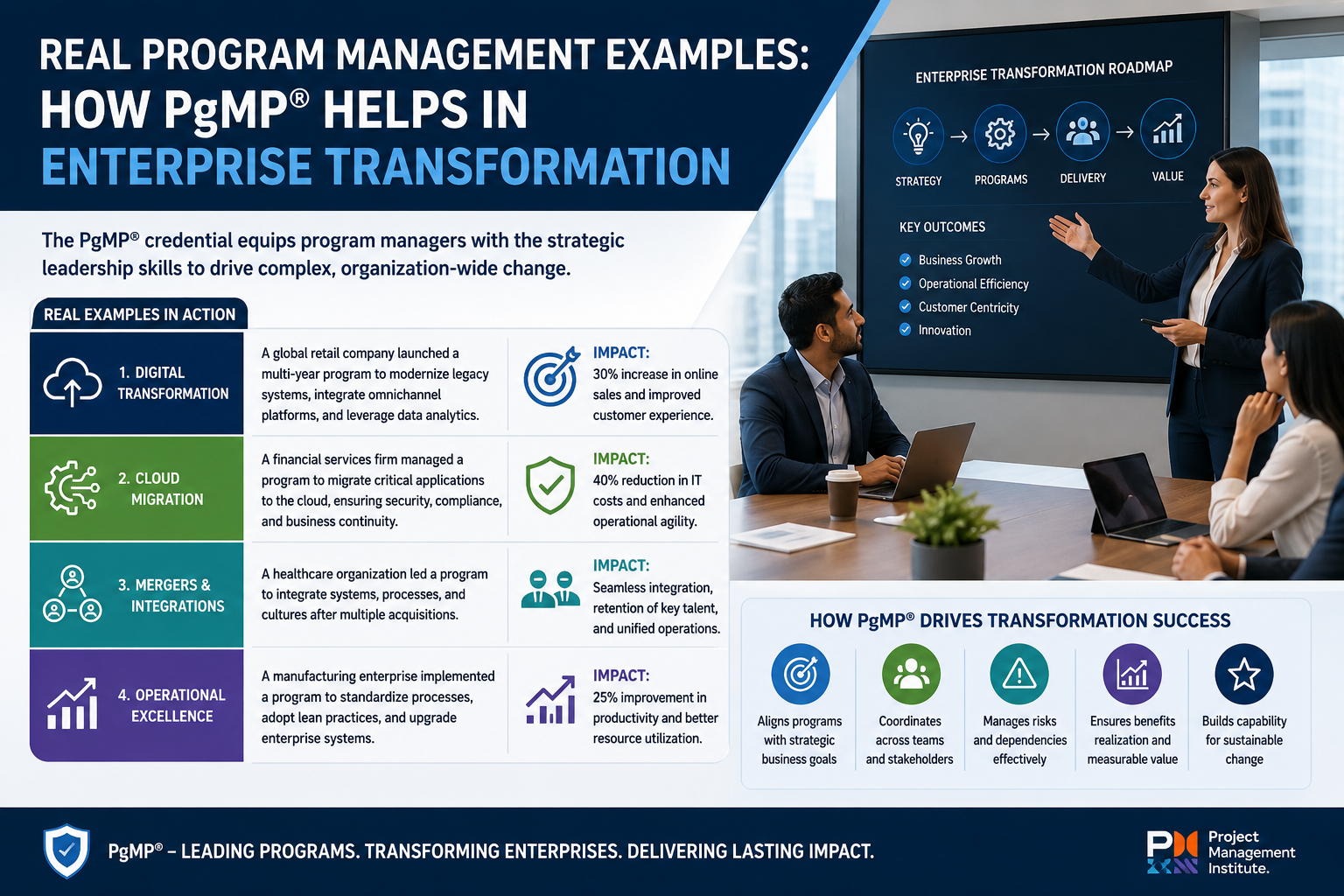
One of the prominent Indian banks undertook a digital transformation program to enhance customer experience and operational efficiency. The bank implemented several initiatives, including mobile banking apps, AI-driven customer service, and automated loan processing. By employing PgMP methodologies, the bank effectively managed interrelated projects, ensuring that all initiatives aligned with the broader organizational goals.
The PgMP professionals utilized advanced data analytics to assess customer needs, allowing the bank to tailor its services effectively. As a result, the bank saw a 30% increase in customer engagement and a significant reduction in operational costs.
2. Streamlining Operations in a Manufacturing Company
A leading manufacturing company in India faced challenges in operational efficiency and supply chain management. The company initiated a transformation program aimed at optimizing its production processes and implementing lean manufacturing techniques. The PgMP team was pivotal in coordinating multiple projects, including adopting new technologies and revamping supply chain logistics.
Through effective program management implementation, the company reduced production time by 25% and improved product quality, leading to enhanced customer satisfaction and a notable increase in market share.
3. ERP Implementation in a Retail Giant
A major retail chain in India decided to implement an Enterprise Resource Planning (ERP) system to integrate its various business functions. This transformation project involved multiple stakeholders and a series of interrelated projects, including inventory management, sales tracking, and customer relationship management.
The PgMP professionals played a critical role in ensuring that all aspects of the ERP implementation were synchronized. They utilized program management best practices to manage risks, allocate resources, and monitor progress. The successful implementation resulted in a 40% reduction in operational costs and improved data accuracy across the organization.
Benefits of PgMP in Enterprise Transformation Projects
The successful execution of enterprise transformation projects hinges on effective program management. Here are some key benefits of employing PgMP methodologies:
1. Strategic Alignment
PgMP professionals ensure that all projects within a program are aligned with the strategic objectives of the organization. This alignment enhances the overall impact of transformation initiatives.
2. Integrated Approach
Program management provides a framework for integrating various projects, enabling better resource utilization and minimizing redundancy. This integrated approach leads to more efficient operations.
3. Enhanced Risk Management
Effective risk management is crucial for the success of any transformation project. PgMP professionals employ advanced techniques to identify, assess, and mitigate risks, ensuring that projects stay on track.
4. Improved Stakeholder Engagement
With a focus on stakeholder communication and collaboration, PgMP methodologies enhance transparency and foster a sense of ownership among team members and stakeholders, which is essential for successful transformation.
Challenges in Program Management Implementation
While the benefits of PgMP in enterprise transformation are evident, there are challenges that organizations may face during implementation:
1. Resistance to Change
Employees and stakeholders may resist changes introduced during transformation initiatives. Effective change management strategies are essential to address this resistance.
2. Resource Constraints
Limited resources can hinder the successful execution of multiple projects within a program. Organizations must prioritize resource allocation effectively to overcome this challenge.
3. Maintaining Focus
With multiple projects running concurrently, it is vital to maintain focus on the overall objectives of the transformation program. PgMP professionals must ensure that all team members remain aligned with the program goals.
FAQs
What is the PgMP certification?
The PgMP certification is awarded by the Project Management Institute (PMI) and signifies a professional's ability to manage multiple related projects and align them with organizational strategy.
Why is program management important for enterprise transformation?
Program management ensures that various projects within a transformation initiative are aligned, integrated, and executed effectively, leading to successful outcomes and value delivery.
Can you provide examples of successful enterprise transformation projects in India?
Yes, examples include digital transformation initiatives in banks, operational streamlining in manufacturing companies, and ERP implementations in retail giants, all of which have benefited from PgMP methodologies.
How can organizations overcome challenges in program management implementation?
Organizations can address challenges by fostering a culture of change, prioritizing resource allocation, and maintaining clear communication among stakeholders to ensure alignment with program goals.
Conclusion: Empower Your Enterprise Transformation with PgMP
As organizations in India continue to navigate the complexities of transformation, the role of PgMP in managing enterprise transformation projects becomes increasingly vital. By adopting best practices in program management, businesses can ensure that their transformation initiatives are successful, sustainable, and aligned with their strategic objectives. If you are looking to enhance your organization's program management capabilities, consider investing in PgMP training and certification to empower your teams and drive meaningful change.
Call to Action
Ready to transform your organization? Explore our PgMP training programs today and equip your team with the skills needed to manage enterprise transformation projects effectively. Visit our website to learn more and enroll now!