Latest Post


Quality Management Courses


In the fast-paced world of project management, choosing the right methodology can be the difference between success and failure. Two of the most widely discussed methodologies are Agile and Waterfall. Each has its own strengths and weaknesses, making them suitable for different types of projects. This article delves into the Agile vs Waterfall debate, specifically analyzing which approach works best for Indian companies.
Understanding Agile Project Management
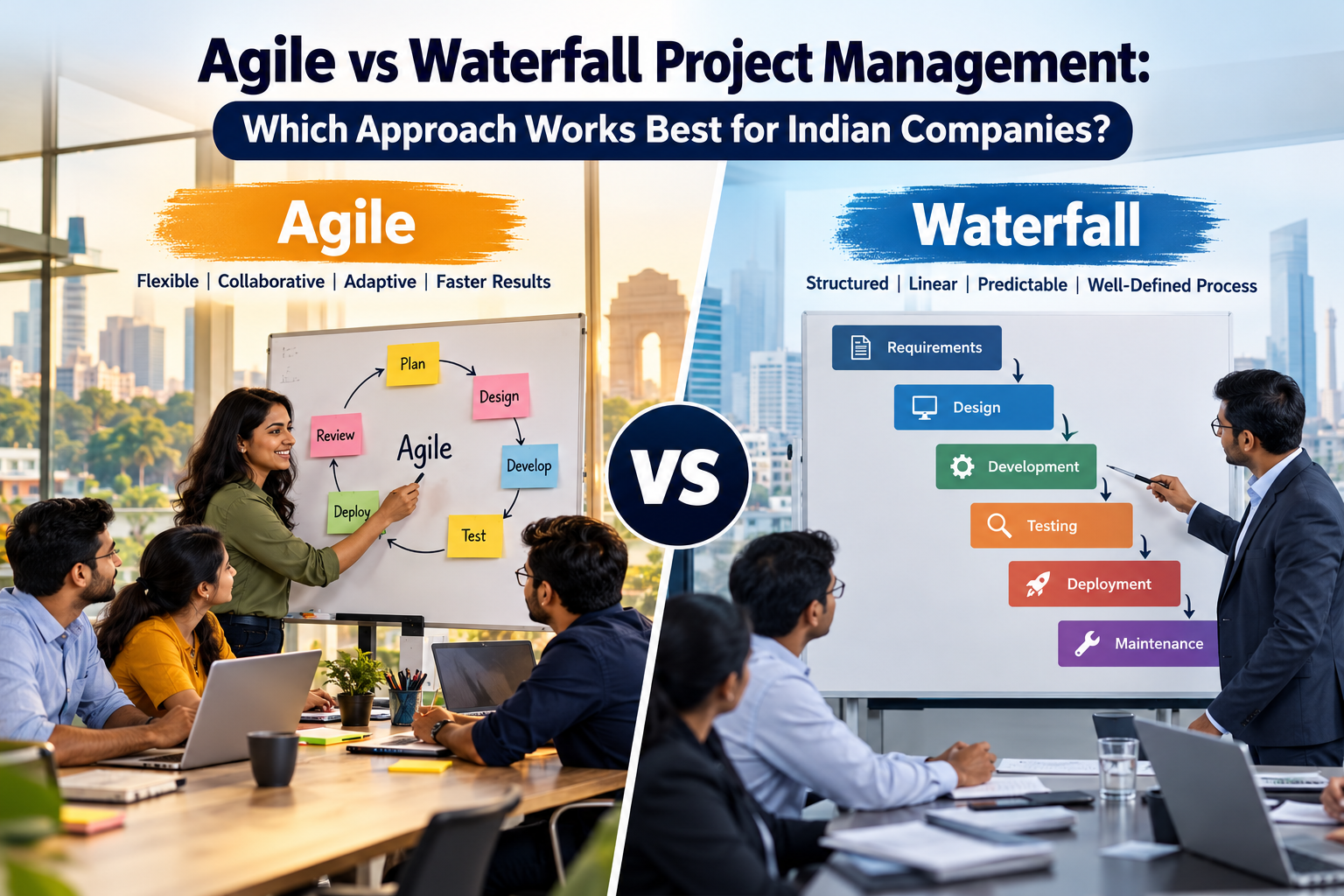
Agile project management is an iterative approach that emphasizes flexibility, collaboration, and customer satisfaction. It breaks projects into small, manageable units called sprints, allowing teams to adapt to changes quickly. The Agile methodology is particularly beneficial in environments where requirements may evolve throughout the development process.
Core Principles of Agile
Exploring Waterfall Methodology
Waterfall methodology, on the other hand, is a linear and sequential approach to project management. It involves completing one phase of a project before moving on to the next, making it easier to manage but less adaptable to change. This methodology is often favored for projects with well-defined requirements and little expected fluctuation.
Key Characteristics of Waterfall
The Agile vs Waterfall Debate in Indian Companies
India's project management landscape is diverse, with companies ranging from startups to established enterprises across various sectors. The choice between Agile and Waterfall methodologies often depends on the nature of the project, organizational culture, and client expectations.
When to Choose Agile?
Agile project management is particularly effective for:
When to Opt for Waterfall?
Waterfall methodology is a better fit for:
Benefits of Agile for Indian Companies
The benefits of adopting Agile project management in India are noteworthy:
Challenges of Waterfall for Indian Companies
While Waterfall has its advantages, it also presents challenges that can impact Indian companies:
Hybrid Approaches: A Middle Ground
Many Indian companies are recognizing the benefits of combining Agile and Waterfall methodologies into a hybrid approach. This allows teams to maintain structure while also embracing flexibility. For instance, a company might use Waterfall for the initial phases of a project and then switch to Agile for development and testing, aligning the benefits of both methodologies.
FAQs
1. What is the main difference between Agile and Waterfall?
The main difference lies in their approach: Agile is iterative and flexible, allowing for changes throughout the project, while Waterfall is linear and sequential, requiring each phase to be completed before moving to the next.
2. Which methodology is more cost-effective?
It depends on the project. Agile can be more cost-effective for projects with uncertain requirements, while Waterfall can be more predictable for projects with fixed requirements.
3. Can Agile be used in non-software projects?
Absolutely! Agile can be applied in various fields, including marketing, human resources, and event planning, wherever flexibility and collaboration are needed.
4. How can Indian companies decide between Agile and Waterfall?
Companies should consider project requirements, team dynamics, and customer expectations when deciding between Agile and Waterfall. A hybrid approach may also be worth exploring.
Conclusion
In conclusion, both Agile and Waterfall project management methodologies have their place in the Indian business landscape. The choice between Agile vs Waterfall should be guided by the specific needs of the project and the organization. As Indian companies continue to evolve, embracing the right methodology is crucial for achieving project success.
Call to Action
Are you ready to take your project management to the next level? Whether you prefer Agile, Waterfall, or a hybrid approach, our team of experts can help you implement the best practices tailored to your needs. Contact us today for a consultation!