Latest Post
Quality Management Courses



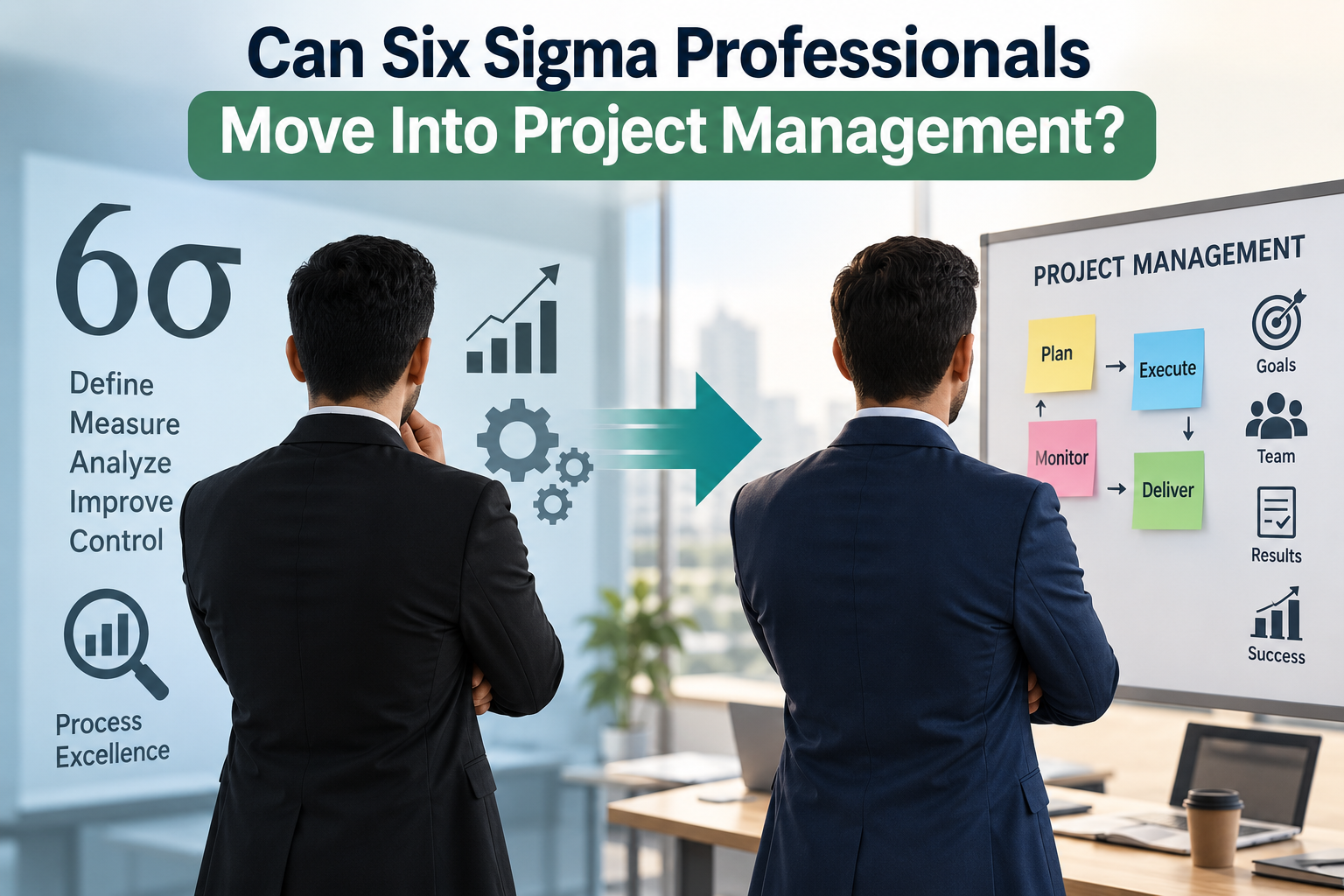

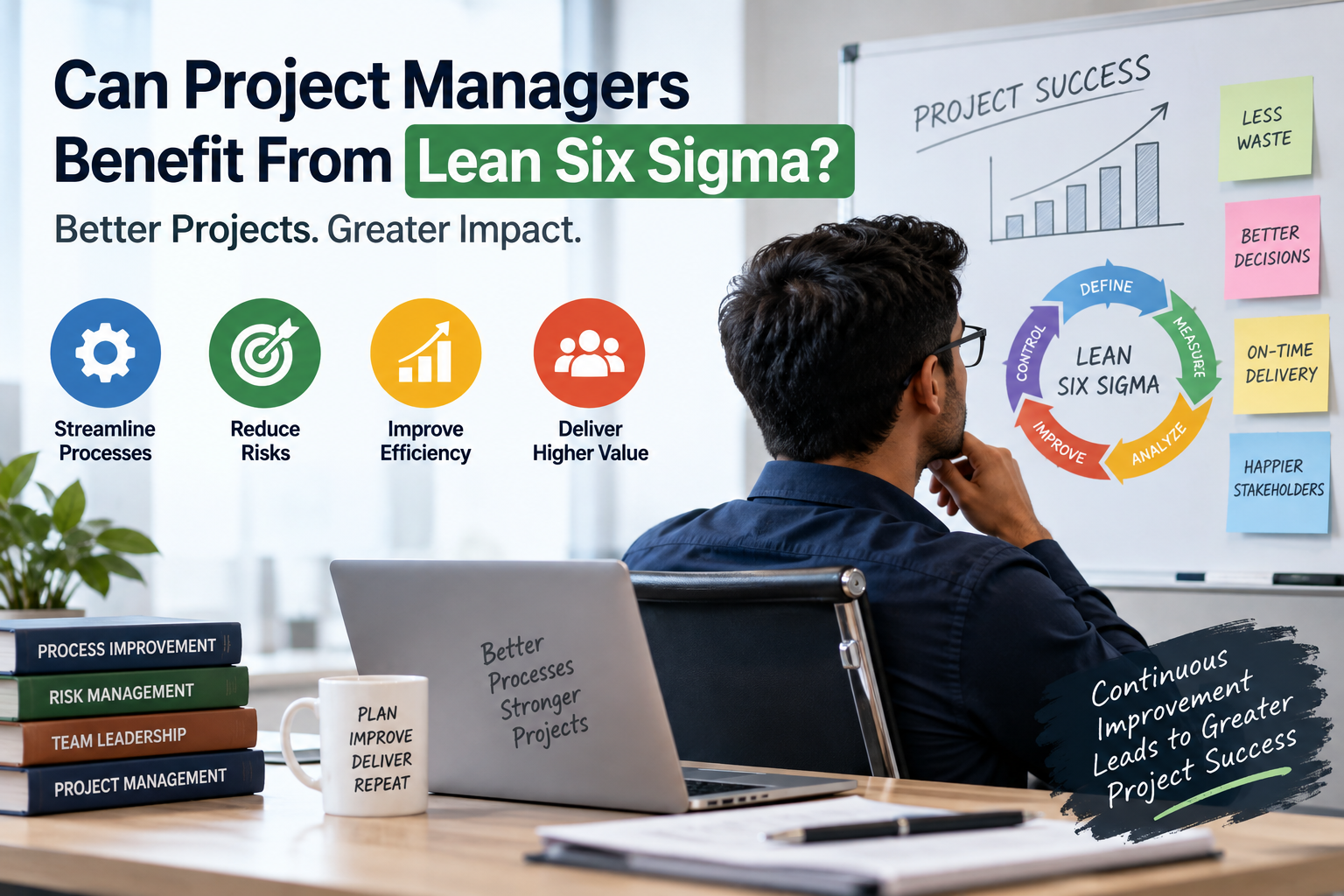
In today’s rapidly evolving business landscape, professionals are often required to adapt and expand their skill sets to remain competitive. One such career transition that many are considering is moving from Six Sigma professionals into project management. But how compatible are these two fields? In this blog, we’ll explore the synergies between Six Sigma and project management, the skills that are transferable, and the advantages of making this shift.
Understanding Six Sigma and Project Management
What is Six Sigma?
Six Sigma is a data-driven methodology aimed at improving business processes by eliminating defects and minimizing variability. Originating in manufacturing, it has been widely adopted across various industries, including healthcare, finance, and IT. The core principles of Six Sigma focus on quality improvement, customer satisfaction, and operational efficiency. Professionals in this field are typically trained in specific methodologies such as DMAIC (Define, Measure, Analyze, Improve, Control) and often hold certifications like Green Belt or Black Belt.
What is Project Management?
Project management, on the other hand, involves planning, executing, and closing projects to achieve specific goals within a defined timeline and budget. Project managers are responsible for coordinating teams, managing resources, and ensuring that project deliverables meet the required quality standards. This field is guided by frameworks such as PMBOK (Project Management Body of Knowledge) and methodologies like Agile and Waterfall.
The Synergy Between Six Sigma and Project Management
The overlap between Six Sigma and project management is significant. Both fields prioritize efficiency, quality control, and stakeholder satisfaction. Here are some key areas where Six Sigma professionals can leverage their skills in project management:
1. Process Improvement
Six Sigma professionals excel in process improvement, a critical aspect of project management. They can identify inefficiencies and implement solutions that enhance productivity and reduce costs. This skill is invaluable in any project setting, where optimizing resources is essential for meeting deadlines and staying within budget.
2. Data-Driven Decision Making
Data analysis is at the heart of Six Sigma. Professionals trained in this methodology are adept at using statistical tools to guide project decisions. This analytical mindset can help project managers make informed choices, anticipate risks, and track project performance metrics effectively.
3. Quality Management
Quality control is a fundamental principle of both Six Sigma and project management. Six Sigma professionals bring a robust framework for ensuring that project outputs meet quality standards. Their expertise can help in establishing quality assurance processes that align with project objectives.
4. Stakeholder Engagement
Effective communication and stakeholder engagement are crucial in both fields. Six Sigma professionals are trained to understand customer requirements and ensure that project outcomes align with these expectations. Their experience in managing stakeholder feedback can enhance project success rates.
Skills Transfer: What Six Sigma Professionals Bring to Project Management
Transitioning into project management from a Six Sigma background can be seamless due to the transferable skills that these professionals possess:
1. Problem Solving
Six Sigma professionals are trained problem solvers. Their ability to identify root causes and develop actionable solutions can significantly benefit project management, where unforeseen challenges often arise.
2. Leadership
Leading teams through process changes is a common task for Six Sigma professionals. Their leadership skills translate well into project management, where motivating team members and driving collaboration are key to achieving project goals.
3. Risk Management
Risk assessment and mitigation are integral components of both Six Sigma and project management. Six Sigma professionals are equipped to identify potential project risks early on and develop strategies to manage them effectively.
4. Change Management
Change is a constant in both Six Sigma initiatives and project management. Professionals in these fields understand the importance of managing change effectively to minimize disruption and maximize acceptance among team members and stakeholders.
Challenges Faced by Six Sigma Professionals in Project Management
While there are numerous advantages to moving into project management, it is essential to acknowledge the potential challenges:
1. Different Mindsets
The focus of Six Sigma on statistical analysis and process optimization may differ from the broader scope of project management, which includes managing people, schedules, and budgets. Adapting to this mindset may require additional training and experience.
2. Project Management Certifications
Many organizations prefer or require project managers to hold certifications like PMP (Project Management Professional). Six Sigma professionals may need to invest time and resources in obtaining these credentials to enhance their employability in project management roles.
3. Team Dynamics
Project managers often work with diverse teams and must navigate various personalities and work styles. Transitioning from a Six Sigma-focused environment to a project management role may require adapting to different team dynamics and communication styles.
How to Make the Transition from Six Sigma to Project Management
If you are a Six Sigma professional considering a move into project management, here are some steps to facilitate the transition:
1. Acquire Project Management Knowledge
Enroll in project management courses or workshops to gain a solid understanding of fundamental principles, methodologies, and best practices. Online platforms like Coursera and Udemy offer a variety of courses tailored to different skill levels.
2. Obtain Relevant Certifications
Consider obtaining project management certifications such as PMP or PRINCE2. These credentials can enhance your credibility and demonstrate your commitment to the field.
3. Network with Project Management Professionals
Join professional organizations or online communities related to project management. Networking with experienced project managers can provide valuable insights and open up potential job opportunities.
4. Highlight Transferable Skills
When applying for project management positions, emphasize the skills and experiences that are transferable from your Six Sigma background. Showcase your problem-solving abilities, data analysis expertise, and leadership qualities in your resume and interviews.
FAQs
Can Six Sigma professionals directly apply for project management roles?
Yes, Six Sigma professionals can apply for project management roles, especially if they highlight their transferable skills and relevant experiences. Additional project management training or certifications can further enhance their candidacy.
Is project management certification necessary for Six Sigma professionals?
While not always required, project management certification can significantly improve job prospects and demonstrate a commitment to the field. It provides a solid foundation in project management principles and practices.
What industries can Six Sigma professionals transition into project management roles?
Six Sigma professionals can transition into project management roles across various industries, including manufacturing, healthcare, IT, finance, and consulting, where process improvement and project management are essential for success.
How can Six Sigma training benefit project management?
Six Sigma training equips project managers with tools for process improvement, quality management, and data-driven decision-making, all of which are crucial for executing successful projects and meeting stakeholder expectations.
Conclusion
In conclusion, transitioning from a Six Sigma professional to a project management role is not only feasible but can also be highly beneficial for both the individual and the organization. The compatibility of skills, emphasis on efficiency, and focus on quality create a strong foundation for success in project management. By acquiring additional knowledge and certifications, Six Sigma professionals can successfully navigate this career shift and thrive in the dynamic world of project management.
If you are a Six Sigma professional looking to take your career to the next level, consider exploring project management opportunities today! For more insights and resources, subscribe to our newsletter and stay updated on the latest trends in project management and process improvement.