

End-to-End Recruitment Process: From Talent Sourcing to Employee Onboarding
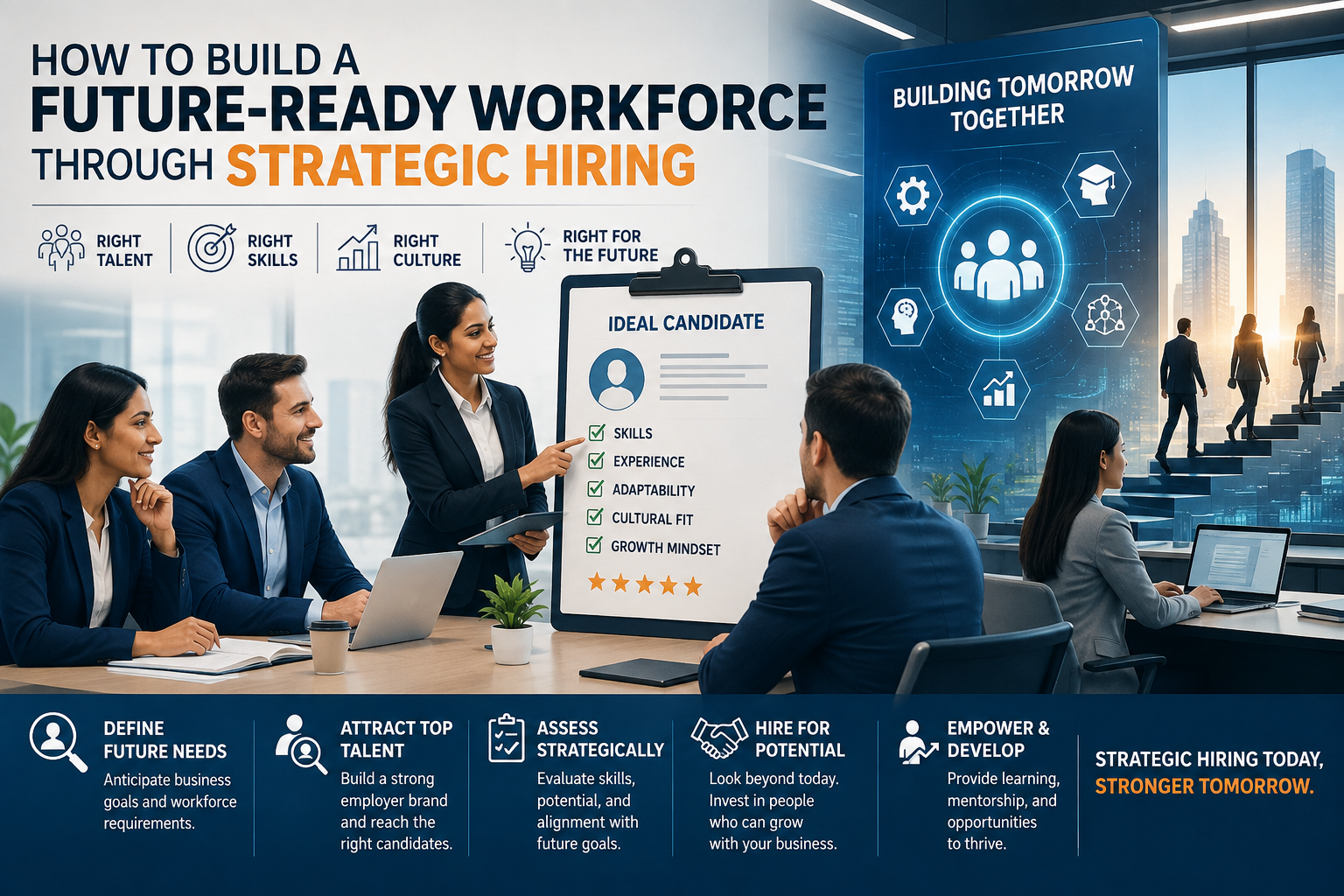
In today's competitive job market, having a well-defined recruitment process is essential for organizations looking to attract and retain top talent. The recruitment process encompasses everything from identifying the need for a new hire to successfully onboarding the new employee. In this blog, we will explore the various stages of the talent acquisition process and provide insights into the employee recruitment workflow that can ensure your hiring process is efficient and effective.
Understanding the Recruitment Process
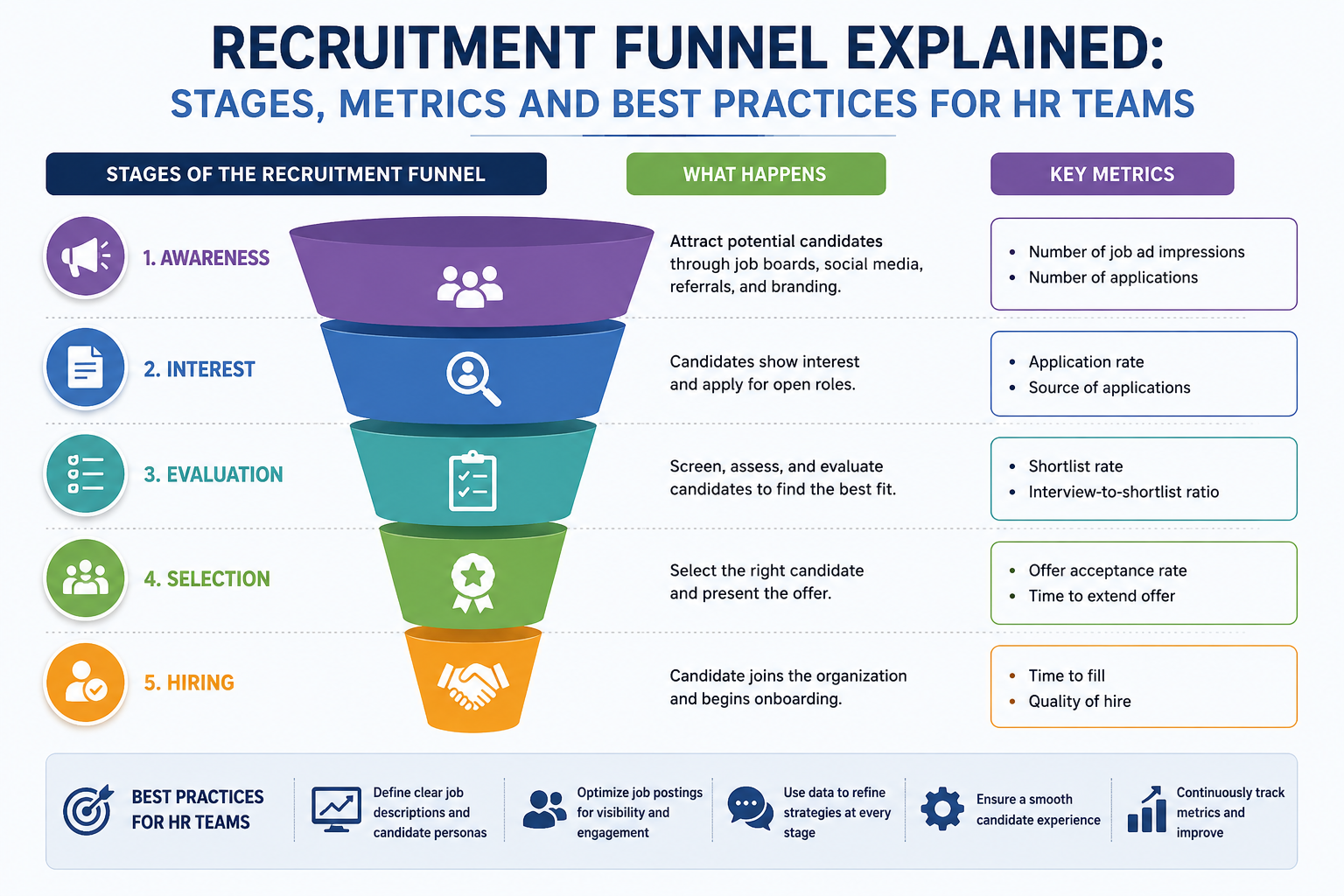
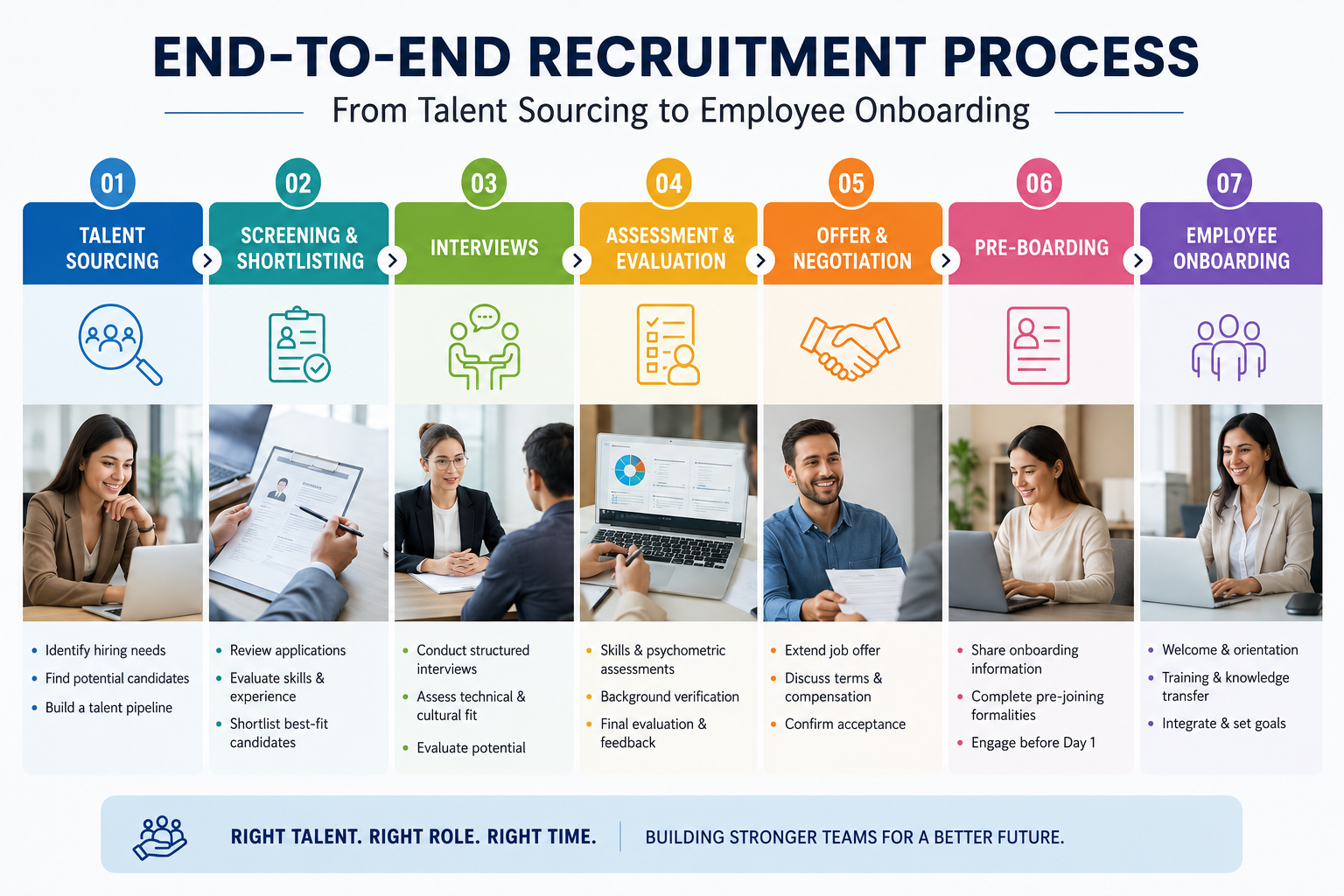
The recruitment process consists of multiple steps that aim to identify, attract, and hire the best candidates for specific roles within an organization. Each stage is critical in ensuring that the right talent is selected, which ultimately contributes to the overall success of the company.
1. Identifying the Hiring Need
The first step in the hiring process is recognizing the need for a new hire. This could be due to various reasons such as expansion, employee turnover, or the introduction of new projects. It is crucial to analyze the skills and qualifications required for the role to ensure the right candidate is sought.
2. Creating a Job Description
Once the hiring need is identified, the next step is to create a detailed job description. This document should outline the responsibilities, required skills, qualifications, and experience needed for the role. A well-crafted job description is not only essential for attracting the right talent but also sets clear expectations for potential candidates.
3. Sourcing Candidates
With a job description in hand, it's time to start sourcing candidates. This can be done through various channels, including:
Utilizing a mix of these sources can increase the reach and diversity of your candidate pool, ensuring that you attract a wide range of talent.
4. Screening Applications
Once applications start coming in, the next step is to screen them effectively. This involves reviewing resumes and cover letters to shortlist candidates who meet the essential criteria outlined in the job description. Tools like Applicant Tracking Systems (ATS) can streamline this process and help identify the most suitable candidates quickly.
5. Conducting Interviews
After screening, it’s time to conduct interviews. This is a critical part of the employee recruitment workflow, as it allows you to assess a candidate's skills, experience, and cultural fit. Consider using a mix of interview types, such as:
Each format has its advantages, and using a combination can help you understand candidates better.
6. Assessments and Testing
Depending on the role, you may want to include assessments or tests as part of the hiring process. These can be technical tests, personality assessments, or situational judgment tests. This step provides additional insight into a candidate's capabilities and helps you make more informed hiring decisions.
7. Making an Offer
Once you have identified the ideal candidate, it’s time to extend a job offer. The offer should include details such as salary, benefits, and other terms of employment. It’s essential to communicate clearly to avoid misunderstandings.
8. Employee Onboarding Process
The final step in the end-to-end hiring process is the employee onboarding process. Onboarding plays a crucial role in ensuring that new hires feel welcomed, informed, and equipped to succeed in their roles. A comprehensive onboarding program should include:
Effective onboarding can significantly impact employee retention and satisfaction, making it a vital part of the recruitment process.
Benefits of a Well-Defined Recruitment Process
A well-structured recruitment process offers numerous advantages, including:
Conclusion
The recruitment process is a vital component of talent acquisition that can make or break an organization. By following the structured recruitment process steps outlined above, companies can enhance their hiring strategies and attract top talent. Remember that the journey doesn’t end with hiring; investing in a robust employee onboarding process is equally important for long-term success.
FAQs
What is the recruitment process?
The recruitment process refers to the series of steps involved in attracting, selecting, and hiring candidates for job openings within an organization.
What are the key steps in the talent acquisition process?
The key steps include identifying hiring needs, creating job descriptions, sourcing candidates, screening applications, conducting interviews, making job offers, and onboarding new employees.
Why is employee onboarding important?
Employee onboarding is crucial as it helps new hires acclimate to the company culture, understand their roles better, and improves retention rates.
How can I improve my recruitment process?
To improve your recruitment process, consider leveraging technology, enhancing your employer brand, providing a positive candidate experience, and focusing on effective onboarding.
Call to Action
Are you ready to streamline your recruitment process and attract top talent? Contact us today for expert assistance in enhancing your employee recruitment workflow! Let’s work together to build a winning team that drives your organization forward.