

In today's fast-paced corporate environment, effective project risk management is crucial for the success of any project. Companies in India, ranging from startups to established enterprises, face numerous risks that can derail progress and impact profitability. Understanding how to identify and control these risks is essential for ensuring that projects are completed on time and within budget.
What is Project Risk Management?
Project risk management involves the processes of identifying, assessing, and controlling risks that could potentially affect a project’s success. Risks can arise from various sources, including technical challenges, resource availability, and external factors such as regulatory changes or market fluctuations. By prioritizing risk management, organizations can minimize potential setbacks and enhance their chances of achieving project objectives.
The Importance of a Risk Assessment Matrix
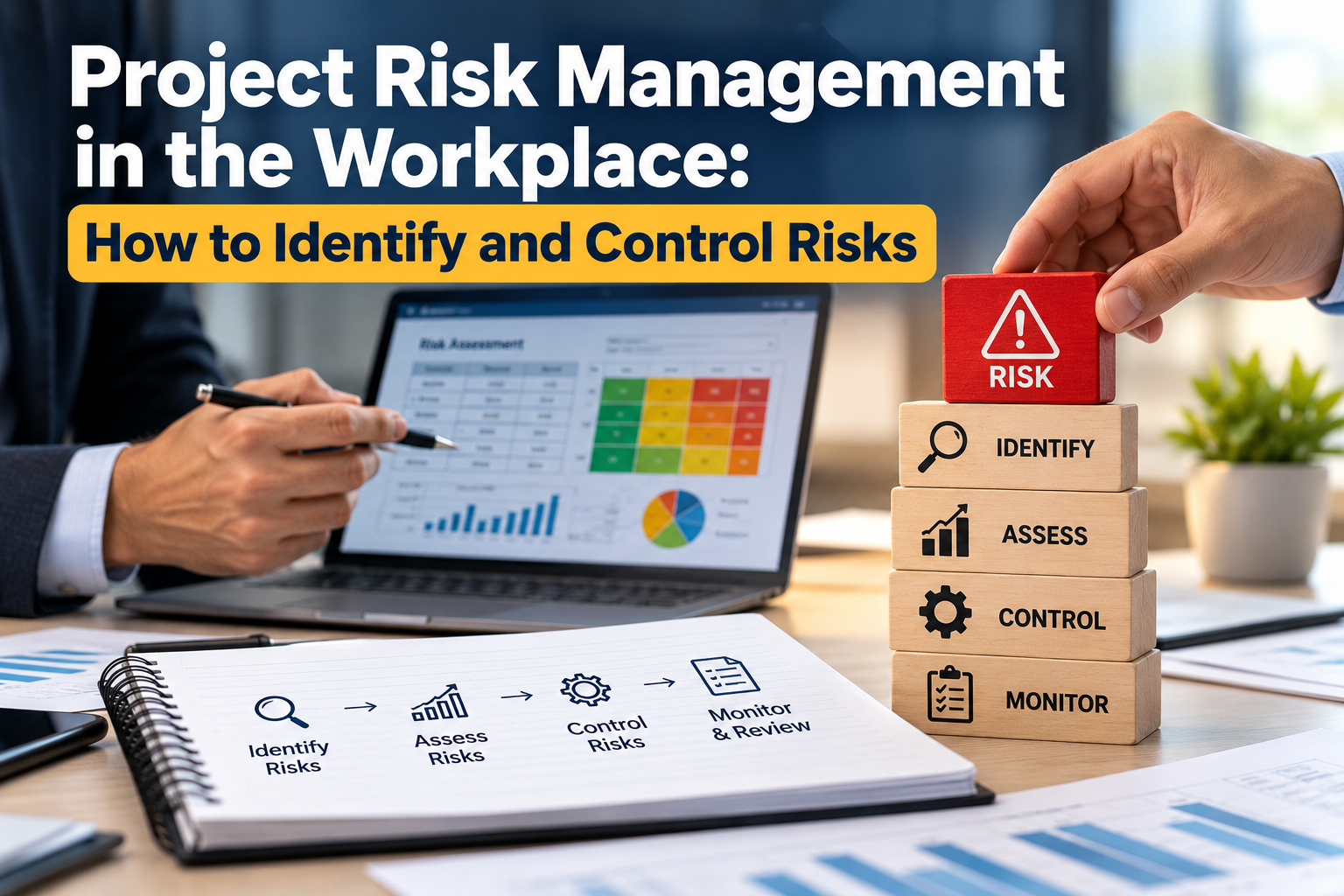
A risk assessment matrix is a vital tool in project risk management. This matrix allows project managers to evaluate the likelihood and impact of potential risks, providing a visual representation that helps in prioritizing risks effectively. Here’s how a risk assessment matrix works:
By plotting risks on this matrix, project teams can focus on those that pose the greatest threat to project success. This not only aids in effective planning but also fosters proactive risk mitigation strategies.
Steps to Identify and Control Risks in Projects
1. Risk Identification
The first step in project risk management is identifying potential risks. This can be done through brainstorming sessions, expert interviews, and historical data analysis. Common areas to explore include:
2. Risk Analysis
Once risks are identified, the next step is analyzing them using a risk assessment matrix. Categorize each risk based on its likelihood and impact. This helps in understanding which risks require immediate attention and which can be monitored over time.
3. Risk Prioritization
After analyzing the risks, prioritize them based on their potential impact on the project. Focus your efforts on high-impact, high-likelihood risks first. This ensures that you’re addressing the most critical threats to your project’s success.
4. Developing a Risk Management Plan
A comprehensive risk management plan outlines how identified risks will be managed. This plan should include:
5. Creating a Project Risk Register Template
Utilizing a project risk register template is a great way to document and track risks systematically. A typical risk register includes:
This register serves as a living document that evolves with the project, ensuring that all team members are on the same page regarding risks and their management.
Best Practices for Effective Project Risk Management
FAQs About Project Risk Management
What is the goal of project risk management?
The primary goal of project risk management is to identify, assess, and mitigate risks to ensure that project objectives are met without significant disruptions or losses.
How often should risks be reviewed?
Risks should be reviewed regularly, especially at key project milestones, during project meetings, or whenever there are significant changes in project scope or resources.
What tools can assist in project risk management?
Various tools can aid in project risk management, including risk assessment matrices, risk registers, project management software, and specific risk management tools like Monte Carlo simulations.
Conclusion
Incorporating effective project risk management practices into your workplace can significantly enhance your project’s chances of success. By identifying and controlling risks early on, teams can avoid potential pitfalls and stay on track. Utilizing tools such as a project risk register template and a risk assessment matrix can help streamline this process and ensure that all team members are aligned in their efforts.
For companies looking to enhance their project risk management capabilities, it’s essential to foster a culture of proactive risk management. This not only prepares teams to handle challenges but also positions organizations for sustainable growth in a competitive marketplace.
Call to Action
Are you ready to take your project risk management to the next level? Download our free project risk register template today and start identifying and controlling risks effectively! Don't leave your project's success to chance; plan ahead and mitigate risks like a pro!