

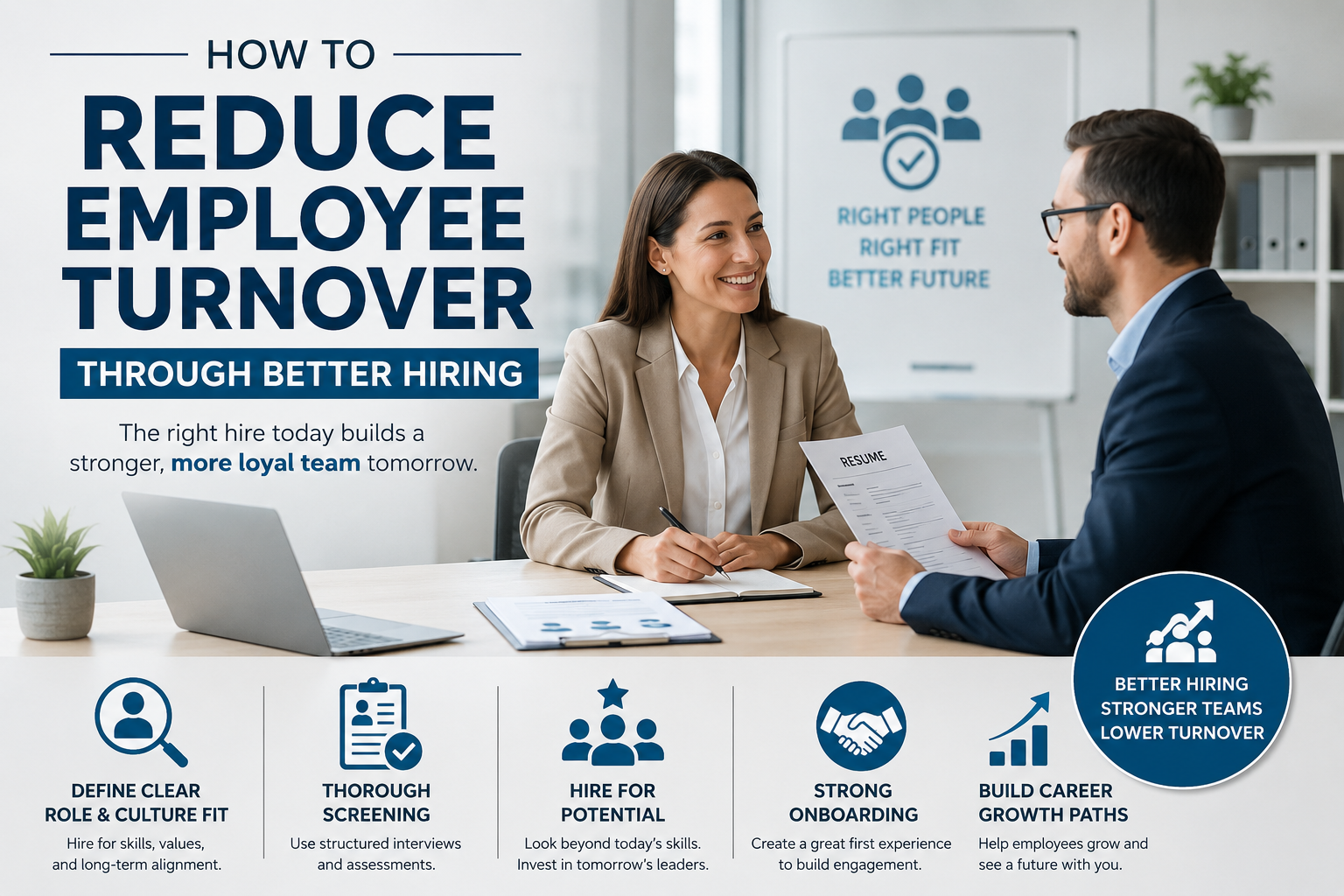

In today's competitive job market, employee retention has become a pressing concern for businesses across India. High turnover rates not only disrupt operations but also lead to increased recruitment costs and diminished morale among remaining employees. One of the most effective strategies to reduce employee turnover is by focusing on quality hiring. This blog will explore how to improve your recruitment strategy to ensure you attract and retain the right talent.
Understanding Employee Turnover
Before diving into effective hiring strategies, it's essential to understand what employee turnover means. Employee turnover refers to the rate at which employees leave a company and are replaced. High turnover can indicate dissatisfaction, lack of growth opportunities, or poor company culture. For Indian businesses, where the talent pool is vast yet competitive, retaining skilled employees is crucial for sustainable growth.
The Importance of Quality Hiring
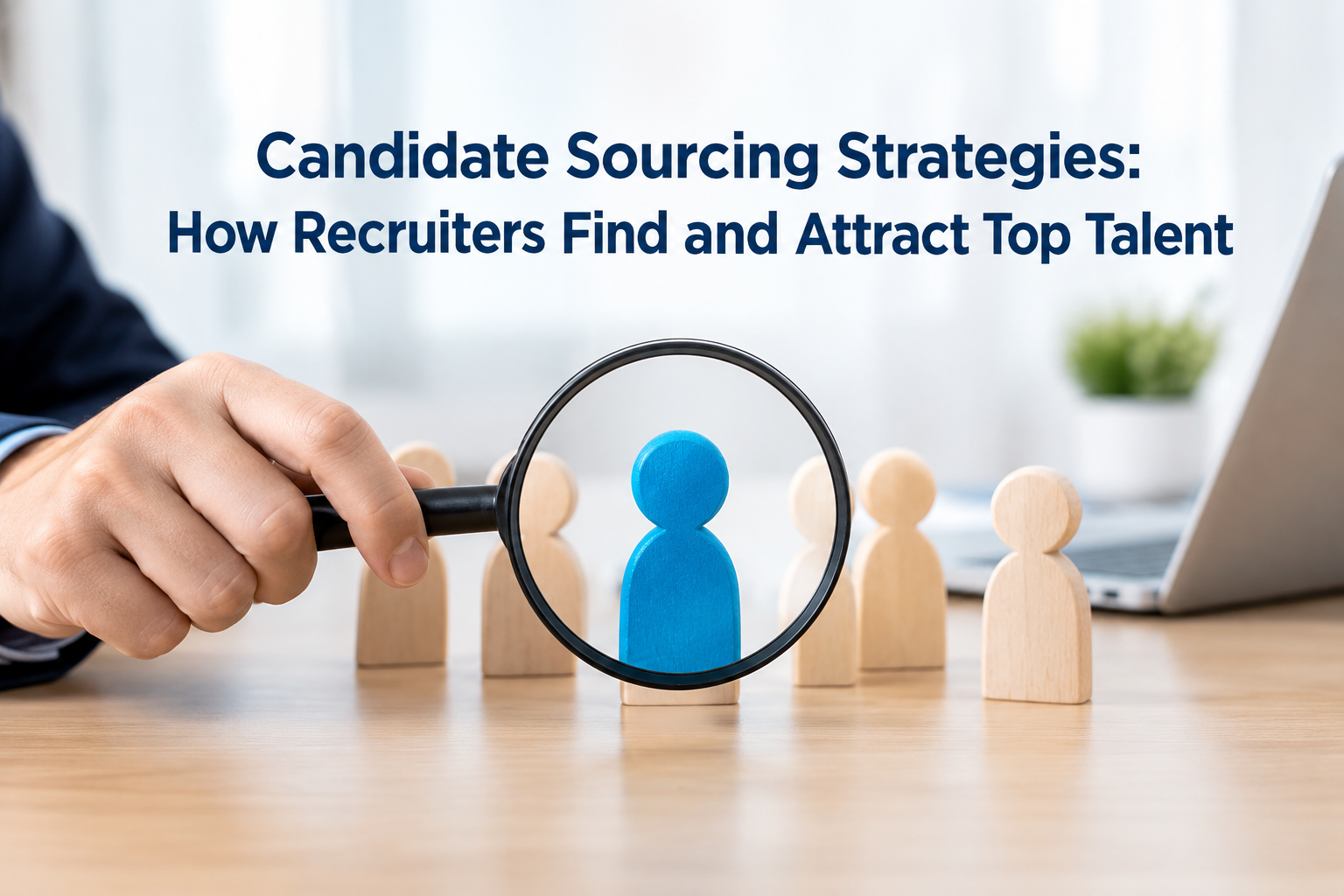
Quality hiring is about more than just filling positions. It involves finding candidates who not only possess the necessary skills but also align with your company's values and culture. When the right people are in the right roles, job satisfaction increases, leading to higher talent retention. Here are some tips to enhance your hiring process:
1. Define Clear Job Descriptions
Start with well-defined job descriptions that clearly outline the responsibilities and expectations of the role. This helps potential candidates understand what is required and ensures that you attract individuals who are genuinely interested and capable of fulfilling the role.
2. Focus on Cultural Fit
Assessing a candidate's cultural fit is as important as their skills. During the interview process, ask questions that reveal their values, work style, and attitude toward teamwork. A candidate who resonates with your company culture is more likely to stay long-term.
3. Implement a Structured Interview Process
A structured interview process reduces bias and improves the quality of your hiring decisions. Use standardized questions and evaluation criteria for all candidates. This approach ensures that you are comparing candidates on an equal footing, which can lead to better hires.
4. Utilize Behavioral Assessments
Incorporate behavioral assessments in your hiring process. These assessments can provide insights into how candidates have handled situations in the past, which can be indicative of their future behavior in your organization. Understanding a candidate's problem-solving skills and interpersonal dynamics can help you select the right fit.
5. Promote from Within
Whenever possible, consider promoting from within your organization. This approach not only boosts employee morale but also encourages loyalty. Employees who see a clear path for advancement are more likely to stay and contribute to your company's success.
Creating a Positive Onboarding Experience
Once you have made a hire, the next step is to ensure a smooth onboarding process. A positive onboarding experience can significantly impact an employee's long-term satisfaction and commitment.
1. Provide Comprehensive Training
Invest time and resources in training your new hires. Comprehensive training not only equips them with the necessary skills but also helps them feel valued and prepared to take on their roles. Make sure they understand the company's mission, values, and their role within the larger context.
2. Foster Relationships
Encourage new employees to build relationships with their coworkers. Assigning mentors or buddies can help newcomers integrate into the team more quickly. Strong interpersonal relationships can enhance job satisfaction and reduce the likelihood of turnover.
3. Set Clear Expectations
Ensure that new hires understand what is expected of them in their roles. Regular check-ins during the initial months can provide opportunities for feedback, allowing new employees to voice concerns or seek clarification. This proactive approach can mitigate potential issues before they escalate.
Continuous Engagement and Development
Even after the hiring and onboarding phases, continuous engagement is essential for talent retention. Employees should feel that they are growing and developing within their roles.
1. Offer Professional Development Opportunities
Encourage your employees to pursue professional growth through workshops, courses, or certifications. By investing in their development, you demonstrate a commitment to their future, which can significantly enhance retention rates.
2. Provide Regular Feedback
Constructive feedback is crucial for employee growth. Implement regular performance reviews where employees can receive feedback on their work and discuss their career aspirations. This practice not only helps employees improve but also shows them that their contributions are valued.
3. Cultivate a Positive Work Environment
A positive work environment fosters employee happiness and retention. Encourage open communication, recognize achievements, and promote work-life balance. Employees who feel valued and supported are less likely to seek opportunities elsewhere.
Measuring and Adapting Your Recruitment Strategy
To effectively reduce employee turnover, it is vital to measure the success of your recruitment strategy. Gather data on turnover rates, employee satisfaction surveys, and exit interviews. Analyzing this information can help you identify patterns and areas for improvement.
1. Analyze Turnover Rates
Keep track of your turnover rates and understand the reasons behind employee departures. This information can help you pinpoint weaknesses in your hiring process and make necessary adjustments.
2. Seek Employee Feedback
Regularly solicit feedback from current employees about their experience within the organization. This practice can provide insights into areas that may need improvement and help you refine your recruitment strategy.
FAQs
What are the main reasons for high employee turnover?
High turnover can often be attributed to factors such as lack of growth opportunities, poor management, inadequate compensation, and a negative work culture.
How can I improve my company's culture to retain employees?
Improving company culture starts with promoting open communication, recognizing employee achievements, and fostering an inclusive environment where everyone feels valued.
What role does onboarding play in employee retention?
Effective onboarding provides new hires with the tools, support, and relationships they need to succeed, significantly reducing the likelihood of early turnover.
Is it beneficial to promote from within the organization?
Yes, promoting from within can enhance employee morale, as it shows that the company values its employees and is committed to their growth.
Conclusion
Reducing employee turnover through better hiring practices is not just a single-step process; it requires a commitment to continuously refine your recruitment strategy and to foster an environment where employees feel valued and engaged. By focusing on quality hiring, providing a positive onboarding experience, and encouraging ongoing development, businesses can significantly enhance employee retention and create a thriving workplace.
Are you ready to transform your hiring process and improve your employee retention rates? Start implementing these strategies today and watch your organization flourish!
Call to Action: If you found this blog helpful, consider subscribing to our newsletter for more insights on improving your recruitment strategy and enhancing employee retention!