Latest Post

Quality Management Courses




In today's competitive business landscape, call centers play a crucial role in delivering exceptional customer service. However, many call centers face challenges such as long wait times and inefficient processes. This is where Lean Six Sigma comes into play. By implementing Lean Six Sigma methodologies, call centers can enhance their efficiency, improve customer satisfaction, and ultimately drive business success. In this blog, we will explore how Lean Six Sigma can be effectively applied in call centers to improve customer service and reduce wait times.
Understanding Lean Six Sigma
Before diving into its application in call centers, it's essential to understand what Lean Six Sigma is. Lean Six Sigma is a combination of two methodologies: Lean and Six Sigma. Lean focuses on eliminating waste and optimizing processes, while Six Sigma aims to reduce variation and improve quality. Together, they create a powerful framework for process improvement.
What is Lean?
Lean methodology emphasizes maximizing customer value while minimizing waste. In a call center context, this means identifying and eliminating non-value-added activities that can slow down service delivery.
What is Six Sigma?
Six Sigma is a data-driven approach that aims to improve the quality of a process by identifying and removing the causes of defects. In a call center, this translates to reducing errors and ensuring customer interactions meet high-quality standards.
Benefits of Lean Six Sigma in Call Centers
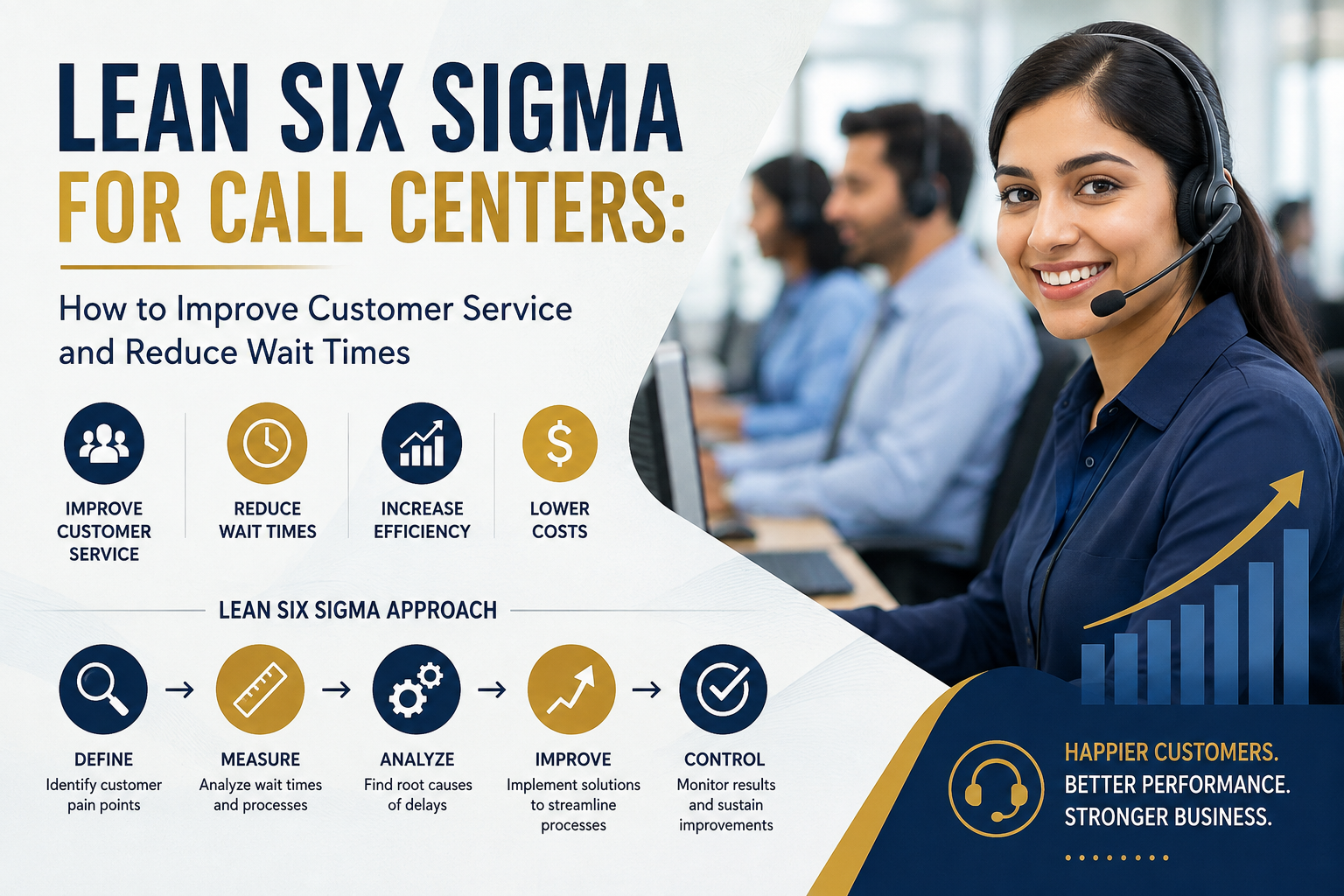
Implementing Lean Six Sigma in call centers can lead to significant improvements in various areas:
Steps to Implement Lean Six Sigma in Call Centers
Implementing Lean Six Sigma in your call center requires a structured approach. Here are the key steps to follow:
1. Define the Problem
The first step is to clearly define the problems you face in your call center. Are customers experiencing long wait times? Is there a high rate of call drops? Identifying the specific issues will guide your improvement efforts.
2. Measure Current Performance
Gather data on current call center performance to understand the baseline. This can include metrics such as average wait time, call resolution rate, and customer satisfaction scores. This data will help you identify areas for improvement.
3. Analyze the Data
Use tools such as root cause analysis to determine the underlying causes of the problems you've identified. This analysis should focus on both processes and people to ensure a comprehensive understanding of where improvements are needed.
4. Improve Processes
Once you have identified the root causes, it's time to implement changes. This could involve redesigning processes to eliminate waste, improving training for staff, or adopting new technologies that enhance efficiency. For instance, utilizing an advanced call routing system can significantly reduce wait times.
5. Control and Sustain Improvements
Establish control measures to ensure that the improvements are sustained over time. This could involve regular monitoring of key performance indicators (KPIs) and conducting periodic reviews of processes. Continuous improvement should be a core part of your call center culture.
Lean Six Sigma Tools for Call Center Process Improvement
Several tools can help streamline the Lean Six Sigma process within your call center:
1. Value Stream Mapping
This tool helps visualize the flow of information and materials in your call center. By mapping out the current state, you can identify areas of waste and inefficiency.
2. 5S Methodology
5S stands for Sort, Set in order, Shine, Standardize, and Sustain. This methodology can be applied to organize the work environment in your call center, leading to improved efficiency.
3. DMAIC Framework
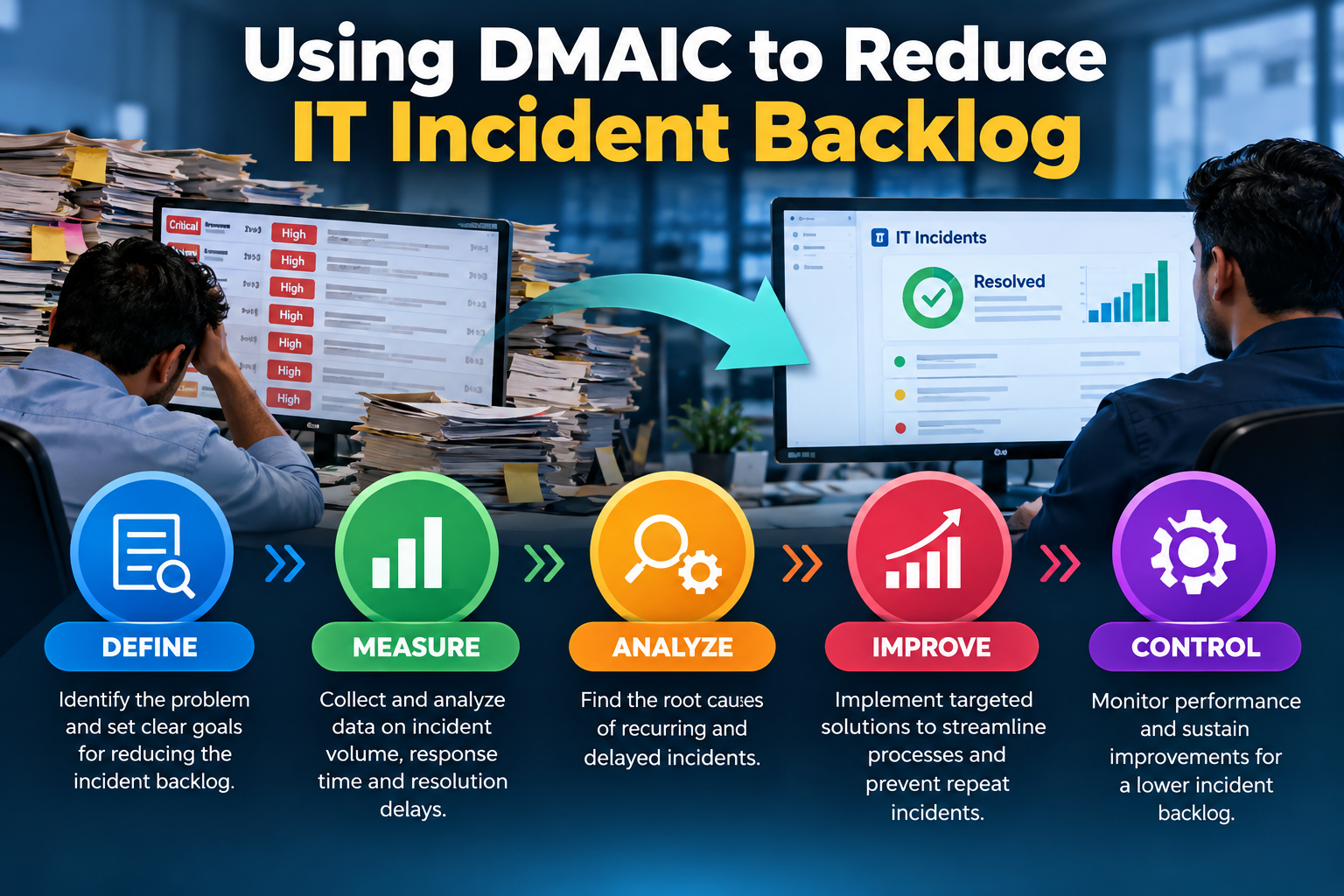
The DMAIC framework (Define, Measure, Analyze, Improve, Control) is a structured approach for problem-solving in Six Sigma. It provides a roadmap for addressing issues effectively.
4. Kaizen
Kaizen is a Japanese term that means continuous improvement. Encouraging a culture of Kaizen in your call center can lead to ongoing enhancements in processes and service delivery.
Case Study: Successful Implementation of Lean Six Sigma in a Call Center
To illustrate the effectiveness of Lean Six Sigma, let’s look at a case study of an Indian call center that implemented these methodologies.
The call center, handling customer support for a major telecom provider, faced challenges with high call volumes resulting in long wait times and low customer satisfaction scores. By applying Lean Six Sigma principles, the management team:
As a result, the call center reduced average wait times by 30% and saw a significant increase in customer satisfaction scores, demonstrating the power of Lean Six Sigma in call center efficiency and customer service process improvement.
FAQs
What is the primary goal of Lean Six Sigma in call centers?
The primary goal is to improve customer service by optimizing processes and reducing wait times, thereby enhancing overall call center efficiency.
How can Lean Six Sigma help reduce call center wait time?
By identifying and eliminating waste in processes, Lean Six Sigma helps streamline operations, allowing customers to connect with agents faster and reducing overall wait times.
Is Lean Six Sigma applicable to all call centers?
Yes, Lean Six Sigma can be tailored to fit the unique needs of any call center, regardless of size or industry, making it a versatile approach to process improvement.
How long does it take to see results from Lean Six Sigma implementation?
While results can vary based on the complexity of the issues being addressed, many call centers start to see improvements within a few months of implementing Lean Six Sigma methodologies.
Conclusion
Incorporating Lean Six Sigma in call centers is not just a trend; it's a necessity for businesses looking to thrive in a competitive environment. By focusing on process improvement and customer service excellence, call centers can reduce wait times, enhance efficiency, and ultimately boost customer satisfaction. If you're ready to take your call center operations to the next level, consider implementing Lean Six Sigma methodologies today!
Call to Action: Are you looking to improve your call center's efficiency and customer service? Contact us today to learn how we can help you implement Lean Six Sigma strategies tailored to your needs!