
Latest Post

Quality Management Courses



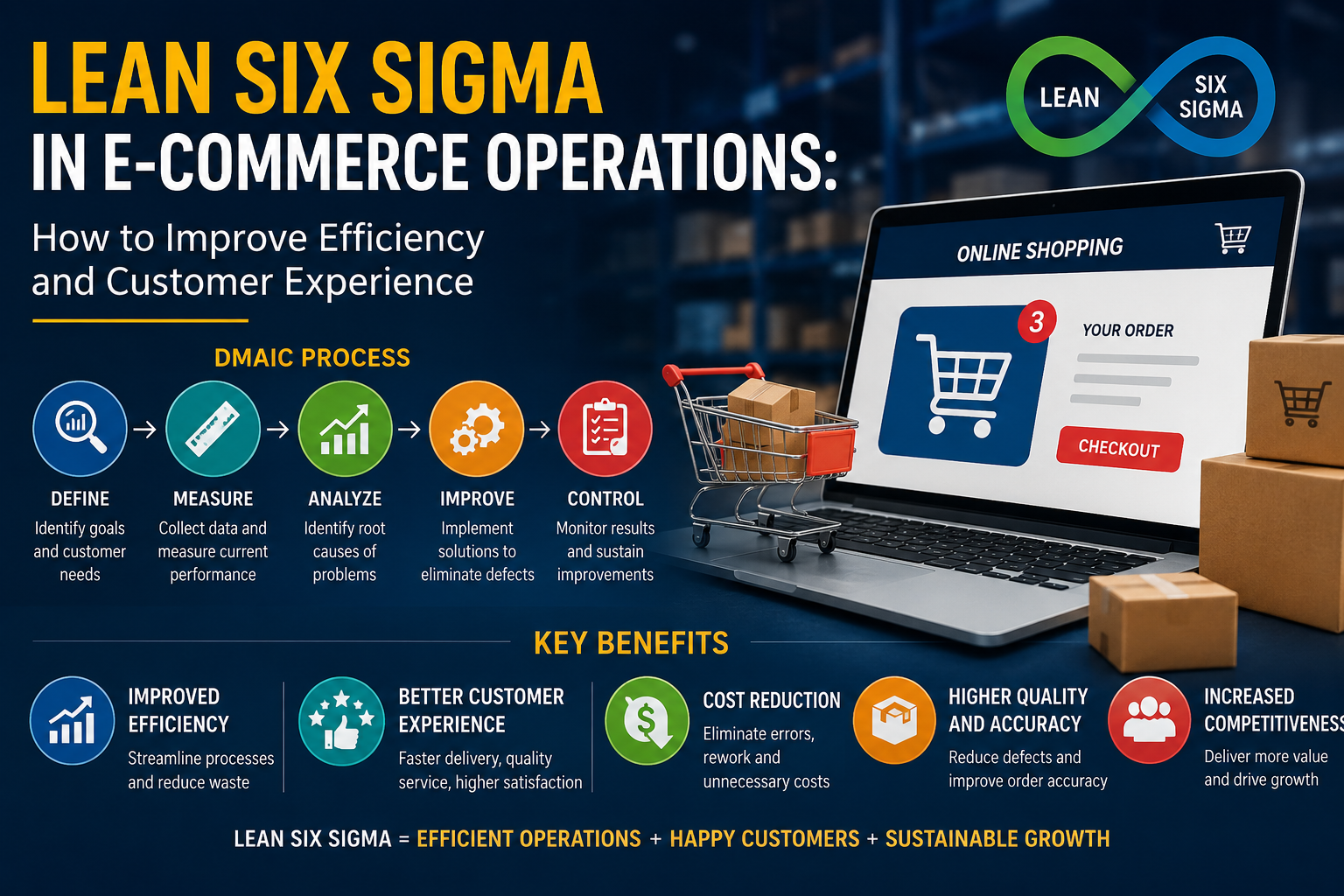

In the fast-paced world of e-commerce, where customer expectations are continually rising, businesses need to adopt effective methodologies to streamline their operations. One such proven approach is Lean Six Sigma in e-commerce. This combination of lean manufacturing principles and Six Sigma quality management provides powerful tools for e-commerce process improvement and enhances overall e-commerce efficiency.
Understanding Lean Six Sigma
Before diving into its application in the e-commerce sector, let’s briefly understand what Lean Six Sigma entails. Lean focuses on eliminating waste and improving workflow, while Six Sigma aims to reduce defects and enhance quality. Together, they create a robust framework for improving processes, which is critical in e-commerce operations management.
The Need for Lean Six Sigma in E-Commerce
The e-commerce landscape in India is rapidly evolving. With increased competition and rising customer expectations, businesses must optimize their operations to stay ahead. Implementing Lean Six Sigma in e-commerce can lead to significant improvements in efficiency, quality, and customer satisfaction.
Key Areas of E-Commerce Process Optimization
Let’s explore how Lean Six Sigma can be applied to various aspects of e-commerce process optimization:
1. Inventory Management
Efficient inventory management is crucial for e-commerce businesses. Lean Six Sigma practices can help identify inefficiencies in inventory turnover and reduce stock-outs or overstock situations. By analyzing data and streamlining processes, businesses can ensure that they maintain optimal inventory levels, reducing costs associated with excess stock and improving cash flow.
2. Order Fulfillment
In e-commerce, timely order fulfillment is a key factor in customer satisfaction. Implementing Lean Six Sigma can help eliminate delays in the order processing cycle. By mapping out the fulfillment process, businesses can identify bottlenecks and implement solutions to reduce lead times, ultimately enhancing the customer experience.
3. Customer Service
Customer service is often the first point of contact with customers and plays a pivotal role in their overall experience. Lean Six Sigma methodologies can help streamline customer service processes by reducing response times and improving resolution rates. By focusing on the root causes of service issues, businesses can enhance their service quality and foster greater customer loyalty.
4. Website Performance
A seamless online shopping experience is essential for e-commerce success. Lean Six Sigma can be applied to optimize website performance by analyzing user behavior and identifying areas for improvement. Faster loading times, intuitive navigation, and a streamlined checkout process can significantly enhance user experience and reduce cart abandonment rates.
Implementing Lean Six Sigma in Your E-Commerce Business
To effectively implement Lean Six Sigma in e-commerce operations, consider the following steps:
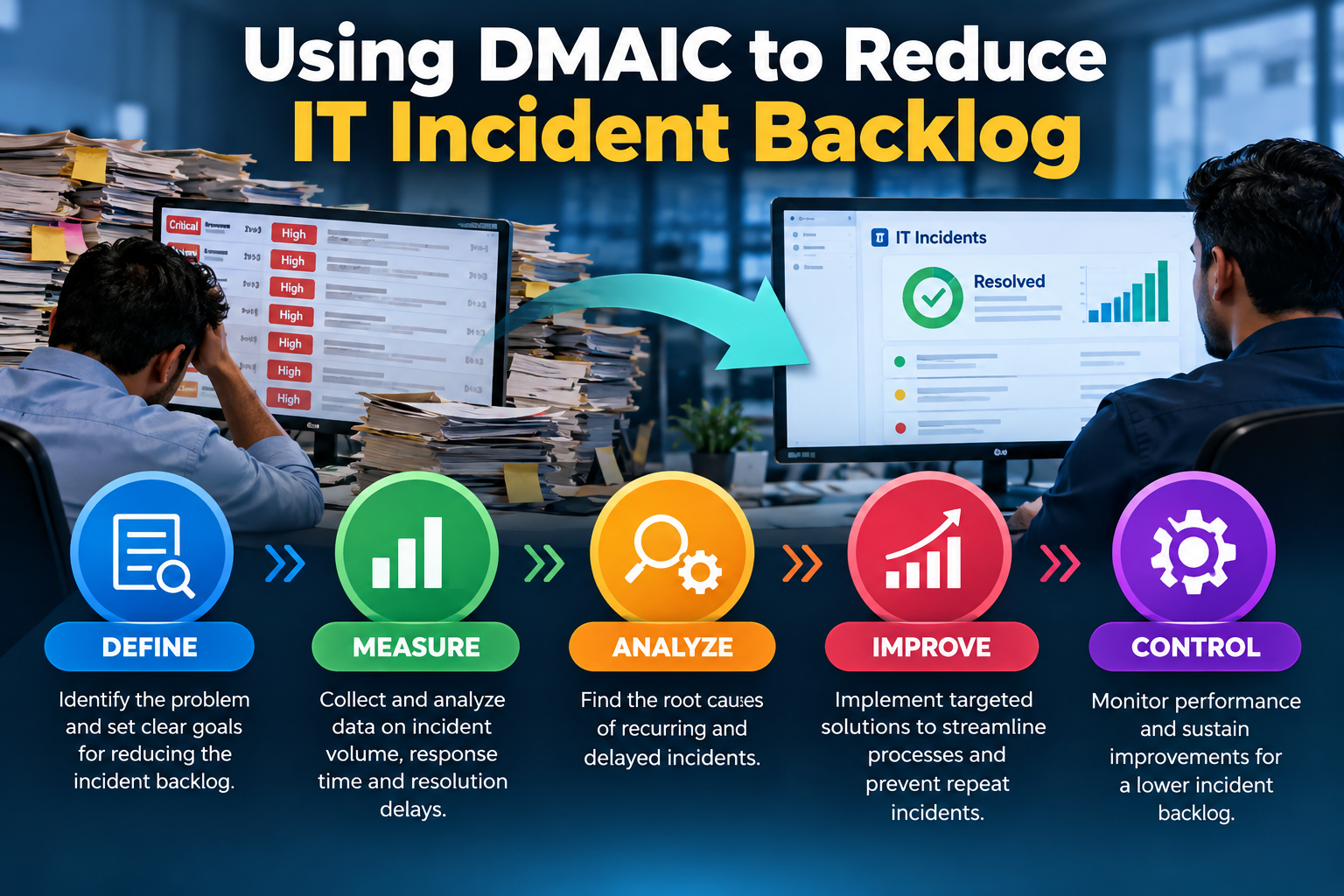
1. Define Goals
Establish clear objectives for what you wish to achieve through ecommerce process improvement. Whether it’s reducing costs, improving customer satisfaction, or increasing order accuracy, having defined goals will guide your efforts.
2. Measure Current Performance
Gather data on your existing processes to understand your current performance levels. This measurement phase is crucial for identifying areas that need improvement and setting benchmarks for future performance.
3. Analyze Processes
Utilize data analysis tools to assess your e-commerce processes. Look for patterns and root causes of inefficiencies or defects. This analysis will help you pinpoint the most critical areas to address.
4. Improve Processes
Based on your analysis, develop and implement strategies to improve your e-commerce operations. This may include process redesign, employee training, or technology upgrades to enhance efficiency.
5. Control and Sustain Improvements
After implementing changes, it’s essential to monitor their effectiveness continuously. Establish performance metrics to ensure that improvements are sustainable. Regular audits and feedback loops can help maintain efficiency over time.
Benefits of Lean Six Sigma in E-Commerce
Implementing Lean Six Sigma in your e-commerce business can lead to numerous benefits, including:
Case Studies: Lean Six Sigma Success in E-Commerce
Numerous e-commerce companies have successfully implemented Lean Six Sigma methodologies to achieve remarkable results:
Case Study 1: Flipkart
Flipkart, one of India’s leading e-commerce platforms, utilized Lean Six Sigma principles to optimize its supply chain. By analyzing data and eliminating process inefficiencies, they significantly reduced delivery times while improving customer satisfaction ratings.
Case Study 2: Amazon India
Amazon employs Lean Six Sigma practices across its operations to streamline logistics and improve customer service. Their commitment to process optimization has resulted in lower operational costs and enhanced customer experiences.
FAQs About Lean Six Sigma in E-Commerce
1. What is Lean Six Sigma?
Lean Six Sigma is a methodology that combines lean manufacturing principles and Six Sigma quality management to improve processes by eliminating waste and reducing defects.
2. How can Lean Six Sigma improve e-commerce operations?
By identifying inefficiencies and streamlining processes, Lean Six Sigma can enhance operational efficiency, reduce costs, and improve customer satisfaction in e-commerce.
3. What are the key benefits of implementing Lean Six Sigma in e-commerce?
Key benefits include increased efficiency, enhanced customer experience, cost savings, and data-driven decision-making.
4. Is Lean Six Sigma suitable for small e-commerce businesses?
Yes, Lean Six Sigma can be tailored to fit businesses of all sizes, helping small e-commerce companies optimize their operations effectively.
Conclusion
In today’s competitive e-commerce landscape, adopting methodologies like Lean Six Sigma can provide businesses with a significant edge. By focusing on ecommerce process optimization, organizations can enhance their operational efficiency and customer experience, leading to increased loyalty and profitability. If you're looking to transform your e-commerce operations, consider implementing Lean Six Sigma today!
Call to Action
Ready to take your e-commerce business to the next level? Contact us today to learn how we can help you implement Lean Six Sigma methodologies for optimal efficiency and customer satisfaction!