
Latest Post


Quality Management Courses



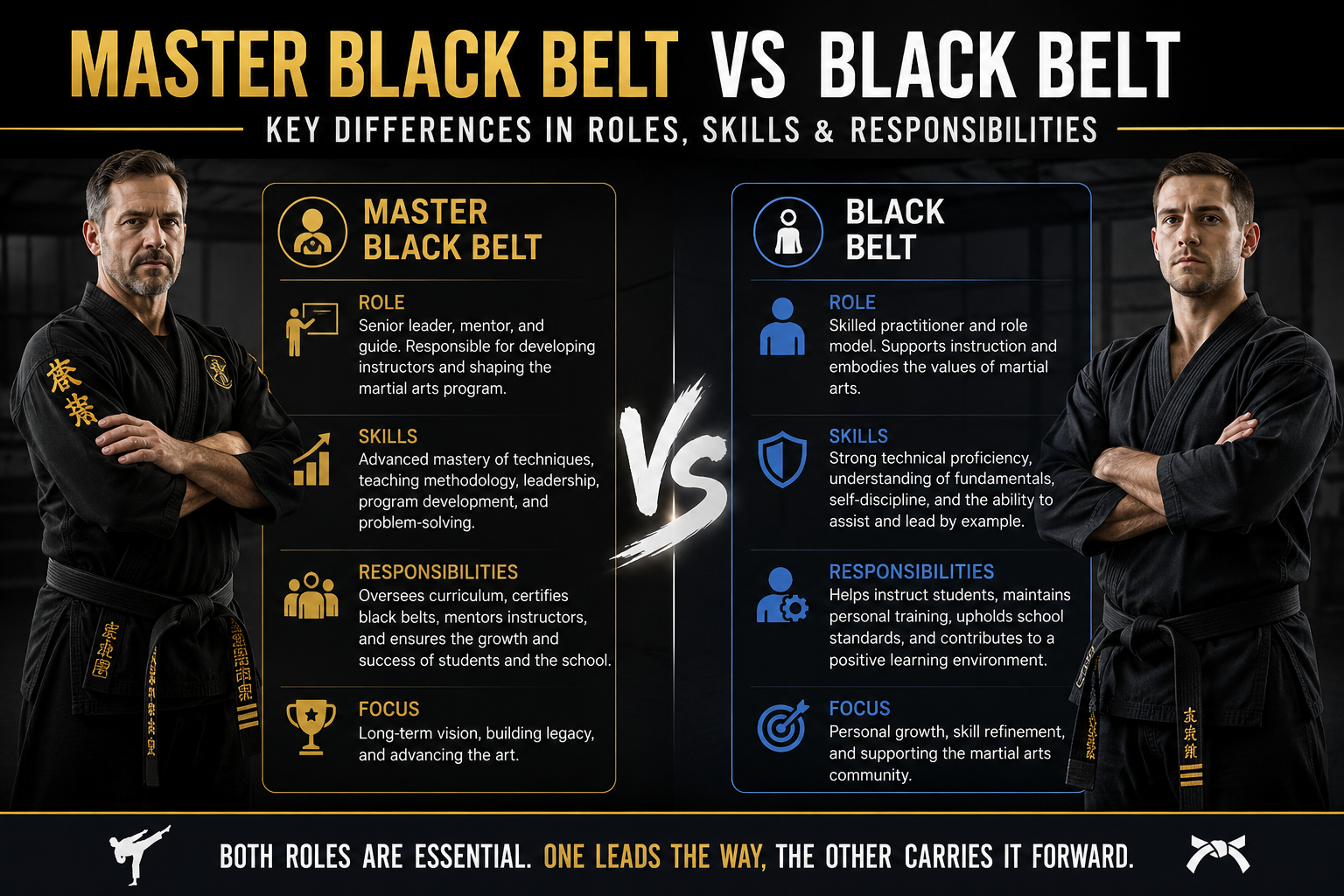

In the realm of Six Sigma, understanding the distinctions between a Master Black Belt and a Black Belt is crucial for organizations aiming to enhance their processes and drive improvement. Both roles are integral to the Six Sigma methodology, but they carry different responsibilities, skill sets, and levels of expertise. This blog will delve into the master black belt vs black belt comparison, focusing on their roles, skills, responsibilities, and the certification hierarchy. By the end, you will have a clear understanding of these two critical positions in Six Sigma.
Understanding Six Sigma: A Brief Overview
Six Sigma is a data-driven approach to improving business processes by reducing defects and variability. It employs a set of quality management methods, including statistical tools, and focuses on process improvement and variation reduction. Six Sigma employs a belt system, akin to martial arts, to denote the expertise and responsibilities of practitioners. This hierarchy includes White Belts, Yellow Belts, Green Belts, Black Belts, and Master Black Belts.
The Certification Hierarchy in Six Sigma
Before diving into the key differences between Master Black Belts and Black Belts, it is essential to understand the Six Sigma certification hierarchy:
Master Black Belt vs Black Belt: Key Differences
1. Roles and Responsibilities
Understanding the distinct roles of Master Black Belts and Black Belts is fundamental:
Master Black Belt Roles
The Master Black Belt is a senior-level position with a strategic focus. Their primary responsibilities include:
Black Belt Roles
Black Belts operate at a tactical level, directly managing Six Sigma projects. Their responsibilities include:
2. Skill Sets
The skill sets required for Master Black Belts and Black Belts differ significantly. Here’s a breakdown:
Master Black Belt Skills
Black Belt Skills
3. Training and Certification
The training paths for Master Black Belts and Black Belts also differ significantly:
Master Black Belt Training
To become a Master Black Belt, an individual usually needs to have:
Black Belt Training
To attain a Black Belt certification, candidates typically need:
Conclusion: Which Path to Choose?
Choosing between pursuing a Master Black Belt or a Black Belt certification largely depends on your career aspirations and the level of responsibility you wish to take on in your organization. If you aim to lead strategic initiatives and mentor others, the Master Black Belt path may be your best bet. Conversely, if you prefer to manage projects and drive process improvements, becoming a Black Belt could be the way forward.
FAQs
1. What is the main difference between Master Black Belt and Black Belt?
The main difference lies in their roles and responsibilities. Master Black Belts focus on strategic initiatives and training, while Black Belts lead projects and manage teams on a tactical level.
2. Can you become a Master Black Belt without being a Black Belt first?
Typically, most certification bodies require candidates to hold a Black Belt certification before pursuing a Master Black Belt. This ensures a foundational understanding of Six Sigma principles.
3. How long does it take to become a Black Belt or Master Black Belt?
Becoming a Black Belt usually takes a few months of training and project experience, while becoming a Master Black Belt may take several years of experience and advanced training.
4. Is Six Sigma certification worth it in India?
Yes, Six Sigma certification is highly valued in India, especially in industries focused on quality improvement, manufacturing, and process management. Certified professionals are often seen as assets to organizations.
Call to Action
Are you ready to enhance your skills in Six Sigma? Whether you are considering a Black Belt or Master Black Belt certification, investing in your professional development can lead to significant career advancements. Explore reputable training programs and take the first step towards mastering Six Sigma today!