

In today's competitive job market, organizations are increasingly realizing the significance of recruitment analytics. As companies strive to attract and retain top talent, utilizing data-driven insights becomes essential for making informed hiring decisions. In this blog, we will explore how HR analytics can enhance recruitment processes, improve hiring outcomes, and ultimately lead to a more effective talent acquisition strategy.
Understanding Recruitment Analytics
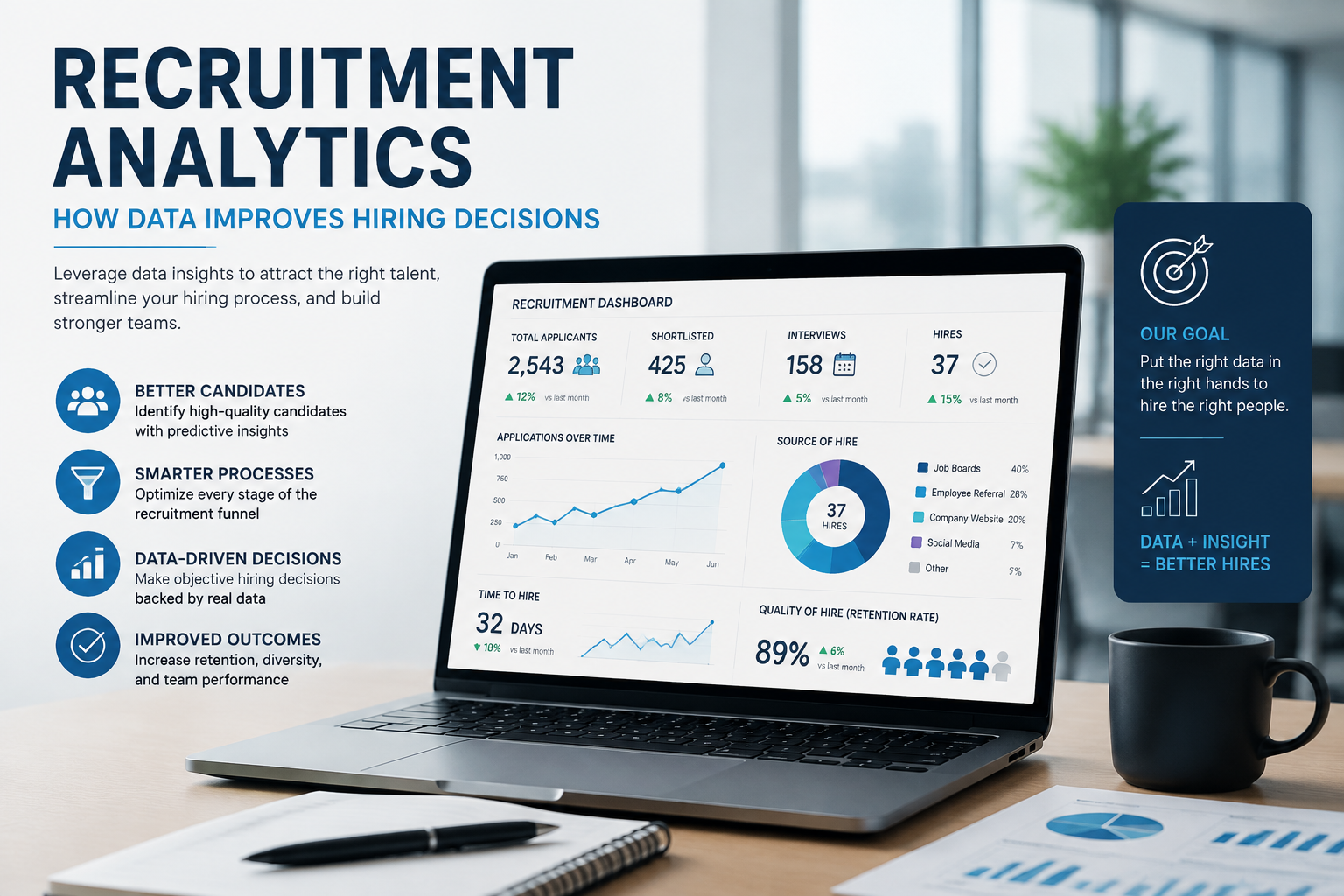
Recruitment analytics refers to the collection, analysis, and interpretation of data related to the hiring process. This includes metrics on candidate sourcing, applicant tracking, and the overall effectiveness of recruitment strategies. By leveraging hiring data, organizations can identify trends, optimize workflows, and make data-driven decisions that align with their business objectives.
Why Recruitment Analytics Matter
In a rapidly evolving job market, relying on intuition alone can lead to costly hiring mistakes. Integrating talent analytics into your recruitment strategy can provide numerous benefits:
1. Improved Candidate Quality
By analyzing past hiring data, organizations can identify the characteristics of successful candidates. This insight allows recruiters to refine their sourcing strategies and focus on attracting individuals who are more likely to excel in the role.
2. Enhanced Efficiency
Recruitment analytics enables organizations to streamline their hiring processes. By measuring the time-to-fill and cost-per-hire metrics, HR teams can identify bottlenecks and make necessary adjustments to improve efficiency.
3. Better Diversity and Inclusion
Data-driven recruitment strategies can help organizations track diversity metrics and ensure that their hiring practices are inclusive. This not only enhances the company culture but also drives innovation and creativity within teams.
4. Informed Decision-Making
Utilizing recruitment metrics allows HR professionals to make decisions based on empirical evidence rather than gut feelings. This leads to better hiring outcomes and minimizes the risk of turnover.
Key Metrics to Track in Recruitment Analytics
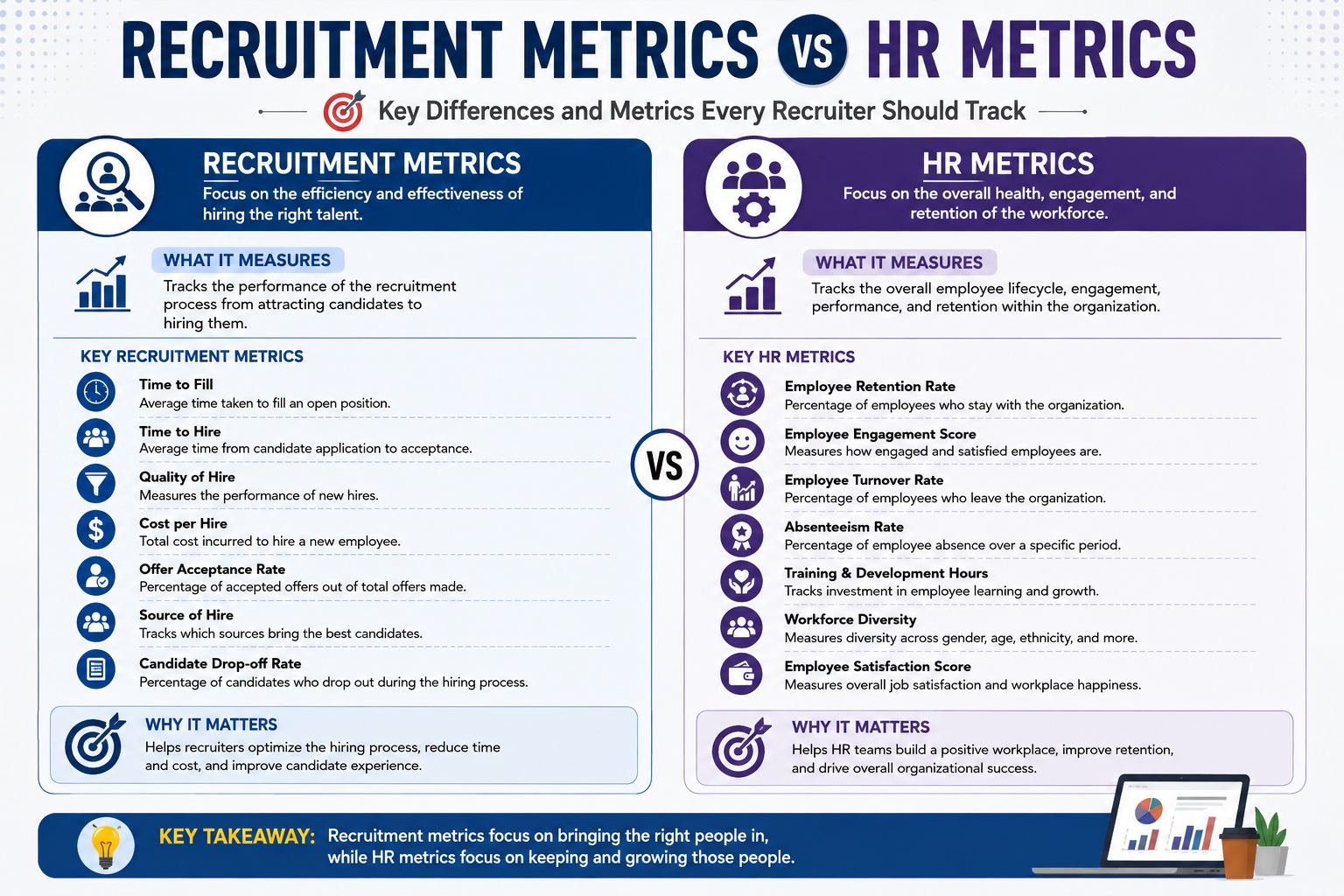
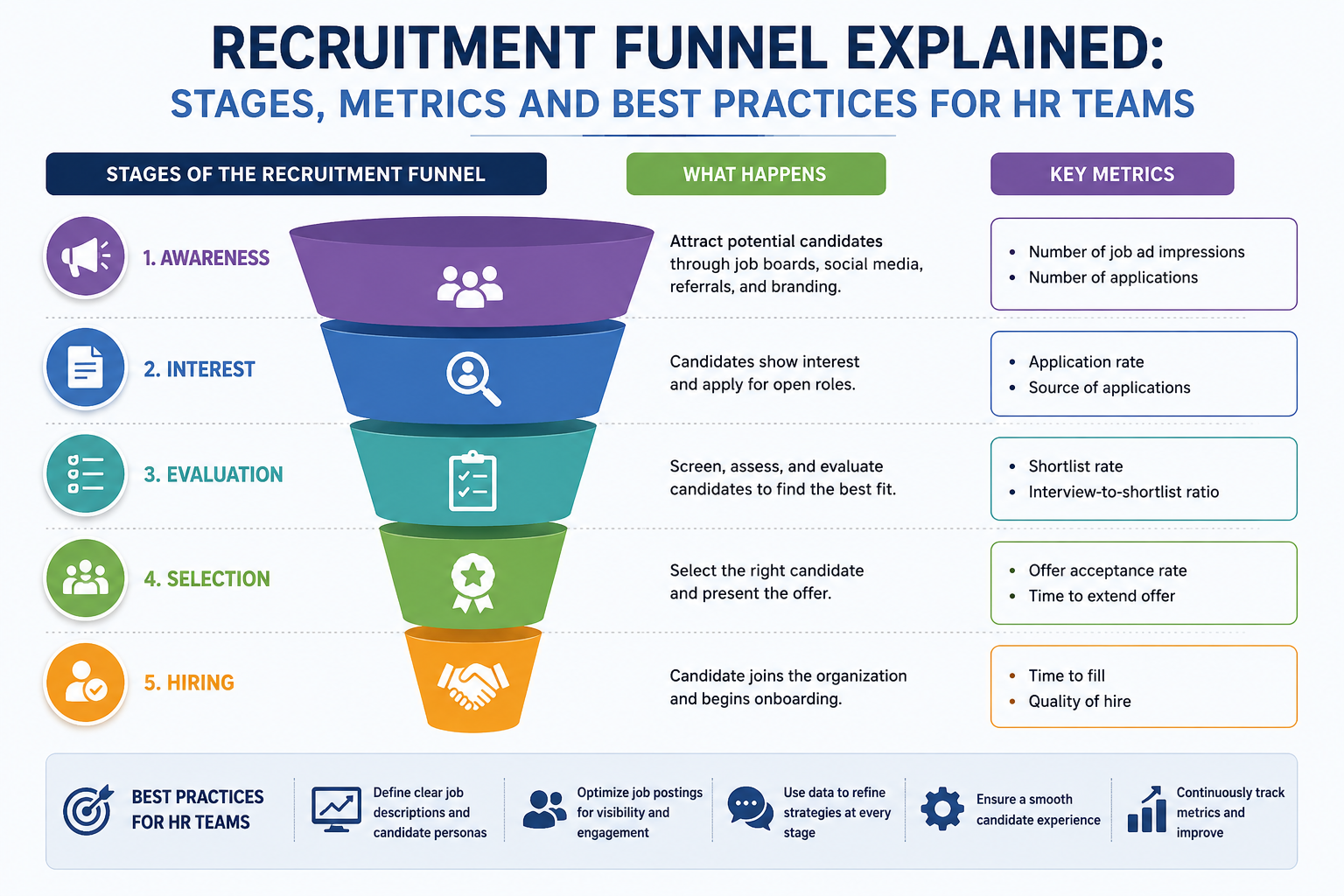
To effectively utilize recruitment analytics, organizations should focus on specific metrics that provide actionable insights. Here are some essential metrics to consider:
1. Time-to-Fill
This metric measures the duration taken to fill a position from the time it was opened until a candidate accepts the offer. Analyzing time-to-fill can help organizations identify inefficiencies in their recruitment process.
2. Quality of Hire
Quality of hire is a critical metric that assesses the performance of new employees over a specific period. By tracking this data, HR teams can evaluate the effectiveness of their sourcing strategies.
3. Candidate Source Effectiveness
Understanding which channels yield the best candidates is crucial. By analyzing the success rates of various recruitment sources, organizations can allocate resources more effectively.
4. Offer Acceptance Rate
This metric reflects the percentage of job offers accepted by candidates. A low offer acceptance rate may indicate issues with the offer package or the overall candidate experience.
Implementing Recruitment Analytics in Your Organization
Integrating recruitment analytics into your hiring process may seem daunting, but it can be achieved by following these steps:
1. Define Your Objectives
Before diving into data collection, it's essential to determine what you want to achieve with recruitment analytics. Whether it's improving candidate quality or reducing time-to-fill, having clear objectives will guide your analysis.
2. Collect Relevant Data
Gather data from various sources, including applicant tracking systems, employee performance reviews, and feedback from hiring managers. This comprehensive data collection ensures that you have a holistic view of your recruitment process.
3. Analyze and Interpret Data
Utilize analytical tools to interpret the data you've collected. Look for patterns and trends that can inform your hiring decisions. Visualization tools can also help present data in an easily digestible format.
4. Implement Changes
Based on your analysis, implement changes to your recruitment strategies. Whether it's refining your job descriptions or adjusting your sourcing channels, make data-driven adjustments to improve outcomes.
5. Monitor and Adjust
Recruitment analytics is an ongoing process. Continuously monitor your metrics and adjust your strategies as needed. Regularly revisiting your objectives will help ensure that your recruitment efforts remain aligned with your organizational goals.
Challenges in Recruitment Analytics
While recruitment analytics can significantly improve hiring decisions, organizations may face challenges in implementation:
1. Data Privacy Concerns
With the increasing focus on data privacy, organizations must ensure that they comply with regulations when collecting and storing candidate data.
2. Data Overload
Collecting too much data can lead to analysis paralysis. It's essential to focus on key metrics that align with your objectives and avoid getting lost in the numbers.
3. Resistance to Change
Some HR professionals may be hesitant to embrace data-driven approaches. Providing training and demonstrating the benefits of recruitment analytics can help alleviate these concerns.
Frequently Asked Questions (FAQs)
What is recruitment analytics?
Recruitment analytics is the use of data analysis to improve hiring processes and outcomes by evaluating key recruitment metrics.
How can recruitment analytics benefit my organization?
It can enhance candidate quality, improve recruitment efficiency, promote diversity, and facilitate informed decision-making.
What key metrics should I track in recruitment analytics?
Key metrics include time-to-fill, quality of hire, candidate source effectiveness, and offer acceptance rate.
How can I start using recruitment analytics?
Begin by defining your objectives, collecting relevant data, analyzing it, implementing changes, and continuously monitoring your metrics.
Conclusion
In conclusion, recruitment analytics is a powerful tool that can transform the hiring process. By leveraging data to inform decisions, organizations can improve their recruitment strategies, attract top talent, and ultimately enhance their overall performance. As the Indian job market continues to evolve, embracing HR analytics will be key to staying competitive and ensuring long-term success.
If you're ready to enhance your recruitment strategy with data-driven insights, contact us today to learn how our recruitment analytics solutions can help your organization thrive!
Call to Action
Ready to take your hiring process to the next level? Contact us today to discover how our recruitment analytics solutions can help you make better hiring decisions and attract top talent in your industry!