

The manufacturing and engineering sectors are the backbone of India's economy, contributing significantly to its growth and employment. However, these industries face numerous recruitment challenges that can hinder their progress. In this blog, we will explore the recruitment challenges in manufacturing and engineering industries, focusing on manufacturing recruitment and engineering hiring in India.
Understanding the Landscape of Manufacturing Recruitment
The manufacturing sector in India is evolving rapidly, driven by technological advancements and increasing global competition. However, the recruitment process in this sector is fraught with challenges. Let's delve into some of the key issues faced by employers in manufacturing recruitment.
1. Skill Gap
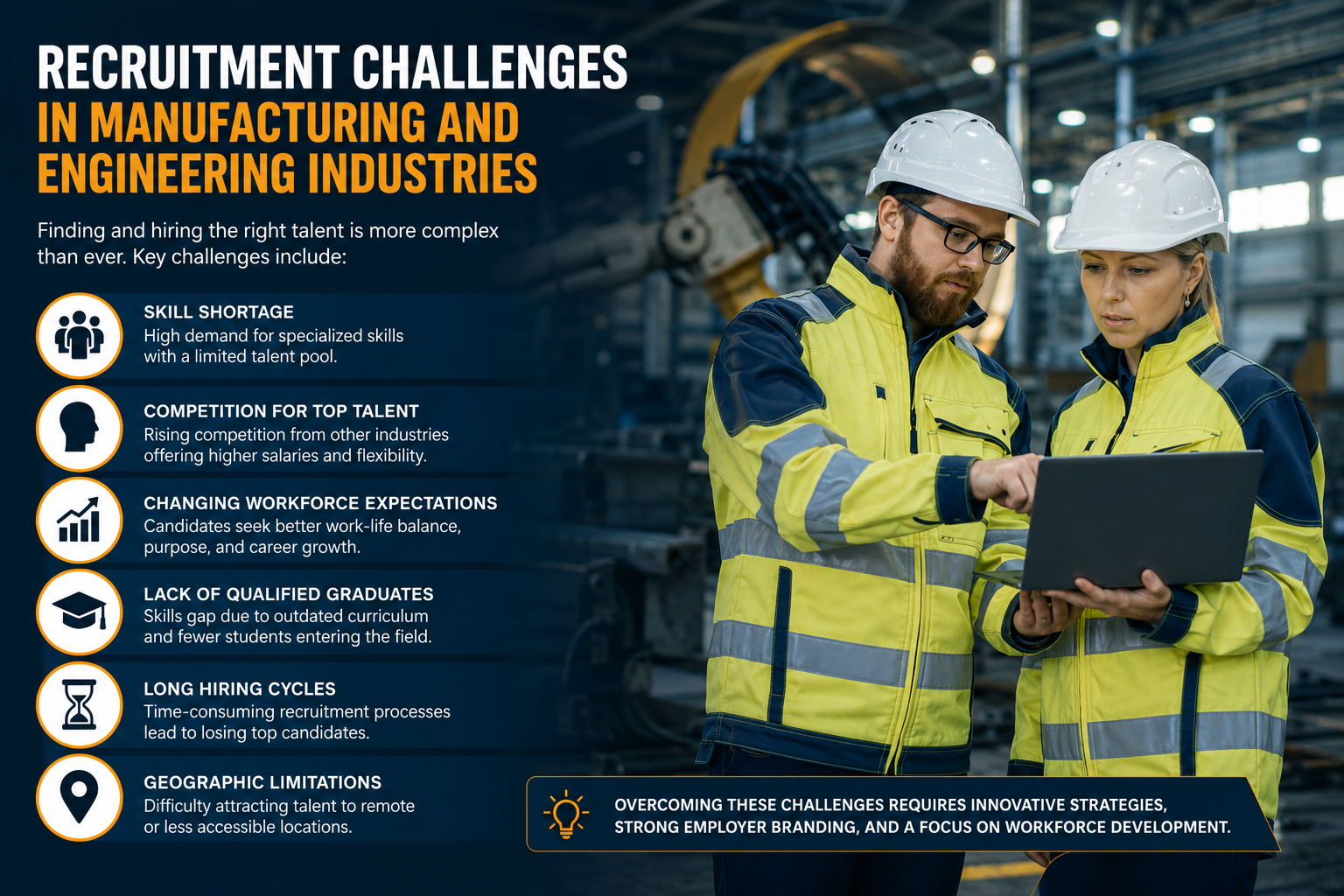
One of the most significant challenges in manufacturing recruitment is the skill gap. Despite the growing demand for skilled workers, there is a shortage of candidates with the necessary technical skills and qualifications. Many educational institutions are not aligned with industry requirements, which results in graduates who are ill-prepared for the job market.
2. High Attrition Rates
The manufacturing industry often experiences high attrition rates, making it difficult to retain talent. Factors such as inadequate job satisfaction, limited career progression, and competitive offers from other companies contribute to this issue. Companies must focus on creating a positive work environment and offering growth opportunities to retain their workforce.
3. Geographic Disparities
India's manufacturing hubs are concentrated in specific regions, leading to geographic disparities in talent availability. Companies located in remote areas often struggle to attract skilled candidates who are unwilling to relocate. This geographical challenge necessitates innovative recruitment strategies to tap into talent pools beyond local boundaries.
Engineering Hiring: Unique Challenges
Engineering hiring presents its own set of challenges that differ from those faced in manufacturing recruitment. The demand for engineers is high, yet the supply of qualified candidates is often lacking. Here are some of the unique challenges in engineering hiring:
1. Rapid Technological Advancements
With the fast-paced evolution of technology, the engineering field is constantly changing. Employers often find it challenging to keep up with the latest skills and competencies required for various roles. This results in a mismatch between job requirements and candidates’ skill sets, making it difficult to find suitable hires.
2. Competitive Job Market
The engineering job market is highly competitive, with numerous companies vying for the same talent. This competition drives up salary expectations and makes it challenging for companies to attract top talent without significantly increasing their budget. Employers need to find ways to stand out, such as offering unique benefits or fostering a strong company culture.
3. Limited Awareness of Career Opportunities
Many engineering graduates are unaware of the diverse career opportunities available in the industry. This lack of awareness can lead to underemployment and a failure to fill critical roles within organizations. Companies must engage in outreach initiatives, such as campus recruitment drives and industry seminars, to educate potential candidates about available positions and career paths.
Strategies for Overcoming Recruitment Challenges
Addressing the recruitment challenges in manufacturing and engineering industries requires a multi-faceted approach. Here are some effective strategies that companies can implement:
1. Collaborate with Educational Institutions
Building partnerships with universities and technical institutes can help bridge the skill gap. Companies can participate in curriculum development, offer internships, and provide guest lectures to ensure that students gain practical skills that align with industry needs.
2. Enhance Employer Branding
A strong employer brand can make a significant difference in attracting top talent. Companies should focus on showcasing their work culture, values, and employee success stories through social media, career fairs, and company websites. This will help them stand out in a competitive job market.
3. Implement Employee Referral Programs
Encouraging current employees to refer candidates can be an effective recruitment strategy. Employees often have networks of skilled professionals and can help identify suitable candidates. Offering incentives for successful referrals can further motivate staff to participate in the recruitment process.
4. Invest in Training and Development
To address the skill gap, companies should invest in training and development programs for their employees. Upskilling current staff can help fill critical roles and reduce turnover rates. Additionally, promoting a culture of continuous learning can attract candidates looking for growth opportunities.
FAQs about Recruitment in Manufacturing and Engineering
Q1: What are the key skills required for manufacturing jobs?
A1: Key skills for manufacturing jobs include technical skills, problem-solving abilities, attention to detail, and knowledge of safety regulations. Familiarity with automation and lean manufacturing principles is also beneficial.
Q2: How can companies improve their engineering hiring process?
A2: Companies can improve their engineering hiring process by streamlining application procedures, utilizing technology for candidate screening, and providing clear job descriptions that outline expectations and required qualifications.
Q3: What role does employer branding play in recruitment?
A3: Employer branding plays a crucial role in recruitment by shaping public perception of a company. A strong brand can attract top talent, reduce hiring costs, and enhance employee retention.
Q4: How important is diversity in manufacturing and engineering recruitment?
A4: Diversity is essential in recruitment as it fosters innovation, improves problem-solving, and enhances company culture. A diverse workforce also reflects the varied customer base, which can lead to better business outcomes.
Conclusion: Navigating the Future of Recruitment
The recruitment challenges in the manufacturing and engineering industries are significant, but they are not insurmountable. By understanding the unique hurdles in manufacturing recruitment and engineering hiring, companies can develop effective strategies to attract and retain top talent. As India continues to grow as a global manufacturing hub, addressing these challenges will be crucial to maintaining competitiveness and driving innovation.
Call to Action
If your organization is struggling with recruitment challenges in the manufacturing or engineering sectors, it’s time to take action. Contact us today to learn how our recruitment solutions can help you find the right talent and drive your business forward. Let’s work together to overcome these challenges and build a stronger workforce for the future!