


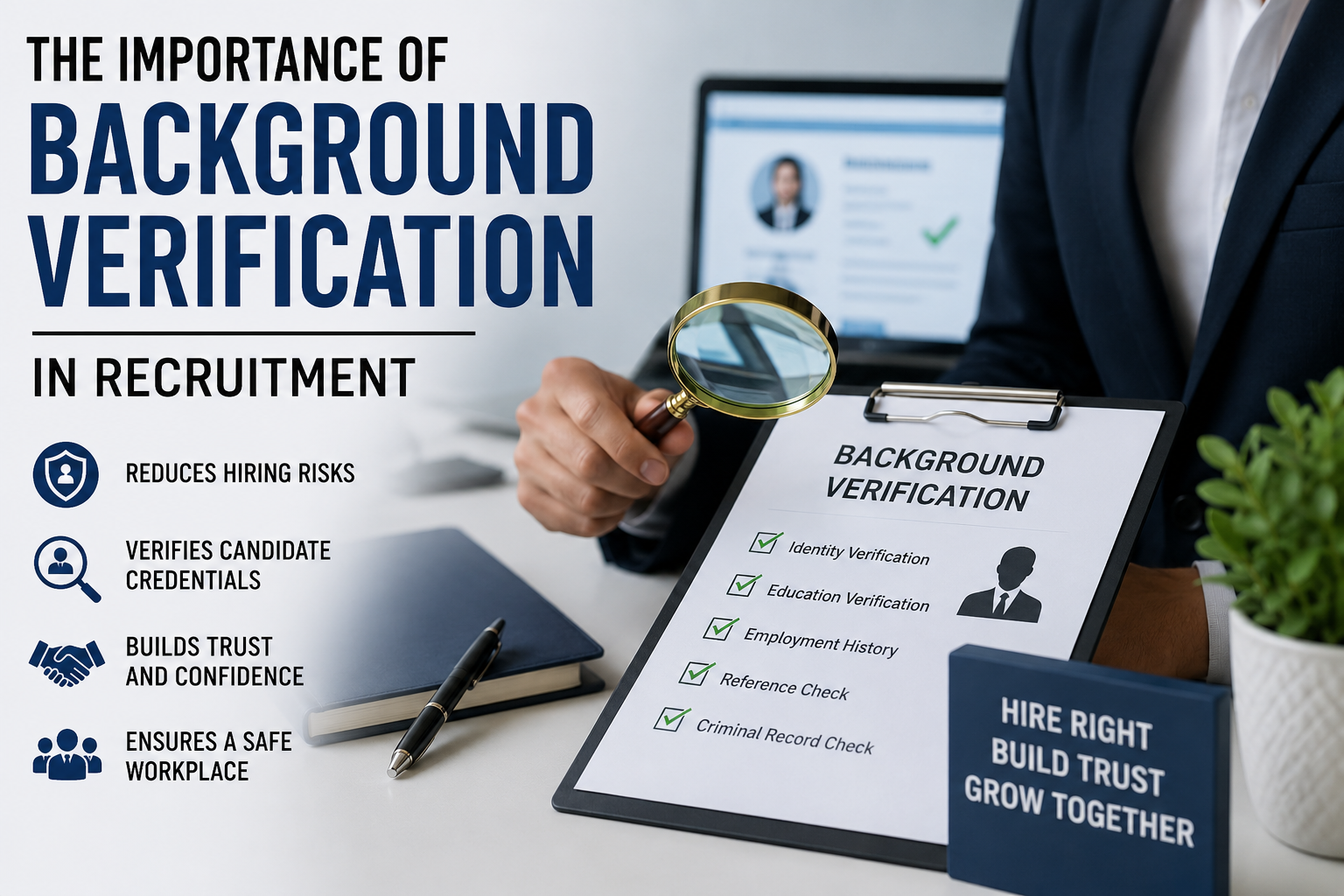

In today's competitive job market, organizations are increasingly recognizing the significance of background verification as an essential component of their recruitment process. The practice of employee verification has evolved from being a mere formality to becoming a crucial step that can influence the overall integrity and effectiveness of a hiring decision. This blog delves into the importance of background verification, its advantages, and how it ensures recruitment compliance.
Why is Background Verification Important?
Background verification serves several critical purposes in the recruitment process. Not only does it help ensure the integrity of new hires, but it also protects the organization from potential risks associated with hiring unqualified or dishonest candidates.
1. Mitigating Risks
Employers must understand that hiring an employee with a questionable background can expose the organization to numerous risks, including legal issues, workplace violence, and reputational damage. Conducting thorough pre-employment screening helps mitigate these risks by revealing any potential red flags in a candidate's history.
2. Ensuring Compliance
In many sectors, especially those that deal with sensitive information or vulnerable populations, recruitment compliance is mandatory. Background checks are not just a good practice; they are often a legal requirement. Ensuring compliance with industry regulations protects the organization from legal repercussions and enhances its credibility.
3. Enhancing Workplace Safety
Workplace safety is a top priority for any organization. By conducting thorough hiring verification, employers can ensure that they are not bringing in individuals with histories of violence or misconduct. This is particularly vital in industries such as healthcare, education, and finance, where employees interact with vulnerable groups.
4. Improving Employee Retention
Hiring the right candidate the first time around significantly enhances employee retention. Background verification helps employers to select candidates who not only possess the necessary skills but also align with the company’s values and culture. This alignment fosters a positive work environment and reduces turnover rates.
Types of Background Verification
There are several components to consider when conducting a comprehensive background verification. Here are some common types of checks that organizations may include:
1. Criminal Record Check
This is one of the most critical checks conducted during pre-employment screening. A criminal record check helps identify any past criminal activities that may pose a risk to the organization or its employees.
2. Employment History Verification
Verifying a candidate's employment history ensures that they have the experience and qualifications they claim. This check often includes contacting previous employers to confirm job titles, tenure, and reasons for leaving.
3. Education Verification
Education verification confirms the authenticity of a candidate's educational qualifications. This is particularly important for roles that require specific degrees or certifications.
4. Reference Checks
Reference checks involve speaking with individuals who can provide insights into a candidate's work ethic, performance, and behavior in a professional setting. These checks can reveal valuable information that may not be evident in a resume.
5. Credit History Check
In certain industries, especially finance, a credit history check is vital. It helps assess a candidate’s financial responsibility, which can be a reflection of their overall reliability and integrity.
Implementing Effective Background Verification Processes
To ensure that background verification is effective and compliant, organizations should follow these best practices:
1. Define Clear Policies
Organizations should establish clear policies regarding background verification that comply with local laws and regulations. This includes obtaining consent from candidates before conducting checks.
2. Use Reliable Sources
Partnering with reputable background verification agencies can enhance the reliability of the information obtained. These agencies have access to databases and resources that can provide accurate results.
3. Maintain Confidentiality
It is essential to handle all background verification information with confidentiality. This builds trust with candidates and ensures compliance with privacy laws.
4. Review and Update Processes Regularly
As laws and regulations change, organizations must regularly review and update their background verification processes to remain compliant and effective.
Challenges in Background Verification
While background verification is essential, it does come with its challenges:
1. Time-Consuming
Conducting thorough background checks can be time-consuming, potentially delaying the hiring process. However, organizations can streamline this process by using automated systems and reliable verification agencies.
2. Legal Considerations
Employers must be cautious about the legal implications of background checks. Improperly conducted checks can lead to discrimination claims and legal issues. Understanding and adhering to local laws is crucial.
3. Handling Negative Information
It’s important for employers to have a policy in place for addressing negative information that may arise during background checks. This includes giving candidates a chance to explain any discrepancies.
FAQs about Background Verification
1. What is background verification?
Background verification is the process of checking the credibility, qualifications, and history of a candidate to ensure they are suitable for a position.
2. Why is background verification necessary?
It helps mitigate risks, ensures compliance with laws, enhances workplace safety, and improves employee retention by verifying the authenticity of candidate information.
3. How long does a background verification take?
The duration of background verification varies depending on the type of checks conducted and the responsiveness of previous employers or institutions. Typically, it can take anywhere from a few days to a few weeks.
4. Can I conduct a background check without the candidate's consent?
No, obtaining written consent from the candidate is necessary before conducting any background checks to comply with privacy laws.
5. What should I do if I find negative information during verification?
It's essential to have a policy in place for addressing negative information. You should provide the candidate an opportunity to explain any discrepancies found during the verification process.
Conclusion
In a world where hiring the right candidate can make or break an organization, background verification plays a pivotal role in ensuring that the recruitment process is thorough, compliant, and effective. By investing in robust employee verification processes, organizations can build a safer, more trustworthy workplace. As recruitment practices continue to evolve, the importance of comprehensive pre-employment screening will only grow.
Are you ready to enhance your recruitment process with effective background verification? Contact us today to learn more about our employee verification services and ensure compliance in your hiring practices!