
In today's competitive business landscape, hiring the right talent is crucial for success. However, many organizations underestimate the cost of a bad hire. Hiring mistakes can have far-reaching implications, affecting not only productivity but also the company’s culture and bottom line. In this blog, we will explore the various dimensions of hiring mistakes and the true cost they can impose on Indian businesses.
Understanding the Cost of a Bad Hire
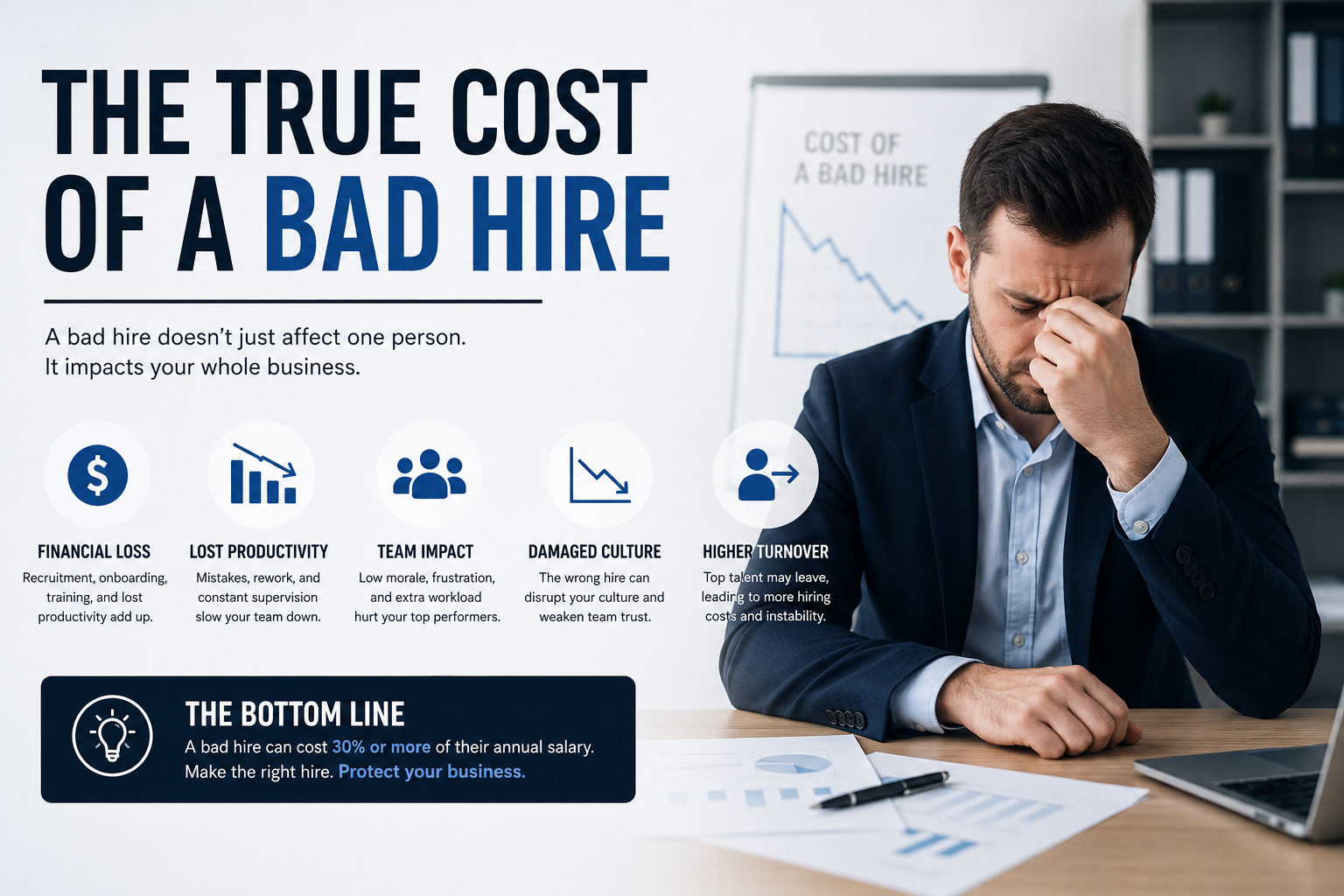
The cost of bad hire extends beyond just the salary of the employee. It encapsulates a range of expenses and lost opportunities that can cripple a business if not addressed timely. According to various studies, the cost of hiring the wrong employee can be as high as 30% of their first-year earnings. Let’s delve deeper into the factors that contribute to this cost.
1. Recruitment Costs
Recruitment itself is a significant investment. When a company makes a hiring mistake, it not only incurs the initial costs of advertising the position but also the expenses related to screening resumes, conducting interviews, and performing background checks. If the hire turns out to be unsuitable, all these resources are wasted.
2. Training and Onboarding Expenses
Once a candidate is hired, businesses invest in training and onboarding to bring them up to speed with company processes and culture. If the employee leaves or is terminated due to poor performance, these training costs are an additional loss. In India, where many firms emphasize extensive training, this can be a substantial financial hit.
3. Impact on Team Productivity
A bad hire can disrupt team dynamics and lower overall morale. Other employees may have to pick up the slack, leading to increased stress and burnout. This, in turn, can result in decreased productivity and even further turnover, creating a vicious cycle that can be hard to break.
4. Lost Business Opportunities
In sales-driven roles, a bad hire can directly impact revenue generation. If an employee fails to meet targets or represent the brand effectively, potential business opportunities can slip through the cracks. This not only affects immediate sales but can damage long-term relationships with clients.
5. Legal and Severance Costs
In some cases, dismissing a bad hire can lead to legal repercussions, especially if there are disputes regarding termination. Companies may have to spend on severance packages or even face litigation, further adding to the overall cost of the hiring mistake.
The Ripple Effect of Hiring Mistakes
The cost of bad hire is not limited to the direct financial impacts. It can also create a ripple effect that influences the entire organization. Here’s how:
1. Damage to Company Culture
A bad hire can negatively affect the company culture, leading to dissatisfaction among employees. When team members see someone not aligning with the company's values or underperforming, it can lead to frustration and disengagement.
2. Increased Turnover Rates
A toxic work environment created by a poor hire can lead to higher turnover rates. Replacing employees is expensive, with studies indicating that it costs about 1.5 to 2 times the employee’s annual salary to find a replacement. This can create a significant drain on resources over time.
3. Brand Reputation
In an age where employer branding is crucial, a bad hire can tarnish a company’s reputation. Negative employee experiences can lead to poor reviews on job portals and social media, deterring potential candidates from applying and impacting customer perceptions.
How to Avoid Hiring Mistakes
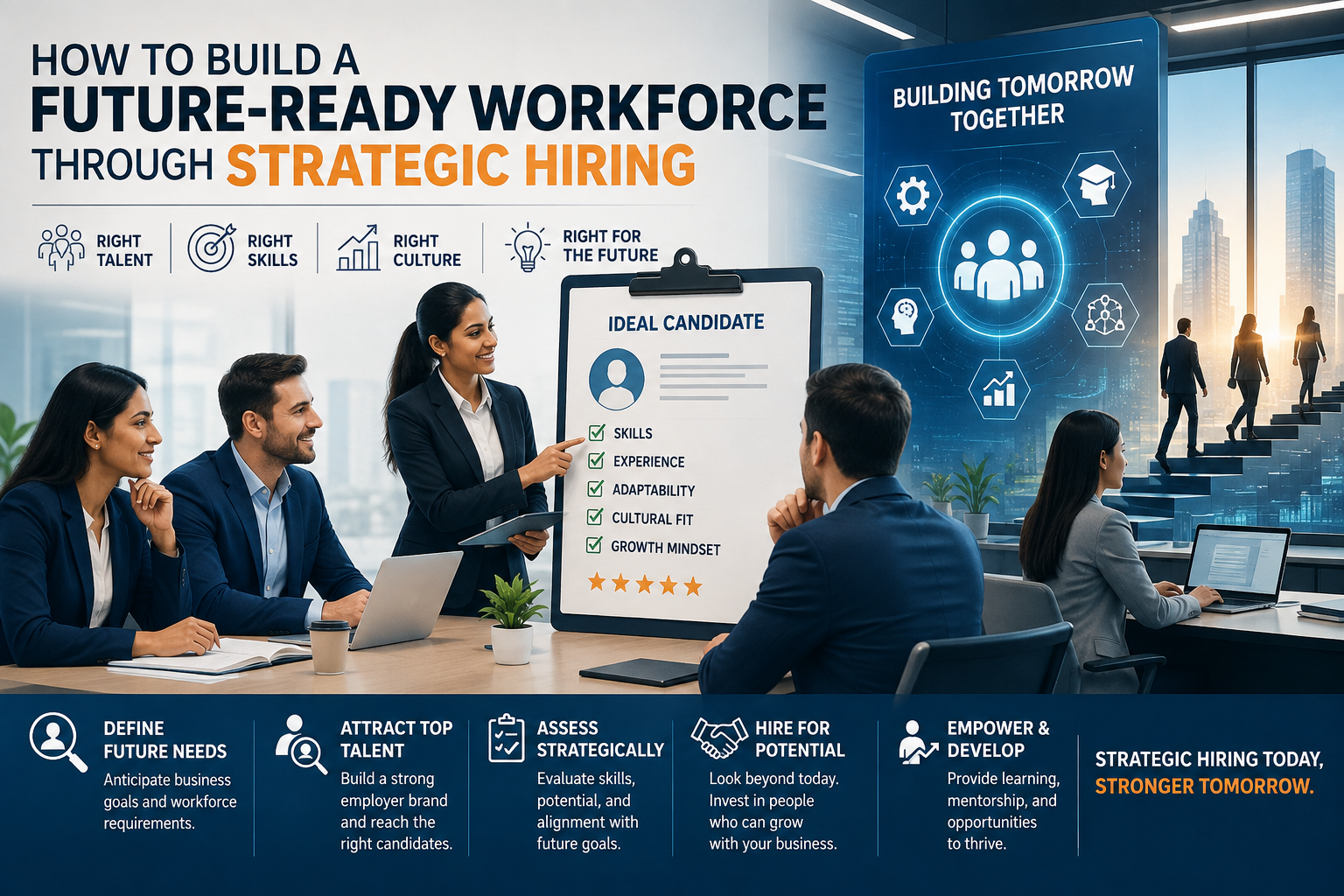
Given the significance of the cost of bad hire, it’s essential for businesses to adopt effective hiring strategies. Here are some tips to minimize hiring mistakes:
1. Define Clear Job Descriptions
Ensure that job descriptions are precise and clearly outline the responsibilities and expectations. This helps attract candidates who are genuinely suited for the role.
2. Implement a Structured Interview Process
Utilize a structured interview process that includes behavioral questions to assess candidates' past performance and cultural fit. This will help in making informed decisions.
3. Use Assessment Tools
Consider using psychometric testing or skills assessments to evaluate candidates’ abilities objectively. This can provide valuable insights into their potential fit within the organization.
4. Conduct Reference Checks
Always check references to gain a deeper understanding of a candidate’s work ethic, reliability, and past performance. This step can often highlight potential red flags.
5. Encourage Employee Referrals
Encouraging current employees to refer candidates can lead to better hiring outcomes, as they have a clear understanding of the company culture and the skills needed for success.
Conclusion
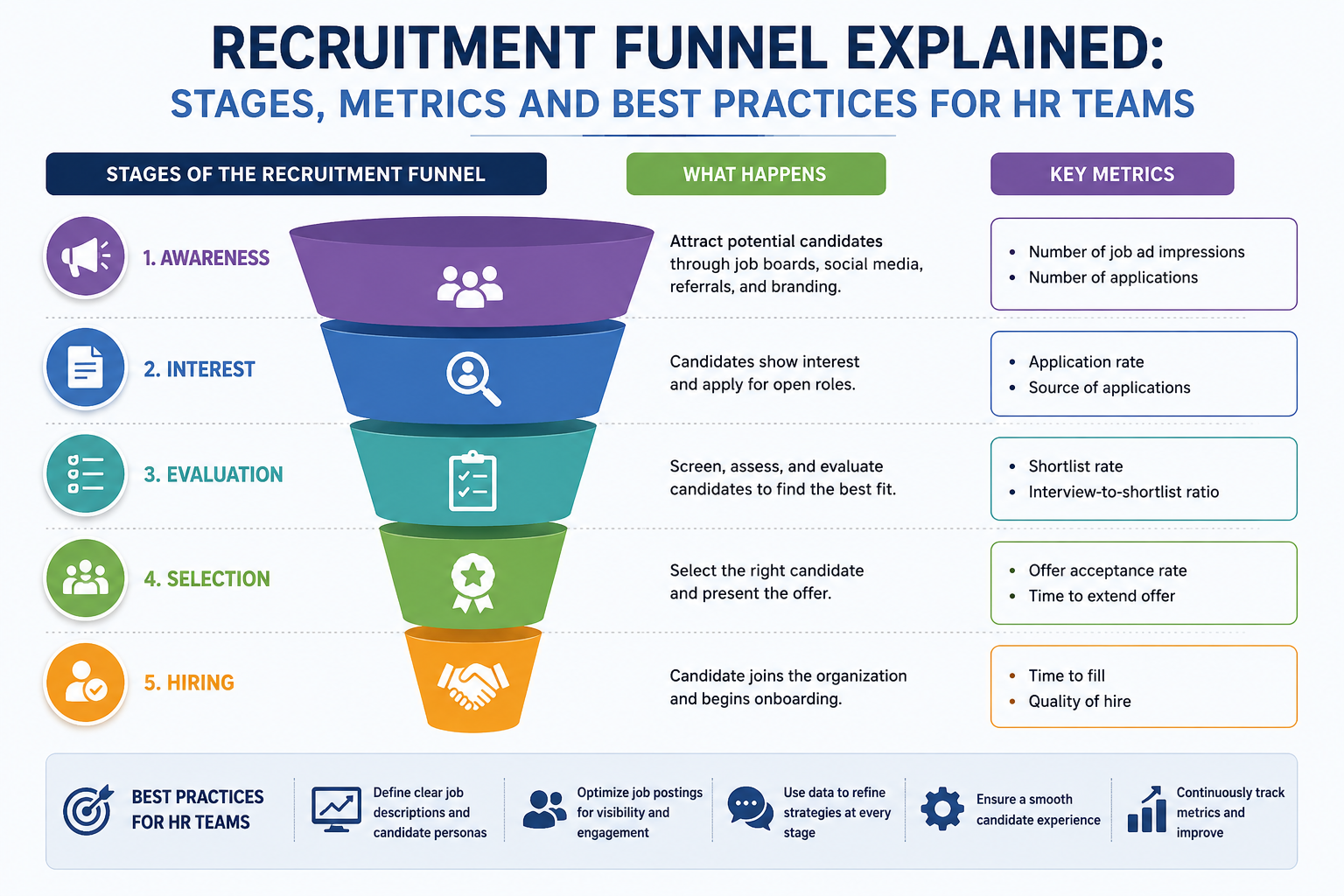
The cost of bad hire is a pressing concern for businesses in India and worldwide. By understanding the multifaceted impacts of hiring mistakes and implementing strategic hiring practices, organizations can save substantial time and resources while fostering a positive workplace culture. Remember, hiring is not just about filling a position; it’s about ensuring that the right person is in the right role, contributing to the organization’s success.
FAQs
1. What are the financial implications of a bad hire?
The financial implications can include recruitment costs, training expenses, lost productivity, and potential legal fees, amounting to 30% or more of an employee’s annual salary.
2. How can I identify a bad hire early in the process?
Implementing structured interviews, skills assessments, and thorough reference checks can help identify potential issues before making a hiring decision.
3. Are there industries more affected by bad hires?
Yes, industries that rely heavily on sales and customer service tend to be more affected, as a bad hire can directly impact revenue and customer satisfaction.
4. What steps can I take to improve my hiring process?
Define clear job descriptions, use assessment tools, conduct thorough interviews, and encourage employee referrals to create a more effective hiring strategy.
5. How can I mitigate the costs associated with a bad hire?
Invest in better hiring practices and consider employee development programs to ensure that employees are well-suited for their roles from the start.
If you’re looking to enhance your hiring process and minimize the cost of bad hire, contact us today! Let us help you build a strong, cohesive team that drives your business forward.