
Why Companies Make Bad Hiring Decisions and How to Avoid Them
Hiring the right talent is crucial for any organization's success. However, many companies continue to make bad hiring decisions that can lead to wasted resources, decreased morale, and long-term consequences. Understanding the reasons behind recruitment mistakes and adopting strategies to mitigate them can significantly enhance the recruitment process. In this blog, we will explore the common pitfalls in hiring and how to avoid them, specifically targeting the Indian job market.
Common Reasons Behind Bad Hiring Decisions
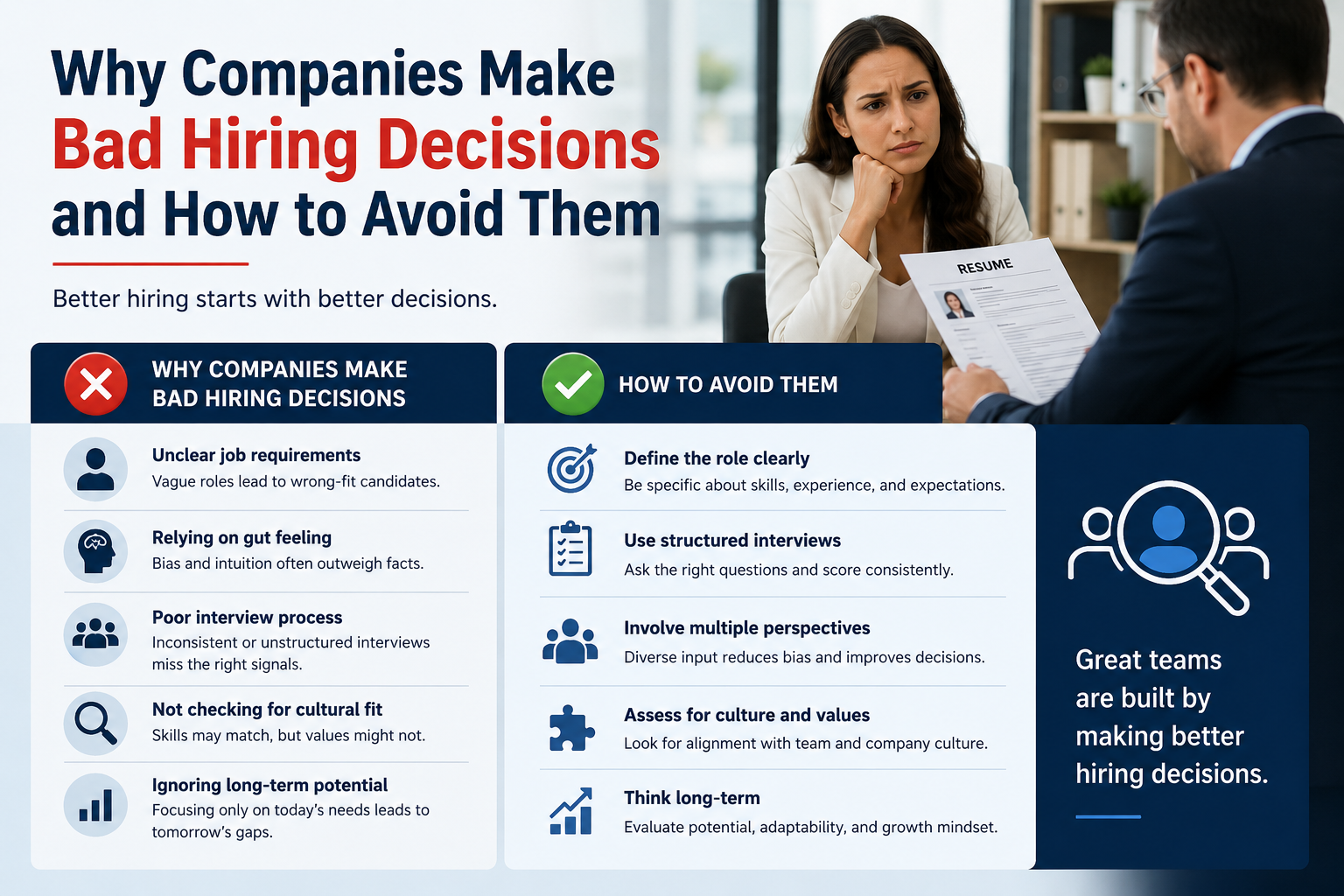
1. Lack of Clear Job Descriptions
One of the most prevalent reasons for bad hiring decisions is the absence of a well-defined job description. A vague or overly broad description can attract candidates who may not possess the necessary skills or experience. This leads to misalignment between what the company needs and what the candidate offers.
2. Overemphasis on Qualifications
Many employers focus too much on degrees and certifications, overlooking practical experience and soft skills. While qualifications matter, they do not always guarantee the right fit for the company culture or the role. This can result in recruitment mistakes where the candidate is technically proficient but lacks essential interpersonal skills.
3. Rushed Hiring Process
In a competitive job market like India’s, companies often rush to fill positions. This haste can lead to superficial evaluations and overlooking key attributes. A rushed process may result in hiring someone who seems suitable on paper but fails to integrate well into the team.
4. Ignoring Cultural Fit
Another common mistake is neglecting to assess whether a candidate aligns with the company's culture. Cultural fit is critical for long-term success and employee retention. When organizations prioritize technical skills over cultural alignment, they risk hiring individuals who may not be a good match for the existing team dynamic.
5. Bias in the Recruitment Process
Unconscious bias can significantly influence hiring decisions. Whether based on gender, age, ethnicity, or educational background, biases can cloud judgment and lead to bad hiring decisions. It’s essential for companies to recognize and address these biases during recruitment.
Strategies to Avoid Recruitment Mistakes
1. Develop Comprehensive Job Descriptions
Creating detailed job descriptions is the first step in attracting the right candidates. Clearly outline the skills, experience, and values required for the position. Use specific language to avoid ambiguity and set realistic expectations for applicants.
2. Prioritize Skills and Experience Over Qualifications
Shift the focus from formal qualifications to relevant skills and experience. Consider candidates who have demonstrated their capabilities through real-world experience, internships, or freelance work. This approach can lead to discovering hidden talent that may otherwise have been overlooked.
3. Implement a Structured Interview Process
A structured interview process can help mitigate rushed hiring decisions. Standardizing interview questions ensures consistency and fairness, allowing all candidates to be evaluated on the same criteria. Incorporate behavioral questions that assess candidates' past experiences and how they’ve handled specific situations.
4. Assess Cultural Fit
Incorporate assessments that gauge cultural fit during the interview process. This can include questions about the candidate's values, work style, and how they handle team dynamics. Involving current team members in the interview process can also provide insights into how well a candidate might fit into the existing culture.
5. Train Hiring Managers on Unconscious Bias
Provide training for hiring managers and interviewers to recognize and combat unconscious bias. This can involve workshops, seminars, or online courses dedicated to promoting diversity and inclusion in the workplace. By fostering awareness, companies can make more informed decisions and minimize recruitment mistakes.
Measuring Hiring Success
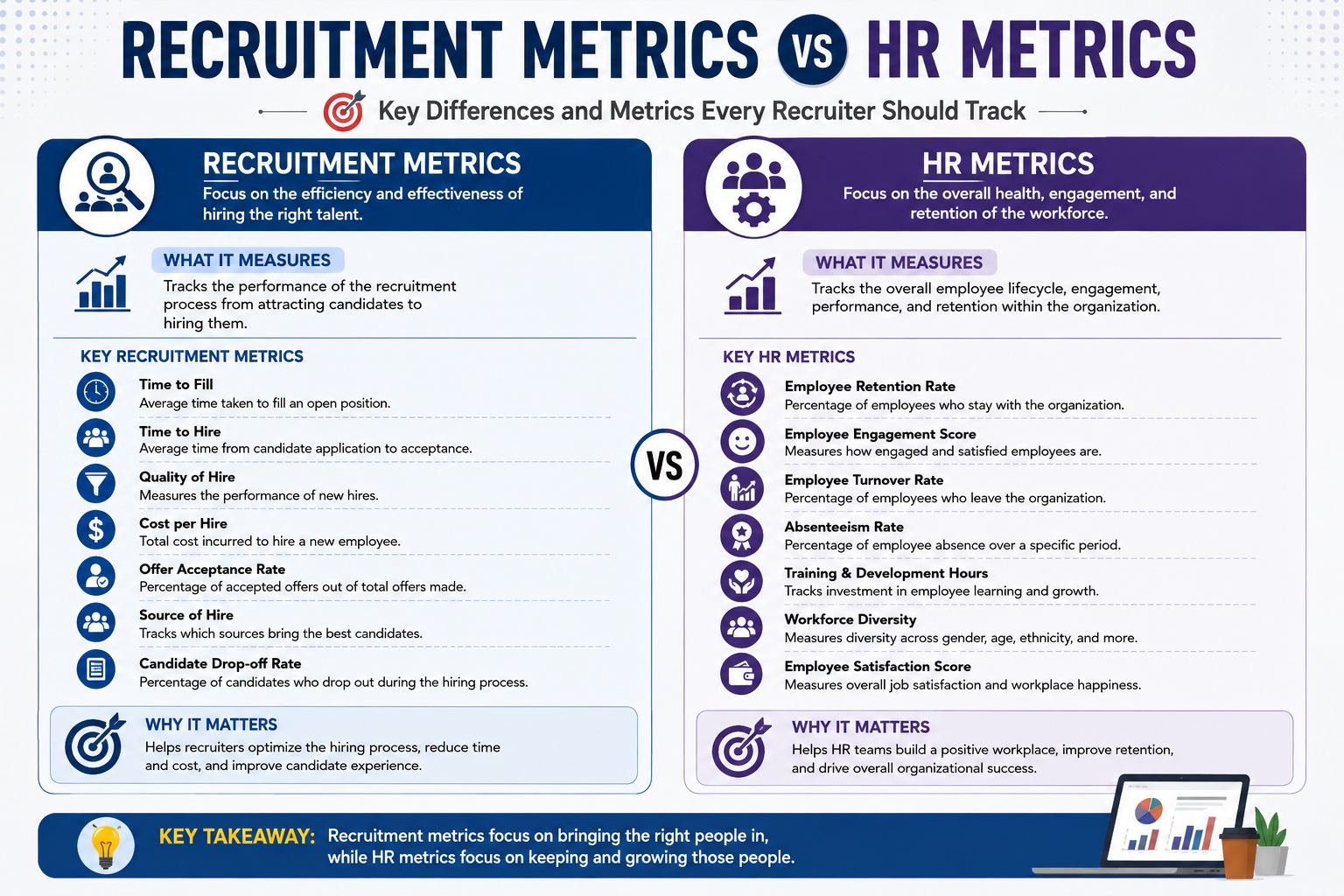
1. Analyze Employee Retention Rates
One way to measure the effectiveness of your hiring process is to analyze employee retention rates. High turnover can indicate that previous hires were not the right fit. Conduct exit interviews to gain insights into why employees leave and adjust your hiring strategies accordingly.
2. Solicit Feedback from Employees
Regular feedback from employees regarding the hiring process can provide valuable insights. Encourage open communication and create a culture where team members feel comfortable sharing their thoughts on new hires and the recruitment process.
3. Track Performance Metrics
Monitor the performance of new hires to assess if they meet the expectations set during the recruitment process. Utilize KPIs (Key Performance Indicators) relevant to the role and compare them against established benchmarks. This will help identify trends and areas for improvement in your hiring strategy.
Frequently Asked Questions (FAQs)
What are the main consequences of bad hiring decisions?
Bad hiring decisions can lead to decreased productivity, increased turnover, negative impact on team morale, and financial losses associated with recruitment and training costs.
How can we improve our job descriptions to attract better candidates?
Ensure that job descriptions are clear, specific, and inclusive. Highlight the essential skills, responsibilities, and values important to the company. Additionally, avoid jargon and use language that resonates with your target audience.
What role does teamwork play in the hiring process?
Involving current team members in the hiring process can provide diverse perspectives and insights. It helps in assessing cultural fit and ensures that the candidate aligns with team dynamics and work ethics.
How can we reduce unconscious bias in our hiring process?
Implement structured interviews, use standardized evaluation criteria, and provide training on unconscious bias. Encouraging a diverse hiring panel can also help minimize bias and promote inclusivity.
Conclusion
Making bad hiring decisions can have lasting impacts on a company’s success. By understanding the common pitfalls and implementing strategic measures, organizations can enhance their recruitment processes and attract the right talent. Remember, hiring is not just about filling a position; it’s about building a strong team that drives the company forward. Invest time and resources into refining your hiring strategies to ensure that you’re making informed decisions that align with your organization's goals.
If you want to improve your hiring process and avoid common recruitment mistakes, contact us today! Our team of experts is ready to assist you in finding the right talent for your organization.