Latest Post





Quality Management Courses



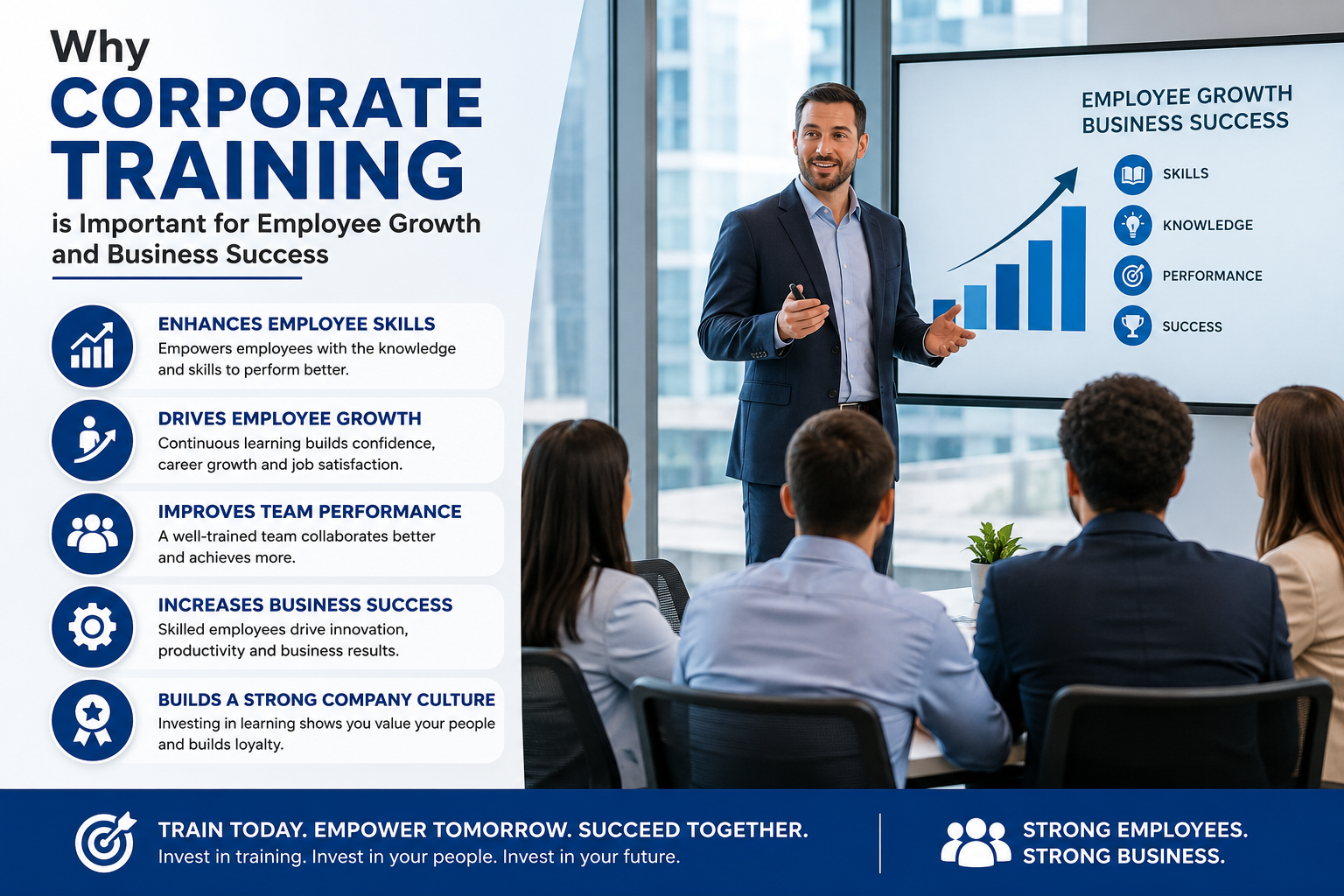

Why Corporate Training is Important for Employee Growth and Business Success
In the fast-paced and ever-evolving business landscape of India, keeping employees up-to-date with the latest skills and knowledge is more important than ever. Corporate training is a strategic investment in an organization’s most valuable asset—its workforce. In this blog, we will explore the significance of corporate training, the various employee training programs available, and how these initiatives contribute to corporate learning and development, ultimately leading to business success.
Understanding Corporate Training
Corporate training refers to programs designed to enhance the skills and knowledge of employees within an organization. These programs can vary widely, from onboarding sessions for new hires to specialized workshops focused on industry-specific skills. Corporate skill development ensures that employees are not only equipped to handle their current roles but are also prepared for future challenges.
The Importance of Corporate Training for Employee Growth
1. Skill Enhancement
One of the primary objectives of corporate training programs is to enhance the skills of employees. In a country like India, where industries are constantly evolving, it is crucial for employees to acquire new competencies. By participating in structured training sessions, employees can stay abreast of industry trends and technological advancements, ensuring that they remain relevant and valuable to their organizations.
2. Increased Job Satisfaction
Employees who feel that their organization is investing in their professional development are more likely to be satisfied with their jobs. This satisfaction translates into higher morale and motivation, which can lead to increased productivity. When employees see that their employer is committed to their growth, they are more likely to develop a sense of loyalty and commitment to the organization.
3. Career Advancement Opportunities
Corporate training programs open doors for employees seeking career advancement. With enhanced skills and knowledge, employees become more competitive candidates for promotions and leadership roles. Organizations that prioritize employee training programs create a culture of continuous learning, which encourages employees to pursue their career goals within the company.
Benefits of Corporate Training for Businesses
1. Improved Productivity
Investing in employee training programs can lead to significant improvements in overall productivity. Well-trained employees are more efficient, make fewer mistakes, and can adapt to changes quickly. This increased efficiency not only benefits the organization but also enhances customer satisfaction and retention.
2. Enhanced Employee Retention
High employee turnover can be costly for businesses. Companies that invest in corporate learning and development tend to retain their talent longer. When employees feel supported in their professional growth, they are less likely to seek opportunities elsewhere. This stability can have a positive impact on team cohesion and workplace culture.
3. Competitive Advantage
In today’s competitive marketplace, organizations must differentiate themselves to succeed. Companies that prioritize employee skill development through corporate training programs can gain a significant edge over their competitors. By having a skilled and knowledgeable workforce, businesses can better meet customer needs and adapt to market changes.
Types of Corporate Training Programs
1. Onboarding Programs
Onboarding is a critical phase in the employee journey. Effective onboarding programs help new hires acclimate to the company culture, understand their roles, and become productive more quickly. These programs often include training on company policies, procedures, and tools that employees will use daily.
2. Leadership Development
Investing in future leaders is essential for any organization’s sustainability. Leadership development programs equip employees with essential skills such as decision-making, strategic thinking, and people management. These programs help identify potential leaders and prepare them for higher responsibilities.
3. Technical Skills Training
As technology continues to advance, technical skills training becomes increasingly important. Organizations must ensure that their employees are proficient in the latest tools and technologies relevant to their industry. This type of training can take the form of workshops, online courses, or hands-on training sessions.
4. Soft Skills Development
While technical skills are vital, soft skills such as communication, teamwork, and problem-solving are equally important. Corporate training programs that focus on soft skills development can enhance workplace collaboration and improve overall team dynamics.
Implementing a Successful Corporate Training Strategy
1. Assessing Training Needs
Before implementing any corporate training initiatives, it is essential to assess the specific training needs of the organization. Conduct surveys, interviews, and performance evaluations to identify gaps in skills and knowledge. This information will help tailor training programs to address the unique needs of the workforce.
2. Setting Clear Objectives
Each training program should have clear objectives that align with the organization’s goals. These objectives will serve as a roadmap for both trainers and participants, ensuring that everyone is on the same page regarding the desired outcomes of the training.
3. Choosing the Right Training Delivery Method
There are various ways to deliver corporate training, including in-person workshops, e-learning modules, and blended approaches. Consider the preferences and learning styles of your employees when selecting the best method for your organization.
4. Evaluating Training Effectiveness
After the completion of training programs, it is crucial to evaluate their effectiveness. Gather feedback from participants, assess changes in performance metrics, and determine the return on investment (ROI) of the training initiatives. This evaluation will inform future training strategies and ensure continuous improvement in corporate training efforts.
FAQs about Corporate Training
1. What is the primary goal of corporate training?
The primary goal of corporate training is to enhance employees' skills and knowledge, leading to improved performance, job satisfaction, and overall organizational success.
2. How often should corporate training programs be conducted?
The frequency of corporate training programs varies based on the industry and specific organizational needs. However, regular training sessions—at least annually—are recommended to keep skills updated and relevant.
3. Are corporate training programs effective?
Yes, corporate training programs have been shown to be effective in improving employee performance, job satisfaction, and retention rates when implemented correctly.
4. How can I choose the right corporate training program for my organization?
Assess your organization’s specific needs, set clear objectives, and consider the preferred learning styles of your employees when selecting a corporate training program.
Conclusion
In conclusion, corporate training is not just an option; it is a necessity for organizations aiming for growth and success in today’s competitive environment. By investing in corporate training programs, businesses can enhance employee skills, improve productivity, and foster a culture of continuous learning. Ultimately, this investment pays off in the form of a more skilled workforce, higher employee satisfaction, and a significant competitive advantage.
If you are looking to implement or enhance corporate training in your organization, contact us today to learn about our customized training solutions tailored to meet your specific needs!