
Latest Post
Quality Management Courses



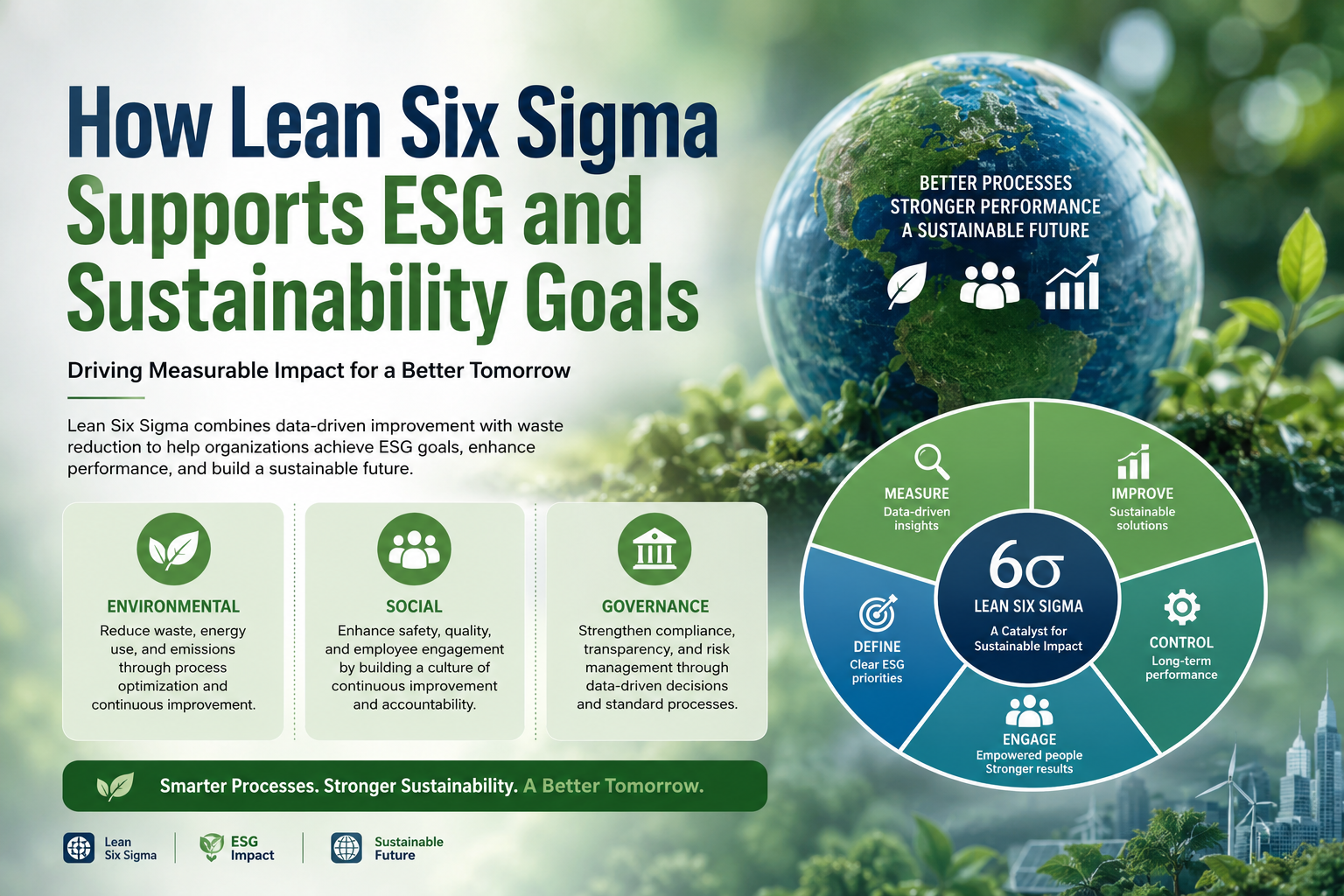

In today's rapidly changing business landscape, the focus on Environmental, Social, and Governance (ESG) criteria and sustainability has never been more critical. As organizations in India and around the globe strive to meet these goals, methodologies like Lean Six Sigma are proving to be invaluable tools. This article explores how lean six sigma sustainability practices can drive sustainable manufacturing, enhance the ESG process improvement, and ultimately lead to greater operational sustainability.
Understanding Lean Six Sigma
Lean Six Sigma is a data-driven approach that combines the principles of Lean manufacturing and Six Sigma. Lean focuses on eliminating waste in processes, while Six Sigma centers on reducing variability and improving quality. Together, these methodologies aim to enhance efficiency and effectiveness in operations. For businesses in India looking to embrace sustainability, Lean Six Sigma offers a structured framework to identify inefficiencies, reduce environmental impact, and improve overall performance.
The Intersection of Lean Six Sigma and ESG
ESG criteria are increasingly becoming essential for businesses, particularly in India, where regulatory frameworks and consumer expectations are evolving. Lean Six Sigma methodologies align closely with ESG goals in several ways:
1. Environmental Sustainability
One of the most direct applications of Lean Six Sigma in sustainability is through its focus on reducing waste and conserving resources. By streamlining processes and eliminating unnecessary steps, organizations can:
For instance, manufacturing firms employing Lean Six Sigma can analyze their production processes to identify areas where energy is wasted and implement changes that not only lead to cost savings but also contribute to a greener environment.
2. Social Responsibility
Social aspects of ESG include fair labor practices, community engagement, and overall corporate responsibility. Lean Six Sigma fosters a culture of continuous improvement, which inherently promotes:
By involving employees in the process improvement initiatives, companies can create a more motivated workforce that is aligned with the organization's sustainability goals.
3. Governance and Compliance
Good governance is about transparency, accountability, and ethical business practices. Lean Six Sigma provides a framework for:
Incorporating Lean Six Sigma into the governance structure can help organizations maintain compliance with environmental regulations and improve their overall ESG ratings.
Implementing Lean Six Sigma for Sustainable Manufacturing
To effectively leverage Lean Six Sigma for sustainable manufacturing, organizations should consider the following steps:
1. Define Clear Sustainability Goals
Begin by identifying specific sustainability objectives aligned with your business strategy. This could involve reducing waste by a certain percentage, improving energy efficiency, or enhancing product recyclability.
2. Measure Current Performance
Utilize data collection and analysis tools to gauge your current operational sustainability. Metrics such as waste generation, energy consumption, and emissions will help establish a baseline for improvement.
3. Analyze Processes
Employ Lean Six Sigma tools such as Value Stream Mapping and Fishbone Diagrams to identify inefficiencies and areas for improvement within your operations. This analysis should focus on both environmental and operational factors.
4. Implement Changes
Based on your analysis, implement changes aimed at enhancing sustainability. This may involve redesigning processes, adopting new technologies, or training employees in sustainable practices.
5. Monitor and Control
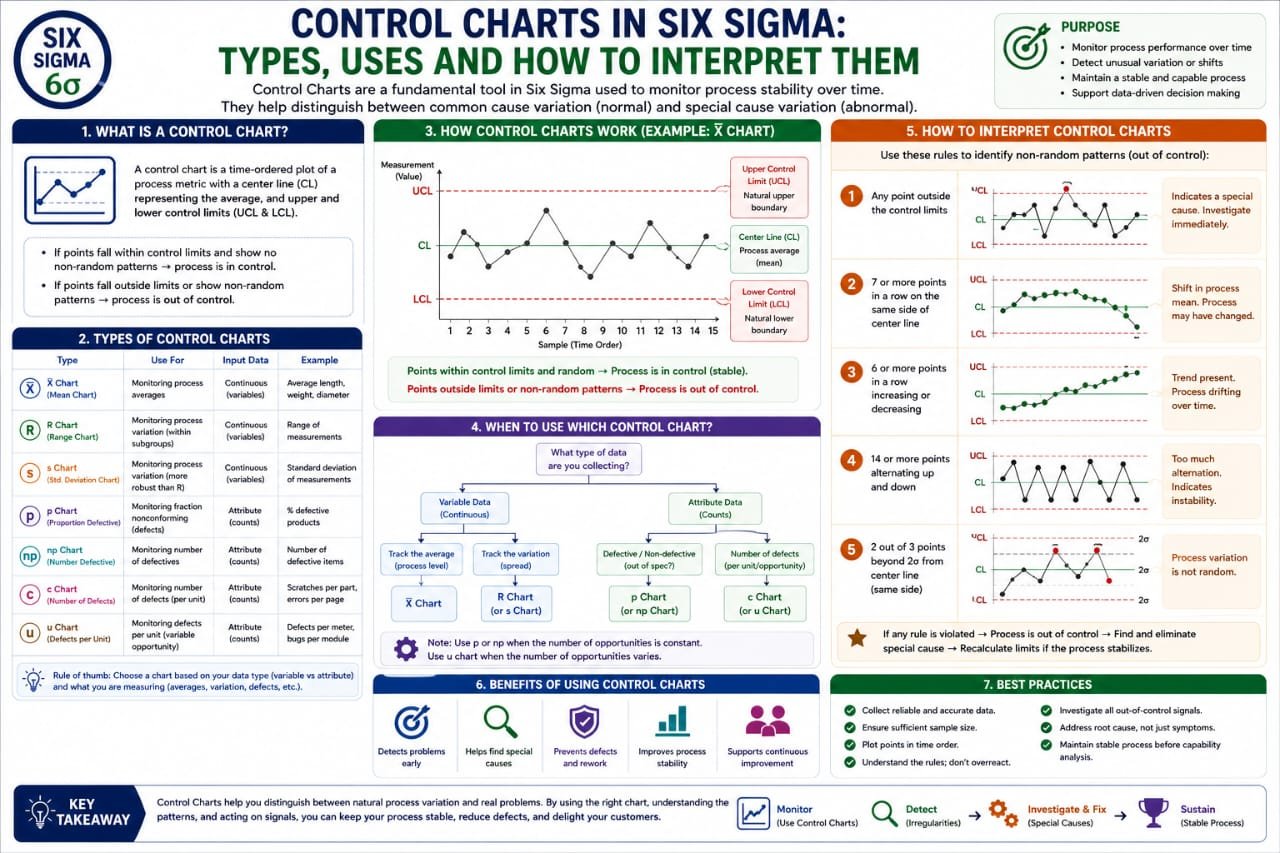
Once changes are implemented, it’s crucial to monitor their effectiveness. Use control charts and ongoing data analysis to ensure that sustainability goals are being met and maintained.
The Benefits of Lean Six Sigma in Supporting ESG Goals
Integrating Lean Six Sigma into your sustainability initiatives can lead to numerous benefits:
Real-World Examples of Lean Six Sigma in Action
Numerous companies in India and globally have successfully implemented Lean Six Sigma to achieve their sustainability goals:
1. Tata Steel
Tata Steel, one of India’s leading steel producers, has adopted Lean Six Sigma to enhance operational efficiency while reducing its carbon footprint. By focusing on process improvements and waste reduction, the company has significantly decreased its energy consumption.
2. Mahindra & Mahindra
Mahindra & Mahindra utilizes Lean Six Sigma methodologies to streamline its manufacturing processes. The company has reported improvements in resource utilization and waste reduction, contributing to its overall sustainability objectives.
FAQs
What is Lean Six Sigma?
Lean Six Sigma is a methodology that combines Lean manufacturing principles and Six Sigma techniques to improve business processes by eliminating waste and reducing variability.
How does Lean Six Sigma contribute to sustainability?
By streamlining processes, reducing waste, and optimizing resource use, Lean Six Sigma supports sustainability goals, including environmental protection and operational efficiency.
What are ESG goals?
ESG goals refer to the environmental, social, and governance criteria used to evaluate a company's ethical impact and sustainability practices.
Can Lean Six Sigma be applied in service industries?
Yes, Lean Six Sigma can be applied in service industries to improve processes, enhance customer satisfaction, and reduce operational waste.
Conclusion
As businesses in India increasingly focus on sustainability and ESG criteria, Lean Six Sigma provides a robust framework for achieving these goals. By integrating lean six sigma sustainability practices into their operations, organizations can drive sustainable manufacturing, enhance their ESG process improvement, and achieve long-term operational sustainability.
If your organization is looking to improve its sustainability practices and enhance operational efficiency, consider implementing Lean Six Sigma methodologies today. Let's work together to create a greener and more sustainable future for India!
Call to Action: Interested in learning more about how Lean Six Sigma can transform your business's sustainability efforts? Contact us today to explore tailored solutions for your organization!