

In today's competitive job market, crafting a standout business analyst resume is essential for landing your dream job. A well-structured resume can make the difference between getting an interview or being passed over for other candidates. This guide will walk you through the vital components of a business analyst resume, focusing on the necessary skills, projects to showcase, and keywords that can help your application stand out.
Understanding the Role of a Business Analyst
Before diving into the specifics of your resume, it's important to understand the role of a business analyst (BA). Business analysts serve as a bridge between business needs and technology solutions. They analyze data, identify process improvements, and develop strategies to enhance operational efficiency. This multifaceted role requires a blend of technical skills, analytical thinking, and effective communication.
Essential Components of a Business Analyst Resume
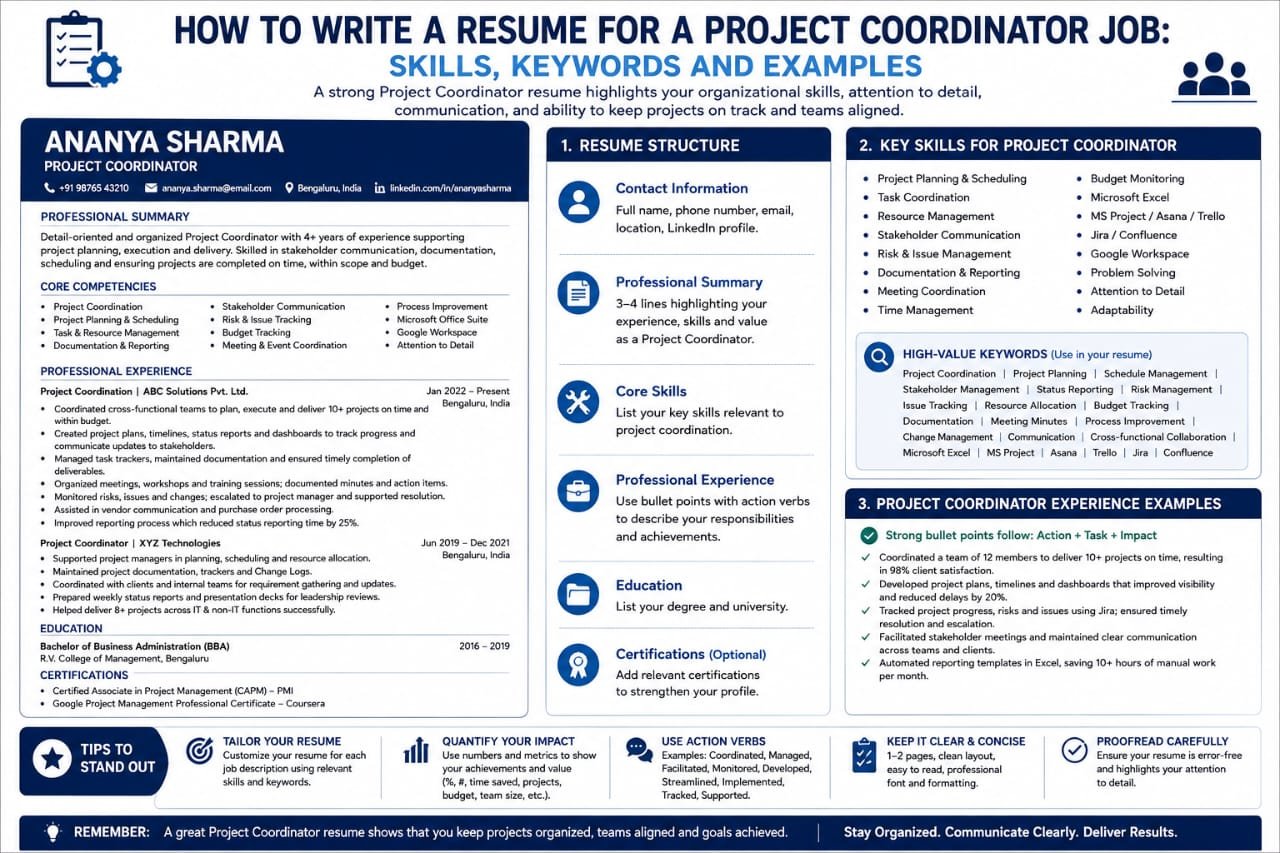
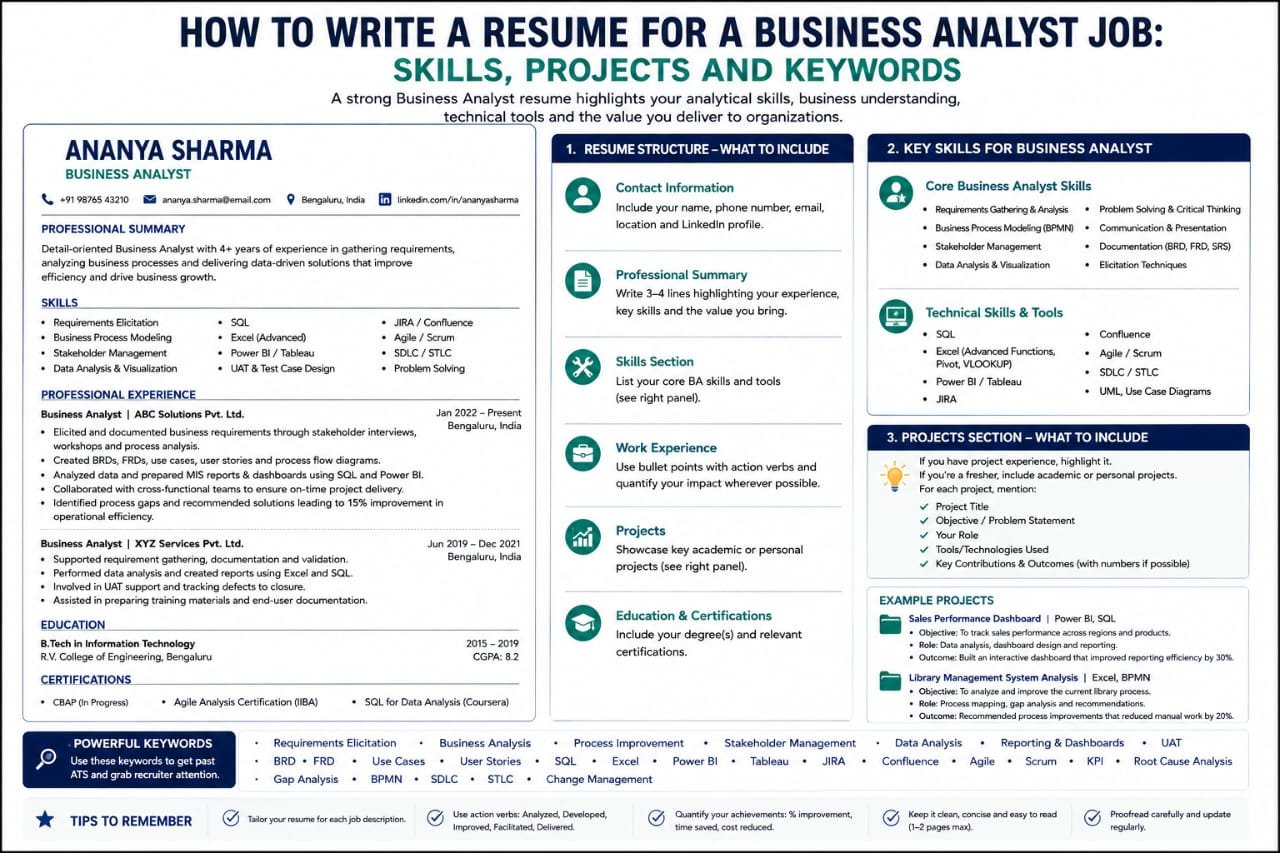
To create an effective business analyst resume, you'll need to include several key sections:
1. Contact Information
2. Professional Summary
Your professional summary should be a brief overview of your experience and expertise as a business analyst. Aim for 3-4 sentences that highlight your years of experience, key skills, and what you bring to the table. This section is crucial, as it sets the tone for the rest of your business analyst resume.
3. Skills Section
Highlight the business analyst skills resume section. This is where you list both hard and soft skills that are relevant to the role. Some essential skills for a business analyst include:
4. Experience Section
In the experience section, list your relevant work history in reverse chronological order. Include the following for each role:
Use bullet points for clarity and be sure to incorporate business analyst resume keywords naturally. Highlight specific projects you've worked on, emphasizing your contributions and the impact of your work.
5. Education and Certifications
List your educational qualifications, including:
Additionally, include any relevant certifications such as:
6. Projects Section
Showcasing relevant projects can significantly enrich your business analyst CV. Include a brief description of each project, your role, and the outcome. Clearly articulate how you contributed to the success of the project and the skills you utilized.
Formatting Your Business Analyst Resume
The business analyst resume format is crucial for readability and professionalism. Here are some tips on how to format your resume effectively:
Using Keywords Effectively
Incorporating the right business analyst resume keywords is critical for passing through Applicant Tracking Systems (ATS). Here are some tips for using keywords effectively:
BA Resume Examples
It's helpful to look at BA resume examples to get a better sense of structure and content. Here are two brief examples:
Example 1: Junior Business Analyst
Example 2: Senior Business Analyst
FAQs
1. What is the ideal length for a business analyst resume?
The ideal length for a business analyst resume is typically one to two pages, depending on your experience level.
2. How can I tailor my resume for different job applications?
You can tailor your resume by analyzing the job description and modifying your professional summary, skills, and experience sections to align with the specific requirements of the job.
3. Should I include my GPA on my resume?
It's generally advisable to include your GPA only if it is above 3.0 or if you are a recent graduate. Otherwise, focus on your experience and skills.
4. How can I make my resume stand out?
To make your resume stand out, use clear formatting, tailor it for each job application, use relevant keywords, and showcase quantifiable achievements.
Conclusion
Crafting a compelling business analyst resume is crucial to making a strong impression on potential employers. By focusing on the right skills, projects, and keywords, you can create a resume that captures your qualifications and sets you apart from the competition. Remember to keep your resume well-structured and tailored to each job application for the best results.
If you’re ready to take the next step in your career and need assistance with your resume, consider reaching out to a professional resume writing service or career coach. They can provide valuable insights and help you create an effective resume that showcases your skills and experience.
Happy job hunting!