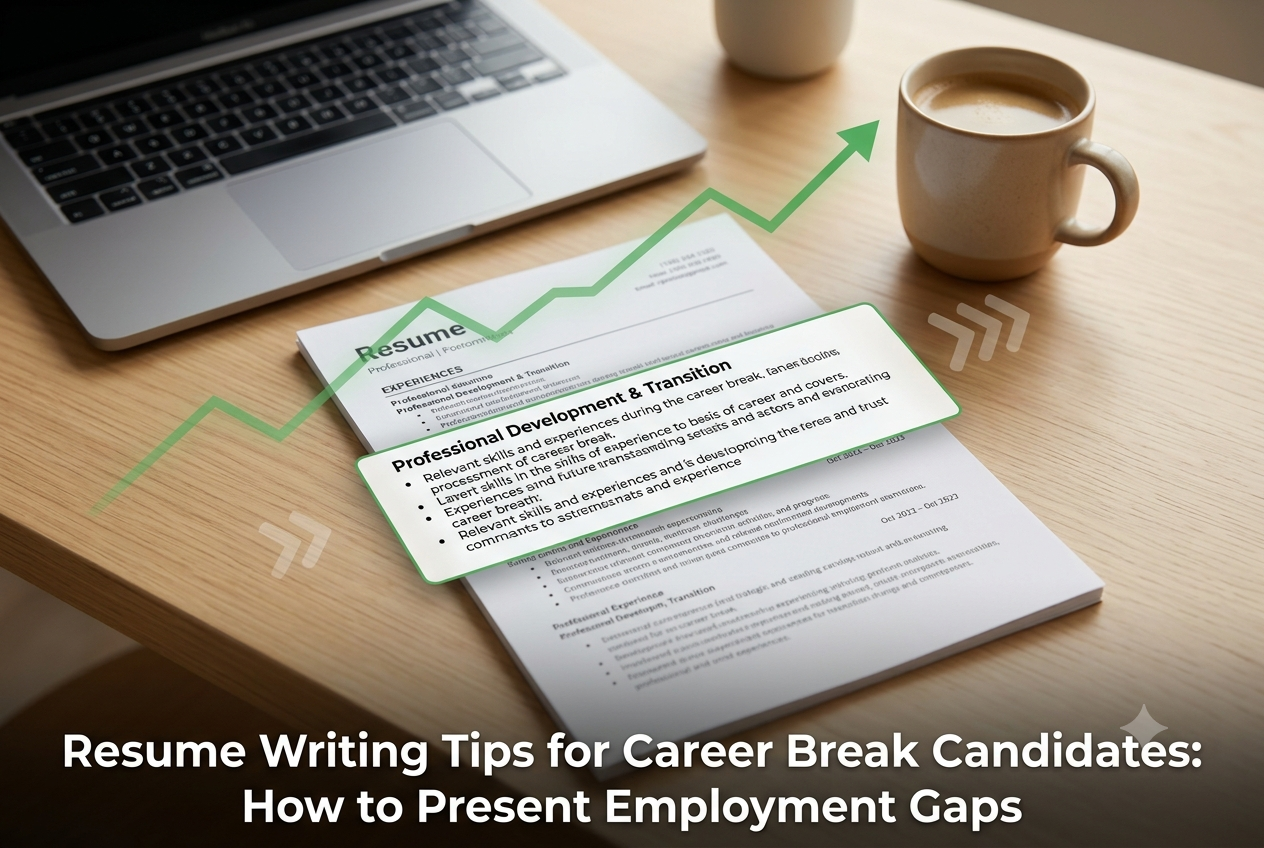
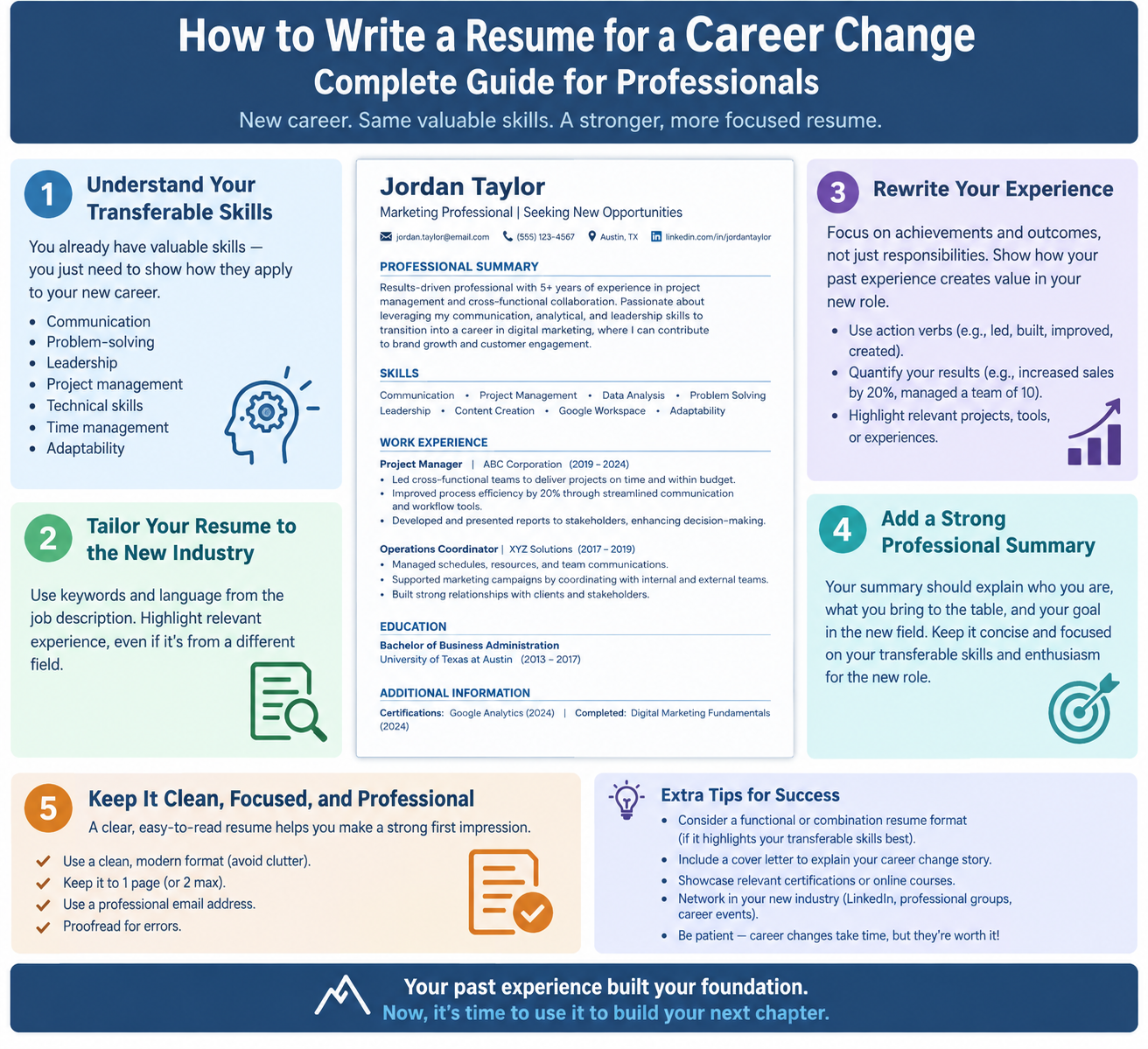

Are you considering a career change but feeling overwhelmed by the prospect of updating your resume? You're not alone! Many professionals in India find themselves looking to switch careers, whether to pursue a passion, adapt to economic changes, or simply seek new challenges. In this comprehensive guide, we will walk you through the essential steps to create a compelling career change resume that highlights your transferable skills and sets you up for success.
Understanding the Importance of a Career Change Resume
Your resume is often the first impression potential employers have of you. When making a career switch, it’s crucial to present a document that not only reflects your past experiences but also aligns with your new career goals. A well-crafted resume for career change should effectively communicate your value to prospective employers, demonstrating how your background can be an asset in a new industry.
Key Elements of a Career Change Resume
1. Choose the Right Career Change Resume Format
Selecting the appropriate career change resume format is vital. The three main formats to consider are:
2. Craft a Compelling Summary or Objective Statement
Your summary or objective statement should encapsulate your career goals and the unique skills you bring to the table. Use this space to explain your desire to transition careers and how your previous experiences can benefit your new role.
3. Highlight Transferable Skills
When writing your career transition resume, focus on transferable skills that can apply to your new career. These may include:
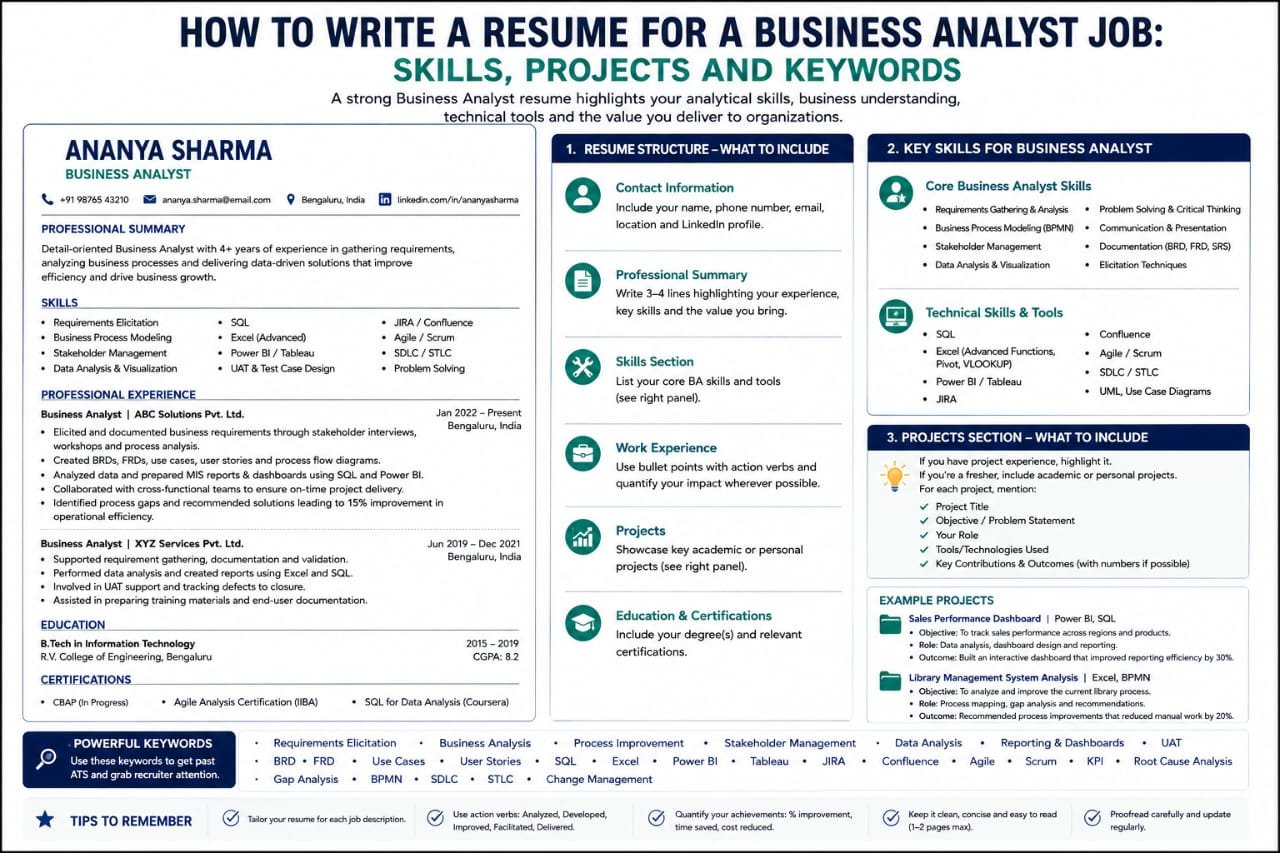
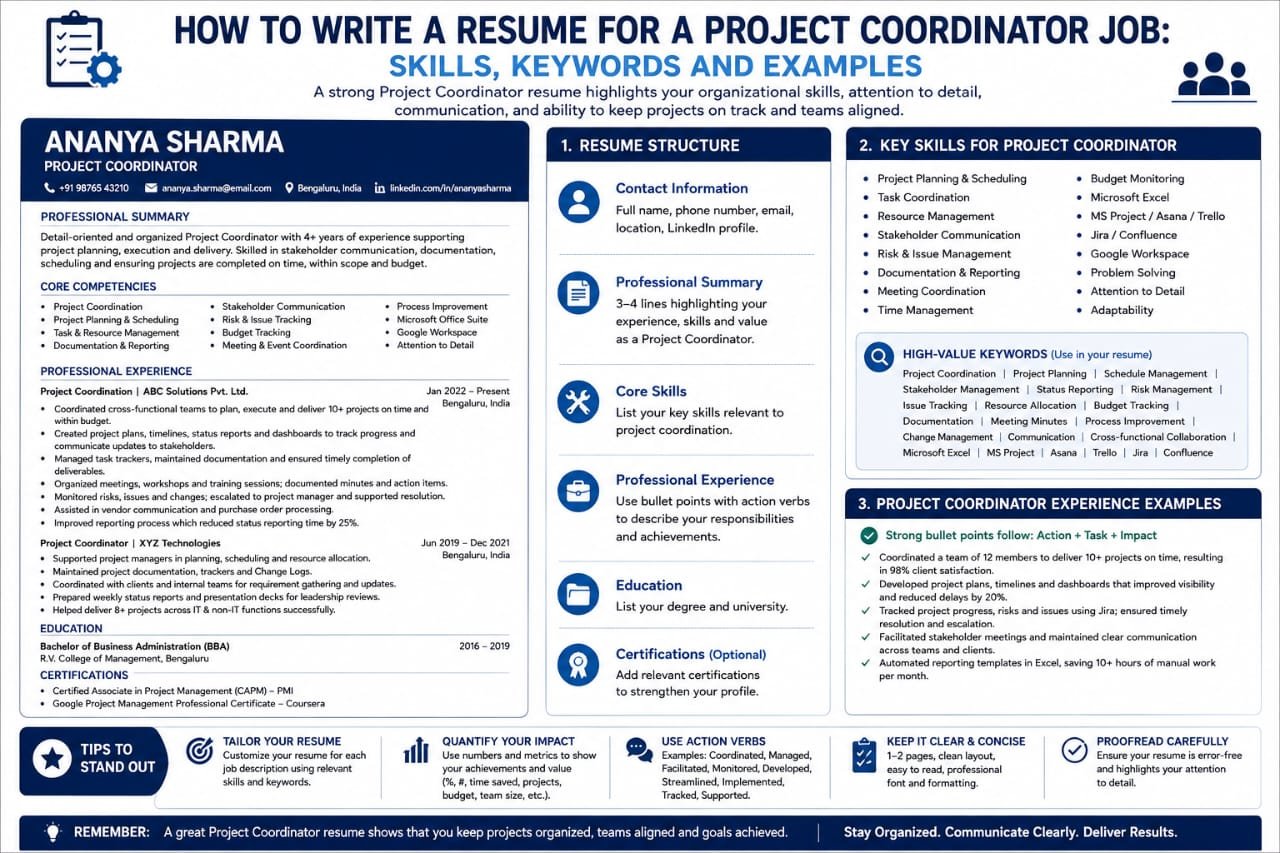
4. Tailor Your Work Experience
While listing your work experience, emphasize roles and responsibilities that relate to your desired position. Use action verbs and quantify your achievements to demonstrate your contributions effectively. For example, instead of saying, "Responsible for managing a team," you could say, "Led a team of 10 in a project that increased efficiency by 30%."
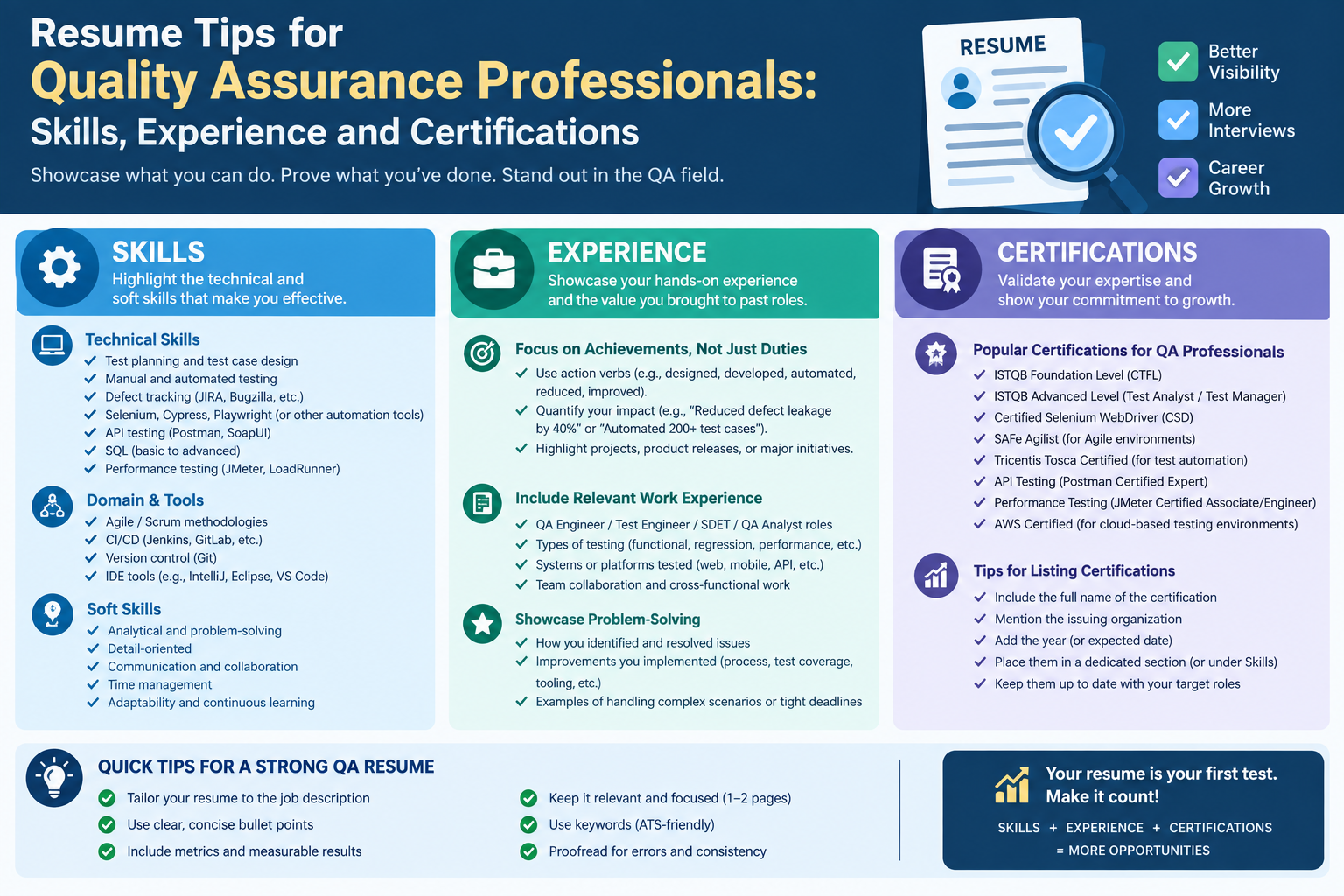
5. Include Relevant Education and Certifications
Employers value relevant education and certifications, especially when transitioning to a new field. Ensure you include any courses, workshops, or certifications that align with your new career path. If you have completed any online courses or training programs, include those as well.
6. Leverage Networking and Recommendations
Having references or recommendations from professionals in your target industry can significantly enhance your professional career change resume. If possible, ask former colleagues or mentors to provide testimonials that vouch for your skills and adaptability.
Tips for Writing a Successful Career Change Resume
1. Use Keywords Strategically
Incorporating keywords relevant to the job description is essential for passing through Applicant Tracking Systems (ATS). Research common terms used in job postings for your targeted role and weave them naturally into your resume.
2. Keep It Concise and Clear
Your resume should be no longer than two pages. Use clear headings and bullet points to make it easy for hiring managers to skim through your experiences and qualifications quickly. Avoid jargon or overly complex language.
3. Proofread and Edit
Before sending out your resume, thoroughly proofread and edit for grammatical errors and typos. A polished resume reflects your attention to detail and professionalism.
4. Consider Professional Help
If you're feeling particularly unsure about your resume, consider hiring a professional resume writer who specializes in resume writing for career change. They can provide tailored advice and help you craft a resume that stands out.
FAQs About Career Change Resumes
1. How do I explain my career change in my resume?
Use your summary or objective statement to clarify your career transition. Highlight transferable skills and relevant experiences to illustrate your suitability for the new field.
2. Should I include unrelated work experience?
Yes, but only if you can frame it in a way that demonstrates transferable skills. Focus more on skills and achievements rather than the specifics of the roles.
3. How can I showcase my skills if I lack direct experience in the new field?
Emphasize your transferable skills, relevant coursework, and any volunteer work or internships related to your new career. Tailor your resume to highlight how these experiences relate to the job you are applying for.
4. Is it necessary to have a professional summary?
While not mandatory, a professional summary can be a powerful tool to quickly communicate your career goals and qualifications to potential employers.
5. How can I make my resume stand out?
Use a clean, professional design, include quantifiable achievements, and tailor your resume to each job application. Incorporating relevant keywords can also help your resume stand out to ATS.
Conclusion and Call to Action
Transitioning to a new career can be an exciting yet challenging journey. By following the guidelines outlined in this guide, you can create a career switch resume that effectively showcases your skills and experiences. Remember, a well-structured resume is your ticket to landing interviews in your desired field.
If you need further assistance or personalized help with your resume, feel free to reach out! Our team of experts is here to guide you through every step of your career transition. Start crafting your future today!