
In the ever-evolving job market of India, many professionals find themselves taking a career break for various reasons—be it for personal, educational, or health-related purposes. When it comes to re-entering the workforce, the biggest challenge often lies in how to present these employment gaps on a resume. A well-crafted resume for career break candidates can open doors to new opportunities. In this blog, we will discuss essential resume writing for career break candidates and provide practical tips on how to address employment gaps effectively.
Understanding Employment Gaps
Before diving into the specifics of writing a career break resume, it’s crucial to understand what constitutes an employment gap. An employment gap is a period during which an individual is not engaged in formal work. This can occur for various reasons, including:
Regardless of the reason, the key is to address these gaps confidently and positively in your resume.
Crafting Your Career Break Resume
1. Choose the Right Format
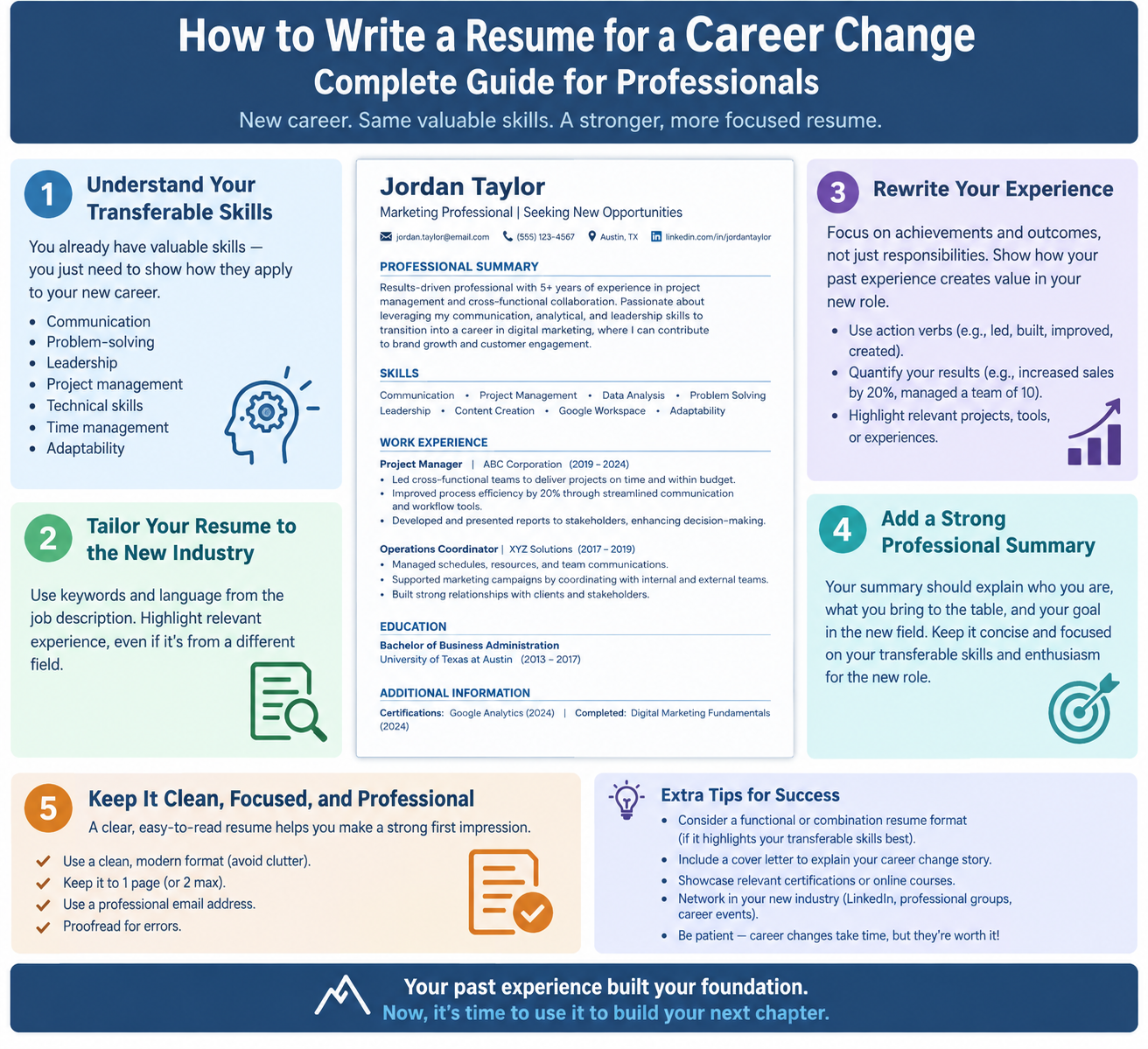
The format of your resume plays a crucial role in how your employment gap is perceived. Consider using a functional or combination format instead of a traditional chronological format. A functional resume focuses on skills and experiences rather than a timeline, making it easier to downplay gaps.
2. Emphasize Skills and Achievements
When crafting your employment gap resume, highlight your skills and achievements that are relevant to the job you are applying for. Use bullet points to list your accomplishments during your career, as well as any skills you developed during your career break. This could include:
This approach shifts the focus from your employment gap to the value you can bring to a potential employer.
3. Provide a Clear Explanation
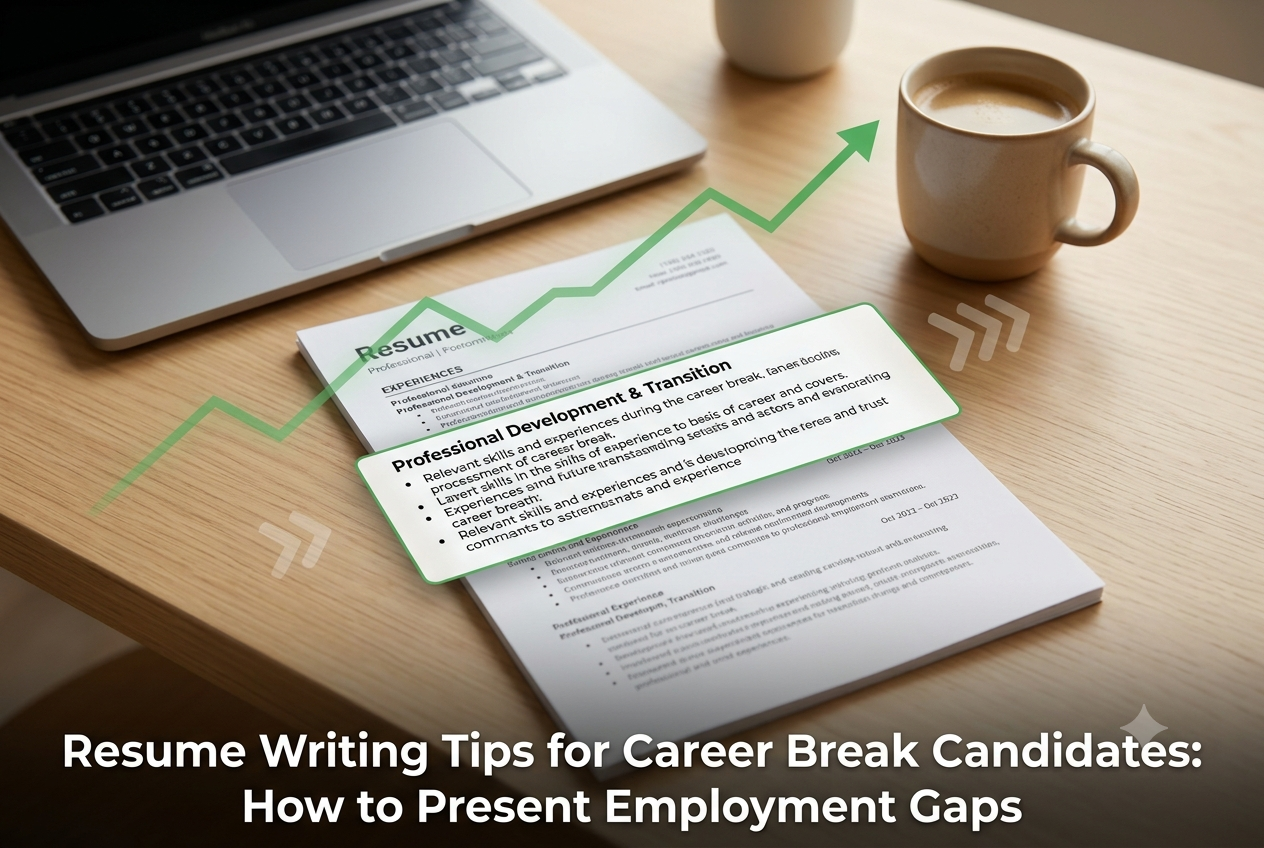
While it’s important to focus on your skills, it’s equally essential to provide a concise explanation for your career gap. You can include a brief statement in your cover letter or a summary section of your resume. For example:
This format helps to normalize the gap while showcasing your commitment to personal growth.
4. Include Relevant Projects
If you engaged in any projects during your career break, be sure to include them in your career gap resume. This could be freelance work or even personal projects that demonstrate your skills and initiative. For instance:
5. Tailor Your Resume for Each Job Application
Each job application is unique, and your resume should reflect the specific requirements and skills the employer is looking for. Tailoring your resume not only helps in addressing your employment gap effectively but also demonstrates your interest in the position. Highlight relevant experiences and skills that match the job description.
Career Gap Resume Examples
To give you a clearer idea of how to approach your resume, here are a couple of examples:
Example 1: Stay-at-Home Parent
Summary: Experienced marketing professional returning to the workforce after a career break to focus on family. Completed various online courses in digital marketing and volunteered for local NGOs.
Example 2: Health-Related Career Break
Summary: IT specialist with a background in software development. Took a career break for health reasons and used the time to enhance technical skills through online courses.
How to Explain Your Career Gap in an Interview
Once your resume has opened the door, it’s essential to prepare for questions regarding your employment gap during interviews. Here are some tips on how to explain your career gap:
FAQs
1. How do I address a long career gap on my resume?
Focus on highlighting relevant skills and experiences, provide a brief explanation for the gap, and consider using a functional resume format that emphasizes your qualifications over the timeline.
2. Should I mention my career break in my resume?
Yes, it is advisable to mention your career break, especially if it is significant. Acknowledging it openly demonstrates honesty and transparency.
3. Can volunteering during a career break help my resume?
Absolutely! Volunteering can showcase your skills, dedication, and willingness to stay engaged in your field. Be sure to highlight any relevant experiences in your resume.
4. What if I didn’t do anything during my career break?
If you didn’t engage in formal work or projects, you can still mention any personal development activities, such as taking care of family, pursuing hobbies, or self-study that could be relevant to your career.
Conclusion
Re-entering the workforce after a career break can be challenging, but with the right approach to your employment gap resume, you can present yourself as a strong candidate. Remember to focus on your skills, provide clear explanations for your career gap, and tailor your resume for each application. With these tips, you’ll be well on your way to landing your next opportunity. If you need personalized assistance in crafting your resume, feel free to reach out!
Call to Action: Ready to update your resume and tackle that career break head-on? Contact us today for expert resume writing services tailored specifically for career break candidates!