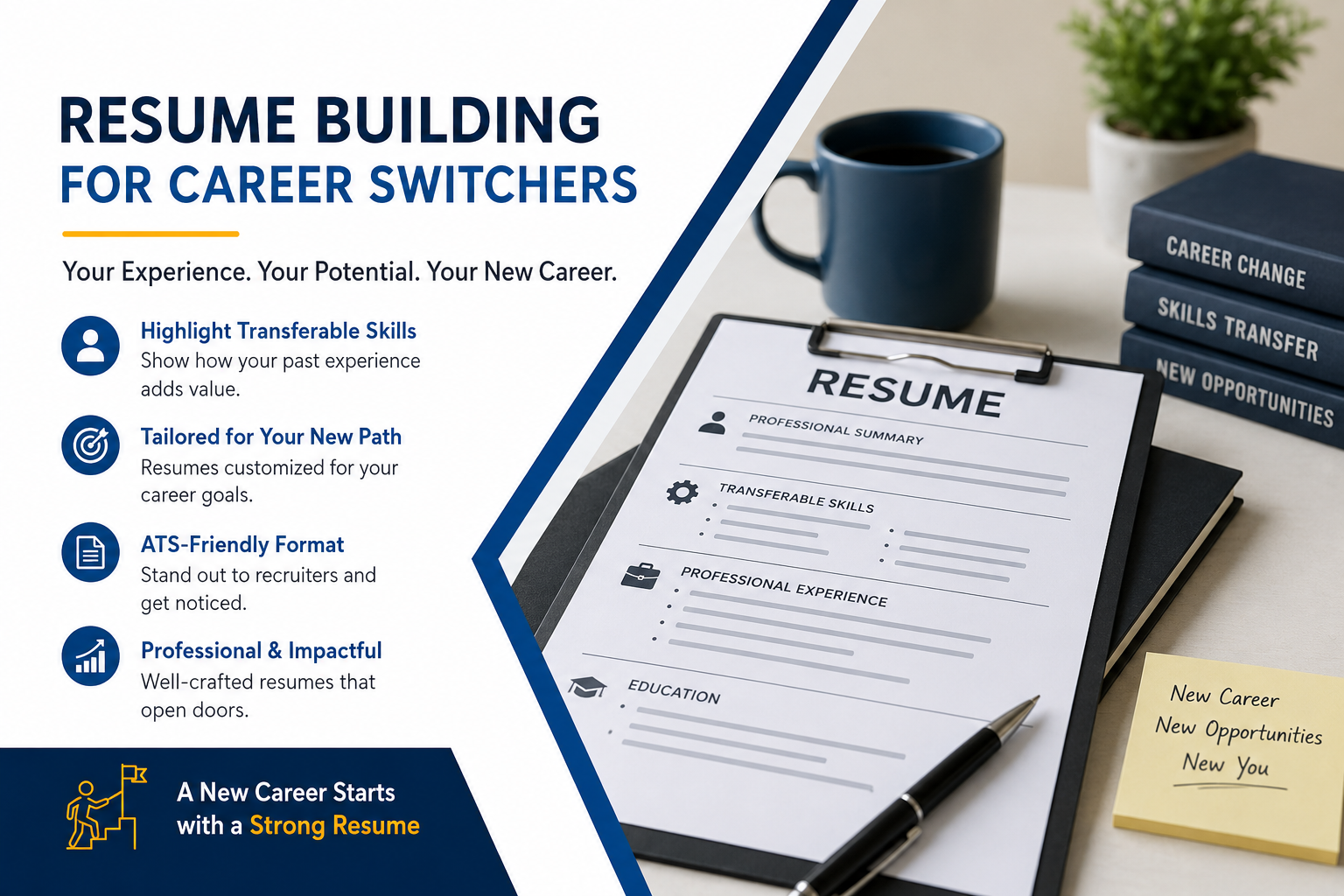

Resume Building for Career Switchers: A Comprehensive Guide
Are you contemplating a career change? Whether you’re looking to explore new interests or seeking better opportunities, transitioning to a new field can be both exciting and daunting. A crucial step in this journey is to create an effective career change resume that highlights your transferable skills and makes a strong case for your candidacy. In this guide, we’ll discuss how to build a compelling resume for career transition that catches the eyes of recruiters and hiring managers.
Understanding the Importance of a Tailored Resume
When switching careers, your resume needs to reflect not just your past experiences but also your future potential. A well-crafted resume serves as your marketing tool, showcasing your unique value proposition to employers in a new industry. Here are a few reasons why a tailored resume is essential for career switchers:
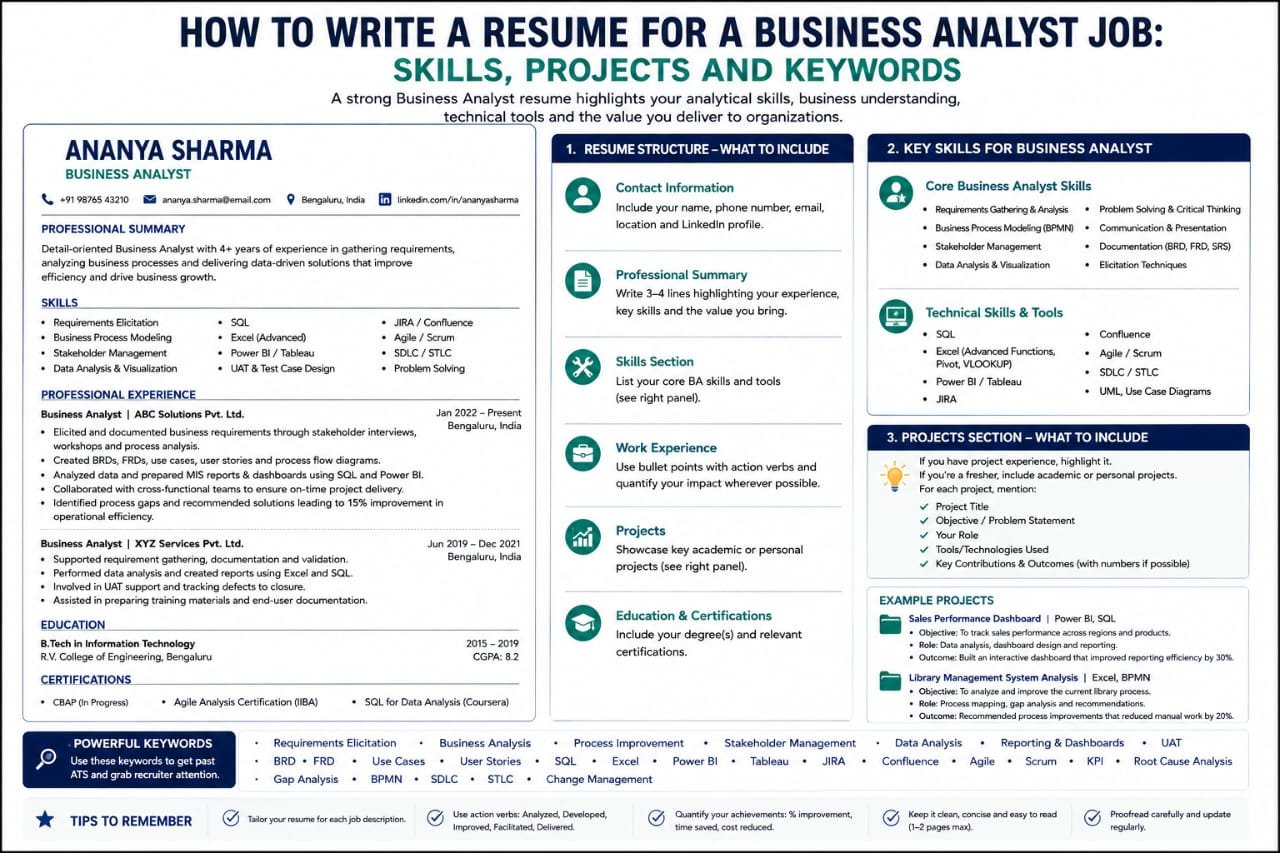
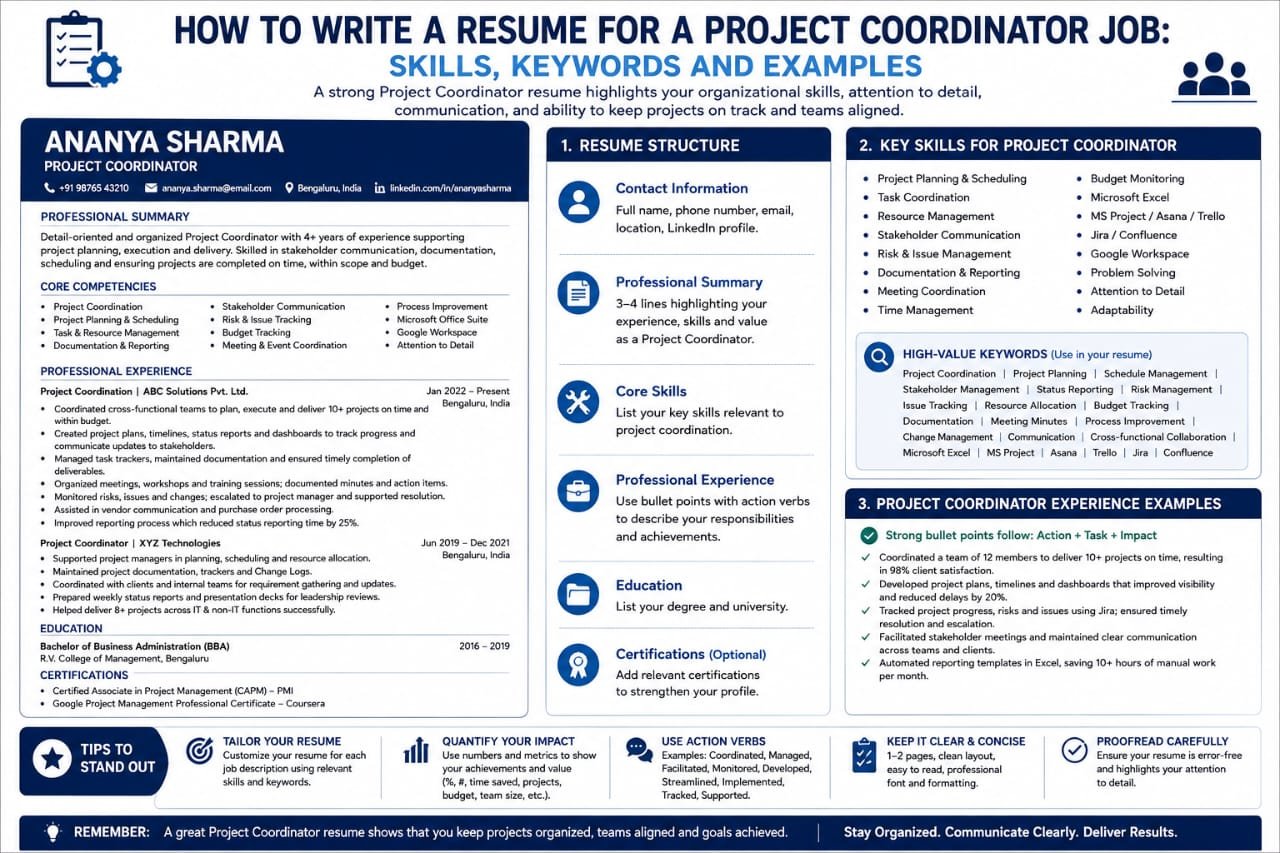
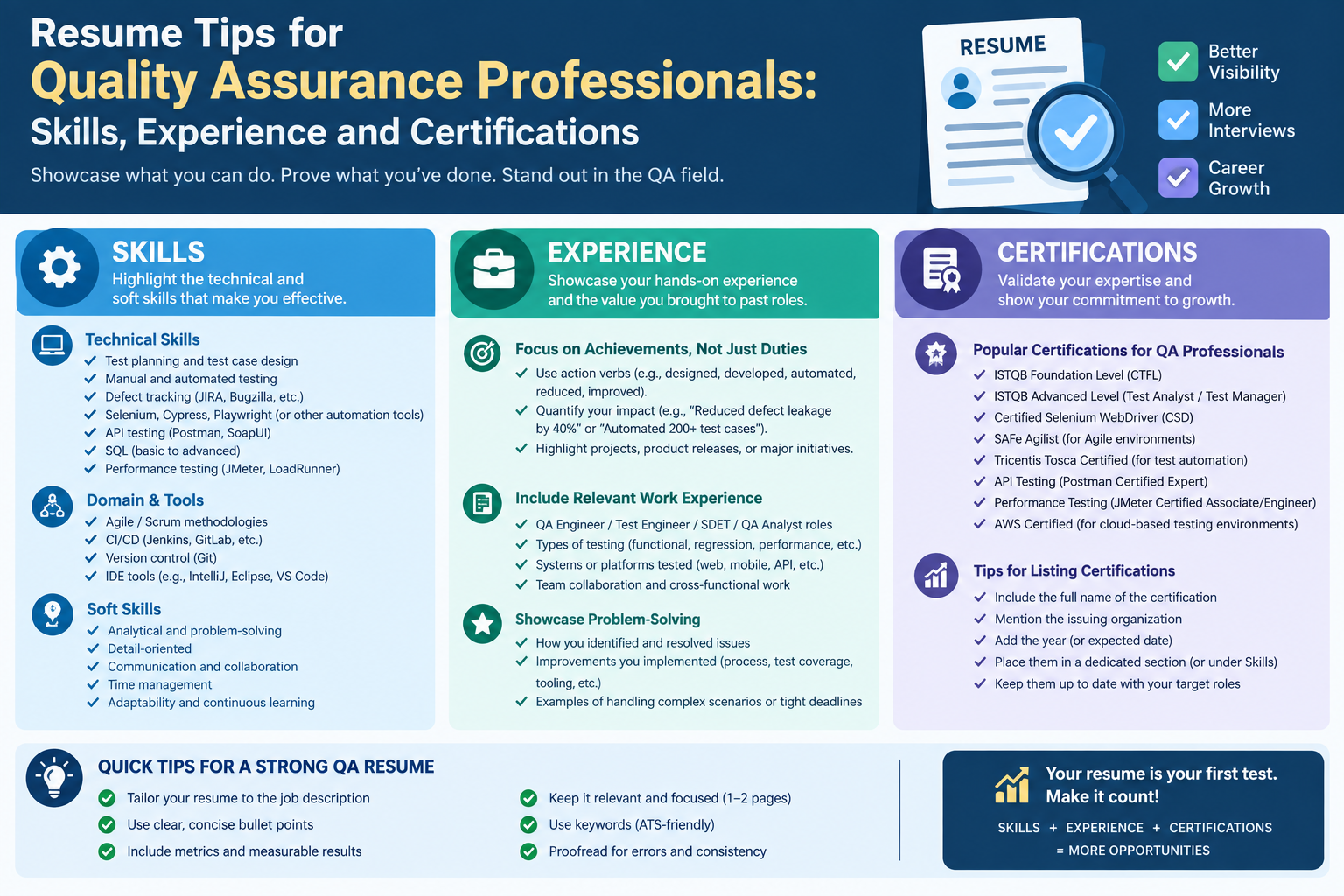
Key Components of a Career Change Resume
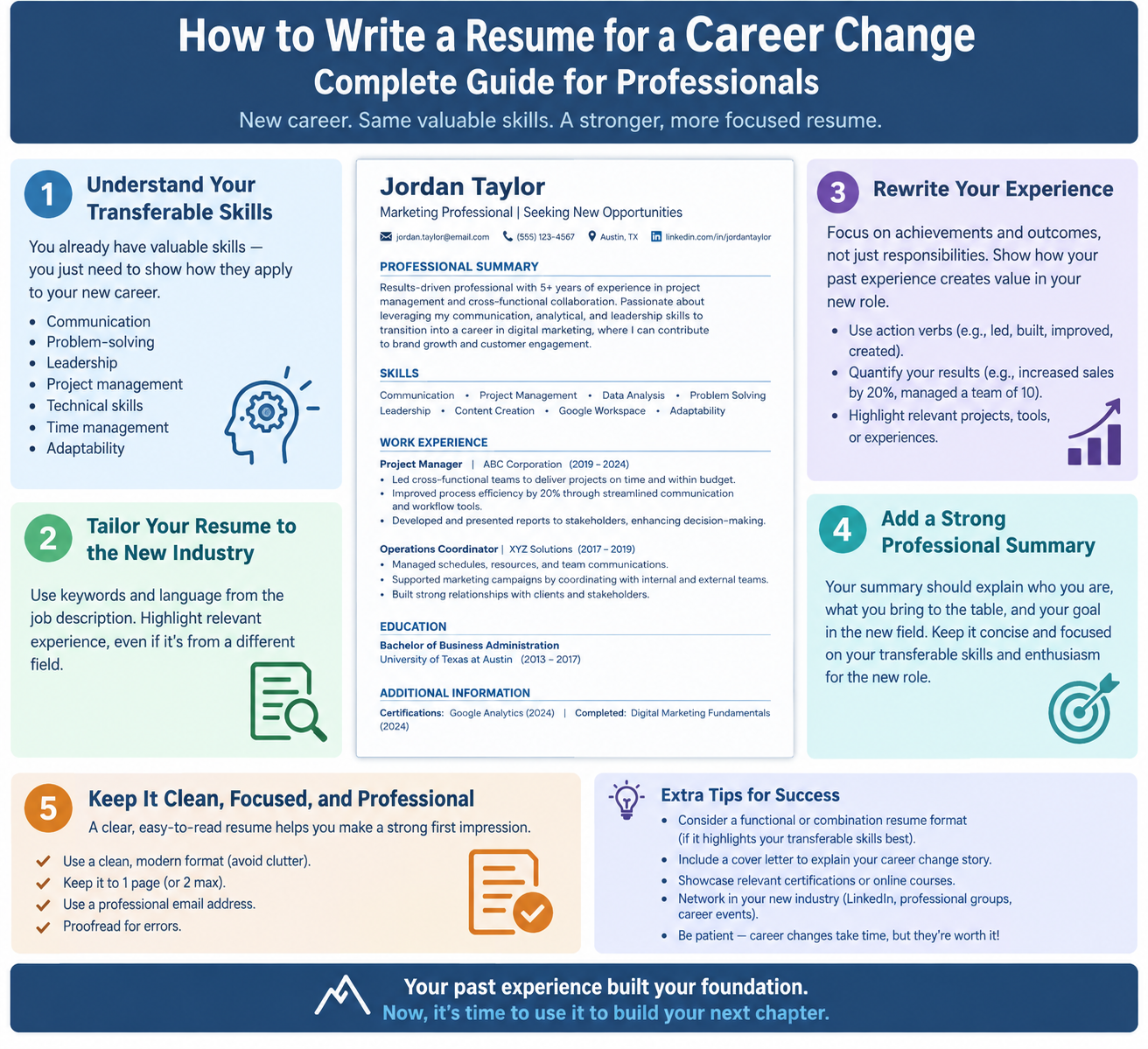
1. Start with a Strong Summary Statement
Your resume should begin with a powerful summary statement that encapsulates your career aspirations and key qualifications. This section should be concise, ideally 2-3 sentences, and should immediately grab the attention of the hiring manager. For example:
2. Focus on Transferable Skills
Highlighting transferable skills is critical when writing a resume for career transition. Consider the skills you have developed in your previous roles that can be relevant to your new career path. These might include communication, problem-solving, project management, and leadership abilities. Use specific examples to illustrate how these skills have contributed to your previous successes.
3. Relevant Experience
If you have experience in a related field, make sure to highlight it prominently. Even if your past jobs don't directly align with your new career, focus on relevant projects or tasks that showcase your capabilities. Use bullet points to list achievements and responsibilities, quantifying them where possible. For instance:
4. Include Education and Certifications
In a career change, your education can play a vital role in demonstrating your qualification for a new industry. If you have completed any relevant courses or certifications, be sure to list them. Consider including online courses, workshops, or seminars that align with your new career goals, especially if you’ve recently upgraded your skills.
5. Professional Development and Networking
Showcase any networking efforts, professional memberships, or volunteer experiences that relate to your new career. This demonstrates your commitment to learning and growing within the new field. For example:
Formatting Your Career Change Resume
1. Keep It Simple and Clean
A clear and professional format is essential for your resume. Use standard fonts like Arial or Times New Roman, and keep the font size between 10-12 points. Use headings and bullet points to break up text and make it easy to read.
2. One Size Doesn’t Fit All
Customize your resume for each job application. Use keywords from the job description to help your resume pass through Applicant Tracking Systems (ATS). Tailoring your content for specific roles can significantly increase your chances of being noticed.
3. Limit to One Page (If Possible)
While you may have a wealth of experience, a one-page resume is often sufficient for most positions, especially if you’re switching to a new industry. Avoid lengthy descriptions and focus on the most relevant information.
Common Mistakes to Avoid
1. Using a Generic Resume
A one-size-fits-all approach can hurt your chances of landing an interview. Each position requires a unique resume that speaks to the specific skills and experiences relevant to that role.
2. Overloading with Irrelevant Information
While you may have diverse experiences, focus on what is pertinent to your new career. Irrelevant details can detract from the strengths that matter most to the hiring manager.
3. Neglecting to Proofread
Spelling and grammatical errors can undermine your professionalism. Always proofread your resume multiple times and consider asking a friend or mentor to review it.
FAQs About Resume Building for Career Switchers
1. How do I explain my career change in my resume?
In your summary statement, briefly mention your motivation for the career change. Highlight transferable skills and relevant experiences that align with the new industry.
2. Should I include all my previous work experience?
Focus on the most relevant work experiences that demonstrate your skills for the new role. You can summarize older or unrelated positions to keep your resume concise.
3. How can I make my resume stand out?
Use quantifiable achievements, tailor your resume for each application, and incorporate industry-specific keywords to enhance your visibility to recruiters.
4. Is it necessary to include a cover letter when applying for a career change?
Yes, a cover letter can complement your resume by providing more context about your career change and your passion for the new role. It’s an excellent opportunity to explain your motivations and showcase your personality.
Conclusion: Take the Leap!
Changing careers can be a transformative experience, and a well-crafted career change resume is your first step towards success. By focusing on your transferable skills, relevant experiences, and a tailored approach, you can create a resume that stands out to employers in your desired field. Remember, every career transition is unique, and with the right strategy, you can position yourself as the ideal candidate for your new journey.
Ready to build your career change resume? Contact us today for professional resume writing services tailored to your career transition needs!