
In today's fast-paced job market, keeping your resume up to date is crucial for career success. Whether you're actively seeking a new job or simply planning for the future, knowing when and how to update your resume can make a significant difference. This guide will explore the importance of resume maintenance, how often you should be making professional resume updates, and tips for effective resume optimization.
Why Is Updating Your Resume Important?
Your resume is often your first introduction to a potential employer. It's essential to ensure it reflects your most recent achievements, skills, and experiences. Here are some reasons why regular resume maintenance is necessary:
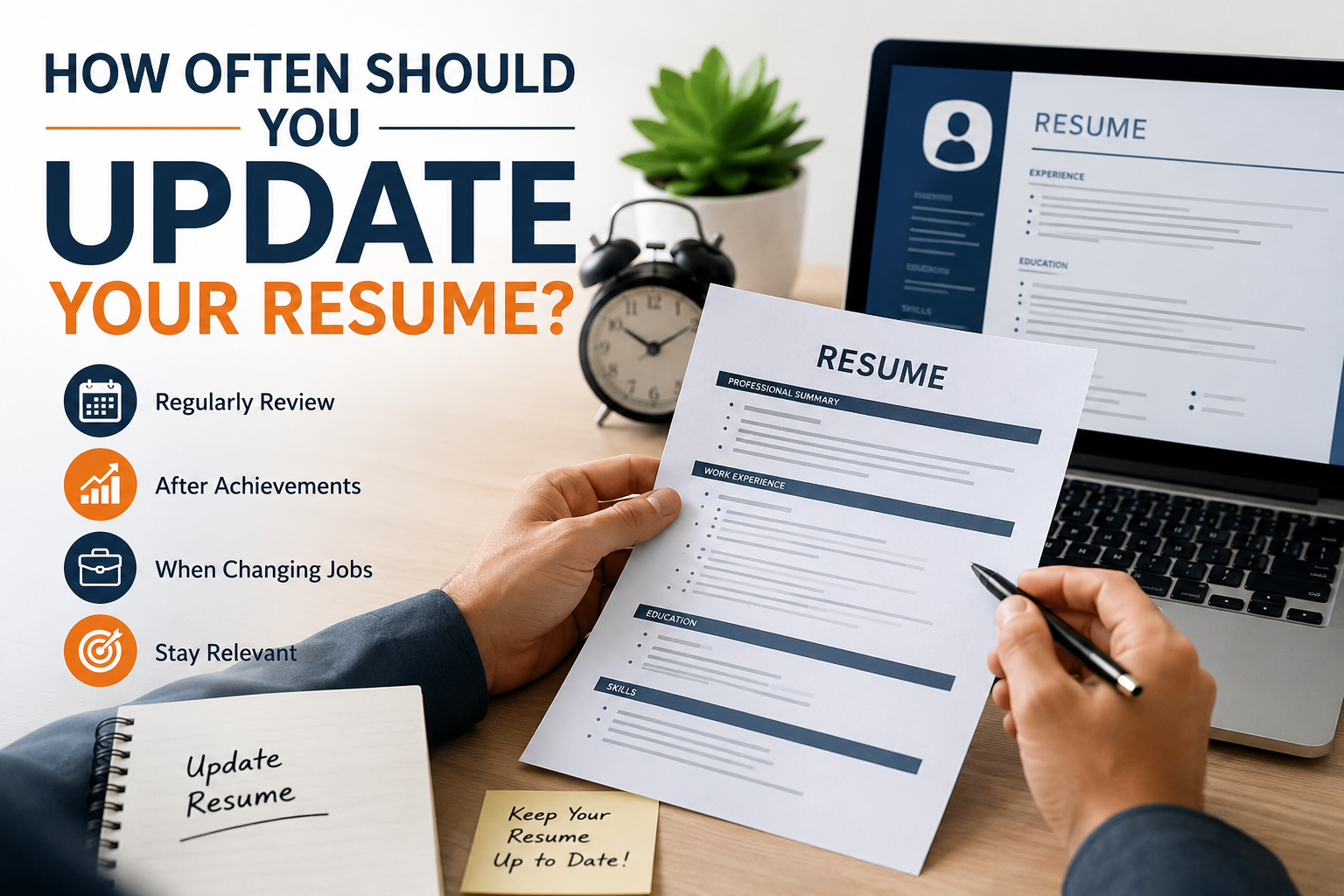
How Often Should You Update Your Resume?
There’s no one-size-fits-all answer to this question, but general guidelines can help you determine the best frequency for resume optimization.
1. After Any Significant Career Change
Whenever you change jobs, receive a promotion, or switch industries, it’s time to update your resume. These changes may significantly impact how you present your experience and skills.
2. Annually for Routine Maintenance
Even if you’re not actively seeking new employment, it’s wise to review and update your resume at least once a year. This practice can help you track your professional growth and ensure you don’t forget to include valuable experiences.
3. After Completing a Major Project or Course
Every time you finish a substantial project or complete a relevant course, consider updating your resume. These accomplishments can be vital for showcasing your expertise and commitment to continuous learning.
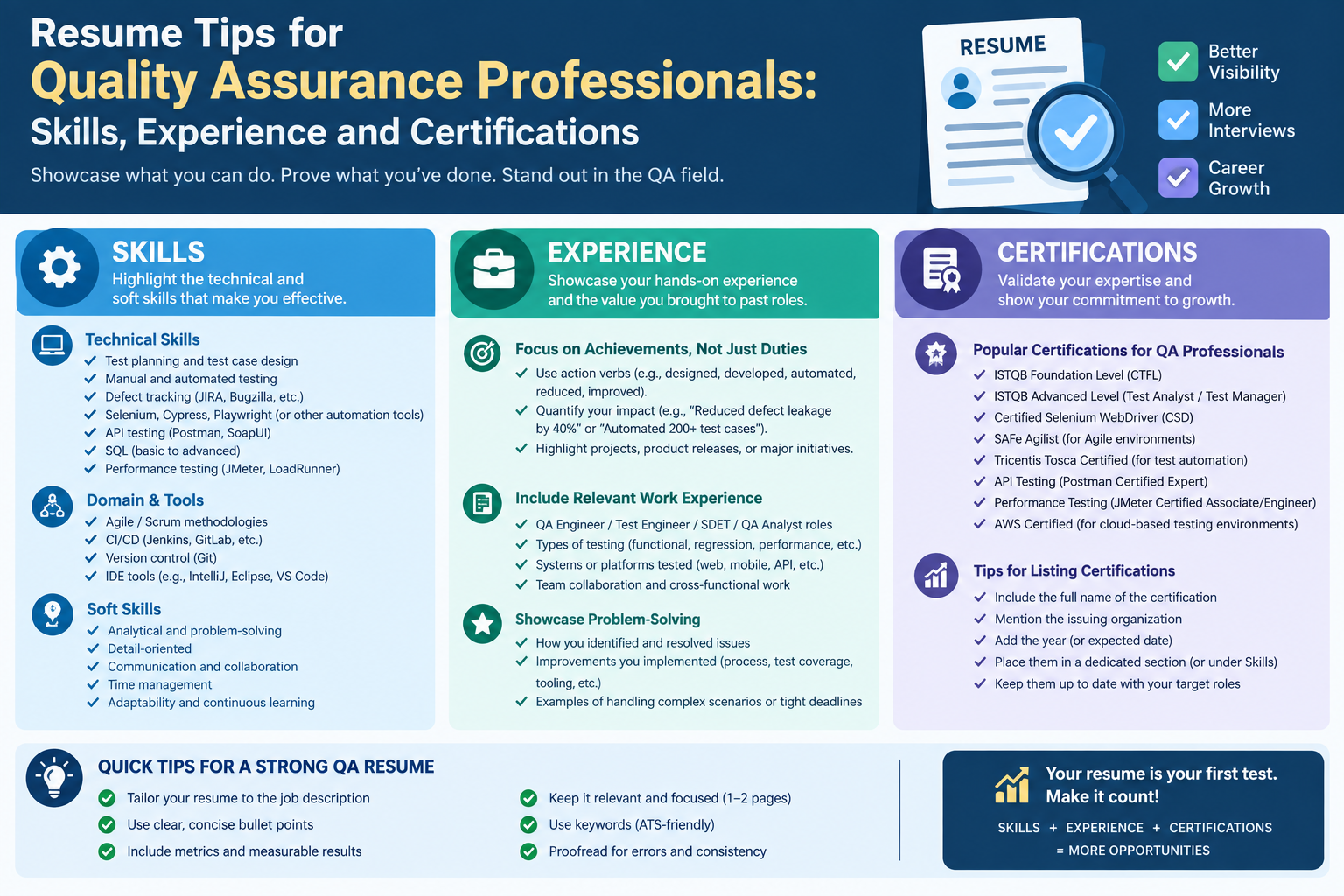
4. When You Acquire New Skills or Certifications
If you’ve learned new skills or earned certifications, make sure to include them in your resume. This is particularly important in fields where technology and best practices are constantly changing.
5. Before Job Applications
Before applying for any job, always tailor your resume to align with the specific role. This means updating it to highlight the most relevant experiences and skills that match the job description.
How to Optimize Your Resume for Maximum Impact
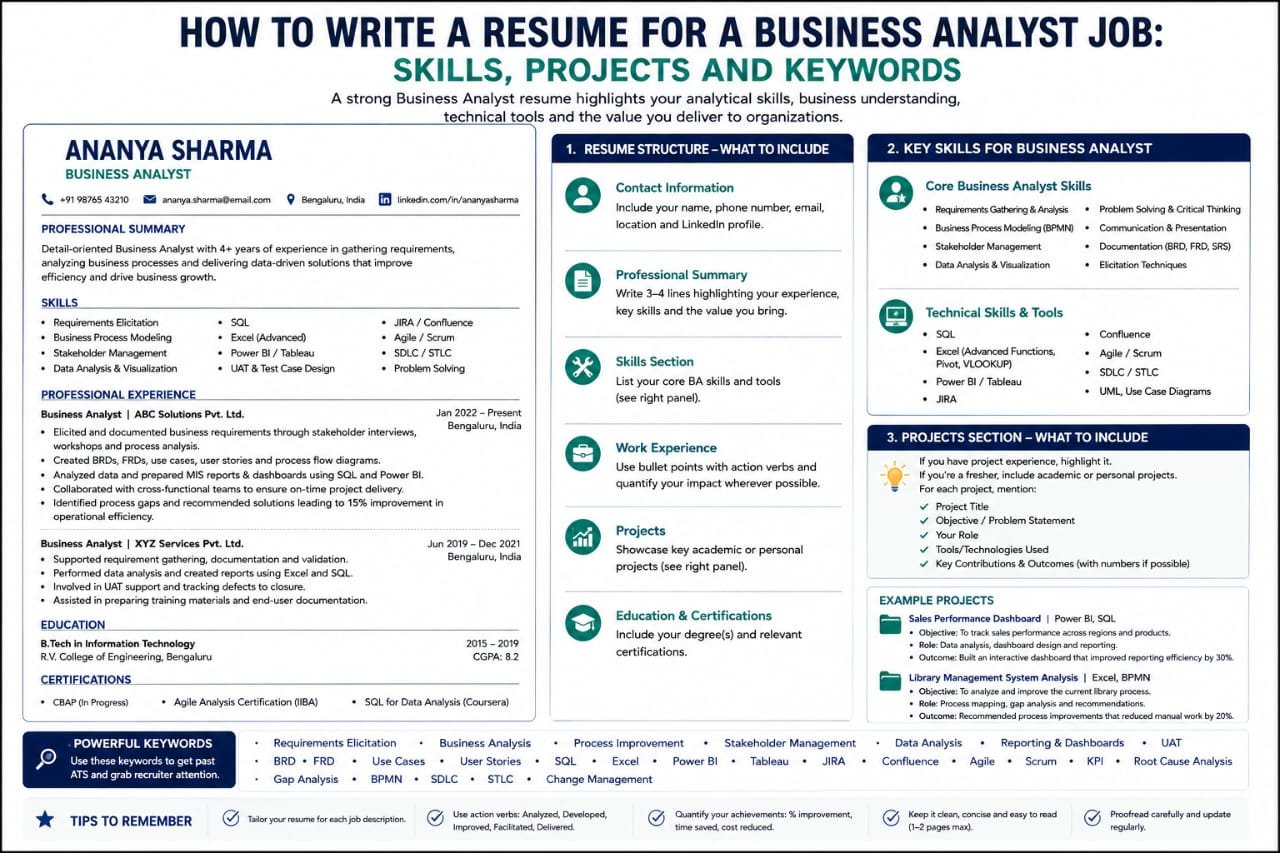
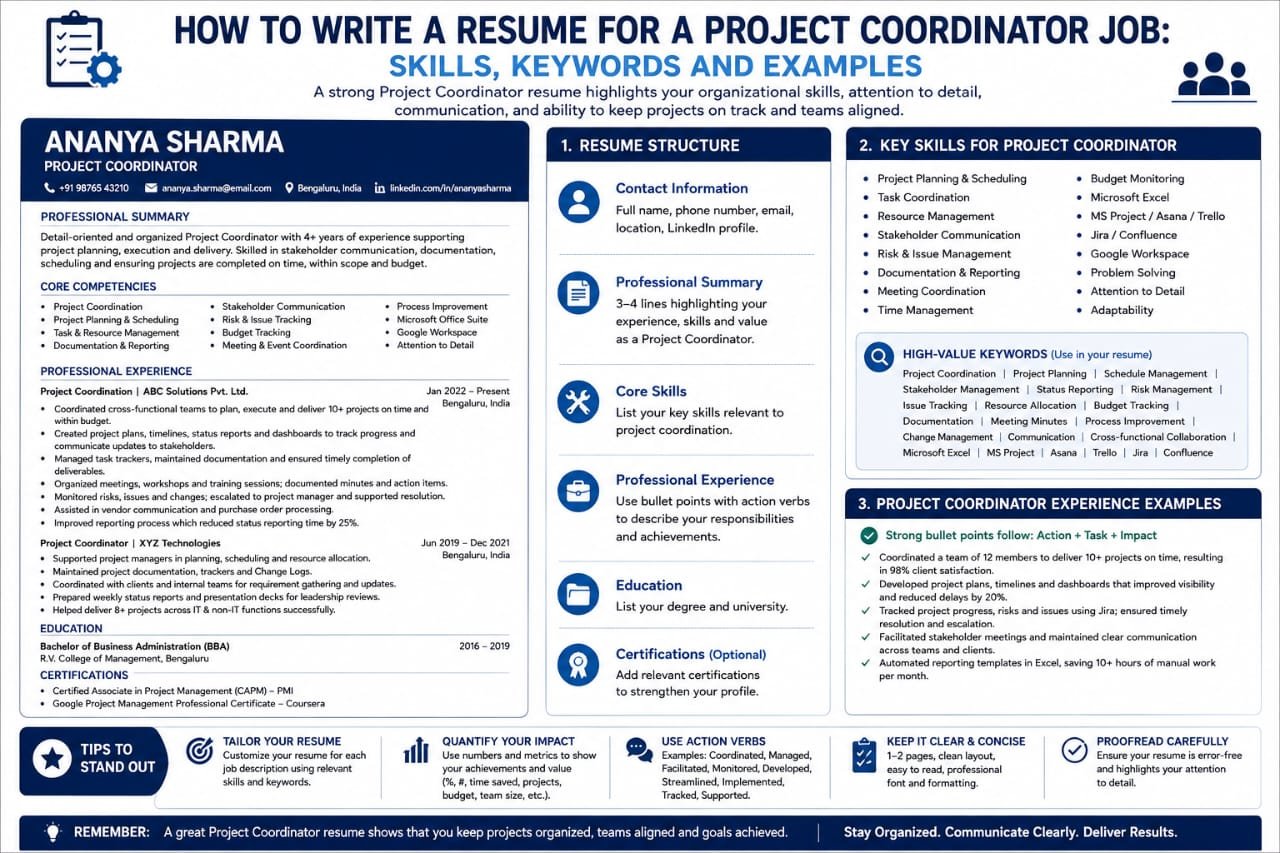
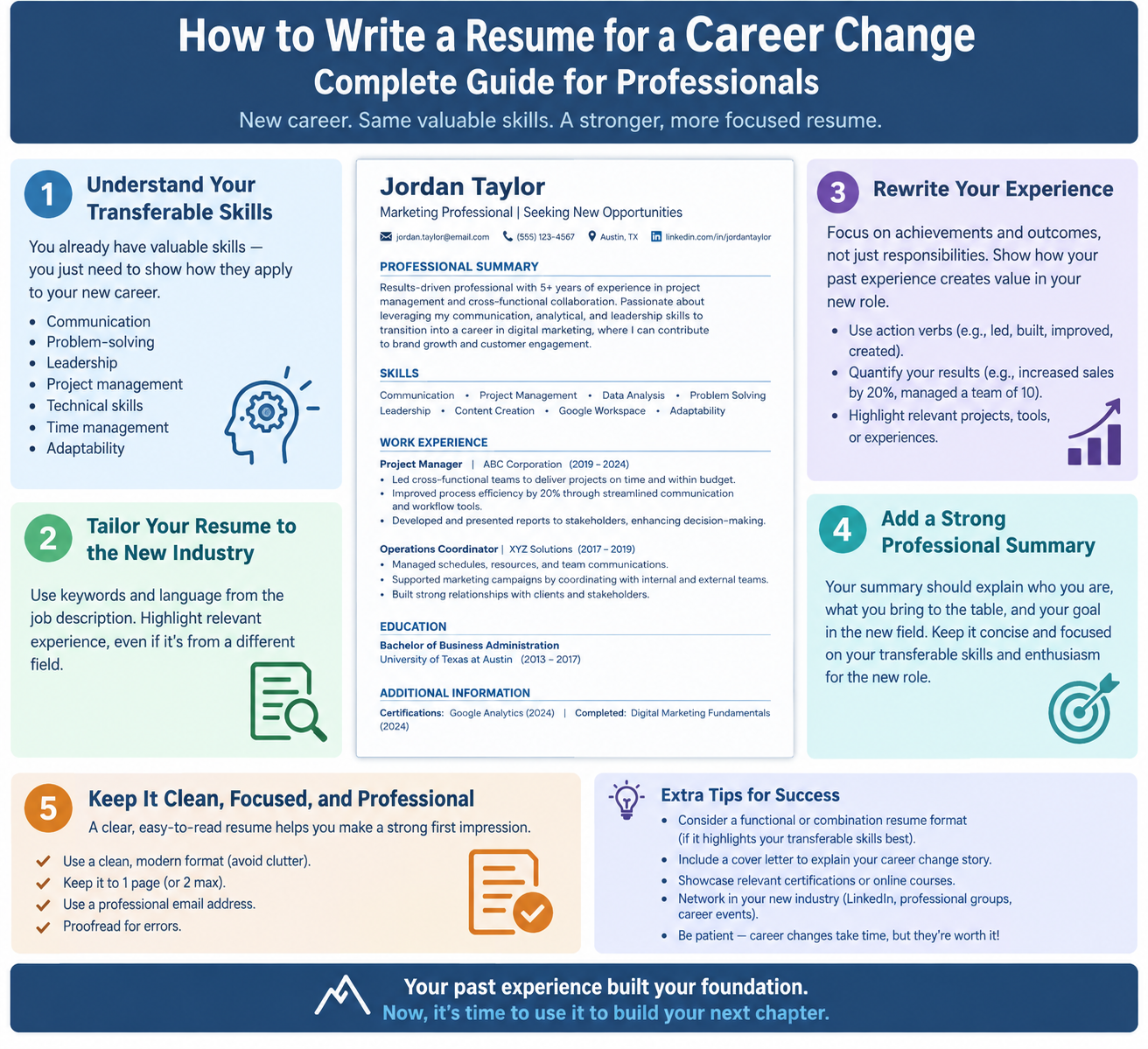
Updating your resume doesn’t just mean adding new information. It also involves optimizing the content to make it more appealing to employers. Here are some tips:
1. Use Action Verbs
Start each bullet point in your experience section with strong action verbs. Words like "developed," "managed," and "implemented" convey your contributions effectively.
2. Tailor Your Resume for Each Job Application
Customize your resume to fit each job application. Use keywords from the job description to ensure your resume resonates with the hiring manager and passes through Applicant Tracking Systems (ATS).
3. Keep It Concise
A resume should ideally be one page, especially if you have less than 10 years of experience. Remove outdated information and focus on relevant achievements that showcase your qualifications.
4. Highlight Relevant Experience
Always prioritize experiences that are relevant to the job you are applying for. This may mean moving certain roles higher on the list or removing less relevant positions altogether.
5. Utilize a Professional Format
Make sure your resume is easy to read. Use a clean, professional format with clear headings and bullet points to break up text.
Common Mistakes to Avoid When Updating Your Resume
While it’s important to keep your resume current, there are some common pitfalls to watch out for:
FAQs About Resume Updates
How often should I update my resume if I'm not job hunting?
Even if you're not actively looking for a job, it’s advisable to review your resume at least once a year to document any new skills or achievements.
Should I have different versions of my resume for different job applications?
Yes, tailoring your resume for each job application is essential. It allows you to highlight the experiences and skills that are most relevant to the specific job.
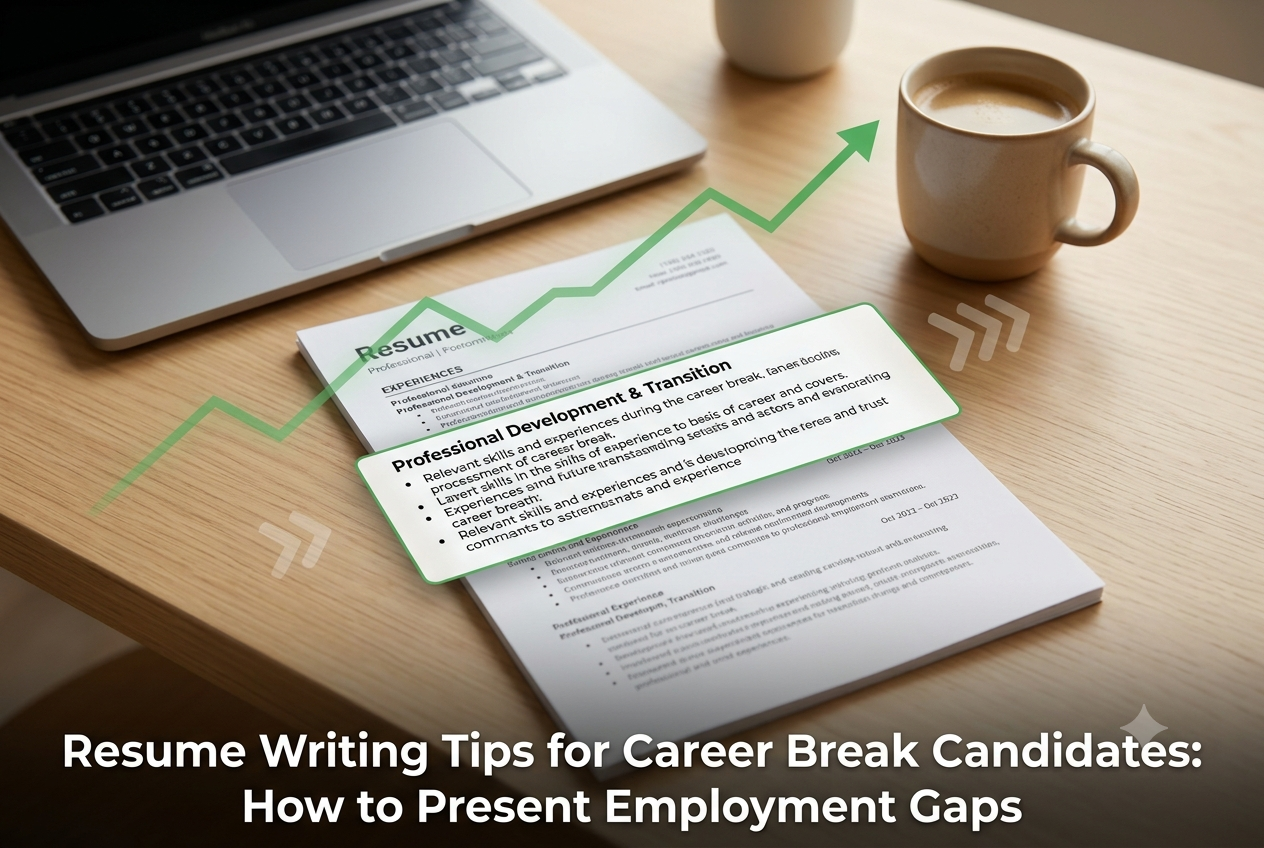
What should I do if I have gaps in my employment history?
Be honest about your employment gaps, and consider including any relevant activities during that time, such as volunteering, freelancing, or continuing education.
Is it better to use a one-page or two-page resume?
Generally, a one-page resume is recommended for those with less than 10 years of experience. However, if you have extensive experience, a two-page resume can be acceptable, as long as the content is relevant and concise.
Conclusion
Regularly updating your resume is crucial for effective career planning. By following the guidelines outlined in this article, you can ensure your resume remains a powerful tool that reflects your professional journey. Remember, a well-maintained resume not only prepares you for new opportunities but also keeps you confident in your career progression.
If you’re unsure where to start or need professional help with your resume optimization, don’t hesitate to reach out to career coaches or resume writing services. Your dream job awaits!
Call to Action: Ready to take your career to the next level? Begin by updating your resume today! Visit our website for expert tips and professional resume writing services tailored just for you.