

How Recruiters Spend Less Than 10 Seconds Reviewing Your Resume
In today’s competitive job market, your resume is often your first impression on potential employers. Did you know that recruiters typically spend less than 10 seconds reviewing your resume? This shocking reality means that your resume must stand out from the very first glance. In this blog post, we will explore the recruiter resume screening process, how to optimize your resume for resume shortlisting, and tips to capture the attention of recruiters quickly.
The Importance of the First Impression
Recruiters receive hundreds of resumes for a single job opening. With such a massive influx, they often rely on a quick scanning process to weed out candidates. This quick review can make or break your chances of getting noticed. Hence, understanding how recruiters evaluate resumes is crucial for job seekers.
Understanding the Recruiter Resume Screening Process
1. The 10-Second Rule
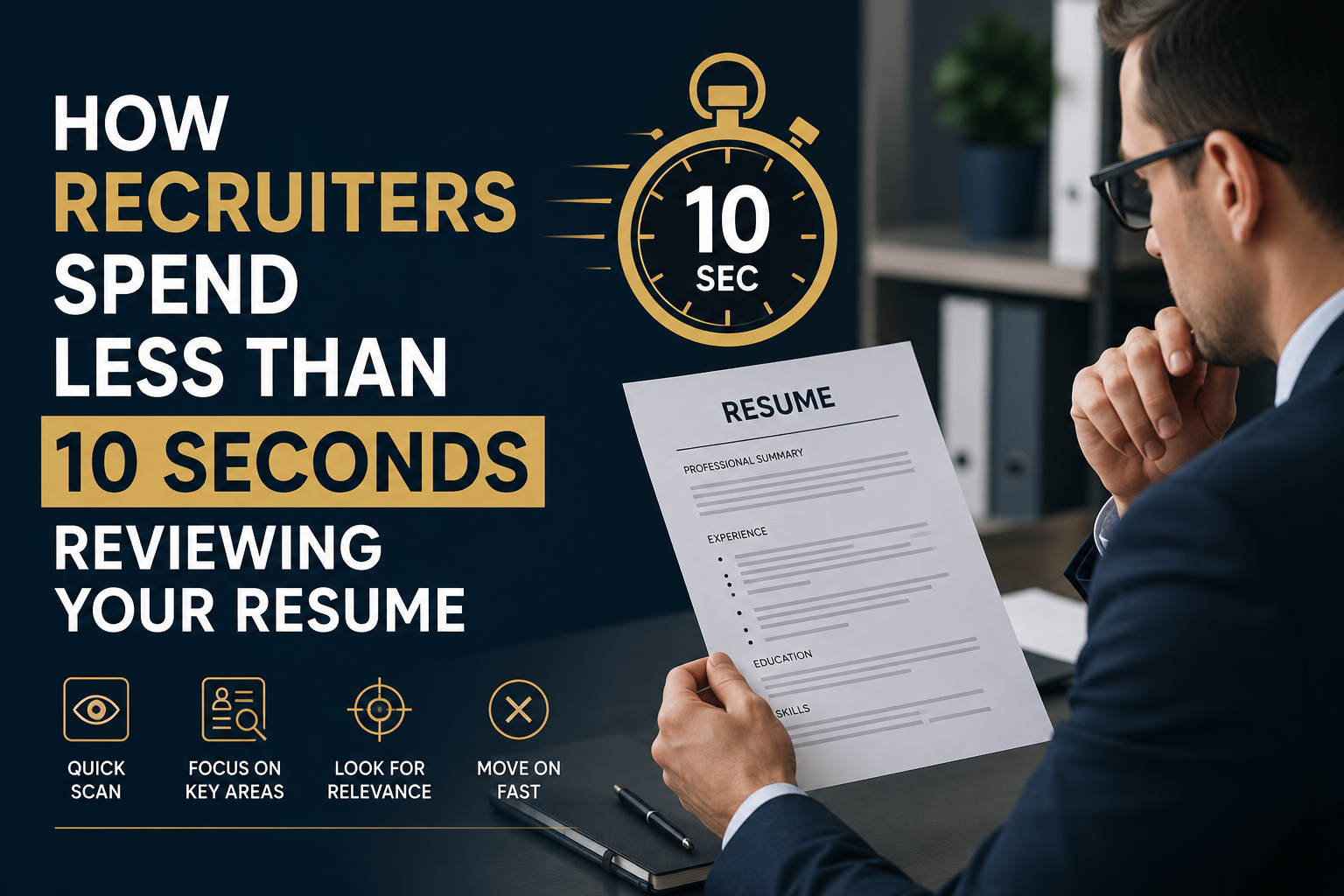
The infamous “10-second rule” in recruiter resume screening refers to the brief amount of time recruiters take to glance through a resume. During this time, they look for key information that aligns with the job description. If they don’t find what they are looking for within this short span, your resume may be discarded.
2. Key Elements Recruiters Look For
When scanning resumes, recruiters look for several critical elements:
How to Optimize Your Resume for Shortlisting
1. Tailor Your Resume
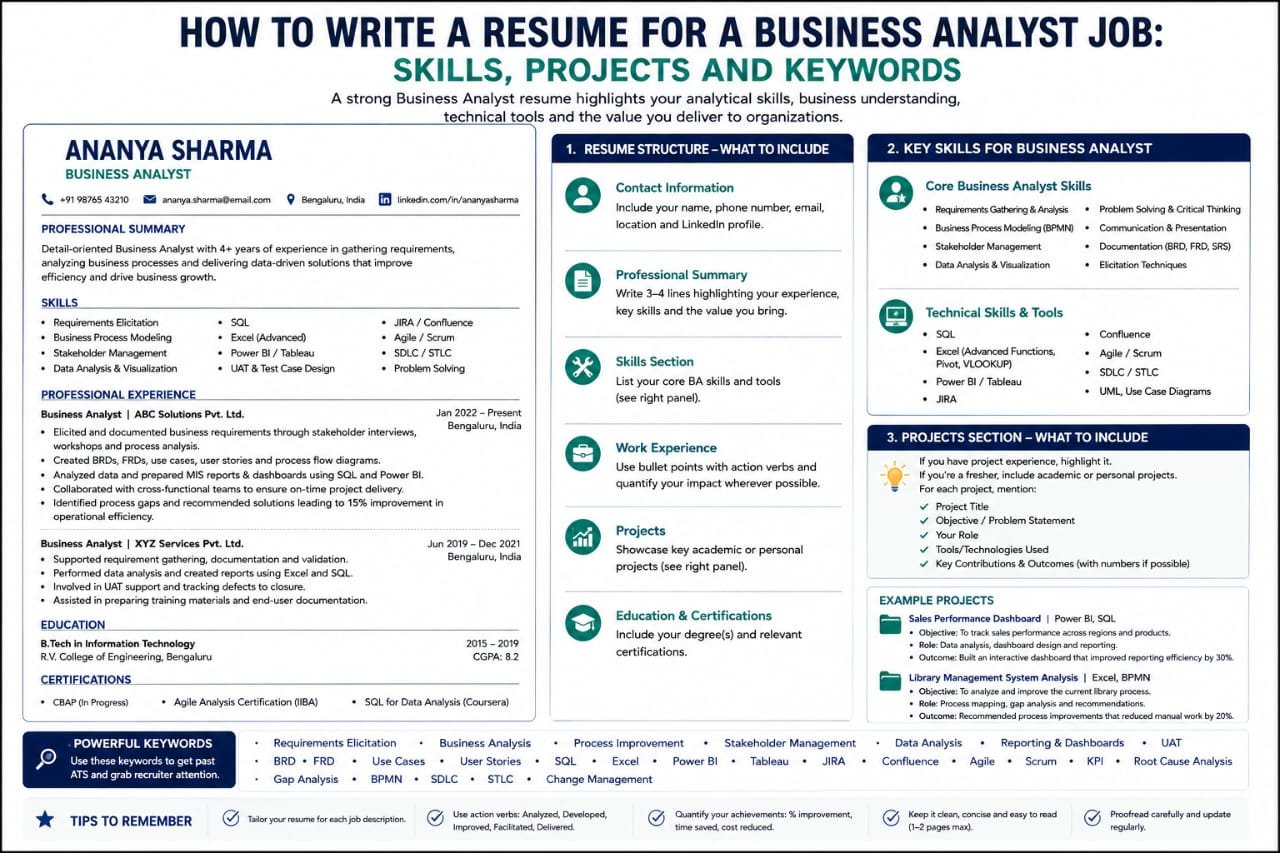
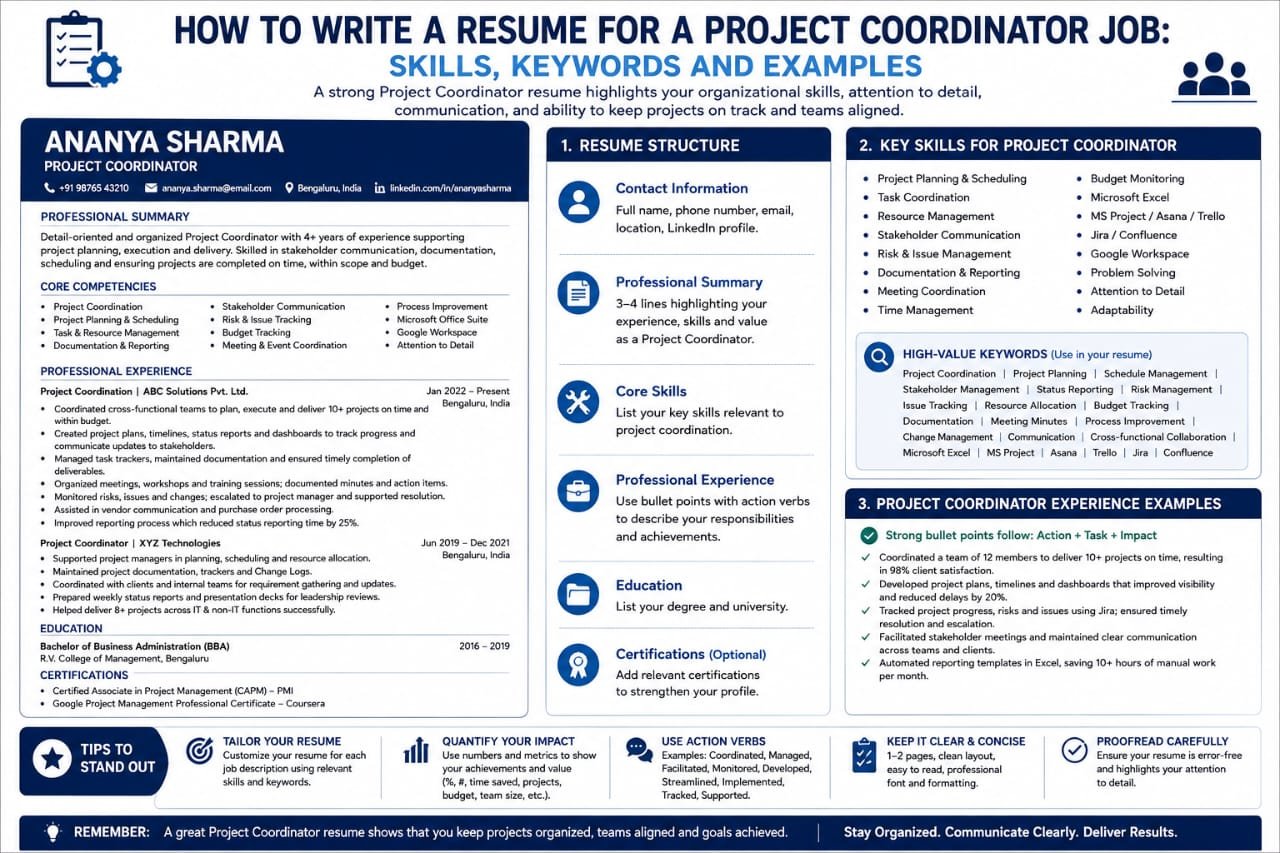
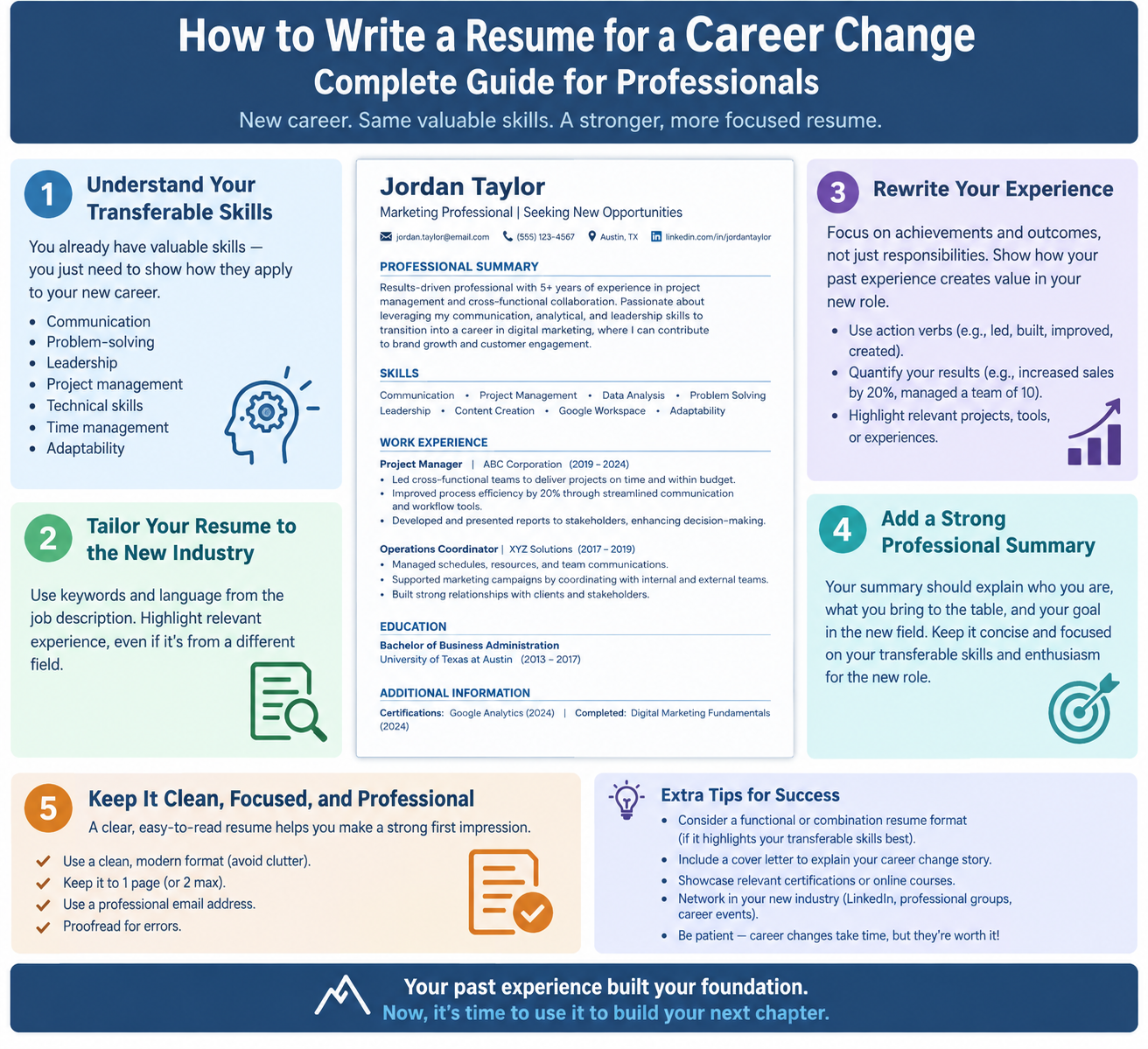
One of the most effective ways to improve your chances during the resume shortlisting process is to tailor your resume for each job application. Analyze the job description and incorporate relevant keywords and phrases. This helps in not only catching the recruiter’s eye but also makes your resume more ATS (Applicant Tracking System) friendly.
2. Use a Clear and Professional Format
A cluttered or overly complicated resume can deter recruiters. Ensure that your resume has:
3. Highlight Relevant Skills and Achievements
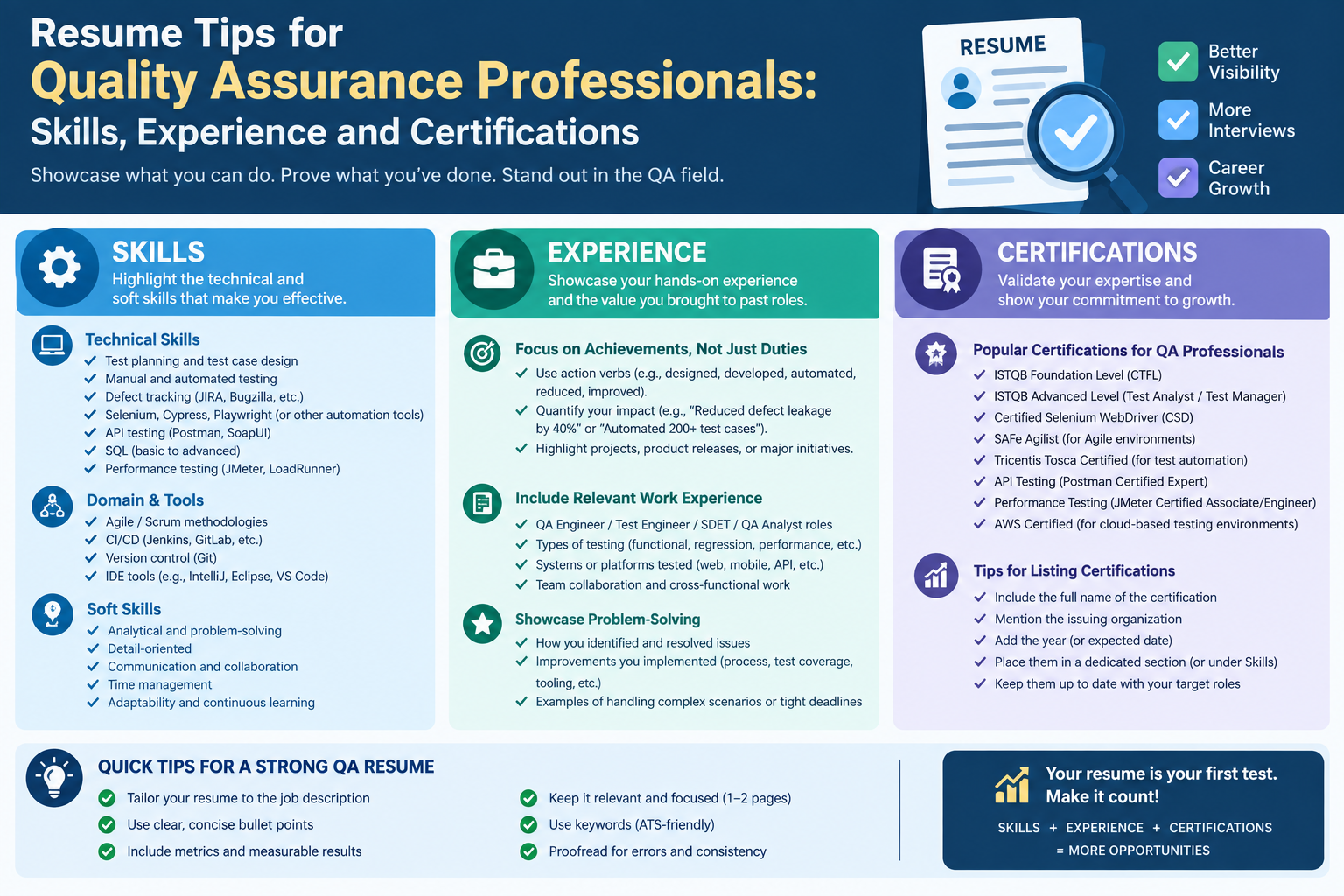
Focus on your most relevant skills and achievements. Use quantifiable metrics where possible. Instead of saying “responsible for sales,” say “increased sales by 30% within six months.” This not only shows what you did but also how well you did it.
4. Keep It Concise
Recruiters appreciate brevity. Aim to keep your resume to one page, especially if you have less than ten years of experience. Include only the most relevant information that showcases your qualifications for the specific role.
5. Proofread and Edit
A resume filled with grammatical errors or typos can create a negative impression. Take the time to proofread your resume thoroughly or ask someone else to review it. A polished resume reflects your attention to detail.
Common Mistakes to Avoid
1. Using a Generic Resume
Sending out the same resume for multiple job applications is a common mistake. It’s essential to customize your resume for each position you apply for to enhance your chances in the recruiter resume screening process.
2. Overloading with Information
While it’s important to showcase your experience, avoid overwhelming the recruiter with excessive information. Stick to relevant details that support your application for the specific job.
3. Lacking Keywords
Many companies use Applicant Tracking Systems that filter resumes based on specific keywords. Ensure that your resume contains the necessary keywords from the job description to pass this automated screening.
FAQs About Resume Screening and Shortlisting
1. How important is the format of my resume?
The format of your resume is crucial. A clear, professional format improves readability, which is essential for capturing a recruiter’s attention in under 10 seconds.
2. Should I include a summary statement?
Yes, a concise summary statement at the top of your resume can provide recruiters with a quick overview of your qualifications, making it easier for them to decide whether to consider you further.
3. How often should I update my resume?
It’s a good practice to update your resume regularly, especially after completing a significant project or acquiring new skills. This ensures that your resume is always ready for new opportunities.
4. Is it necessary to use action verbs?
Absolutely! Using action verbs can make your achievements more impactful. Words like "achieved," "led," and "developed" convey a sense of accomplishment and proactivity.
5. Can I use a creative resume format?
While creative formats can stand out, they may not always be ATS-friendly. It’s best to strike a balance by keeping the design simple yet visually appealing.
Conclusion
The reality is that recruiters spend less than 10 seconds reviewing your resume, making it imperative that you present your qualifications effectively and succinctly. By tailoring your resume, using a clear format, highlighting relevant skills, and avoiding common mistakes, you can significantly increase your chances of making it through the resume shortlisting process.
Ready to take your job application to the next level? Start crafting a standout resume today! If you need more guidance or help from professionals, feel free to reach out to us. Let’s get you hired!