

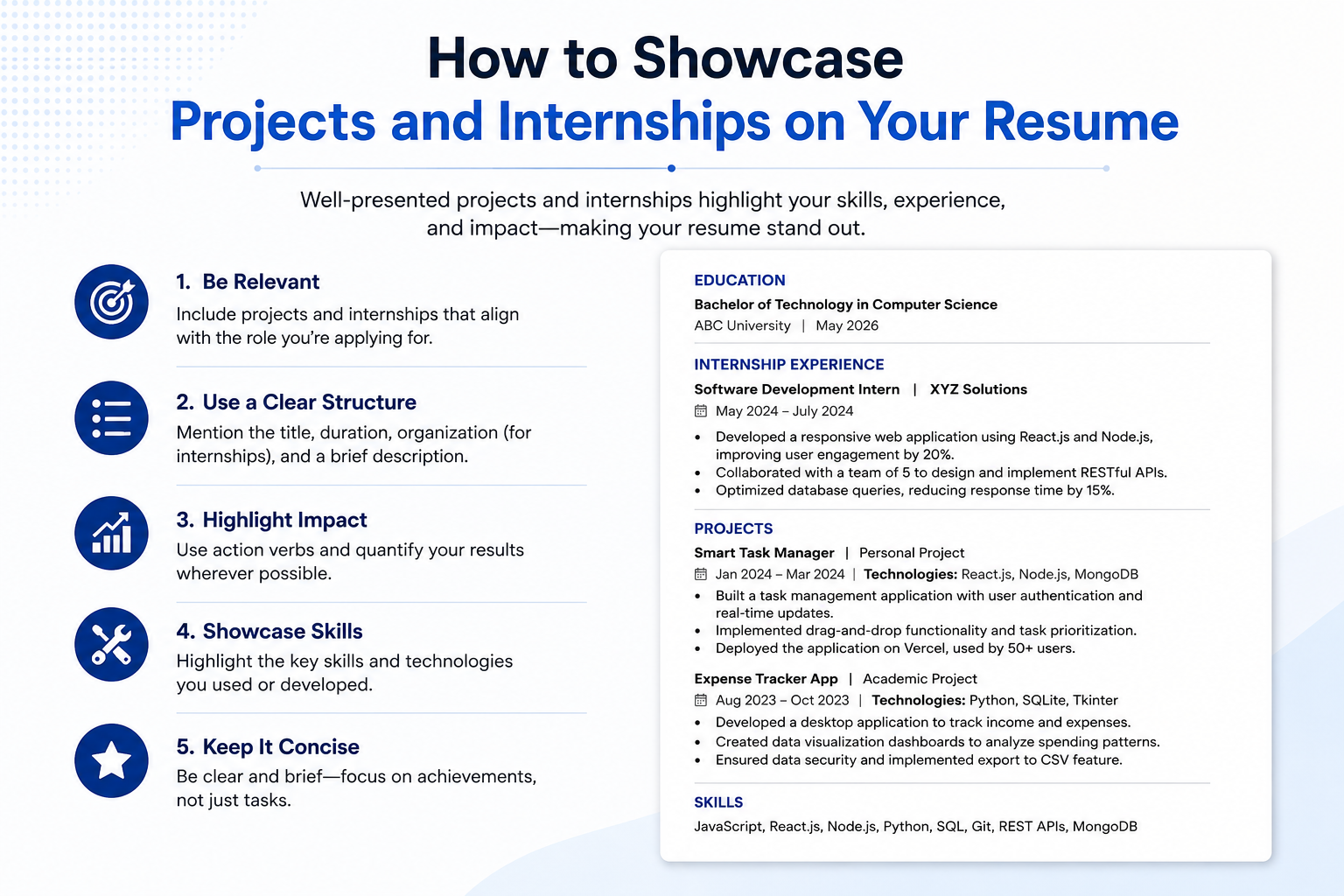

How to Showcase Projects and Internships on Your Resume
Creating an impressive resume is essential for any job seeker, especially in India’s competitive job market. One of the key components that can set you apart from other candidates is how you present your projects and internships. In this blog, we will provide you with comprehensive tips on how to effectively showcase your project experience and internships on your resume, along with some internship resume examples.
Why Projects and Internships Matter
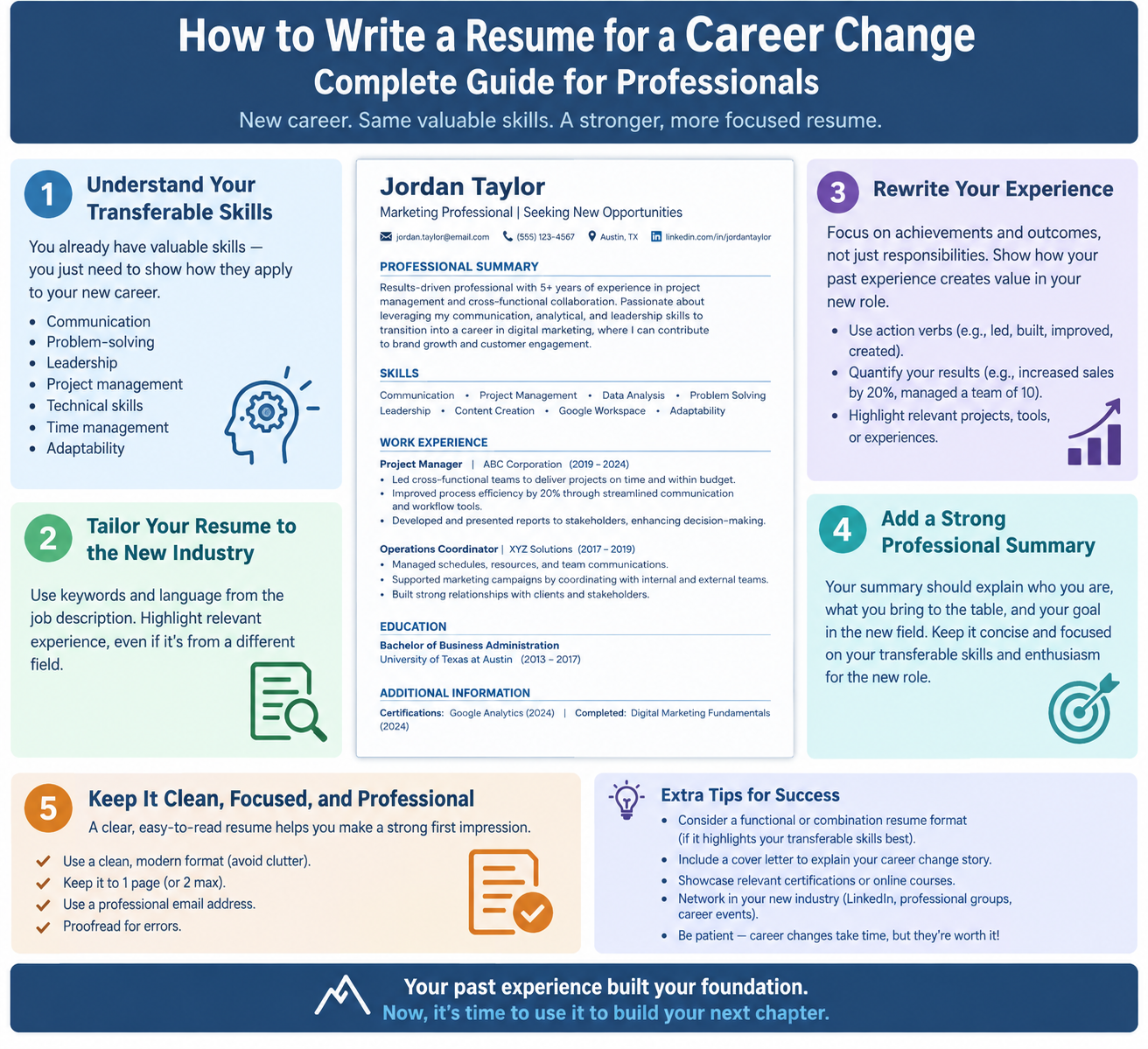
For fresh graduates and early professionals, showcasing projects and internships on your resume is crucial. These experiences demonstrate your skills, willingness to learn, and ability to apply theoretical knowledge in practical situations. Employers in India look for candidates who have real-world experience, and showcasing this can make a significant difference in your job search.
Understanding the Basics of a Resume
Before we dive into how to showcase your projects and internships, it’s essential to understand the basic structure of a resume. A typical resume includes the following sections:
How to Effectively Showcase Projects on Your Resume
1. Create a Dedicated Section
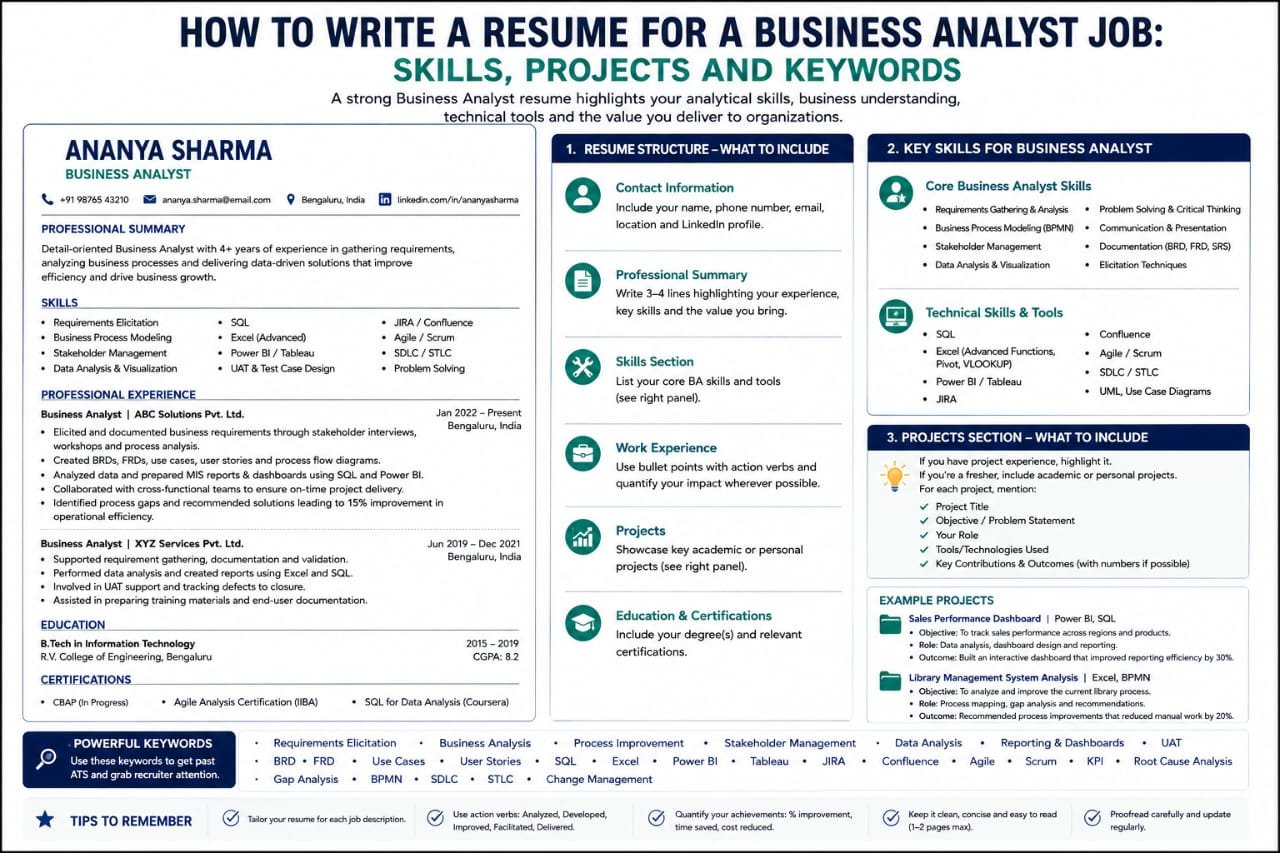
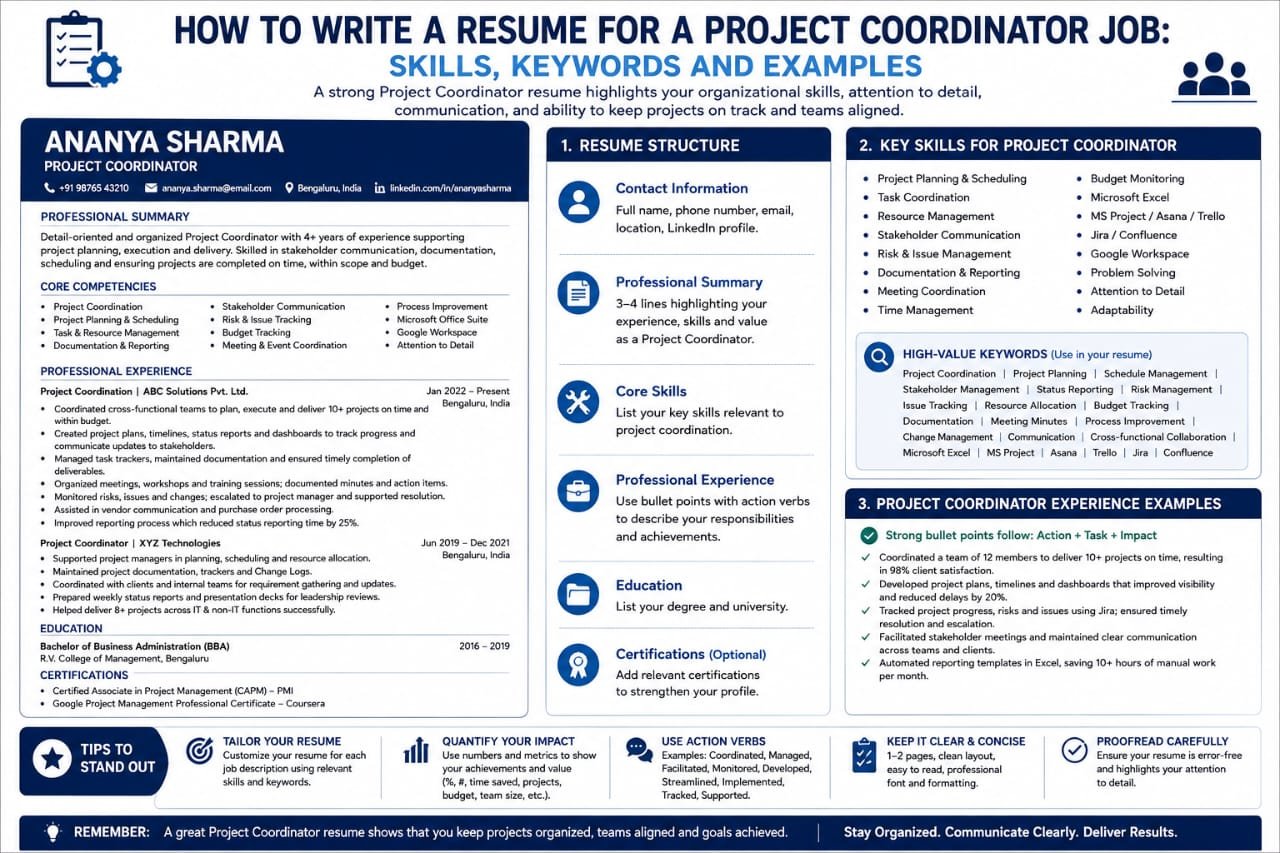
One of the best ways to highlight your project experience is by creating a dedicated section on your resume. This section can be titled “Projects” or “Academic Projects.” Organizing your projects in one place makes it easier for employers to identify your practical experience.
2. Choose Relevant Projects
When selecting projects to include, focus on those that are most relevant to the job you are applying for. If you have multiple projects, tailor your resume to fit the job description by including the most pertinent experiences. For instance, if you’re applying for a software development role, highlight projects that involved coding, app development, or software design.
3. Use the STAR Method
To effectively describe your project experience, use the STAR method, which stands for Situation, Task, Action, and Result. This approach helps you provide a structured description of your projects:
4. Quantify Your Achievements
Whenever possible, quantify your achievements to provide concrete evidence of your success. Instead of simply stating that you worked on a marketing project, say that you “increased social media engagement by 50% over three months.” Numbers grab attention and provide a clearer picture of your contributions.
5. Include Skills Used
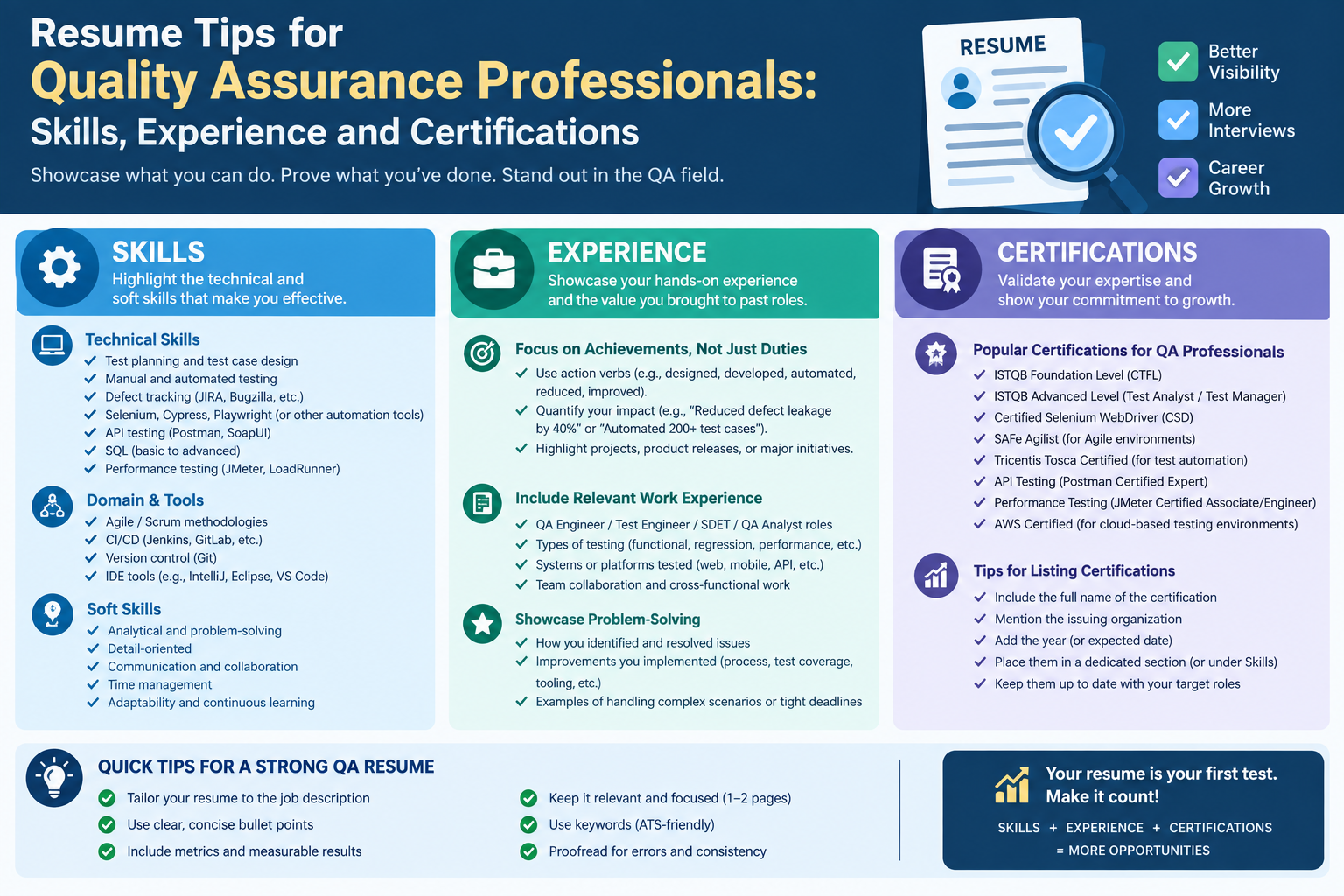
Incorporate the skills you utilized during your projects. This not only demonstrates your capabilities but also aligns your experience with the job requirements. For example, if you worked on a data analysis project, mention skills such as Excel, Python, or data visualization tools.
Showcasing Internships on Your Resume
1. Highlight Relevant Internships
When listing internships, focus on those that align with your career goals. Use the same principles as you would for projects—emphasize your role, responsibilities, and the skills you acquired during your internship.
2. Use Internship Resume Examples
Looking at internship resume examples can provide you with insights into how to structure this section effectively. For instance, consider the following format:
Internship Title at Company Name (Month Year – Month Year)
3. Emphasize Learning Experiences
Internships are often about learning and gaining exposure to the industry. Highlight what you learned during your internship and how it has prepared you for the role you are applying for. For example, mention if you developed a deeper understanding of industry trends or enhanced your technical skills.
4. Include Recommendations or Endorsements
If you received positive feedback or a recommendation from your internship supervisor, consider mentioning this in your resume. It adds credibility to your experience and can make a strong impression on potential employers.
Formatting Tips for Your Resume
1. Keep it Concise
Your resume should ideally be one page long, especially if you have less than ten years of experience. Be concise and only include information that is relevant to the job you are applying for.
2. Use Bullet Points
Bullet points make your resume easy to read and allow employers to quickly scan your qualifications. Use them to list your responsibilities, projects, and achievements.
3. Use Professional Fonts and Layouts
Choose a clean, professional font and ensure that your layout is easy to read. Avoid overly decorative designs that can distract from the content.
FAQs
1. How many projects should I include on my resume?
It’s best to include 2-4 relevant projects that showcase your skills and experience. Quality over quantity is key.
2. Should I include academic projects on my resume?
Yes, especially if you are a recent graduate. Academic projects can demonstrate your skills and knowledge in your field.
3. How do I list internships that were unpaid?
Unpaid internships can still be valuable experiences. List them just like paid internships, focusing on the skills and experiences you gained.
4. Can I include freelance projects on my resume?
Absolutely! Freelance projects can showcase your initiative and skills. Treat them like any other project or internship.
Conclusion
Showcasing projects and internships on your resume is vital for making a strong impression on potential employers in India. By following the tips outlined in this blog and utilizing internship resume examples, you can effectively present your experiences and stand out in the job market. Remember, your resume is your personal marketing tool—make it count!
Call to Action: If you found this guide helpful, share it with your friends or colleagues who are also looking to improve their resumes. For personalized resume assistance, feel free to contact us today!