

In the competitive job market of India, standing out from the crowd is essential. One of the most effective ways to do this is by crafting a compelling cover letter that complements your resume. A well-written job application letter can provide context to your qualifications, showcase your personality, and demonstrate your enthusiasm for the position. In this guide, we will walk you through the process of writing a professional cover letter, share cover letter examples, and offer tips on how to make your application shine.
Understanding the Purpose of a Cover Letter
Before diving into the specifics of writing a cover letter, it’s important to understand its purpose. A resume cover letter serves several functions:
Components of a Professional Cover Letter
To create a professional cover letter that captivates hiring managers, consider including the following components:
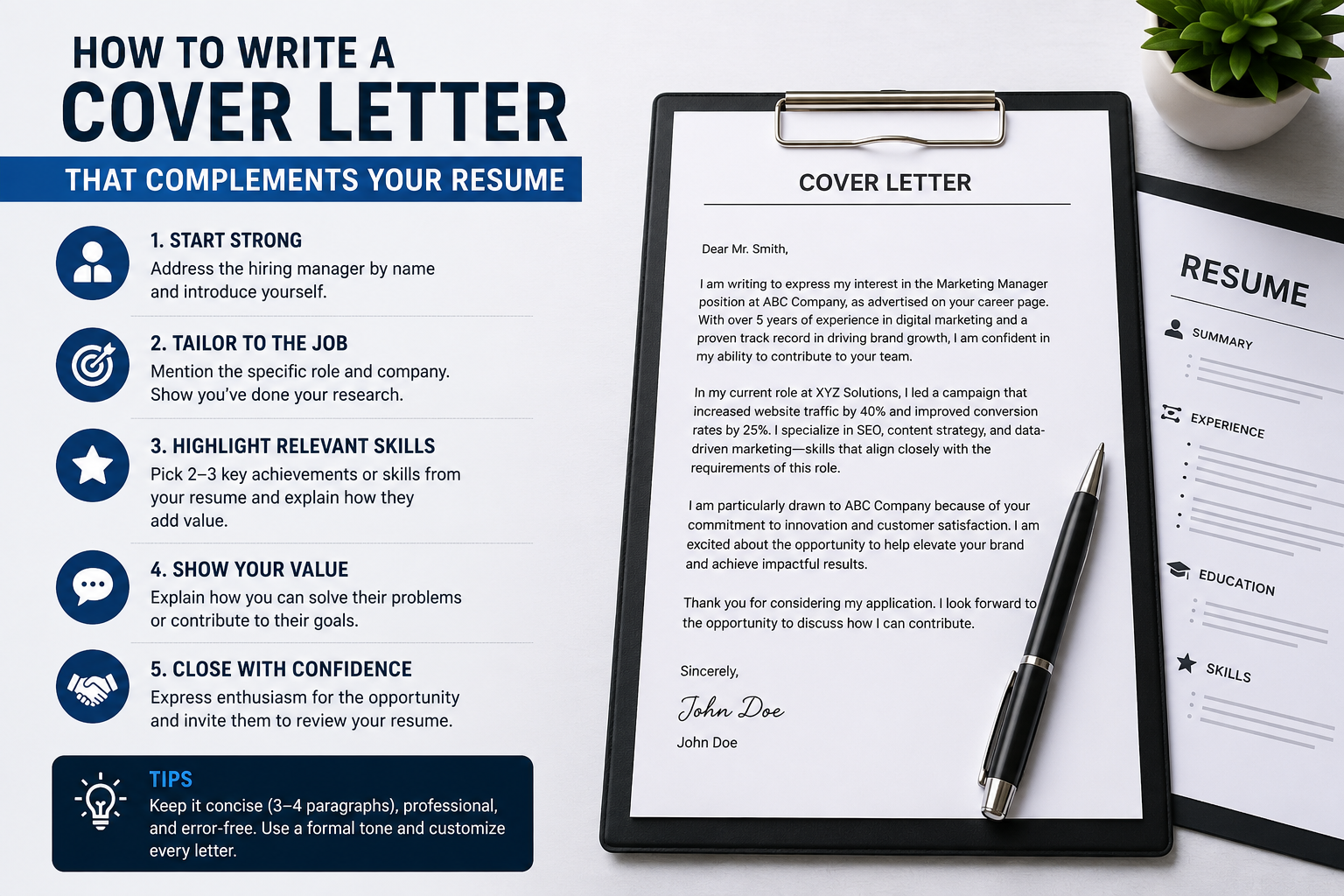
1. Contact Information
Your cover letter should begin with your contact information, followed by the date, and then the employer's contact information. This format gives your letter a formal structure.
2. Salutation
Address your letter to a specific person whenever possible. Use “Dear [Name]” rather than a generic “To Whom It May Concern.” If you can’t find a name, “Dear Hiring Manager” is an acceptable alternative.
3. Introduction
Start with a strong opening statement that grabs attention. Mention the job title you’re applying for and where you found the job listing. Express your enthusiasm for the position right away.
4. Body Paragraphs
Here’s where you’ll elaborate on your qualifications. Discuss your relevant experiences, skills, and achievements. Use specific examples to illustrate your points. Make sure to connect these experiences to the job description, demonstrating how you can add value to the company.
5. Conclusion
In your closing paragraph, reiterate your interest in the position and express your desire for an interview. Mention your resume and thank the employer for considering your application.
6. Signature
End with a professional closing, such as “Sincerely,” followed by your name. If you’re sending a hard copy, leave space for your signature.
Cover Letter Examples
Here are a few cover letter examples tailored for different situations:
Example 1: Entry-Level Position
Dear [Hiring Manager],
I am writing to express my interest in the Marketing Assistant position at [Company Name] as advertised on [Job Portal]. With a degree in Mass Communication and hands-on experience through internships, I am excited about the opportunity to contribute to your team.
During my internship at [Previous Company], I successfully managed social media campaigns that increased engagement by 30%. I am keen on utilizing my skills in a fast-paced environment and believe that my proactive approach aligns well with your company’s vision.
Thank you for considering my application. I look forward to discussing how I can contribute to [Company Name].
Sincerely, [Your Name]
Example 2: Experienced Professional
Dear [Hiring Manager],
I am excited to apply for the Senior Project Manager role at [Company Name]. With over 8 years of experience in managing large-scale projects and a proven track record of delivering results, I am confident in my ability to contribute effectively to your team.
At [Previous Company], I led a cross-functional team that completed a project 2 months ahead of schedule and under budget. I am particularly drawn to [Company Name] because of your commitment to innovation and quality.
I would love the opportunity to discuss how my experience aligns with the needs of your team. Thank you for your time.
Sincerely, [Your Name]
Tips for Writing an Effective Cover Letter
Here are some additional tips to ensure your cover letter stands out:
FAQs about Writing a Cover Letter
1. Do I need a cover letter if my resume is strong?
Yes, a cover letter provides context and personality to your application that a resume cannot convey. It’s your chance to make a personal connection with the employer.
2. How long should my cover letter be?
Your cover letter should ideally be one page long, containing three to four paragraphs that summarize your qualifications and enthusiasm for the position.
3. Can I use a template for my cover letter?
While templates can be helpful for structure, it’s essential to personalize your cover letter to fit the job and company you’re applying to. Generic letters can be easily spotted by hiring managers.
4. What should I include in the introduction of my cover letter?
Your introduction should include the job title you’re applying for, where you found the job listing, and a brief statement of your enthusiasm for the role.
5. Is it okay to mention salary expectations in my cover letter?
It’s generally advisable to avoid mentioning salary expectations in your cover letter unless specifically requested in the job listing. Focus on showcasing your qualifications instead.
Conclusion
Writing an effective cover letter is a crucial step in the job application process. By following the guidelines and examples provided, you can create a professional cover letter that complements your resume and makes a strong impression on potential employers. Remember to tailor your letter for each application, keep it concise, and proofread before sending.
Are you ready to take the next step in your job search? Start crafting your cover letter today, and set yourself apart from other candidates!