

In today's competitive job market, having a well-crafted resume summary is crucial. This brief section at the top of your resume sets the tone, highlights your qualifications, and often determines whether your application makes it through the initial screening. In this article, we will explore how to write an effective resume summary that grabs the attention of recruiters and gets you those coveted job interviews.
What is a Resume Summary?
A resume summary is a concise overview of your professional experience and skills, typically found at the beginning of your resume. It serves as a snapshot of your qualifications, enabling hiring managers to quickly assess your fit for a role. Unlike an objective statement that focuses on your career goals, a resume summary emphasizes what you bring to the table, showcasing your value to potential employers.
Why is a Resume Summary Important?
Your resume summary is important for several reasons:
Key Elements of an Effective Resume Summary
To create a compelling resume summary, consider including the following elements:
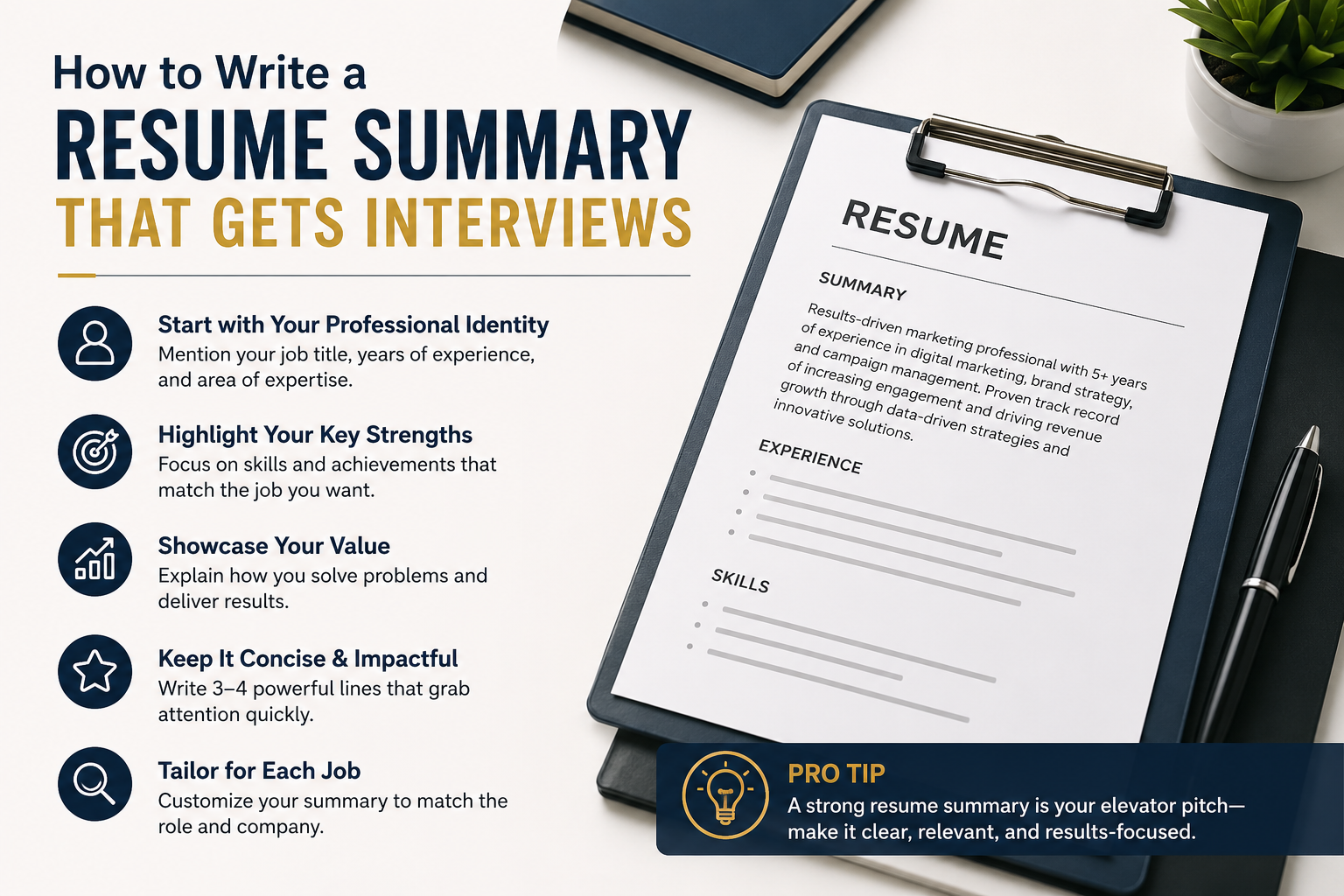
1. Your Job Title and Experience Level
Start with your current or most recent job title and the number of years of relevant experience you possess. This immediately tells recruiters your professional standing.
2. Key Skills and Achievements
Identify the core skills that align with the job description. Highlight specific achievements or metrics that showcase your contributions in previous roles.
3. Industry-Specific Keywords
Incorporate industry-specific keywords that resonate with the job description. This not only helps in ATS compatibility but also demonstrates your understanding of the field.
4. Personal Attributes
Add a sentence that reflects your professional demeanor or work ethic. Attributes like "team-oriented", "detail-focused", or "innovative thinker" can add personality to your summary.
Crafting Your Resume Summary: Step-by-Step Guide
Step 1: Analyze the Job Description
Before you start writing, carefully read the job description. Note the required skills, qualifications, and keywords. Tailoring your resume summary to these specifics can significantly improve your chances of getting noticed.
Step 2: List Your Qualifications
Create a list of your relevant qualifications, skills, and accomplishments. Think about what makes you unique and valuable to the employer. This list will serve as the foundation for your summary.
Step 3: Write a Draft
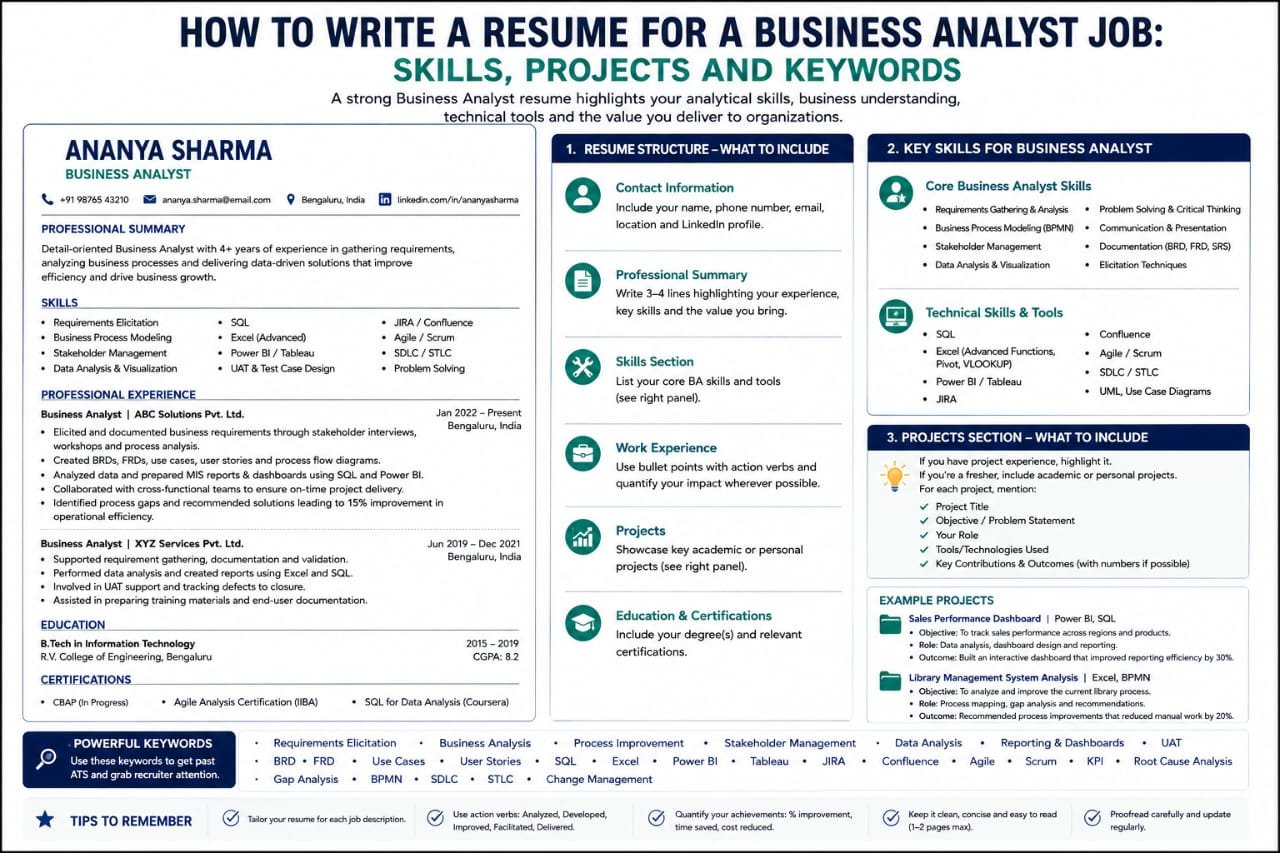
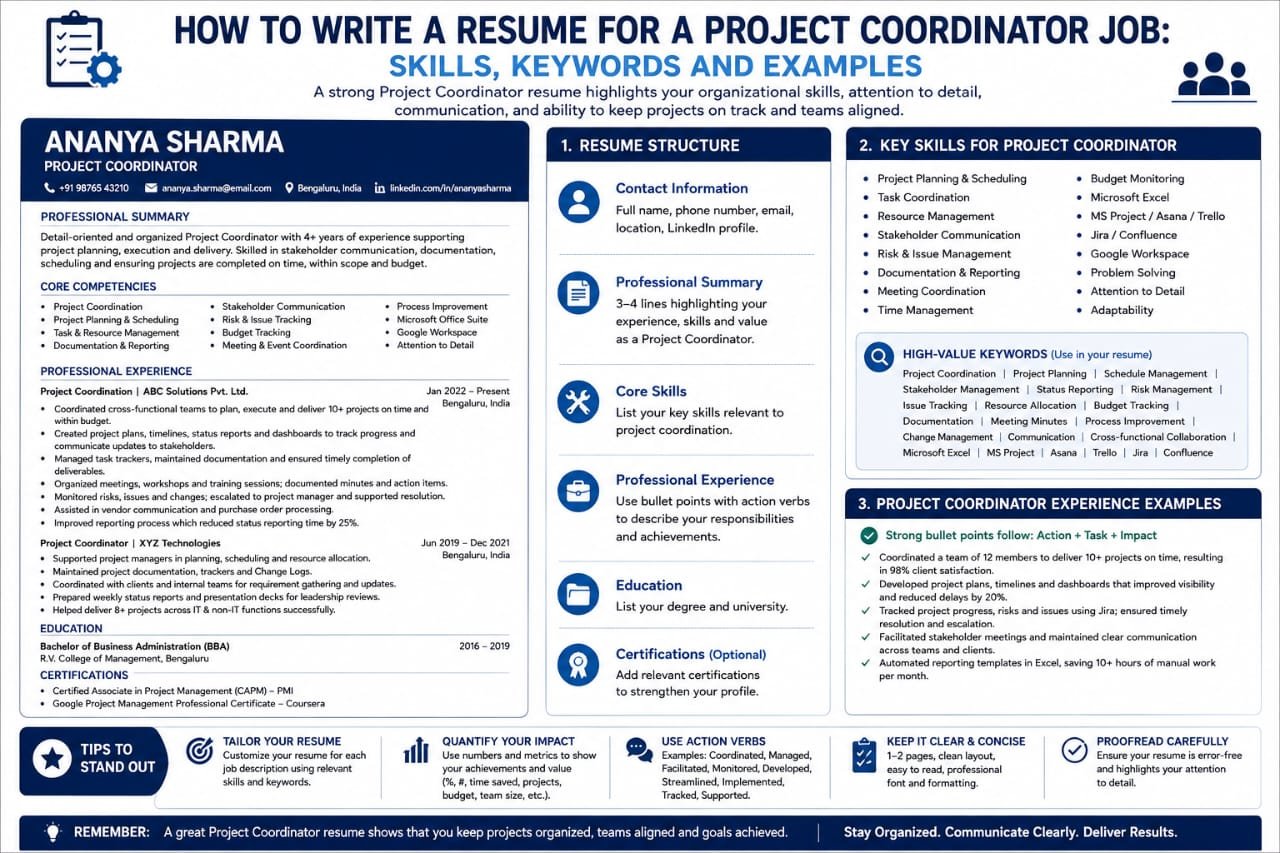
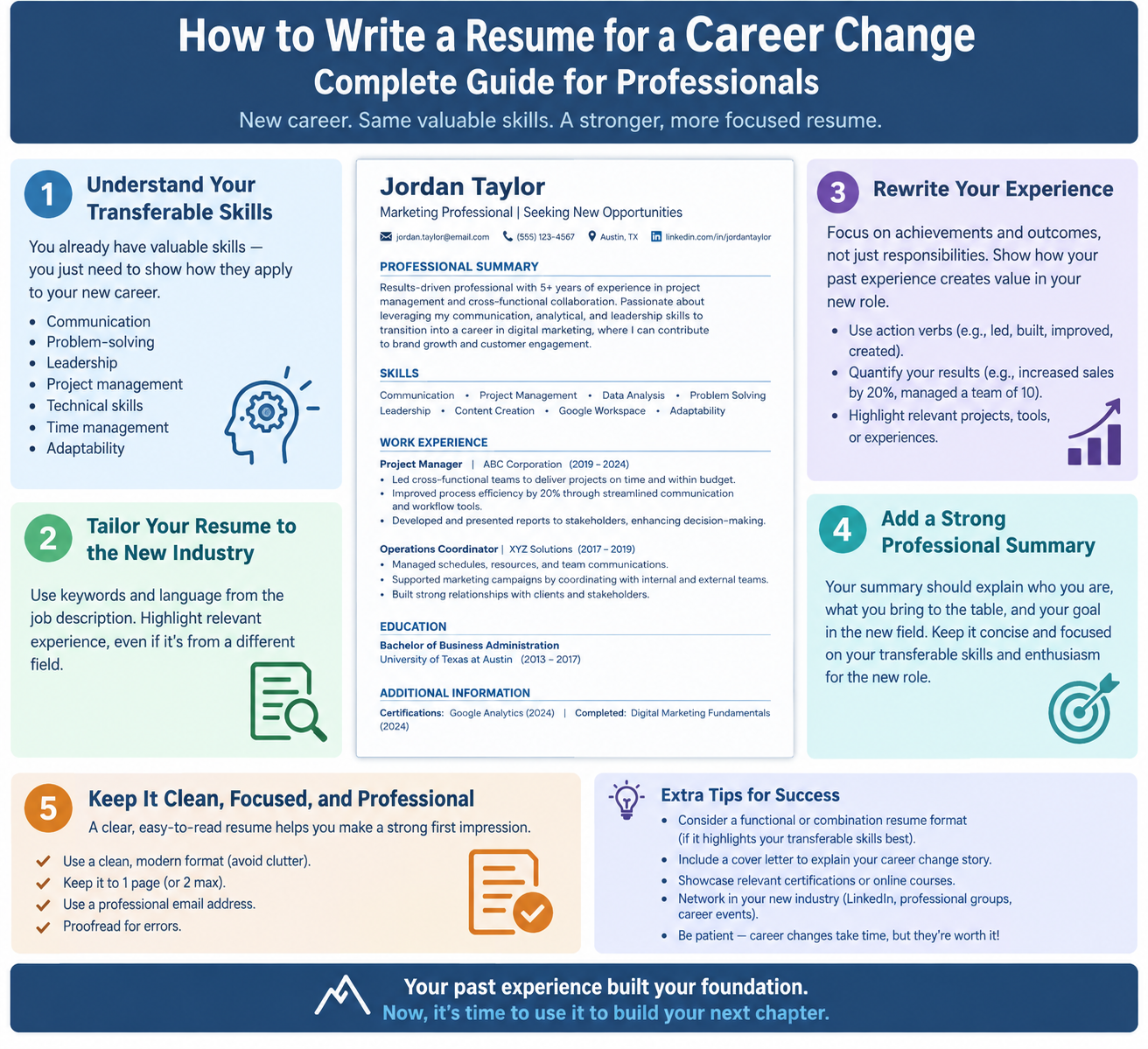
Combine your job title, years of experience, key skills, and a few notable achievements into a cohesive paragraph. Aim for 3-5 sentences that encapsulate your professional brand.
Step 4: Edit for Clarity and Brevity
Refine your draft to ensure it’s clear and concise. Avoid jargon and overly complex sentences. Remember, the goal is to make your summary easy to read and impactful.
Step 5: Get Feedback
Share your summary with trusted friends or mentors for feedback. They may provide insights that can enhance your summary further.
Professional Summary Examples
Here are a few professional summary examples tailored for different fields:
Example 1: Marketing Professional
"Dynamic marketing professional with over 6 years of experience in digital marketing and brand management. Proven track record in increasing online engagement by 150% through innovative social media campaigns. Skilled in data analysis and SEO strategies, with a passion for driving brand growth."
Example 2: Software Engineer
"Results-driven software engineer with 5 years of experience in developing scalable web applications. Proficient in Java, Python, and cloud technologies, with a strong focus on user-centric design. Recognized for optimizing application performance, reducing load time by 30%."
Example 3: Human Resources Manager
"Dedicated HR manager with over 8 years of experience in talent acquisition and employee relations. Expertise in developing training programs that improve employee retention by 20%. Strong communicator with a passion for fostering a positive workplace culture."
Resume Writing Tips for an Impactful Summary
Here are some essential resume writing tips to consider when crafting your summary:
Common Mistakes to Avoid
When writing your resume summary, be aware of these common pitfalls:
FAQs About Resume Summaries
1. How long should my resume summary be?
Your resume summary should ideally be 3-5 sentences long, providing a concise overview of your qualifications without overwhelming the reader.
2. Can I use the same summary for different jobs?
While you can use a similar structure, it’s important to tailor your summary for each job application to align with the specific requirements and keywords of the position.
3. What should I do if I lack experience?
If you’re a fresher or lack extensive experience, focus on your skills, educational background, and any internships or projects. Highlight your eagerness to learn and your adaptability.
4. Should I include my career objectives in the summary?
It’s best to focus on what you can offer the employer rather than what you want. Save your career objectives for the cover letter.
Conclusion
Writing a compelling resume summary can be the key to unlocking job interviews. By focusing on your skills, achievements, and tailoring your summary to each job application, you can significantly improve your chances of standing out in a crowded job market. Remember to keep it clear, concise, and relevant. Start crafting your professional summary today, and take the first step towards your dream job!
Call to Action: Need help with your resume? Contact us today for professional resume writing services that will help you land your next job interview!