

Crafting a compelling work experience section is one of the most crucial aspects of resume writing. In India’s competitive job market, your resume can be the difference between landing an interview and getting lost in the pile. This guide will walk you through the essentials of listing your work experience effectively, ensuring your resume stands out to both hiring managers and Applicant Tracking Systems (ATS).
Understanding the Work Experience Resume Section
The work experience resume section is where you showcase your professional journey. It’s not just about listing previous jobs; it’s about narrating your career story in a way that highlights your skills, contributions, and growth. When potential employers look at your resume, they want to see how your past roles have prepared you for the position you’re applying for.
Why is the Work Experience Section Important?
Your resume experience section serves several purposes:
How to Structure Your Work Experience Section
When drafting the work experience section of your resume, follow these steps:
1. Start with Your Job Title
Your job title is the first thing employers will see. It should accurately reflect your role and responsibilities. Use a title that's commonly recognized in the industry to ensure clarity.
2. Include Company Name and Location
Next, provide the name of the company you worked for, followed by the location (city and state). This information establishes credibility and context.
3. Add Dates of Employment
Clearly state the period you were employed at each job. Use the month and year format (e.g., January 2020 - March 2023). This helps employers see your career timeline at a glance.
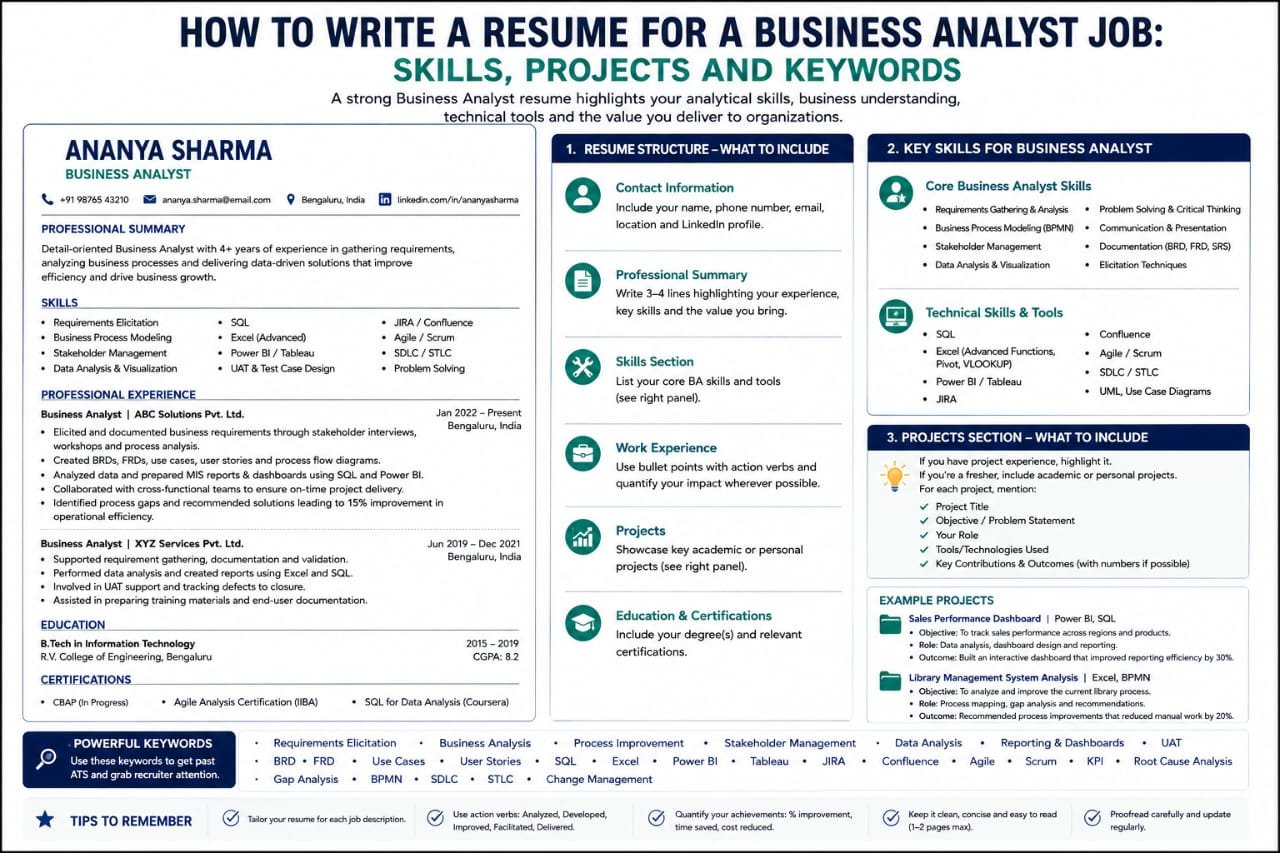
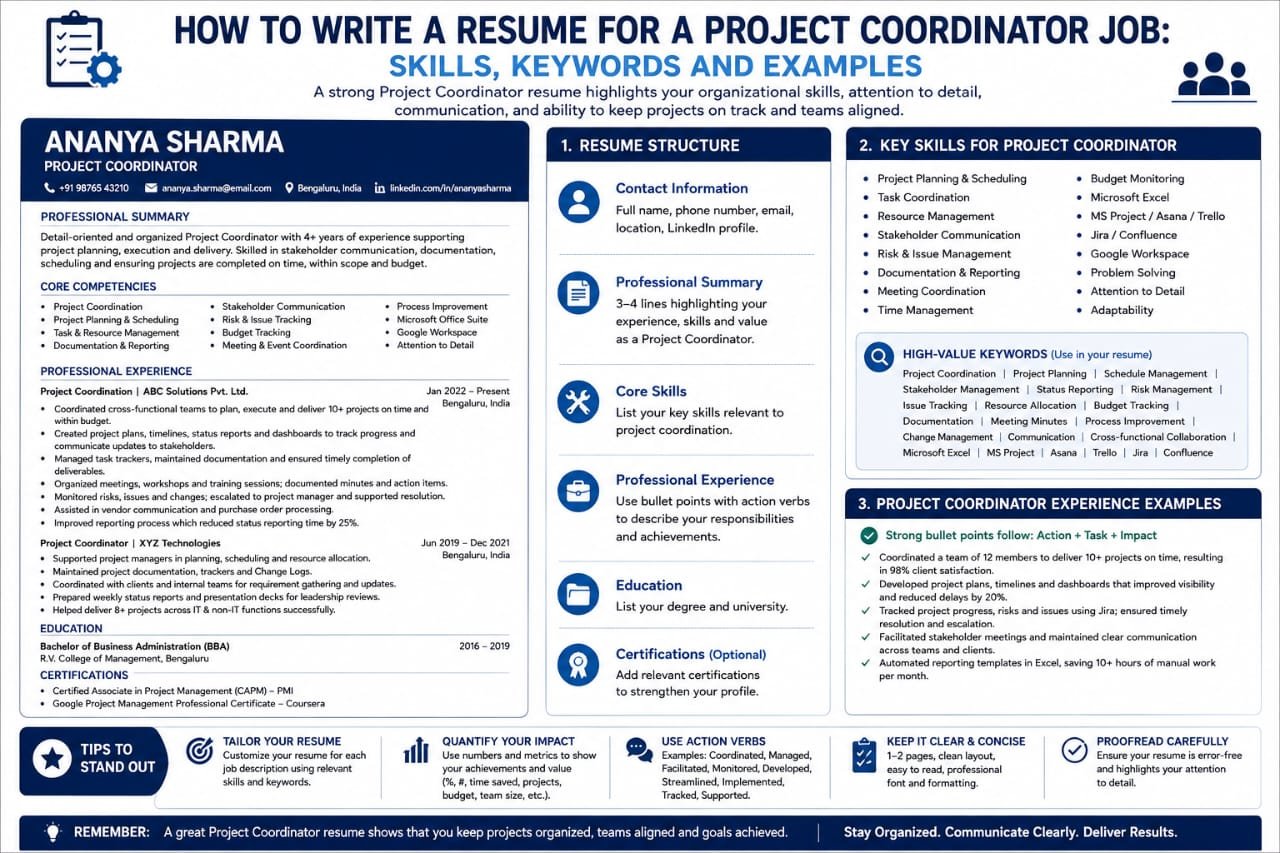
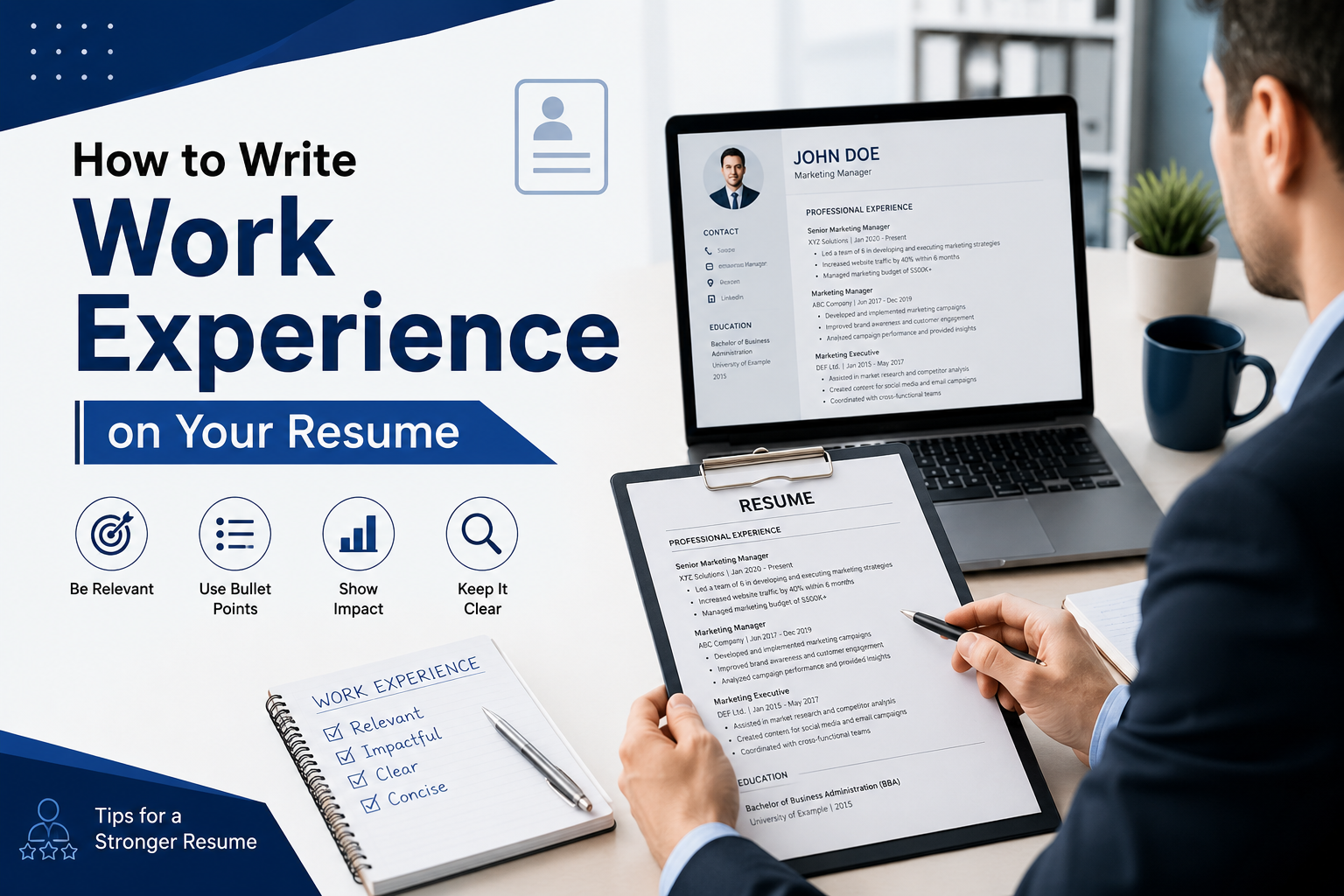
4. Write Bullet Points for Responsibilities and Achievements
Use bullet points to list your responsibilities and achievements in each role. Start each bullet point with an action verb and focus on quantifiable results. For instance:
5. Tailor Your Experience to the Job Description
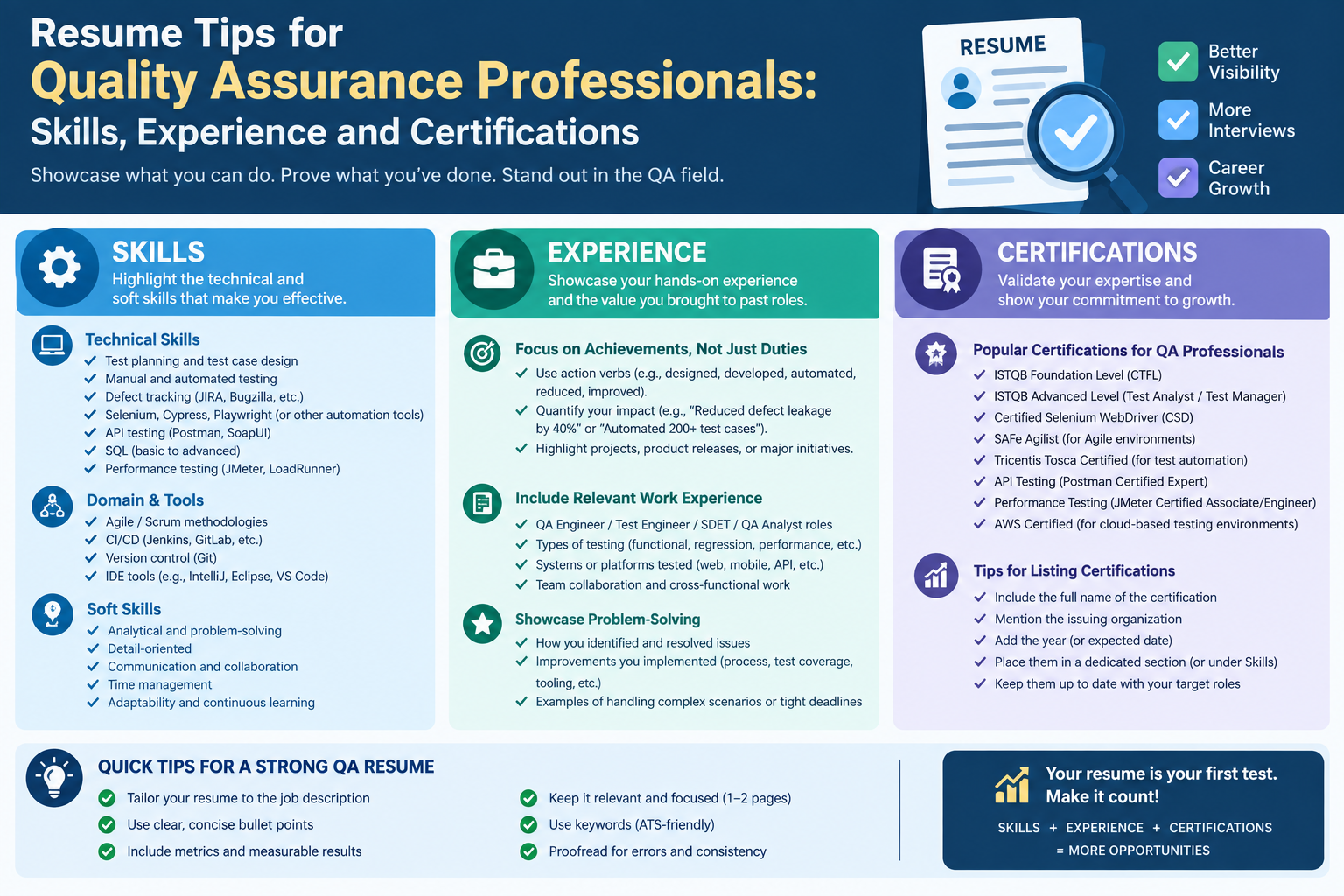
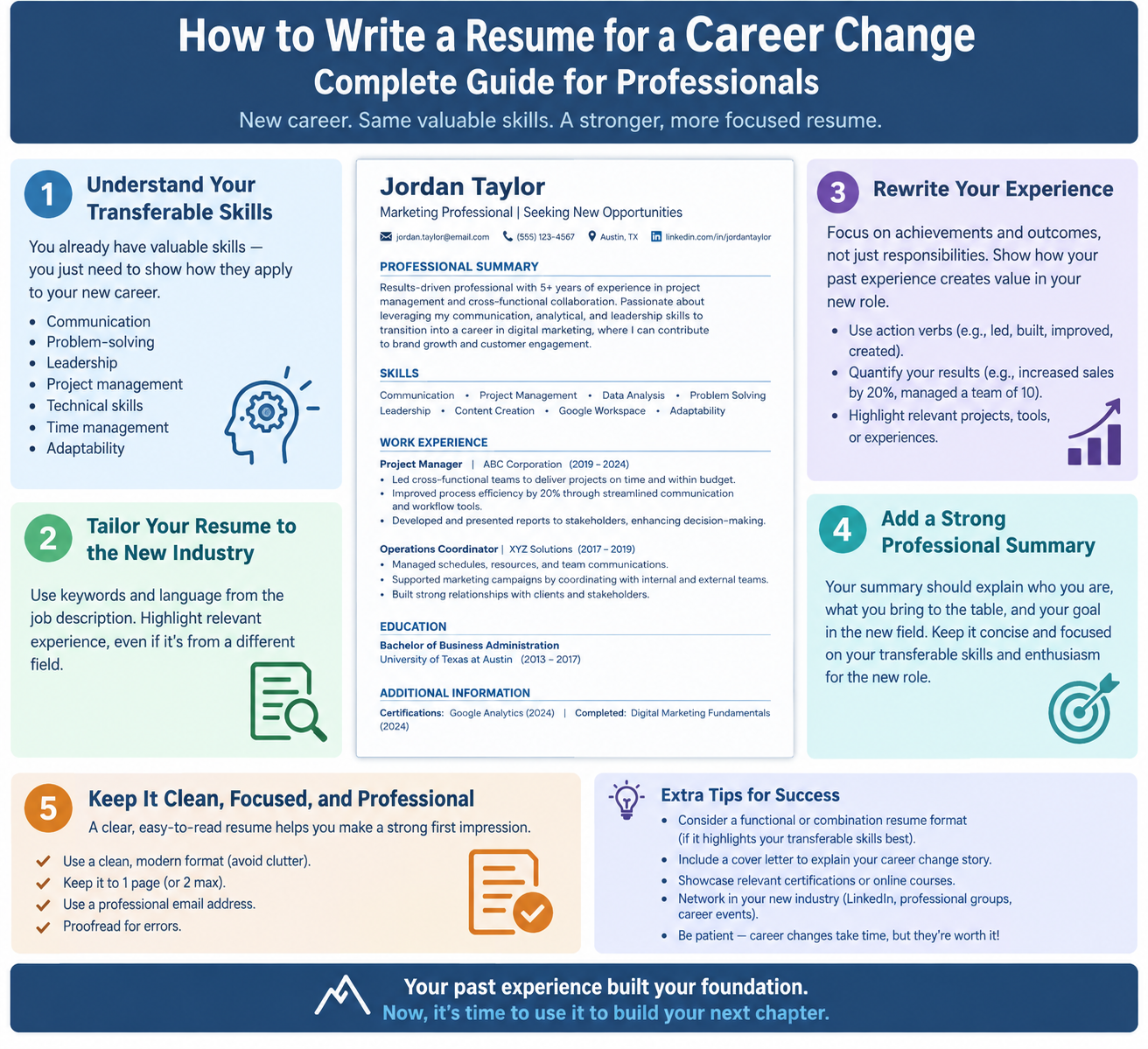
Align your work experience with the job you’re applying for. Highlight relevant skills and achievements that match the requirements outlined in the job description. This not only makes your resume more appealing but also increases its ATS compatibility.
Resume Writing Tips for the Work Experience Section
Here are some key resume writing tips to keep in mind:
1. Use Keywords
Incorporate keywords from the job posting into your work experience section. This will help your resume get noticed by ATS and hiring managers. Keywords related to your professional experience might include specific skills, tools, or methodologies relevant to the job.
2. Keep it Concise
Avoid lengthy paragraphs. Keep your bullet points concise and focused on your most significant achievements. Aim for 5-7 bullet points per job, depending on the relevance to the position you’re applying for.
3. Focus on Achievements Over Duties
Instead of just listing your duties, emphasize your achievements. Use numbers and percentages to quantify your success. For example, "Managed a team of 10, resulting in a 25% increase in project efficiency" is more impactful than simply stating "Managed a team."
4. Include Relevant Projects
If you have worked on notable projects or initiatives, include them in your work experience. Describe your role in these projects and the outcomes achieved. This can help demonstrate your problem-solving abilities and leadership skills.
5. Use a Professional Format
Choose a clean, professional format for your resume. Use consistent fonts and sizes, and ensure there is enough white space to make your resume easy to read. An ATS-friendly format is crucial; avoid using headers and footers that ATS might misinterpret.
Common Mistakes to Avoid
When writing your work experience section, steer clear of these common pitfalls:
FAQs
1. How much work experience should I include on my resume?
Include the most relevant work experience from the past 10-15 years. If you have extensive experience, focus on roles that align with the job you’re applying for.
2. Should I include internships in my work experience section?
Yes, if your internships are relevant to the position you’re applying for. They can demonstrate your skills and commitment to your field.
3. How should I format my work experience section?
Use a clear format with job titles, company names, locations, and dates of employment prominently displayed. Use bullet points for responsibilities and achievements.
4. What if I have gaps in my employment history?
It’s acceptable to have gaps; focus on skills and experiences gained during those periods, such as volunteer work, freelancing, or online courses.
Conclusion
Writing an effective work experience section on your resume is essential for making a lasting impression. By following the tips outlined in this guide and tailoring your experiences to the job description, you significantly enhance your chances of landing interviews. Remember, your resume is your personal marketing tool—make it count!
If you need further assistance or personalized help with your resume, feel free to contact us. Let’s take your career to the next level together!