

In today's competitive job market, having a standout resume is crucial, especially for engineers. Whether you're a mechanical engineer, civil engineer, or software engineer, your resume serves as your first impression to potential employers. This comprehensive guide will provide you with invaluable tips and insights on how to create an impactful engineer resume that showcases your skills and experience effectively.
Understanding the Importance of an Engineer Resume
Your resume is more than just a document; it’s your personal marketing tool. A well-crafted engineering resume can open doors to interviews and job opportunities. It is essential to highlight not only your technical abilities but also your soft skills, educational background, and relevant experiences. Hiring managers often spend mere seconds scanning resumes, so making a strong impact quickly is vital.
Choosing the Right Engineering Resume Format
The format of your resume plays a significant role in how your information is presented. Here are some popular formats that work well for engineering resumes:
1. Chronological Resume Format
This format lists your work experience in reverse chronological order, making it suitable for those with a solid work history. It allows employers to see your career progression at a glance.
2. Functional Resume Format
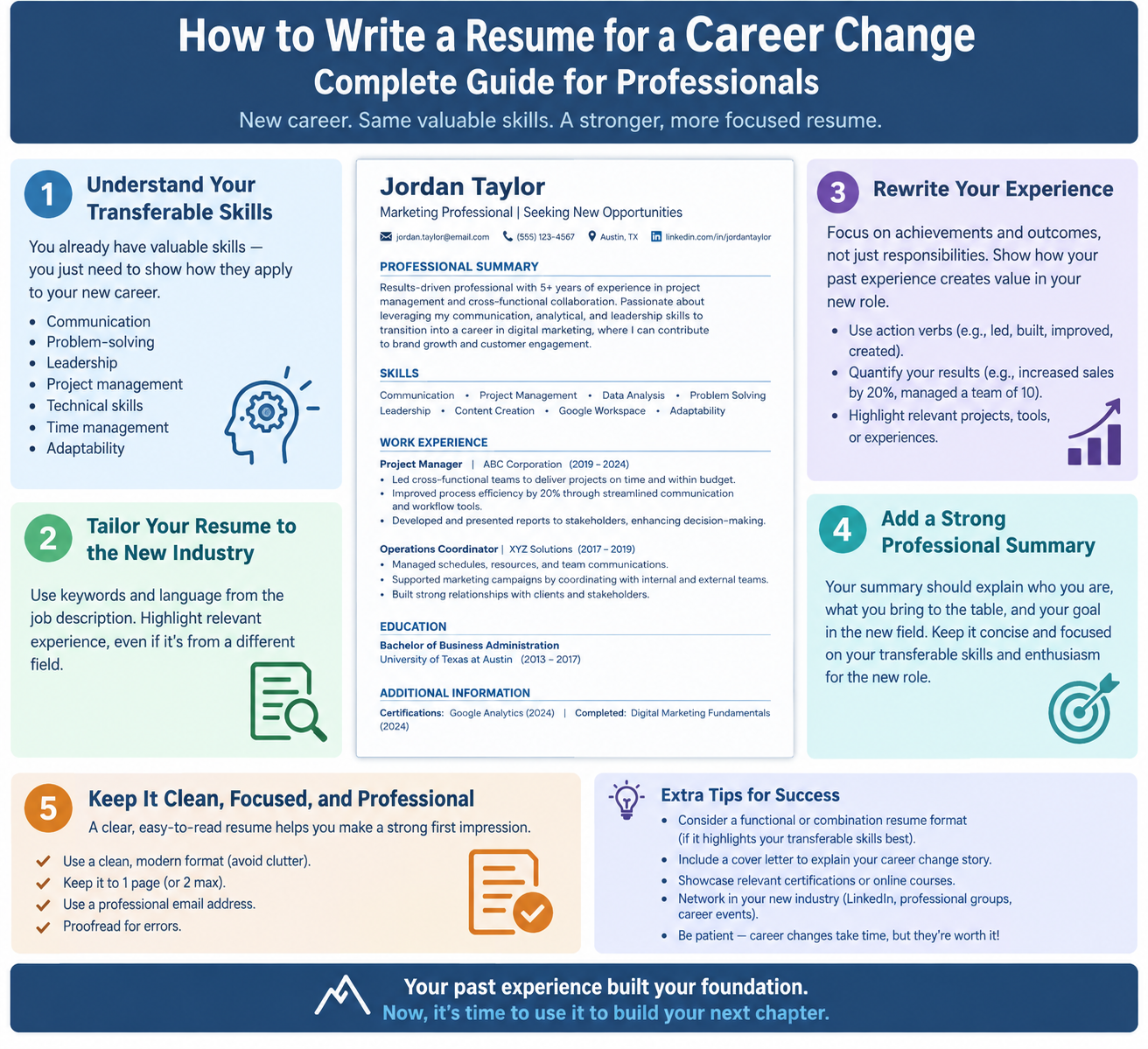
If you’re changing fields or have gaps in your employment history, a functional resume focuses on skills rather than work history. This format is beneficial if you want to emphasize your technical skills over your job titles.
3. Combination Resume Format
The combination format merges both chronological and functional formats, highlighting your skills while still providing a timeline of your work experience. This is a versatile format that works well for many engineers.
Key Sections to Include in Your Engineering Resume
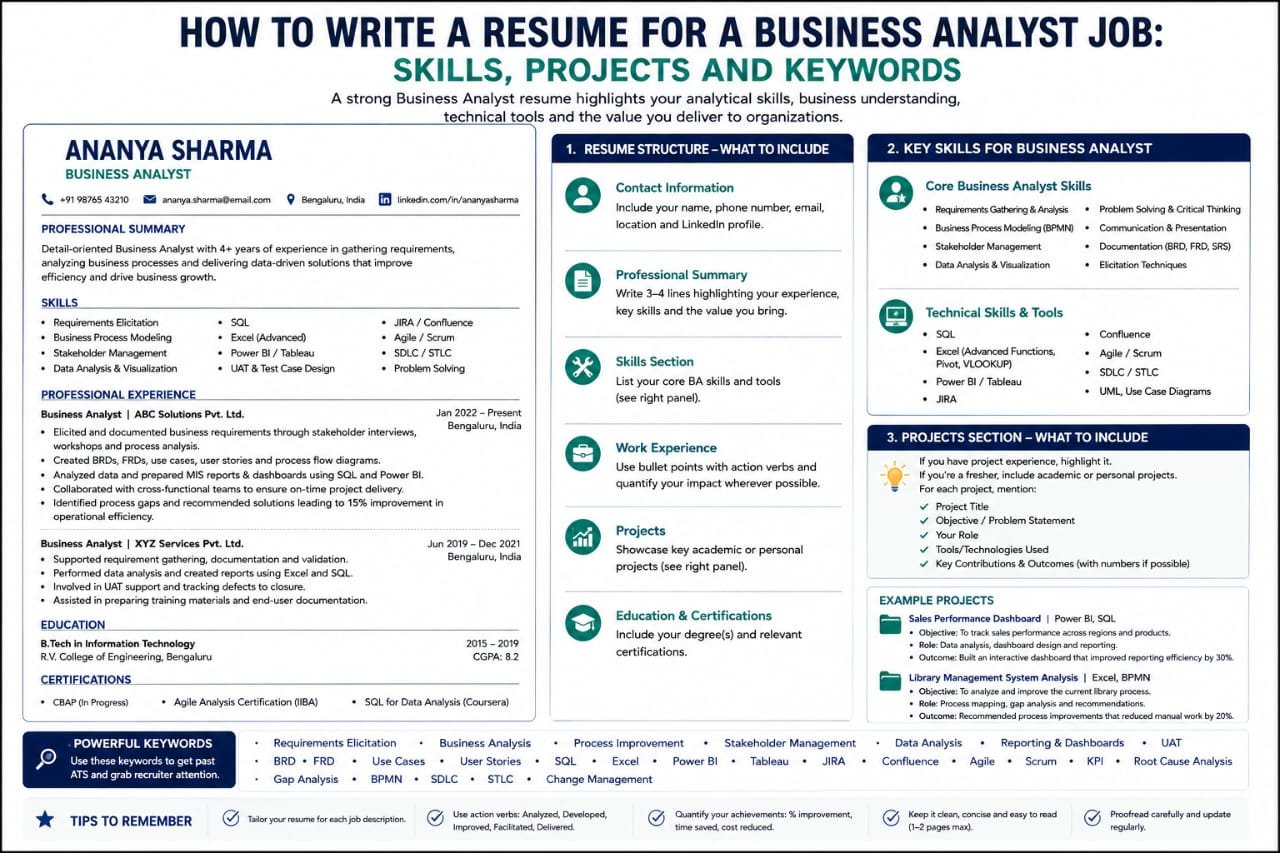
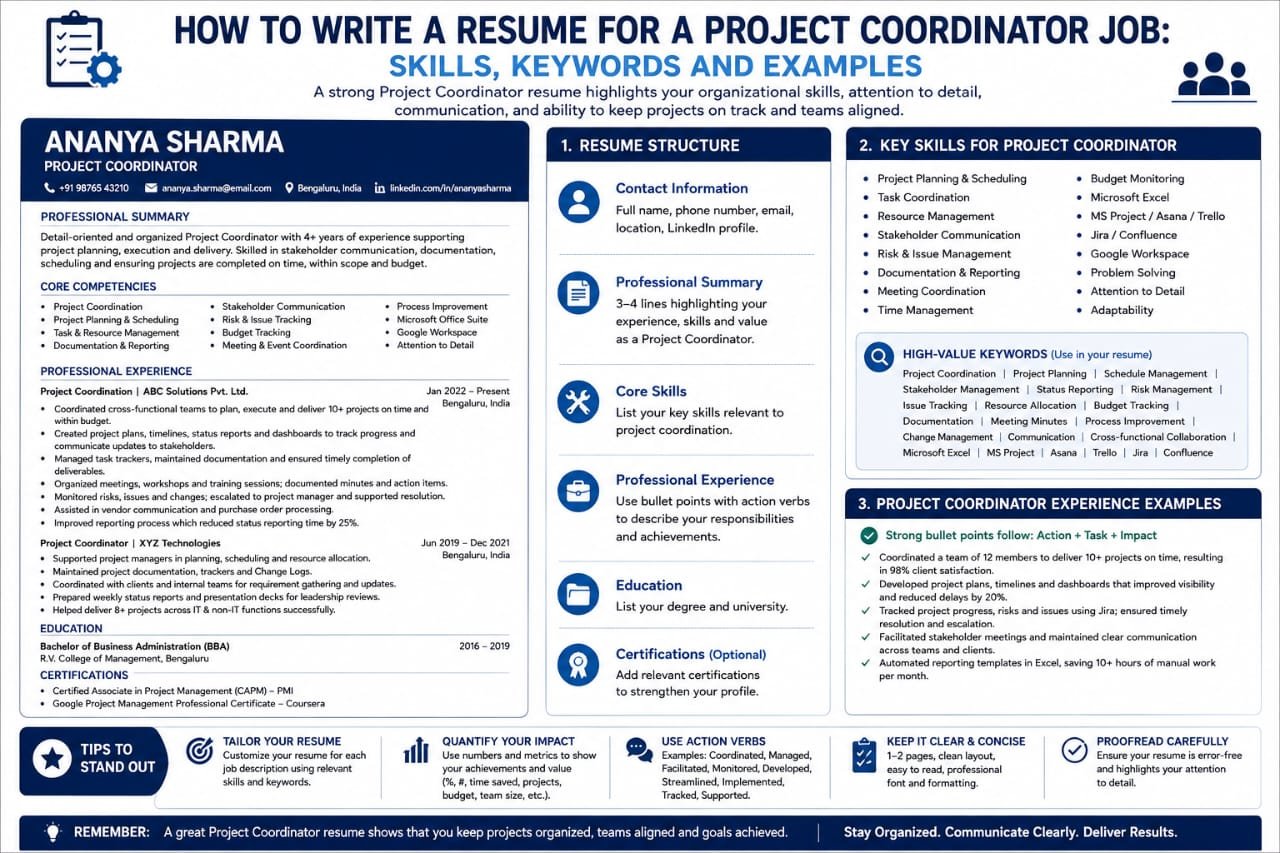
Regardless of the format you choose, certain sections are essential for any engineering resume. Here are the key components to include:
1. Contact Information
Ensure your contact details are clear and easy to find. Include your full name, phone number, email address, and LinkedIn profile link.
2. Professional Summary
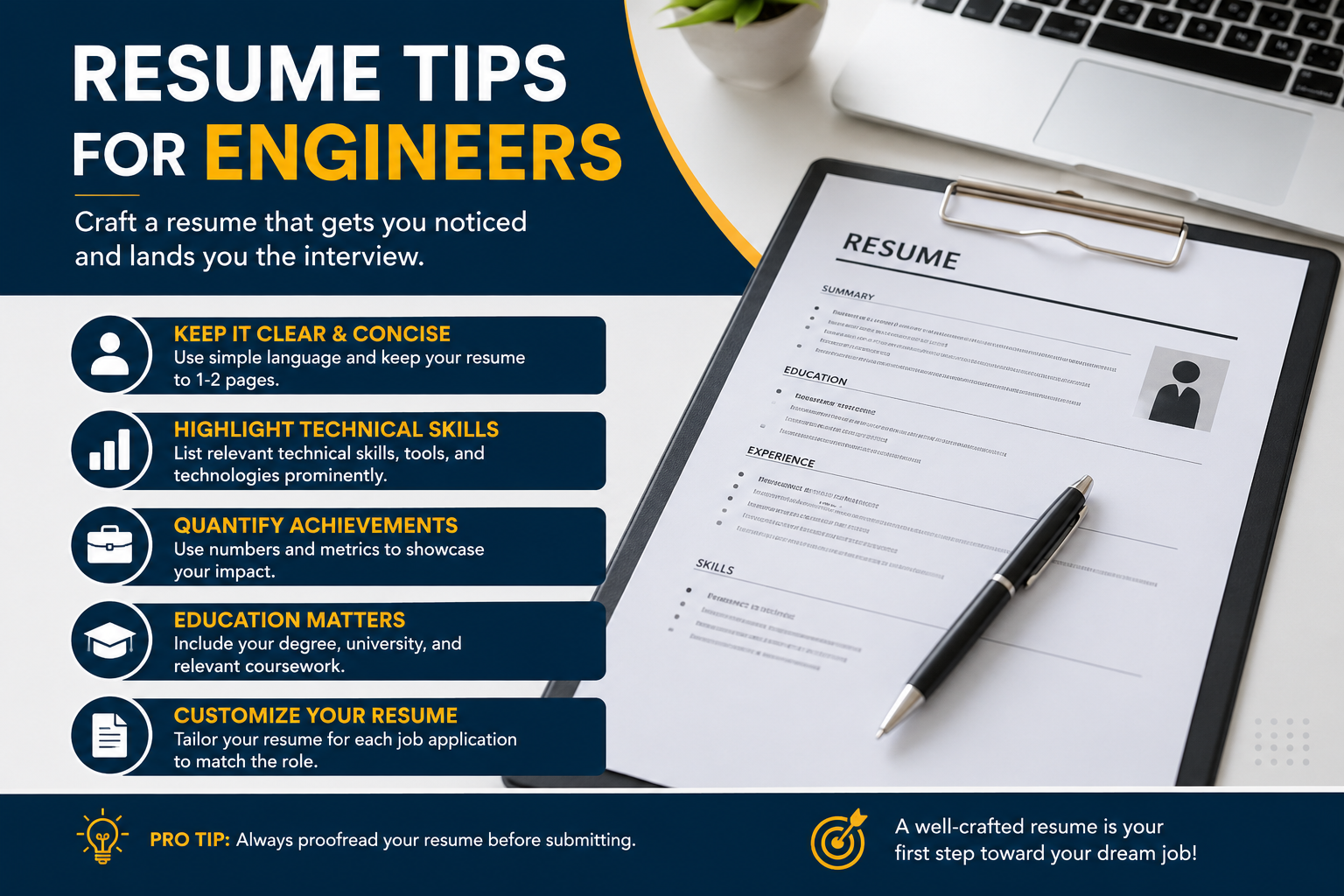
A brief professional summary at the beginning of your resume can capture attention. Highlight your key skills, years of experience, and areas of expertise. Tailor this section for each job application, focusing on what’s most relevant to the position.
3. Technical Skills
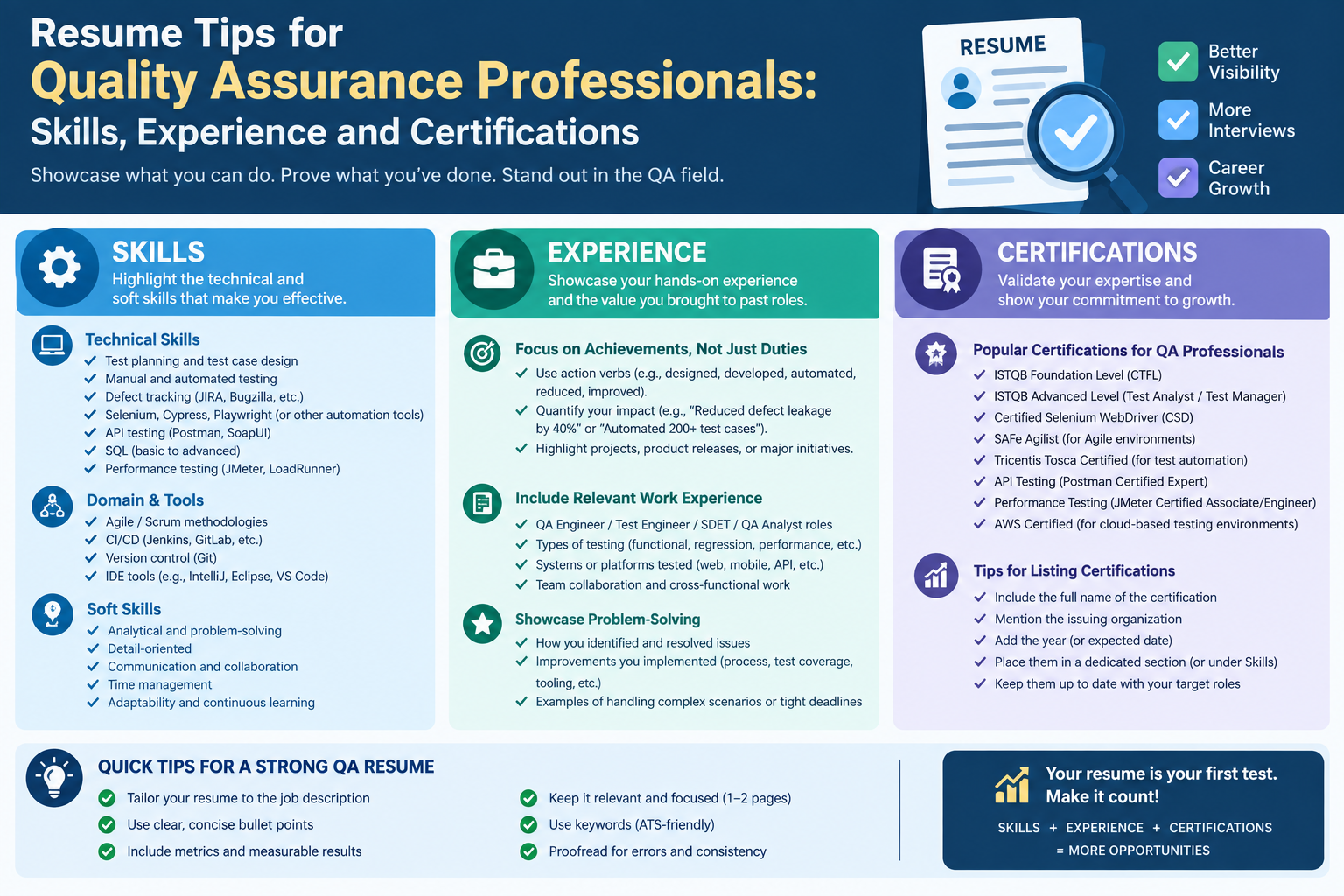
As an engineer, your technical skills are crucial. List relevant software, tools, and technologies you are proficient in. For a mechanical engineer resume, include CAD software; for a civil engineer resume, mention project management software; and for a software engineer resume, highlight programming languages.
4. Work Experience
Detail your previous employment, including job titles, company names, and dates of employment. Use bullet points to describe your responsibilities and achievements, focusing on quantifiable outcomes (e.g., “Increased efficiency by 20%”).
5. Education
List your degrees, the institutions you attended, and graduation dates. If you have certifications relevant to your field, such as PMP for project managers or PE for licensed engineers, include them here.
6. Projects and Achievements
Include any significant projects you’ve worked on, especially those relevant to the job you’re applying for. Describe your role, the challenges faced, and the results achieved.
Tailoring Your Resume for Specific Engineering Disciplines
Each engineering discipline has its nuances. Here’s how to tailor your resume for specific fields:
Mechanical Engineer Resume Tips
Focus on your experience with design software (e.g., SolidWorks, AutoCAD) and highlight any hands-on project experience. Mention any internships or co-op experiences, as practical exposure is highly valued in this field.
Civil Engineer Resume Tips
Emphasize your project management skills and ability to work on-site. Mention any structural design projects, regulatory knowledge, and familiarity with construction codes and standards.
Software Engineer Resume Tips
Highlight your coding skills, projects, and any contributions to open-source projects. Be specific about the programming languages and frameworks you are proficient in, and include links to your GitHub or portfolio if applicable.
Common Mistakes to Avoid in Your Engineering Resume
To ensure your resume stands out for the right reasons, be mindful of these common pitfalls:
1. Generic Resumes
A cookie-cutter approach won’t work. Tailor your resume for each job application to align your skills and experiences with the job description.
2. Inconsistent Formatting
Keep your formatting consistent. Use the same font, size, and style throughout your resume for a professional appearance.
3. Spelling and Grammar Errors
Proofread your resume multiple times. Simple mistakes can leave a negative impression. Consider asking someone else to review it as well.
FAQs About Engineering Resumes
Q: How long should my engineering resume be?
A: Ideally, your resume should be one page, especially if you have less than 10 years of experience. If you have extensive experience, two pages may be acceptable.
Q: Should I include a photo on my engineering resume?
A: In India, it’s common to include a photo, but ensure it’s professional. However, avoid including photos if you’re applying internationally unless specified.
Q: How do I highlight my soft skills in my engineering resume?
A: Incorporate soft skills within your work experience descriptions. For example, if you led a team project, mention your leadership and communication skills.
Q: Is it necessary to include references on my resume?
A: It’s not necessary to include references on your resume. Instead, mention that references are available upon request.
Final Thoughts: Crafting Your Perfect Engineer Resume
Creating a compelling engineering resume is an essential step in landing your dream job. By carefully choosing the right format, tailoring your content for specific engineering disciplines, and avoiding common mistakes, you can present yourself as a strong candidate. Remember to continuously update your resume as you gain new experiences and skills.
Ready to take the next step in your engineering career? Start crafting your perfect engineer resume today! For personalized assistance, feel free to reach out to our professional resume writing services.
Call to Action
If you found these tips helpful, consider sharing this blog post with fellow engineers who might benefit from it. For more insights on job hunting and career development, subscribe to our newsletter!