
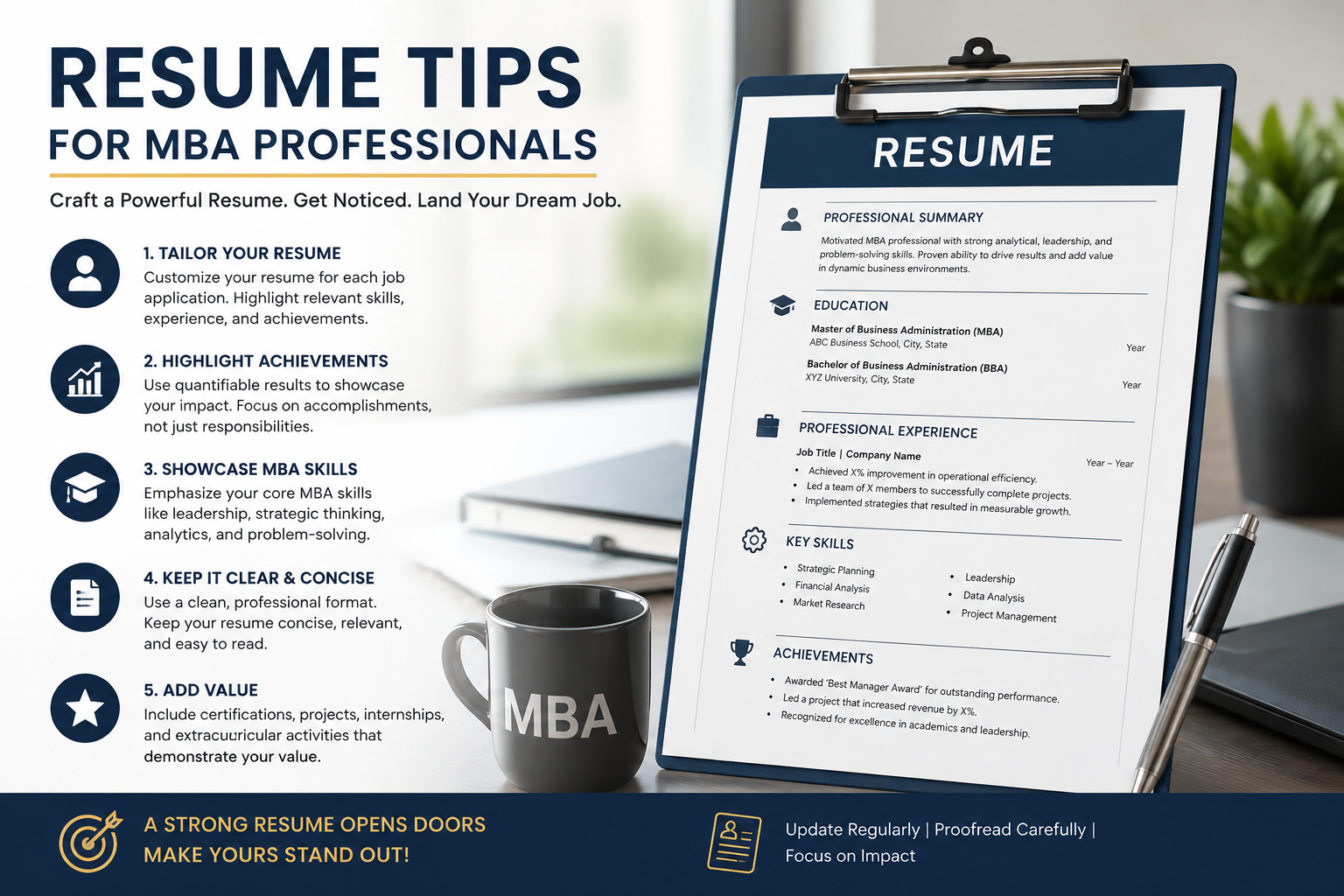

In today’s competitive job market, crafting an effective resume is crucial for MBA professionals. Whether you’re aiming for a management position, a role as a business analyst, or an operations manager, your resume needs to stand out. This blog will provide you with essential MBA resume tips, including the best MBA resume format to use and how to tailor your content for specific roles.
Understanding the Importance of a Strong Resume
Your resume is often the first impression you make on potential employers. For MBA graduates, it’s not just a list of qualifications; it’s a marketing tool that showcases your skills, experiences, and achievements. A well-structured resume can make the difference between landing an interview and being overlooked.
Essential MBA Resume Tips
1. Choose the Right MBA Resume Format
The format of your resume is vital. Here are three popular formats you can choose from:
For MBA professionals, the chronological format is often the most effective, as it clearly demonstrates career progression. However, choose a format that best reflects your background and the job you are applying for.
2. Tailor Your Resume for Specific Roles
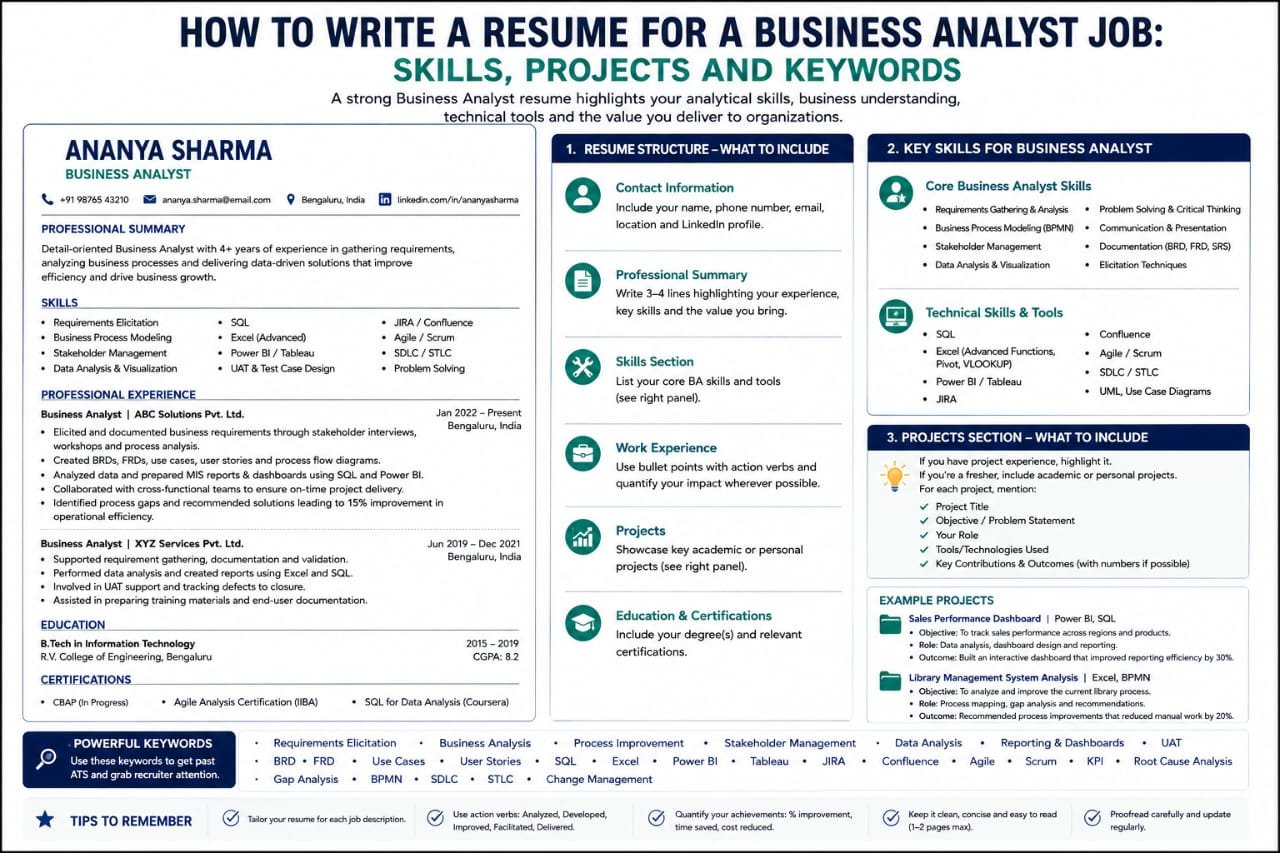
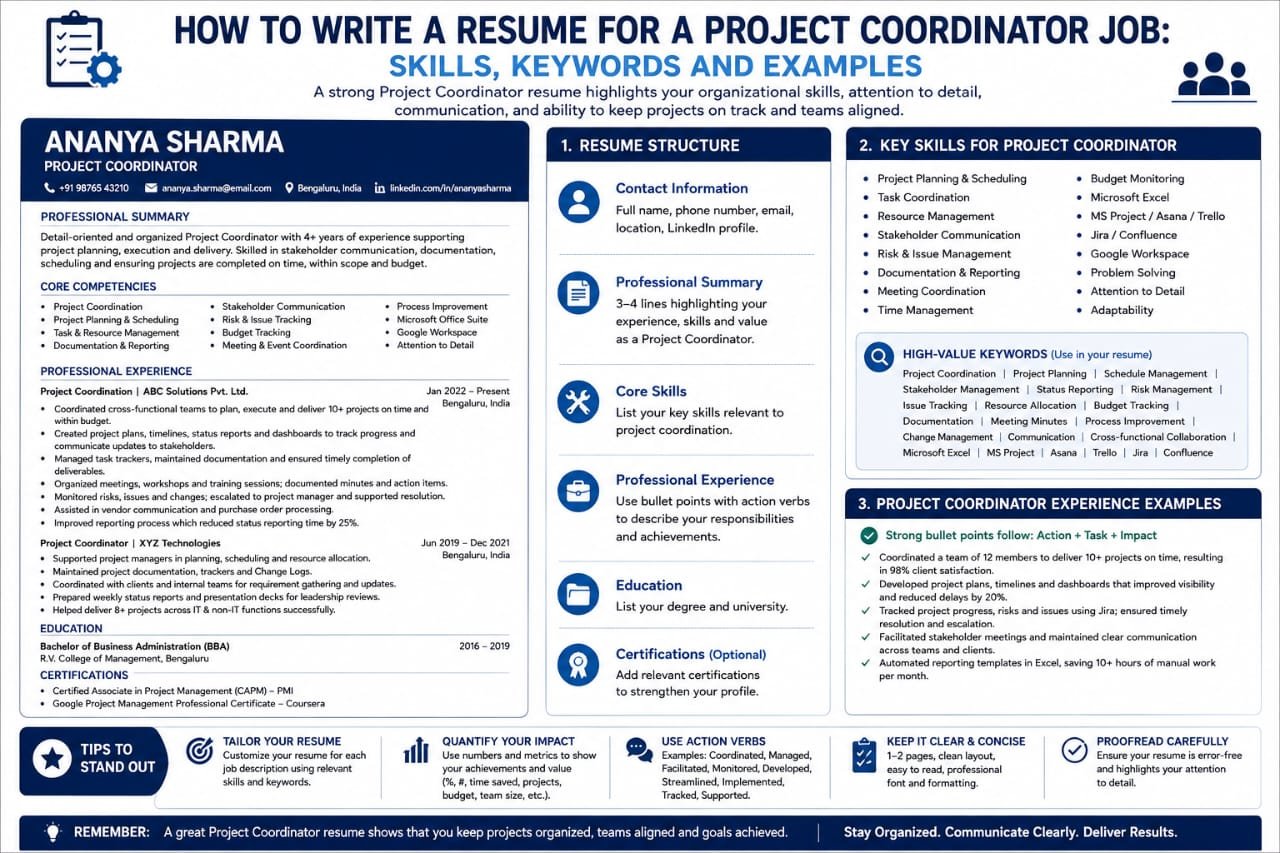
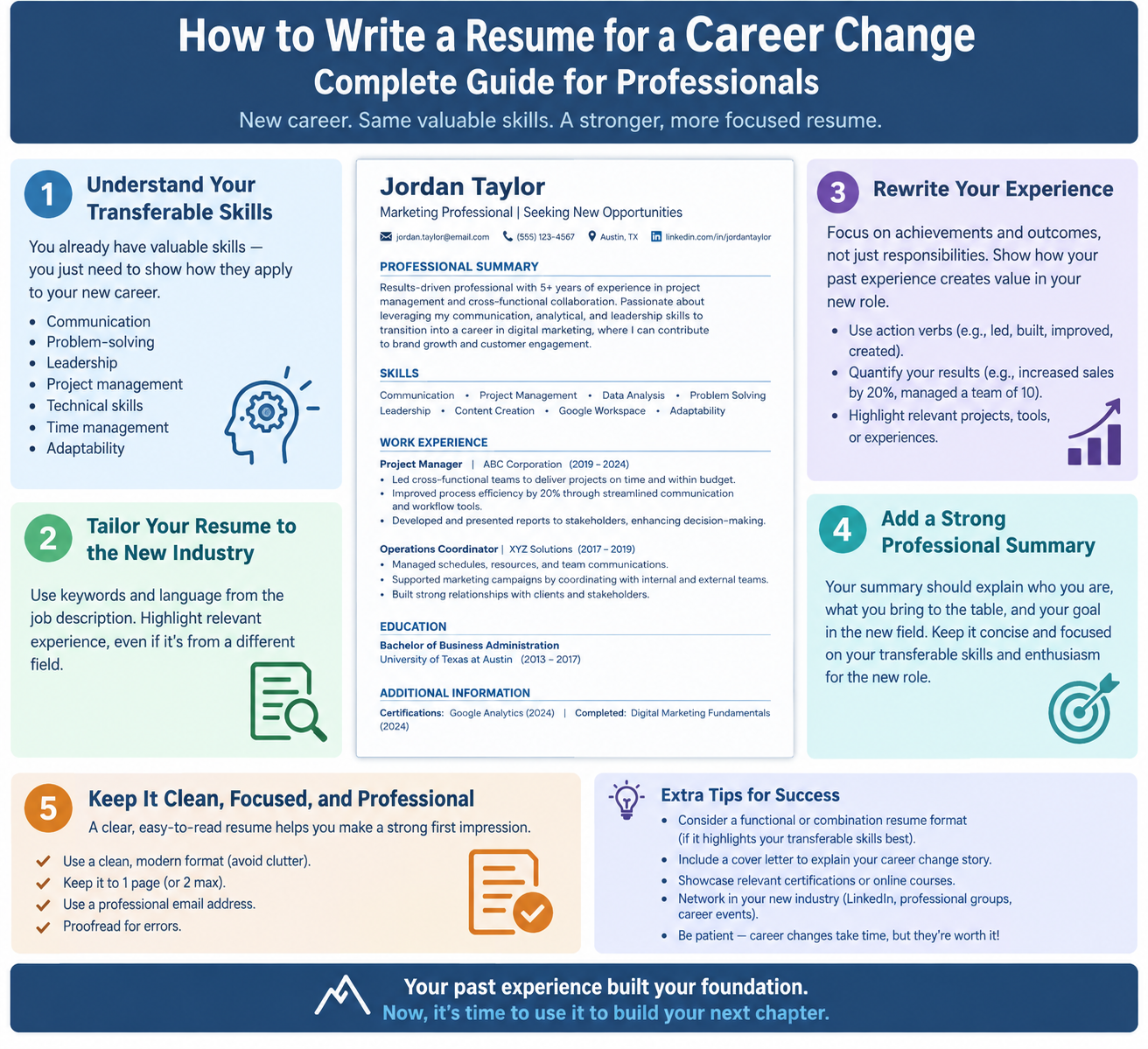
One of the most crucial MBA resume tips is to customize your resume for each job application. Research the company and the specific role, and incorporate relevant keywords and phrases from the job description. If you’re applying for a management resume position, emphasize leadership skills and management experiences. For a business analyst resume, focus on data analysis and business strategy skills.
3. Highlight Your MBA Achievements
Your MBA experience sets you apart from other candidates. Make sure to include key projects, internships, and group work that showcase your skills. Use bullet points to detail your achievements:
Quantifying your achievements makes them more impactful. Use metrics wherever possible to illustrate your success.
4. Use Action Words
Strong action verbs can make a significant difference in how your resume is perceived. Start each bullet point with compelling verbs like "Led," "Developed," "Analyzed," or "Implemented." This not only conveys your contributions effectively but also adds dynamism to your resume.
5. Keep It Concise
Your resume should ideally be one page long, especially if you have less than 10 years of experience. Be concise, and focus on the most relevant experiences and skills. Use clear headings and bullet points to make it easy for hiring managers to skim your resume.
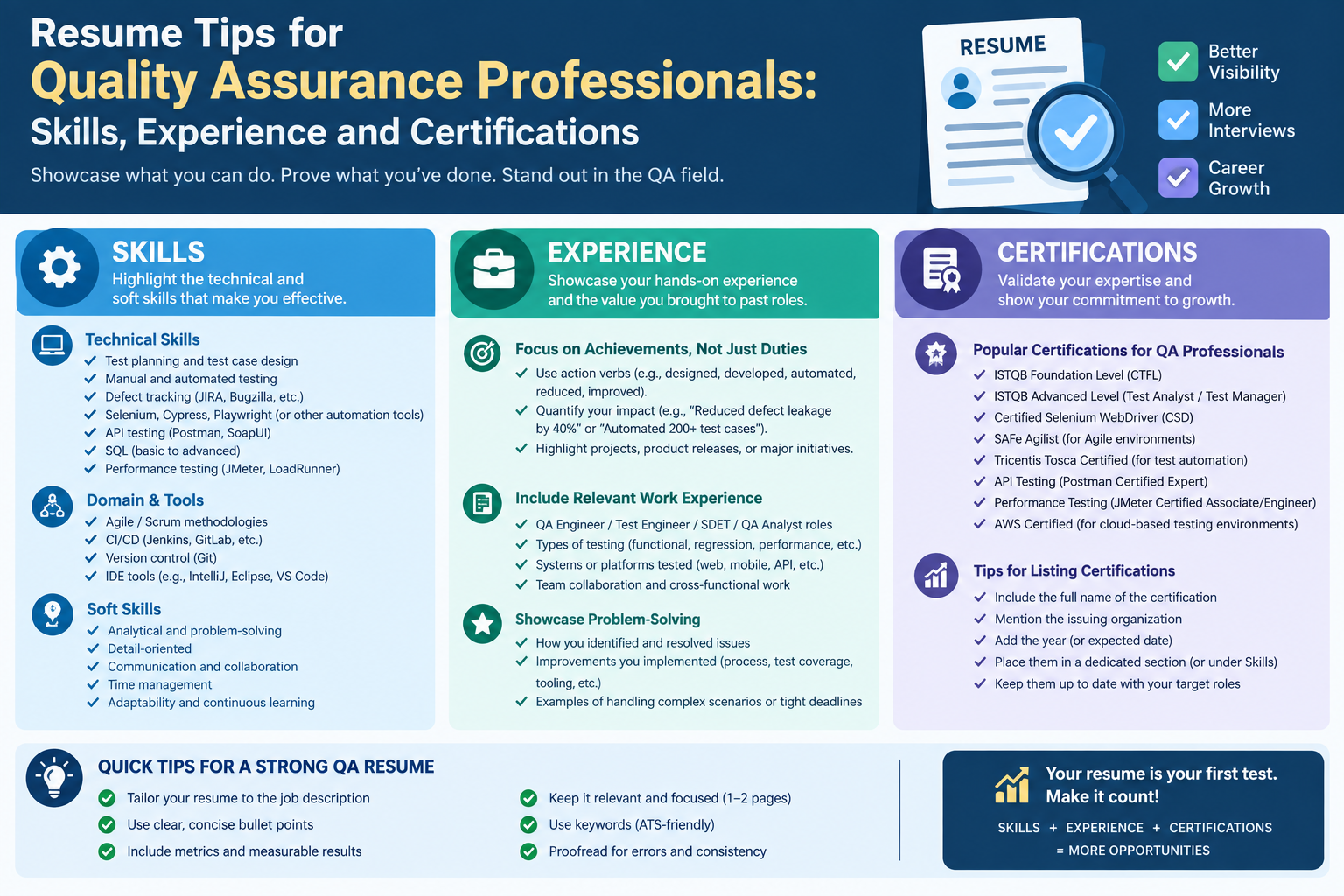
6. Include Relevant Skills
Employers look for specific skills relevant to the job. For an operations manager resume, emphasize skills like project management, supply chain optimization, and team leadership. For a business analyst, highlight analytical skills, problem-solving capabilities, and proficiency in data analysis tools.
7. Education Matters
As an MBA professional, your educational background is significant. Include your MBA details prominently, along with any relevant certifications or additional coursework.
8. Proofread and Edit
Nothing can undermine your professionalism like typos or grammatical errors. Take the time to proofread your resume thoroughly. It’s also a good idea to have a friend or mentor review it for feedback.
Common Mistakes to Avoid
1. Using a Generic Resume
As mentioned earlier, sending out a generic resume is a missed opportunity. Always tailor your resume to the job you’re applying for.
2. Overloading with Information
While it’s important to highlight your achievements, avoid cluttering your resume with unnecessary information. Stick to relevant details that showcase your fit for the role.
3. Ignoring the Design
A visually appealing resume can grab attention. Use a clean, professional design with clear headings and enough white space for readability. Avoid overly complex designs that may distract from the content.
FAQs
1. How long should my MBA resume be?
Your resume should ideally be one page long, especially if you have less than 10 years of experience. If you have extensive relevant experience, a two-page resume can be acceptable.
2. Should I include my GPA on my resume?
It depends. If your GPA is impressive (generally above 3.5), you may want to include it. If not, it’s better to focus on your skills and experiences.
3. Can I use a template for my MBA resume?
Yes, using a template can help you structure your resume effectively. However, ensure that you customize it to reflect your unique skills and experiences.
4. How often should I update my resume?
It’s a good practice to update your resume regularly, especially after completing significant projects or acquiring new skills. This ensures you’re always ready for new opportunities.
Conclusion
Crafting a compelling resume as an MBA professional is crucial for standing out in a competitive job market. By following these MBA resume tips and utilizing the right MBA resume format, you can effectively showcase your skills and experiences. Remember, your resume is your marketing tool—make it work for you!
If you’re looking for personalized assistance to refine your resume, feel free to reach out! Our expert team is here to help you land your dream job in management, business analysis, or operations management.
Ready to take your career to the next level? Contact us today for professional resume writing services!