
Latest Post

Quality Management Courses



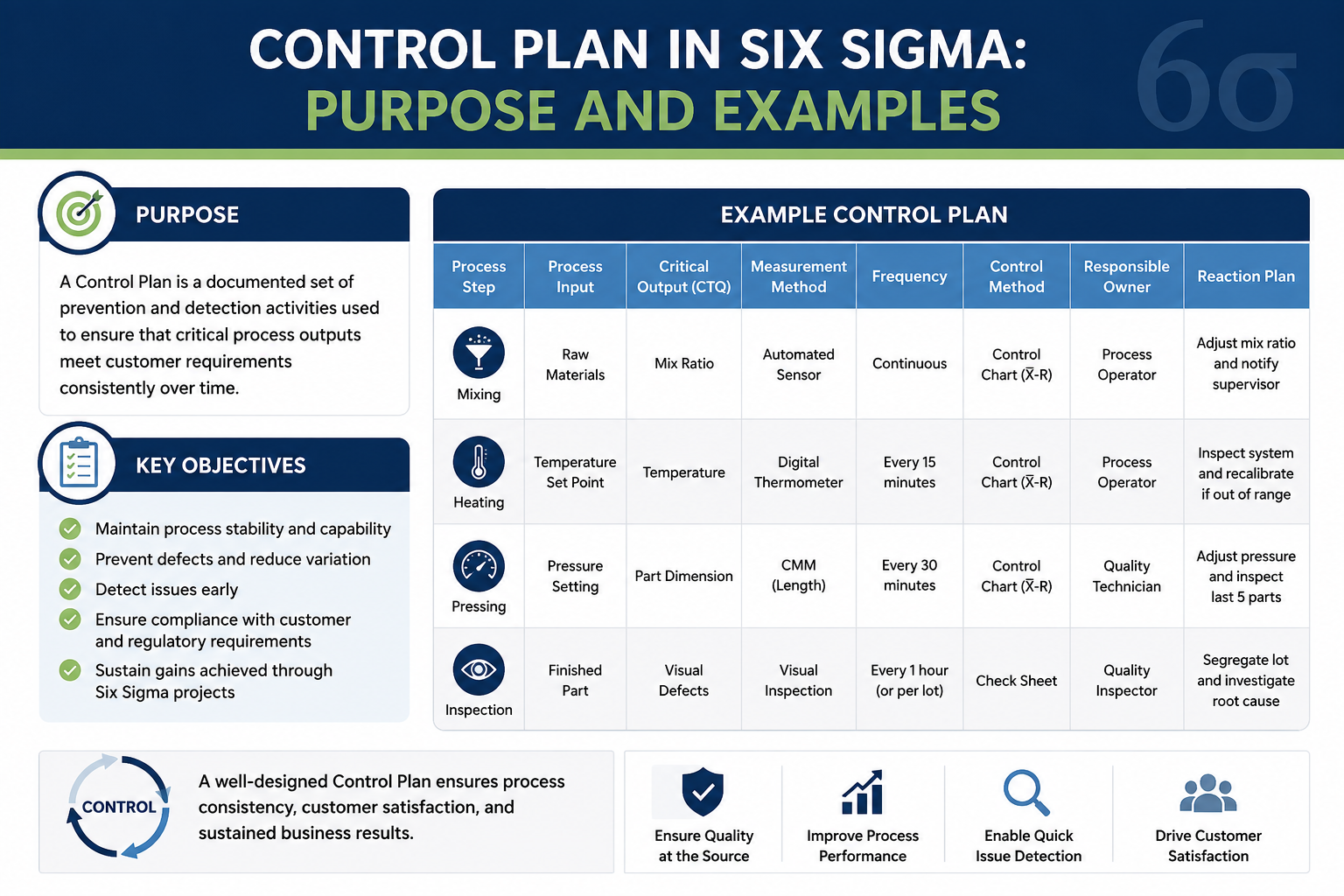

The world of quality management is constantly evolving, and Six Sigma has emerged as a critical methodology for businesses looking to enhance their processes and products. One essential component of Six Sigma is the control plan, which plays a pivotal role in maintaining quality standards. In this article, we will delve into the control plan in Six Sigma, its purpose, various examples, and the significance of effective process monitoring techniques.
Understanding Control Plans in Six Sigma
A control plan is a detailed document that outlines the necessary steps to ensure that a process remains stable and consistent over time. It specifies the measures and controls used to monitor process performance and maintain product quality. Control plans are crucial during the control phase of Six Sigma, where the focus is on sustaining improvements achieved during the previous phases.
Purpose of a Control Plan in Six Sigma
The primary purpose of a control plan in Six Sigma is to:
Components of a Control Plan
A typical control plan includes the following components:
Quality Control Plan Examples
Understanding the practical application of control plans can significantly enhance your grasp of the concept. Here are some quality control plan examples in different industries:
Example 1: Manufacturing Industry
In a manufacturing setup, a control plan might focus on the production of automotive parts. The CTQ characteristics could include dimensional accuracy and surface finish. The following elements could be part of the control plan:
Example 2: Service Industry
In the service sector, a control plan for a call center might focus on customer satisfaction as a CTQ characteristic. The control plan could include:
Process Monitoring Techniques in Control Plans
Effective process monitoring techniques are vital for the success of a control plan in Six Sigma. Here are some commonly used techniques:
Statistical Process Control (SPC)
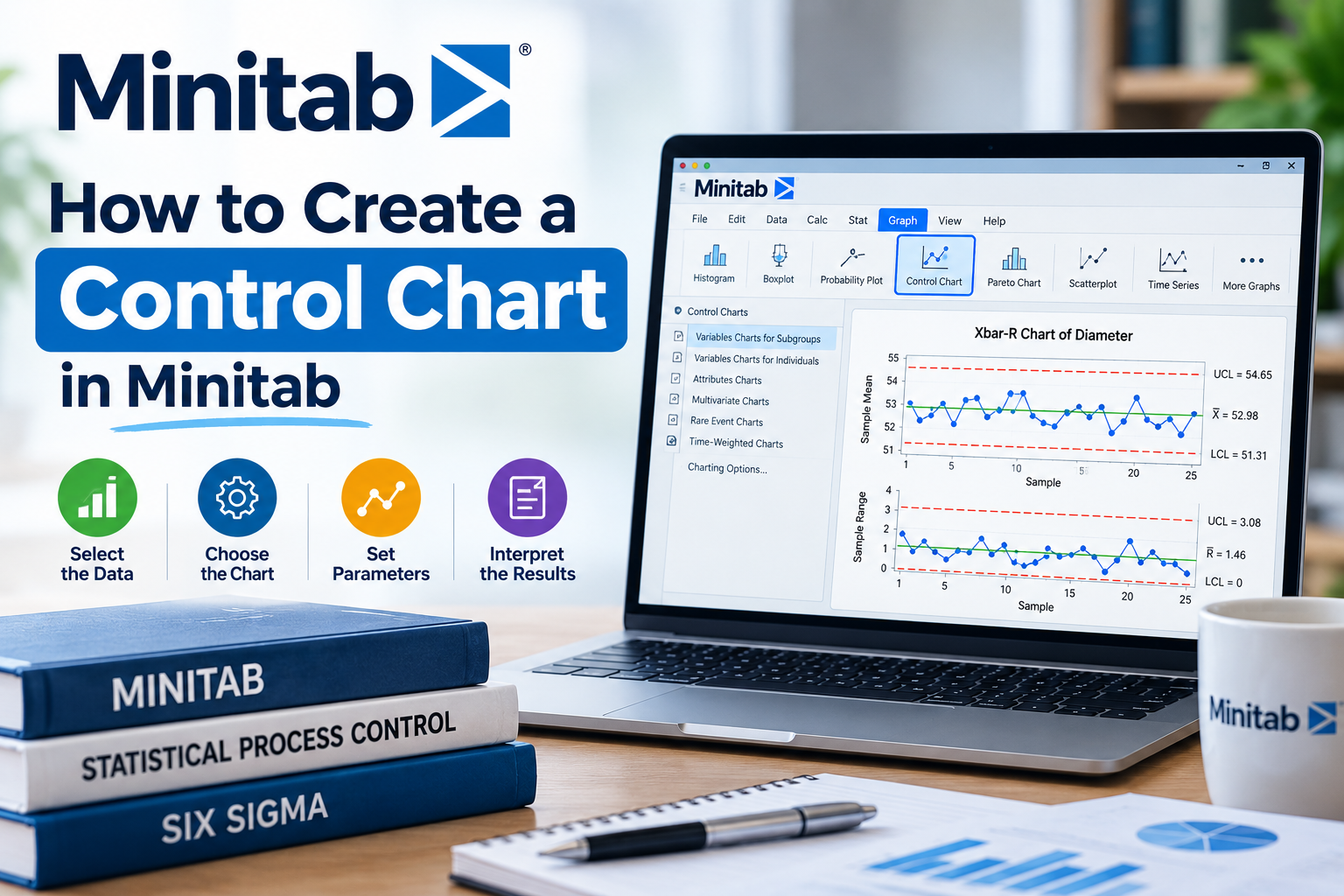
SPC involves using statistical methods to monitor and control processes. Control charts are a key tool in SPC, allowing teams to visualize process variations over time and identify trends or abnormalities.
Process Capability Analysis
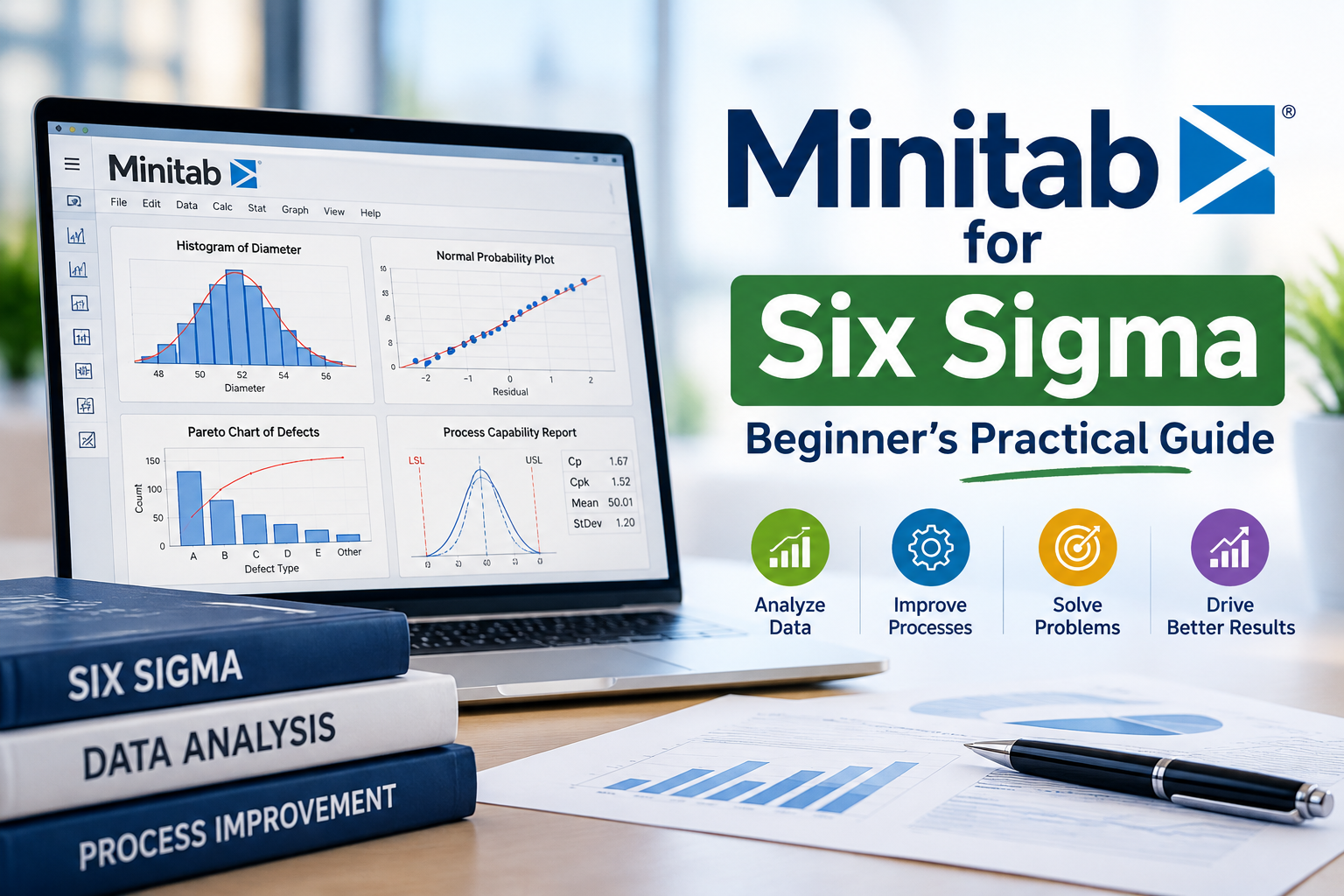
This technique assesses how well a process can produce output within specified limits. By calculating capability indices such as Cp and Cpk, teams can determine if a process is capable of meeting quality standards.
Root Cause Analysis (RCA)
RCA is essential for identifying the underlying causes of defects or variations. When issues arise, teams can utilize RCA techniques such as the 5 Whys or Fishbone Diagram to investigate and resolve problems effectively.
Implementing a Control Plan in Six Sigma
Implementing a control plan requires careful planning and execution. Here are the steps to create an effective control plan:
FAQs about Control Plans in Six Sigma
What is a control plan in Six Sigma?
A control plan in Six Sigma is a document that outlines the steps necessary to maintain process stability and product quality. It includes details about measurement techniques, control methods, and responsibilities.
Why is a control plan important?
A control plan is essential for standardizing processes, monitoring performance, preventing variations, and facilitating continuous improvement. It helps organizations maintain high-quality standards over time.
What are some examples of control plans?
Examples of control plans include those used in manufacturing to monitor product dimensions and surface quality, as well as service industry plans that focus on customer satisfaction metrics.
What techniques are used for process monitoring in control plans?
Common process monitoring techniques include Statistical Process Control (SPC), Process Capability Analysis, and Root Cause Analysis (RCA).
Conclusion
In summary, a control plan in Six Sigma is a vital tool for maintaining quality and ensuring process stability. By understanding its purpose, components, and effective monitoring techniques, organizations can leverage control plans to drive continuous improvement. If you're looking to enhance your quality management practices, consider implementing a control plan tailored to your specific needs.
Ready to elevate your business processes? Start implementing a control plan today and experience the benefits of improved quality and efficiency!
Call to Action: If you need help developing a control plan or want to learn more about Six Sigma methodologies, contact us today for expert guidance and support!