About iQS

Empowering learners and educators with a comprehensive platform that bridges the gap between traditional and modern education. iQS inspires excellence in education and fosters growth for a brighter future.

Follow Us

Home Blogs
Pravin sahani
Jun 12, 2026
Time-to-Hire vs Quality-of-Hire: Which Metric Matters More?

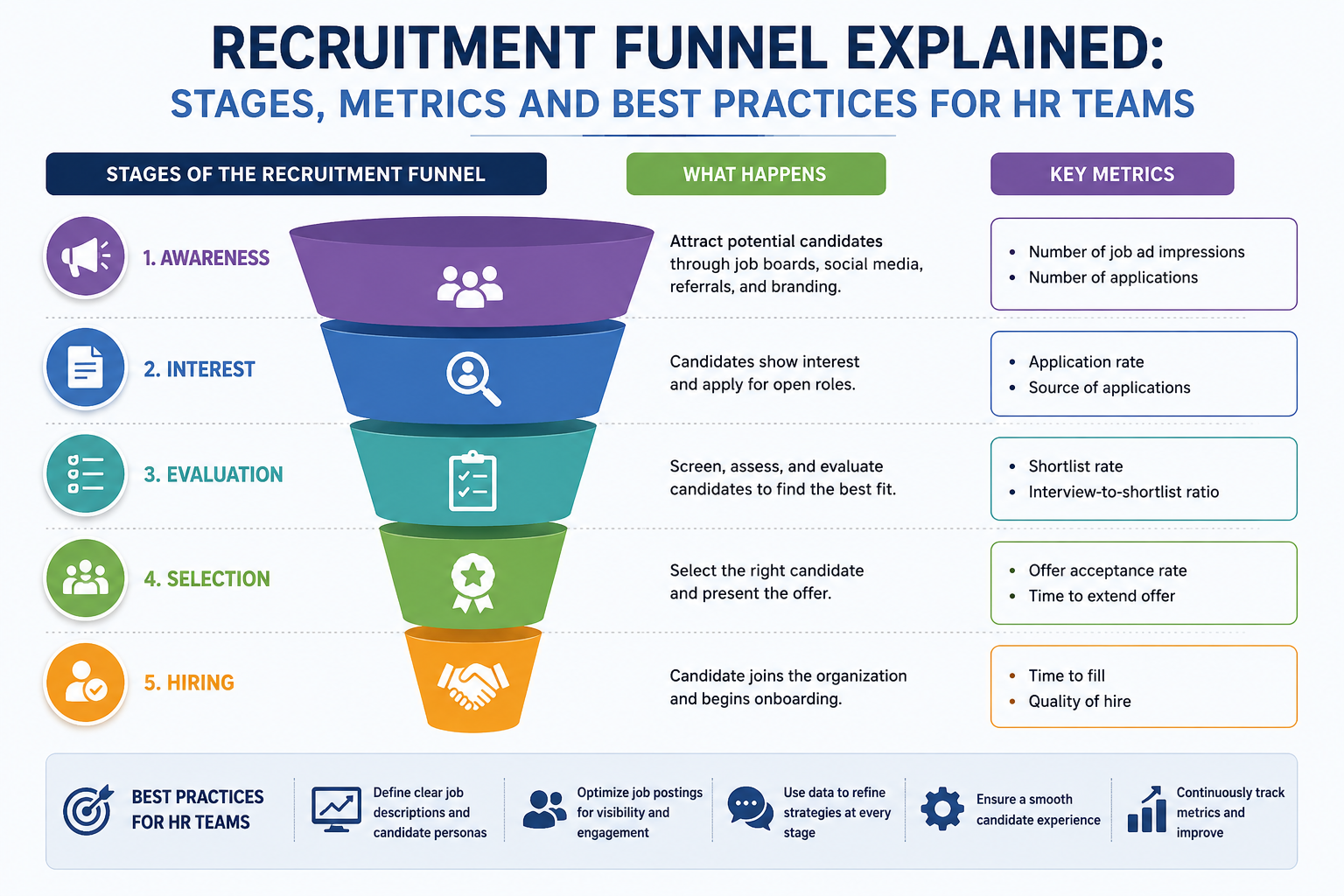
Time-to-Hire vs Quality-of-Hire: Which Metric Matters More? In the dynamic world of recruitment, organizations are constantly seeking ways to improve their hiring processes. Two critical recruitment metrics that often come into play are time-to-hire and quality of hire. While many HR professionals focus on reducing the time it takes to fill a position, others emphasize the importance of hiring the right talent. But which metric truly matters more for your organization? In this blog, we will delve into both metrics, explore their significance, and help you determine which one should take precedence in your hiring strategy. Understanding Time-to-Hire Time-to-hire refers to the total time taken from the moment a job requisition is opened until a candidate accepts the job offer. This metric is crucial for several reasons: Understanding Quality of Hire Quality of hire, on the other hand, measures the effectiveness of your hiring decisions. It assesses the performance and contribution of new hires to the organization over time. Here are some reasons why quality of hire should not be overlooked: Time-to-Hire vs Quality-of-Hire: The Balancing Act While both metrics are essential, organizations often find themselves at a crossroads. The challenge lies in striking the right balance between time-to-hire and quality-of-hire. Here are some considerations: 1. Industry Standards Different industries have varying benchmarks for time-to-hire. For instance, tech companies may require a faster recruitment process due to the high demand for skilled professionals. In contrast, industries like healthcare might prioritize quality over speed, as hiring the wrong candidate could have severe consequences. 2. Role Specificity The nature of the role being filled also plays a crucial role in determining which metric should take precedence. For critical positions that require specialized skills, it’s vital to prioritize quality of hire. Conversely, for entry-level positions, a focus on reducing time-to-hire may be more appropriate. 3. Company Culture and Values Your company’s culture and values should influence your recruitment strategy. If your organization values collaboration and teamwork, prioritizing quality of hire may lead to a more cohesive work environment. However, if agility and rapid growth are part of your ethos, a shorter time-to-hire may be necessary. Strategies to Improve Both Metrics It’s possible to enhance both time-to-hire and quality-of-hire through strategic planning and implementation. Here are some effective strategies: 1. Implement an Efficient Recruitment Process Streamlining your recruitment process can significantly reduce time-to-hire without sacrificing quality. Utilize technology such as Applicant Tracking Systems (ATS) to manage applications efficiently and communicate promptly with candidates. 2. Develop a Strong Employer Brand A compelling employer brand attracts quality candidates and can reduce the time spent attracting talent. Showcase employee testimonials, company culture, and growth opportunities on your website and social media platforms. 3. Use Data-Driven Decisions Leverage recruitment metrics and analytics to make informed hiring decisions. By analyzing past hiring data, you can identify which sources yield the best candidates, allowing you to focus your efforts where they matter most. 4. Enhance Candidate Engagement Engaging candidates throughout the recruitment process can improve their experience and increase the likelihood of accepting an offer. Maintain open lines of communication and provide timely updates during the hiring process. Conclusion: Which Metric Matters More? Ultimately, the answer to whether time-to-hire or quality-of-hire matters more depends on your organization's unique circumstances. While time-to-hire can enhance efficiency and candidate experience, quality of hire is crucial for long-term success and retention. The key lies in finding the right balance between the two metrics to ensure that your recruitment strategy aligns with your organizational goals. FAQs 1. How can I measure the quality of hire? Quality of hire can be measured using various metrics, including employee performance ratings, retention rates, and feedback from managers and peers. Tracking these over time helps assess how well new hires contribute to the organization. 2. Is it possible to reduce time-to-hire without sacrificing quality? Yes, streamlining the recruitment process, leveraging technology, and improving candidate engagement can help reduce time-to-hire while still focusing on quality. It's about finding the right strategies that work for your organization. 3. How long should the time-to-hire be in India? The ideal time-to-hire can vary significantly by industry. However, a general benchmark for many industries in India ranges from 30 to 45 days. It's essential to tailor your hiring timeline based on the specific needs of your organization and industry standards. 4. What tools can help improve recruitment metrics? Applicant Tracking Systems (ATS), recruitment marketing platforms, and data analytics tools can significantly enhance your recruitment process. These tools help streamline workflows, track metrics, and improve overall efficiency. Call to Action Understanding the balance between time-to-hire and quality-of-hire is essential for any organization looking to enhance its recruitment strategy. If you want to dive deeper into improving your recruitment metrics or need assistance in refining your hiring processes, contact us today for a personalized consultation! Let's work together to find the right talent that drives your organization's success.

Pravin sahani
Jun 12, 2026
Why Companies Make Bad Hiring Decisions and How to Avoid Them

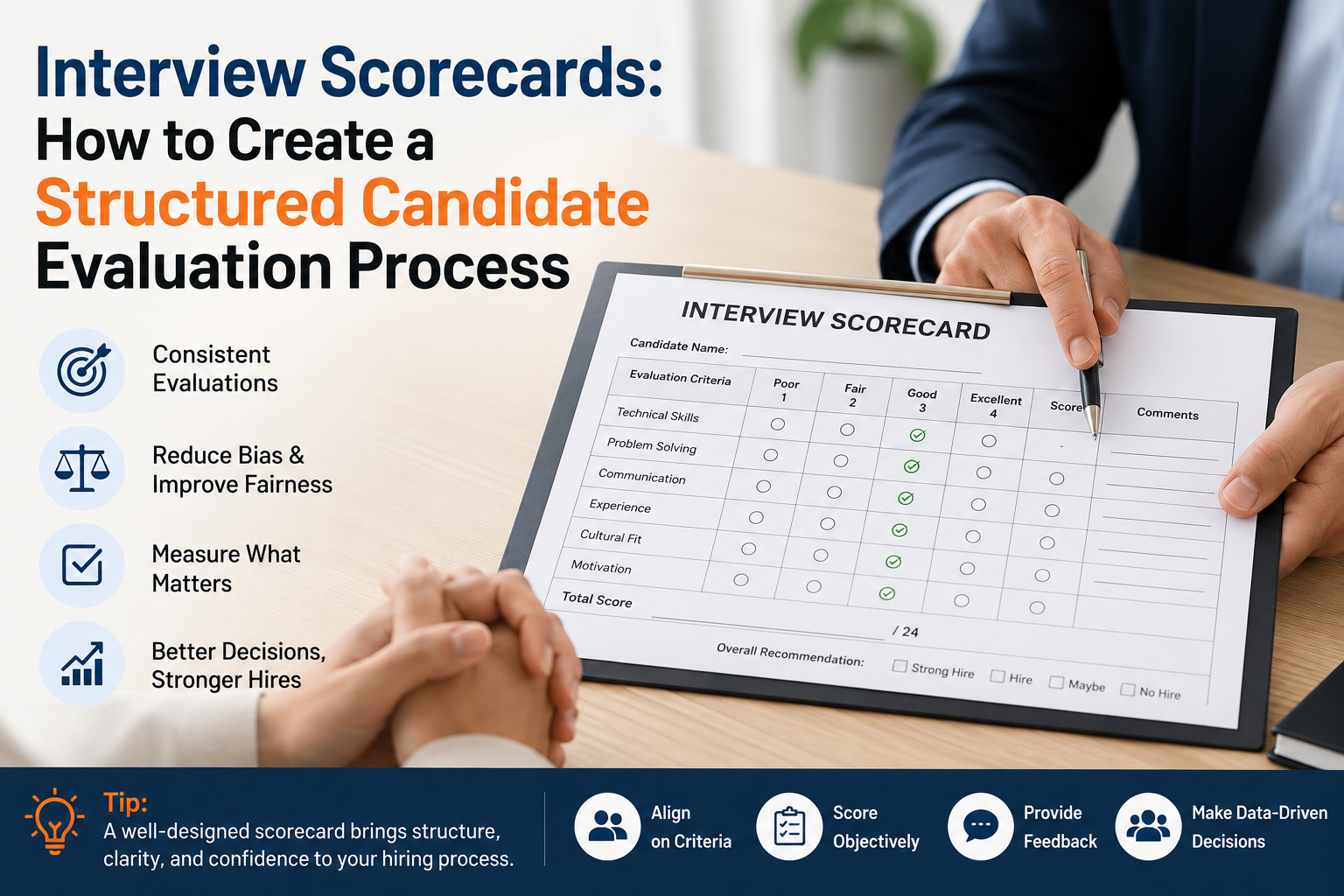
Why Companies Make Bad Hiring Decisions and How to Avoid Them Hiring the right talent is crucial for any organization's success. However, many companies continue to make bad hiring decisions that can lead to wasted resources, decreased morale, and long-term consequences. Understanding the reasons behind recruitment mistakes and adopting strategies to mitigate them can significantly enhance the recruitment process. In this blog, we will explore the common pitfalls in hiring and how to avoid them, specifically targeting the Indian job market. Common Reasons Behind Bad Hiring Decisions 1. Lack of Clear Job Descriptions One of the most prevalent reasons for bad hiring decisions is the absence of a well-defined job description. A vague or overly broad description can attract candidates who may not possess the necessary skills or experience. This leads to misalignment between what the company needs and what the candidate offers. 2. Overemphasis on Qualifications Many employers focus too much on degrees and certifications, overlooking practical experience and soft skills. While qualifications matter, they do not always guarantee the right fit for the company culture or the role. This can result in recruitment mistakes where the candidate is technically proficient but lacks essential interpersonal skills. 3. Rushed Hiring Process In a competitive job market like India’s, companies often rush to fill positions. This haste can lead to superficial evaluations and overlooking key attributes. A rushed process may result in hiring someone who seems suitable on paper but fails to integrate well into the team. 4. Ignoring Cultural Fit Another common mistake is neglecting to assess whether a candidate aligns with the company's culture. Cultural fit is critical for long-term success and employee retention. When organizations prioritize technical skills over cultural alignment, they risk hiring individuals who may not be a good match for the existing team dynamic. 5. Bias in the Recruitment Process Unconscious bias can significantly influence hiring decisions. Whether based on gender, age, ethnicity, or educational background, biases can cloud judgment and lead to bad hiring decisions. It’s essential for companies to recognize and address these biases during recruitment. Strategies to Avoid Recruitment Mistakes 1. Develop Comprehensive Job Descriptions Creating detailed job descriptions is the first step in attracting the right candidates. Clearly outline the skills, experience, and values required for the position. Use specific language to avoid ambiguity and set realistic expectations for applicants. 2. Prioritize Skills and Experience Over Qualifications Shift the focus from formal qualifications to relevant skills and experience. Consider candidates who have demonstrated their capabilities through real-world experience, internships, or freelance work. This approach can lead to discovering hidden talent that may otherwise have been overlooked. 3. Implement a Structured Interview Process A structured interview process can help mitigate rushed hiring decisions. Standardizing interview questions ensures consistency and fairness, allowing all candidates to be evaluated on the same criteria. Incorporate behavioral questions that assess candidates' past experiences and how they’ve handled specific situations. 4. Assess Cultural Fit Incorporate assessments that gauge cultural fit during the interview process. This can include questions about the candidate's values, work style, and how they handle team dynamics. Involving current team members in the interview process can also provide insights into how well a candidate might fit into the existing culture. 5. Train Hiring Managers on Unconscious Bias Provide training for hiring managers and interviewers to recognize and combat unconscious bias. This can involve workshops, seminars, or online courses dedicated to promoting diversity and inclusion in the workplace. By fostering awareness, companies can make more informed decisions and minimize recruitment mistakes. Measuring Hiring Success 1. Analyze Employee Retention Rates One way to measure the effectiveness of your hiring process is to analyze employee retention rates. High turnover can indicate that previous hires were not the right fit. Conduct exit interviews to gain insights into why employees leave and adjust your hiring strategies accordingly. 2. Solicit Feedback from Employees Regular feedback from employees regarding the hiring process can provide valuable insights. Encourage open communication and create a culture where team members feel comfortable sharing their thoughts on new hires and the recruitment process. 3. Track Performance Metrics Monitor the performance of new hires to assess if they meet the expectations set during the recruitment process. Utilize KPIs (Key Performance Indicators) relevant to the role and compare them against established benchmarks. This will help identify trends and areas for improvement in your hiring strategy. Frequently Asked Questions (FAQs) What are the main consequences of bad hiring decisions? Bad hiring decisions can lead to decreased productivity, increased turnover, negative impact on team morale, and financial losses associated with recruitment and training costs. How can we improve our job descriptions to attract better candidates? Ensure that job descriptions are clear, specific, and inclusive. Highlight the essential skills, responsibilities, and values important to the company. Additionally, avoid jargon and use language that resonates with your target audience. What role does teamwork play in the hiring process? Involving current team members in the hiring process can provide diverse perspectives and insights. It helps in assessing cultural fit and ensures that the candidate aligns with team dynamics and work ethics. How can we reduce unconscious bias in our hiring process? Implement structured interviews, use standardized evaluation criteria, and provide training on unconscious bias. Encouraging a diverse hiring panel can also help minimize bias and promote inclusivity. Conclusion Making bad hiring decisions can have lasting impacts on a company’s success. By understanding the common pitfalls and implementing strategic measures, organizations can enhance their recruitment processes and attract the right talent. Remember, hiring is not just about filling a position; it’s about building a strong team that drives the company forward. Invest time and resources into refining your hiring strategies to ensure that you’re making informed decisions that align with your organization's goals. If you want to improve your hiring process and avoid common recruitment mistakes, contact us today! Our team of experts is ready to assist you in finding the right talent for your organization.

Pravin sahani
Jun 12, 2026
How Certifications Improve Resume Visibility and Interview Chances

How Certifications Improve Resume Visibility and Interview Chances In today's competitive job market, the quest for that perfect job can often feel overwhelming. With countless candidates vying for a limited number of positions, how do you make your resume stand out? One effective strategy is to focus on certifications on your resume. These qualifications not only enhance your skills but also significantly improve your resume optimization, ensuring that your application catches the attention of potential employers. Understanding the Importance of Certifications Certifications are formal recognitions awarded by industry-recognized organizations upon the successful completion of training programs or exams. They serve as proof of your expertise in a specific area, showcasing your commitment to professional development. In India, where the job market is evolving rapidly due to technology and globalization, having relevant certifications can make a world of difference in your job search. Why Certifications Matter for Resume Visibility When optimizing your resume, it’s crucial to understand how applicant tracking systems (ATS) work. Many companies use these systems to filter resumes before they ever reach a hiring manager. Here’s how certifications can enhance your resume visibility: 1. Keywords Matter Incorporating relevant keywords in your resume is crucial for ATS compatibility. Certifications often contain industry-specific terms that can boost your chances of being noticed. For instance, if you’re applying for a digital marketing role, mentioning certifications like Google Ads or Facebook Blueprint can help your resume rank higher in ATS searches. 2. Credibility and Trust Certifications from recognized institutions lend credibility to your resume. Employers are more likely to trust candidates who have proven their abilities through formal education and training. This trust can translate into higher chances of landing interviews. 3. Differentiation from the Competition With many candidates possessing similar educational backgrounds and experiences, certifications can set you apart. They demonstrate that you have gone the extra mile to enhance your skill set, making you a more attractive candidate in the eyes of employers. Types of Certifications to Consider Depending on your field, there are various certifications you can pursue to enhance your resume. Here are some popular options in India: 1. IT and Software Development 2. Digital Marketing 3. Project Management 4. Finance and Accounting How to Effectively List Certifications on Your Resume Now that you understand the importance of certifications, it's time to learn how to list them effectively on your resume. Here are a few tips: 1. Create a Separate Certifications Section Dedicate a specific section of your resume to list your certifications. This makes it easier for hiring managers to find them quickly. Title the section “Certifications” and list them in reverse chronological order. 2. Include Relevant Details For each certification, include the name of the certifying body and the date you received it. This information adds credibility and allows employers to verify your qualifications if necessary. 3. Tailor Your Resume for Each Application When applying for different roles, tailor your resume to highlight the certifications most relevant to the job description. This approach ensures your resume is optimized for specific roles. Beyond the Resume: The Impact of Certifications on Interview Chances While certifications enhance your resume visibility, they also play a significant role in increasing your chances of landing interviews. Here’s how: 1. Boosting Confidence Obtaining certifications not only improves your knowledge but also boosts your confidence. When you walk into an interview with recognized credentials, you’re more likely to present yourself assertively, which can impress potential employers. 2. Sparking Meaningful Conversations During interviews, certifications provide excellent conversation starters. You can discuss your learning experiences, challenges faced during the certification process, and how you plan to apply your skills in the workplace. 3. Demonstrating Commitment to Growth Employers are always looking for candidates who are committed to their professional growth. By listing relevant certifications on your resume, you demonstrate that you are proactive about acquiring new skills and staying updated with industry trends. Common FAQs About Certifications and Resume Optimization 1. Do certifications guarantee a job? While certifications can enhance your resume and improve your chances of landing interviews, they do not guarantee a job. They should be part of a comprehensive strategy that includes networking and skill development. 2. How many certifications should I include on my resume? It's advisable to include three to five of the most relevant certifications on your resume. Too many can clutter your resume and detract from your other qualifications. 3. Are online certifications recognized by employers? Yes, many employers recognize online certifications from reputable platforms such as Coursera, edX, and LinkedIn Learning. However, ensure that the certification aligns with industry standards. 4. How can I choose the right certification for my career? Consider certifications that align with your career goals and the demands of your industry. Research job descriptions to identify which certifications are commonly required or preferred by employers. Conclusion In summary, incorporating certifications on your resume is a powerful strategy for enhancing your resume optimization and increasing your chances of landing interviews. As you embark on your job search journey, consider investing time and resources in obtaining relevant certifications that can set you apart from the competition. Remember, a well-optimized resume that highlights your skills and qualifications can open doors to exciting career opportunities. Ready to boost your career prospects? Start exploring certification programs today and elevate your resume to new heights! For more tips on resume optimization and career advancement, subscribe to our newsletter and stay updated on the latest trends in the job market!

Pravin sahani
Jun 12, 2026
How to Write Achievement-Based Resume Bullet Points

How to Write Achievement-Based Resume Bullet Points In today's competitive job market, having an impressive resume is crucial for standing out among numerous applicants. One of the most effective ways to enhance your resume is by incorporating achievement-based resume bullet points. These bullet points not only highlight your skills but also showcase your accomplishments, making a strong case for your candidacy. In this blog post, we will explore how to write impactful achievement-based resume bullet points, providing you with practical examples and tips tailored for the Indian audience. What Are Achievement-Based Resume Bullet Points? Achievement-based resume bullet points are concise statements that focus on your accomplishments rather than merely listing your job responsibilities. They provide employers with a concrete understanding of how you have added value in your previous roles. By quantifying your achievements and presenting them in a clear format, you can effectively demonstrate your capabilities and potential contributions to a new employer. Why Focus on Achievements? When hiring managers sift through resumes, they are looking for candidates who can bring results. By emphasizing your achievements, you: How to Write Achievement-Based Resume Bullet Points Writing effective achievement-based bullet points involves a structured approach. Here’s a step-by-step guide to help you craft compelling statements: Step 1: Identify Your Achievements Start by reflecting on your past roles. Consider the projects you worked on, the challenges you faced, and the outcomes you achieved. Think about: Step 2: Use the STAR Method The STAR method (Situation, Task, Action, Result) is an effective framework for structuring your bullet points: Step 3: Quantify Your Achievements Whenever possible, use numbers to quantify your achievements. This could be in terms of percentages, monetary values, or any measurable impact. For example: Step 4: Use Action Verbs Start each bullet point with a strong action verb to convey confidence and authority. Some effective verbs include: Step 5: Tailor to the Job Description Adapt your bullet points to align with the job description. Highlight achievements that are most relevant to the position you are applying for. This shows that you understand the job requirements and have the experience to meet them. Examples of Achievement-Based Resume Bullet Points Here are some resume achievements examples tailored for different professional backgrounds: Sales and Marketing Project Management Human Resources Common Mistakes to Avoid While crafting your achievement-based bullet points, be mindful of these common pitfalls: FAQs 1. How many bullet points should I include for each job? Typically, 3-5 bullet points per job is sufficient to highlight your key achievements without overwhelming the reader. 2. Can I use the same bullet points for different job applications? While you can use some similar bullet points, it’s best to tailor them to each job application to align with the specific requirements and keywords in the job description. 3. Should I include achievements from every job? Focus on the most relevant and impressive achievements, especially those that align with the job you are applying for. It’s not necessary to include every role, especially if they are not relevant to your current career goals. 4. What if I don’t have many achievements to highlight? If you're early in your career or changing fields, consider highlighting relevant coursework, internships, volunteer work, or transferable skills that demonstrate your potential. Call to Action Writing achievement-based resume bullet points can significantly enhance your job prospects. Take the time to reflect on your accomplishments, and start crafting your resume today! If you need further assistance or personalized help with your resume, feel free to reach out to our team of experts. Let's work together to make your resume shine!

Pravin sahani
Jun 12, 2026
Resume Building for Career Switchers

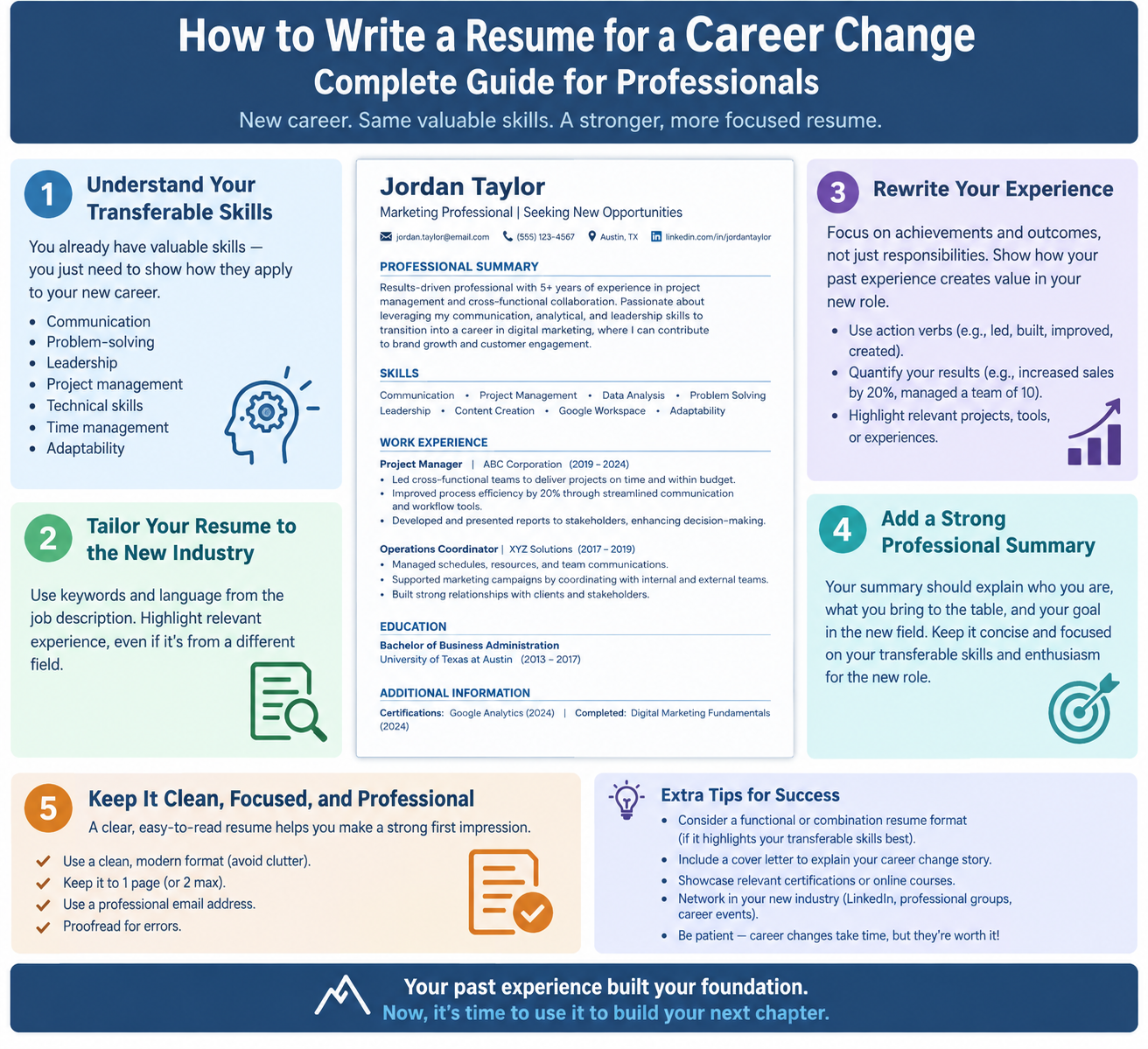
Resume Building for Career Switchers: A Comprehensive Guide Are you contemplating a career change? Whether you’re looking to explore new interests or seeking better opportunities, transitioning to a new field can be both exciting and daunting. A crucial step in this journey is to create an effective career change resume that highlights your transferable skills and makes a strong case for your candidacy. In this guide, we’ll discuss how to build a compelling resume for career transition that catches the eyes of recruiters and hiring managers. Understanding the Importance of a Tailored Resume When switching careers, your resume needs to reflect not just your past experiences but also your future potential. A well-crafted resume serves as your marketing tool, showcasing your unique value proposition to employers in a new industry. Here are a few reasons why a tailored resume is essential for career switchers: Key Components of a Career Change Resume 1. Start with a Strong Summary Statement Your resume should begin with a powerful summary statement that encapsulates your career aspirations and key qualifications. This section should be concise, ideally 2-3 sentences, and should immediately grab the attention of the hiring manager. For example: 2. Focus on Transferable Skills Highlighting transferable skills is critical when writing a resume for career transition. Consider the skills you have developed in your previous roles that can be relevant to your new career path. These might include communication, problem-solving, project management, and leadership abilities. Use specific examples to illustrate how these skills have contributed to your previous successes. 3. Relevant Experience If you have experience in a related field, make sure to highlight it prominently. Even if your past jobs don't directly align with your new career, focus on relevant projects or tasks that showcase your capabilities. Use bullet points to list achievements and responsibilities, quantifying them where possible. For instance: 4. Include Education and Certifications In a career change, your education can play a vital role in demonstrating your qualification for a new industry. If you have completed any relevant courses or certifications, be sure to list them. Consider including online courses, workshops, or seminars that align with your new career goals, especially if you’ve recently upgraded your skills. 5. Professional Development and Networking Showcase any networking efforts, professional memberships, or volunteer experiences that relate to your new career. This demonstrates your commitment to learning and growing within the new field. For example: Formatting Your Career Change Resume 1. Keep It Simple and Clean A clear and professional format is essential for your resume. Use standard fonts like Arial or Times New Roman, and keep the font size between 10-12 points. Use headings and bullet points to break up text and make it easy to read. 2. One Size Doesn’t Fit All Customize your resume for each job application. Use keywords from the job description to help your resume pass through Applicant Tracking Systems (ATS). Tailoring your content for specific roles can significantly increase your chances of being noticed. 3. Limit to One Page (If Possible) While you may have a wealth of experience, a one-page resume is often sufficient for most positions, especially if you’re switching to a new industry. Avoid lengthy descriptions and focus on the most relevant information. Common Mistakes to Avoid 1. Using a Generic Resume A one-size-fits-all approach can hurt your chances of landing an interview. Each position requires a unique resume that speaks to the specific skills and experiences relevant to that role. 2. Overloading with Irrelevant Information While you may have diverse experiences, focus on what is pertinent to your new career. Irrelevant details can detract from the strengths that matter most to the hiring manager. 3. Neglecting to Proofread Spelling and grammatical errors can undermine your professionalism. Always proofread your resume multiple times and consider asking a friend or mentor to review it. FAQs About Resume Building for Career Switchers 1. How do I explain my career change in my resume? In your summary statement, briefly mention your motivation for the career change. Highlight transferable skills and relevant experiences that align with the new industry. 2. Should I include all my previous work experience? Focus on the most relevant work experiences that demonstrate your skills for the new role. You can summarize older or unrelated positions to keep your resume concise. 3. How can I make my resume stand out? Use quantifiable achievements, tailor your resume for each application, and incorporate industry-specific keywords to enhance your visibility to recruiters. 4. Is it necessary to include a cover letter when applying for a career change? Yes, a cover letter can complement your resume by providing more context about your career change and your passion for the new role. It’s an excellent opportunity to explain your motivations and showcase your personality. Conclusion: Take the Leap! Changing careers can be a transformative experience, and a well-crafted career change resume is your first step towards success. By focusing on your transferable skills, relevant experiences, and a tailored approach, you can create a resume that stands out to employers in your desired field. Remember, every career transition is unique, and with the right strategy, you can position yourself as the ideal candidate for your new journey. Ready to build your career change resume? Contact us today for professional resume writing services tailored to your career transition needs!

Pravin sahani
Jun 12, 2026
How to Explain Career Gaps on Your Resume

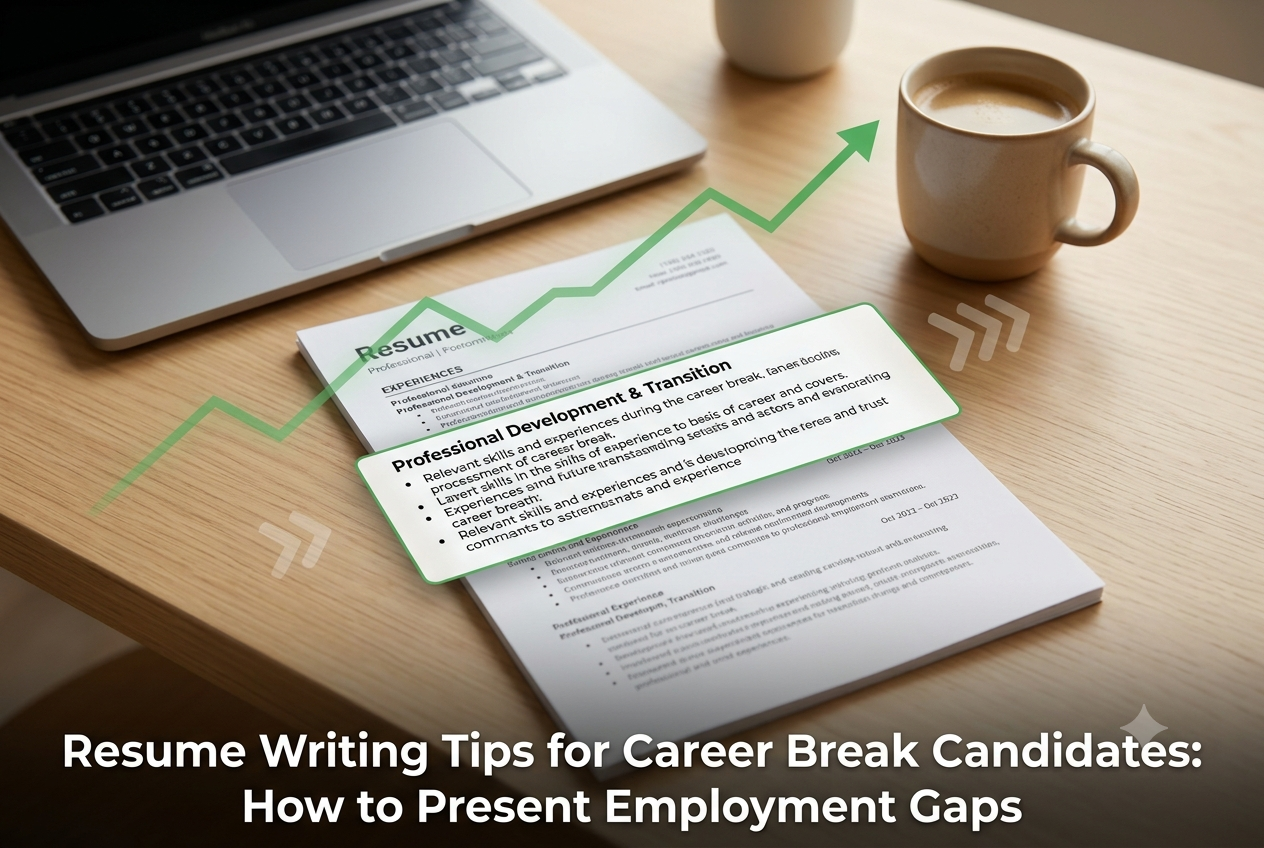
How to Explain Career Gaps on Your Resume In today's fast-paced job market, having a career gap on your resume is more common than you might think. Many professionals in India face periods of unemployment for various reasons, whether it’s due to personal circumstances, further studies, or the challenging job market. However, addressing these gaps effectively can make a significant difference in your job search. In this blog, we will explore how to explain career gaps on your resume and make them work in your favor. Understanding the Importance of Addressing Career Gaps Employers are increasingly recognizing that career gaps are not always a red flag. In fact, they often appreciate transparency and the ability to communicate effectively about one's experiences. But why is it vital to address employment gaps? Common Reasons for Career Gaps Understanding the reasons behind your career gap is essential in framing your narrative. Here are some common reasons: How to Explain Career Gaps on Your Resume 1. Be Honest and Direct When explaining your career gap, honesty is key. A straightforward explanation is often better than trying to hide the gap. You might say something like, "I took a year off to care for a family member," or "I was pursuing further education during this time." This clarity can prevent potential employers from making assumptions. 2. Highlight What You Did During the Gap Use the time during your career gap to showcase your development. Did you take any courses? Volunteer? Freelance? This can illustrate your commitment to personal growth and skill enhancement. For example, “During my gap, I completed a certification in Digital Marketing, which has equipped me with the skills to contribute effectively in my next role.” 3. Keep It Brief While it’s important to address your career gap, you don’t need to dwell on it. A brief mention in your cover letter or a few lines in your resume should suffice. Keep the focus on your qualifications and readiness to re-enter the workforce. 4. Use a Functional Resume Format If you have multiple gaps or a long gap, consider using a functional resume format. This focuses on your skills and accomplishments rather than your chronological work history. This format can help downplay employment gaps while still showcasing your qualifications effectively. 5. Prepare for the Interview Be ready to discuss your career gap in more detail during interviews. Practice your explanation to ensure you communicate confidently and clearly. Employers may want to know how you stayed engaged in your field or what you learned during your gap. Addressing the Employment Gap in Your Cover Letter Your cover letter is an excellent opportunity to explain your career gap in more detail. Here’s how to address it effectively: FAQs about Career Gaps on Resumes 1. Should I mention my career gap on my resume? Yes, it’s better to mention your career gap rather than leave it unexplained. Being upfront can build trust with potential employers. 2. How long is considered a significant career gap? Generally, any gap longer than a few months should be addressed. However, in today’s job market, even shorter gaps can be significant depending on your industry. 3. Will employers hold career gaps against me? While some employers may have concerns about career gaps, many are also understanding of personal circumstances. A well-explained gap can mitigate concerns. 4. What if my gap was due to unemployment? Highlight any proactive steps you took during your unemployment, such as skill development, volunteering, or freelance work. 5. Can I use my cover letter to explain my career gap? Absolutely! Your cover letter is an ideal place to provide context about your career gap and emphasize your strengths. Final Thoughts Explaining a career gap on your resume doesn’t have to be a daunting task. With honesty, clarity, and a focus on your skills and experiences, you can turn what seems like a disadvantage into a strong point in your favor. Remember, everyone’s career path is unique, and the ability to articulate your journey can set you apart in the competitive job market. If you’re looking for assistance in crafting your resume or preparing for interviews, don’t hesitate to reach out! Our team of experts is here to help you present your best self to potential employers. Call to Action Ready to tackle your career gap with confidence? Contact us today for personalized resume writing services and interview coaching that will help you land your dream job!

Pravin sahani
Jun 12, 2026
Top Resume Keywords Recruiters Search for in 2026

Top Resume Keywords Recruiters Search for in 2026 In the rapidly evolving job market of 2026, having a well-crafted resume is more crucial than ever. One of the key components that can make or break your chances of getting noticed by recruiters is the use of the right resume keywords. These keywords not only help capture the attention of hiring managers but also ensure that your resume gets past Applicant Tracking Systems (ATS). In this blog, we will explore the most sought-after ATS keywords that can enhance your resume's visibility and effectiveness in the Indian job market. Understanding the Importance of Resume Keywords Resume keywords are specific terms and phrases that relate to the skills, qualifications, and experiences relevant to the job you are applying for. In 2026, the competitive landscape necessitates the strategic use of these keywords for several reasons: Key Resume Keywords for 2026 Below are some of the top resume keywords that are trending in 2026 across various sectors in India: 1. Technical Skills For tech roles, specific technical skills are paramount. Here are some keywords to consider: 2. Soft Skills Soft skills are equally important and increasingly valued by employers. Include these keywords in your resume: 3. Certifications and Qualifications Certifications can significantly boost your resume's credibility. Use these keywords if applicable: 4. Industry-Specific Keywords Different industries have unique jargon and requirements. Here are some keywords tailored for specific sectors: 5. Action Verbs Using strong action verbs can make your accomplishments stand out. Consider these: How to Identify the Right Keywords for Your Resume Now that you know which keywords are essential, how can you identify the right ones for your specific resume? Here are some tips: Common Mistakes to Avoid with Resume Keywords While it's essential to include ATS keywords in your resume, there are also mistakes you should avoid: FAQs What are resume keywords? Resume keywords are specific terms that describe your skills, qualifications, and experiences relevant to a job. They help your resume stand out to recruiters and ATS. How do I find the right keywords for my resume? Analyze job descriptions, conduct industry research, and network with professionals in your field to find the most relevant keywords. Should I use the same keywords for every job application? No, tailor your keywords to match the specific job description for each application to improve your chances of passing ATS filters. Can I use keywords from different industries in my resume? It's best to stick to industry-specific keywords relevant to the job you are applying for. Mixing keywords from different industries may confuse recruiters. Conclusion In the competitive job market of 2026, the strategic use of resume keywords can be your ticket to getting noticed by recruiters and landing interviews. By incorporating the right ATS keywords, you not only increase your chances of passing through automated systems but also present your skills and experiences in the best light. Take the time to research, tailor, and refine your resume to align with the job descriptions you are targeting. Remember, your resume is often your first impression—make it count! Call to Action If you're looking for professional help in crafting a results-driven resume that incorporates the latest resume keywords, consider reaching out to our team of experts. We can guide you in creating a resume that not only meets ATS requirements but also makes a strong impact on recruiters. Contact us today!

Pravin sahani
Jun 12, 2026
How to Write a Powerful LinkedIn Headline That Attracts Recruiters

How to Write a Powerful LinkedIn Headline That Attracts Recruiters In today's competitive job market, having a standout LinkedIn profile is crucial. Your LinkedIn headline is one of the first things recruiters see, and it plays a significant role in determining whether they will click on your profile or not. This blog will guide you on how to craft an impactful LinkedIn headline that attracts recruiters, using various LinkedIn headline examples for inspiration. What is a LinkedIn Headline? Your LinkedIn headline is a 220-character text field that appears directly under your name on your profile. It summarizes your professional identity and serves as a first impression to recruiters and potential connections. A well-written headline can set you apart from the competition and entice recruiters to learn more about you. Why is a Strong LinkedIn Headline Important? LinkedIn is a powerful platform for professional networking and job searching. A compelling headline can: Key Elements of an Effective LinkedIn Headline Creating a powerful LinkedIn headline requires careful consideration of several elements: 1. Use Keywords Incorporating relevant keywords into your headline is essential for visibility. Think about the terms recruiters might use to find candidates in your field. For instance, if you're a digital marketer, consider keywords like "SEO Specialist," "Content Strategist," or "Social Media Expert." This not only enhances your searchability but also conveys your expertise. 2. Highlight Your Value Proposition Your headline should reflect what you bring to the table. Instead of simply stating your job title, consider incorporating your unique skills or achievements. For example, “Data-Driven Digital Marketing Specialist Helping Brands Grow” sounds more compelling than just “Digital Marketing Specialist.” 3. Keep it Professional Yet Personable While maintaining professionalism is key, injecting a bit of personality can make your headline more relatable. Using a conversational tone can help engage recruiters on a personal level. For example, “Passionate Software Developer | Creating Innovative Solutions” balances professionalism with personal touch. 4. Utilize Action Words Action words convey energy and enthusiasm. Phrases like “Driving Growth,” “Transforming Ideas into Reality,” or “Empowering Teams” can make your profile more dynamic and appealing. Examples of Powerful LinkedIn Headlines To give you a clearer picture, here are some LinkedIn headline examples tailored for various professions: For Software Developers: “Innovative Full-Stack Developer | Crafting Scalable Solutions with JavaScript & Python” For Digital Marketers: “Results-Driven Digital Marketing Strategist | Boosting Brand Visibility through SEO & Content Marketing” For Human Resource Professionals: “People-Centric HR Manager | Transforming Workplace Culture & Enhancing Employee Engagement” For Sales Professionals: “Dynamic Sales Expert | Driving Revenue Growth through Strategic Partnerships & Customer Relationships” Crafting Your LinkedIn Headline: A Step-by-Step Guide Now that you understand the key elements and have some examples, here’s a step-by-step approach to create your own headline: Step 1: Identify Your Target Audience Consider who you want to attract. Are you targeting recruiters, potential clients, or industry leaders? Understanding your audience will help shape your message. Step 2: List Your Key Skills and Achievements Write down your core skills, qualifications, and any notable achievements. This will serve as a foundation for your headline. Step 3: Choose Your Keywords Based on your industry and target audience, select 2-3 relevant keywords that encapsulate your expertise. Step 4: Draft Your Headline Combine your keywords, skills, and value proposition into a concise and engaging statement. Make sure it’s clear and easy to read. Step 5: Edit and Refine Review your headline for clarity and impact. Ensure it reflects your professional identity accurately and resonates with your target audience. Common Mistakes to Avoid While creating a LinkedIn headline, be mindful of these common pitfalls: FAQs About LinkedIn Headlines 1. How long can my LinkedIn headline be? Your LinkedIn headline can be up to 220 characters long, so make sure to use this space wisely! 2. Can I change my LinkedIn headline frequently? Yes, you can update your headline anytime. If you acquire new skills or change roles, reflect those changes in your headline. 3. Should I include my job title in my headline? Including your job title can be beneficial, but it’s also important to showcase your unique skills and value proposition. Conclusion Writing a powerful LinkedIn headline is an essential step in creating an engaging profile that attracts recruiters. By using relevant keywords, highlighting your unique value, and maintaining a professional yet personable tone, you can significantly improve your chances of standing out in a crowded job market. Remember to keep it concise, impactful, and reflective of your professional identity. Ready to transform your LinkedIn profile? Start by crafting a captivating headline today! If you need further assistance or feedback, feel free to reach out. Call to Action: For more tips and resources on enhancing your LinkedIn presence, subscribe to our newsletter or follow us on social media!

Pravin sahani
Jun 12, 2026
Resume Writing for Operations and Supply Chain Professionals

Resume Writing for Operations and Supply Chain Professionals In today's competitive job market, a well-crafted resume is essential for operations and supply chain professionals looking to make their mark. Whether you're an experienced Operations Manager or just starting out in supply chain management, your resume needs to highlight your skills, experience, and achievements effectively. This guide will help you create an impressive operations manager resume or supply chain resume tailored to the Indian job market. Understanding the Importance of a Strong Resume Your resume is often the first impression a potential employer has of you. It serves as a marketing tool that showcases your qualifications, skills, and accomplishments. For operations and supply chain professionals, it's crucial to communicate your ability to streamline processes, manage resources efficiently, and contribute to the overall success of the organization. Key Components of an Effective Operations Manager Resume 1. Contact Information Your resume should start with your name, phone number, email address, and LinkedIn profile. Make sure this information is accurate and easy to find. Consider adding your location, especially if you're applying for local positions. 2. Professional Summary This section should be a brief overview of your career, highlighting your expertise in operations management or supply chain logistics. Use keywords like "operations manager resume" and "supply chain resume" to optimize for search engines. For example: “Dynamic Operations Manager with over 10 years of experience in optimizing supply chain processes and enhancing operational efficiency. Proven track record in reducing costs and improving service delivery in a fast-paced environment.” 3. Core Competencies List your key skills relevant to operations and supply chain management. This could include: 4. Professional Experience Detail your work history in reverse chronological order. Each entry should include your job title, the company's name, location, and dates of employment. Use bullet points to describe your responsibilities and achievements, focusing on quantifiable results. For example: 5. Education List your educational qualifications, including your degree, major, university name, and graduation year. If you have any certifications relevant to operations and supply chain management, such as APICS or Six Sigma, include them here. 6. Additional Sections Consider adding sections for certifications, professional affiliations, or languages spoken. These can help set you apart from other candidates. Tailoring Your Resume for the Indian Job Market When applying for jobs in India, it’s important to understand the local job market and tailor your resume accordingly. Here are some tips: 1. Use Indian Terminology Incorporate terms and phrases commonly used in Indian industries. For instance, "vendor management" and "logistics optimization" resonate well in the Indian context. 2. Highlight Relevant Experience Focus on your experience in industries that are prominent in India, such as manufacturing, retail, and e-commerce. Mentioning your contributions to well-known companies can also boost your credibility. 3. Cultural Sensitivity Be mindful of cultural nuances in your language and presentation. Ensure your resume reflects professionalism while being approachable. Common Mistakes to Avoid 1. Generic Resumes One-size-fits-all resumes are less effective. Tailor your resume for each job application by aligning your skills and experiences with the specific requirements of the position. 2. Excessive Length Keep your resume concise. Ideally, it should be one page for less experienced candidates and two pages for those with more extensive experience. Avoid unnecessary details that do not add value. 3. Spelling and Grammar Errors Proofread your resume multiple times. Spelling and grammatical errors can give a poor impression to potential employers. Frequently Asked Questions (FAQs) 1. How long should my operations manager resume be? Your resume should ideally be one page if you have less than 10 years of experience. For those with more extensive backgrounds, two pages are acceptable. 2. Should I include my photo in my supply chain resume? In India, including a professional photograph is common, but it's not mandatory. If you choose to include one, ensure it is high-quality and professional. 3. How often should I update my resume? Update your resume regularly, especially after completing significant projects or gaining new skills. This practice will ensure you’re always ready for new opportunities. 4. Is it necessary to include references on my resume? It is not necessary to include references directly on your resume. You can simply mention that references are available upon request. Conclusion Crafting an effective operations manager resume or supply chain resume requires careful thought and attention to detail. By focusing on your skills, experience, and achievements, and tailoring your resume for the Indian job market, you can significantly increase your chances of landing your dream job. Remember to proofread your resume and ensure it reflects your professional persona accurately. Call to Action Are you ready to take your career to the next level? Start crafting your operations manager resume or supply chain resume today! If you need professional assistance, feel free to reach out to our expert resume writing services. Let us help you stand out in the competitive job market!