About iQS

Empowering learners and educators with a comprehensive platform that bridges the gap between traditional and modern education. iQS inspires excellence in education and fosters growth for a brighter future.

Follow Us

Home Blogs
Pravin sahani
Jun 13, 2026
Lean Six Sigma Project Ideas for Manufacturing Companies

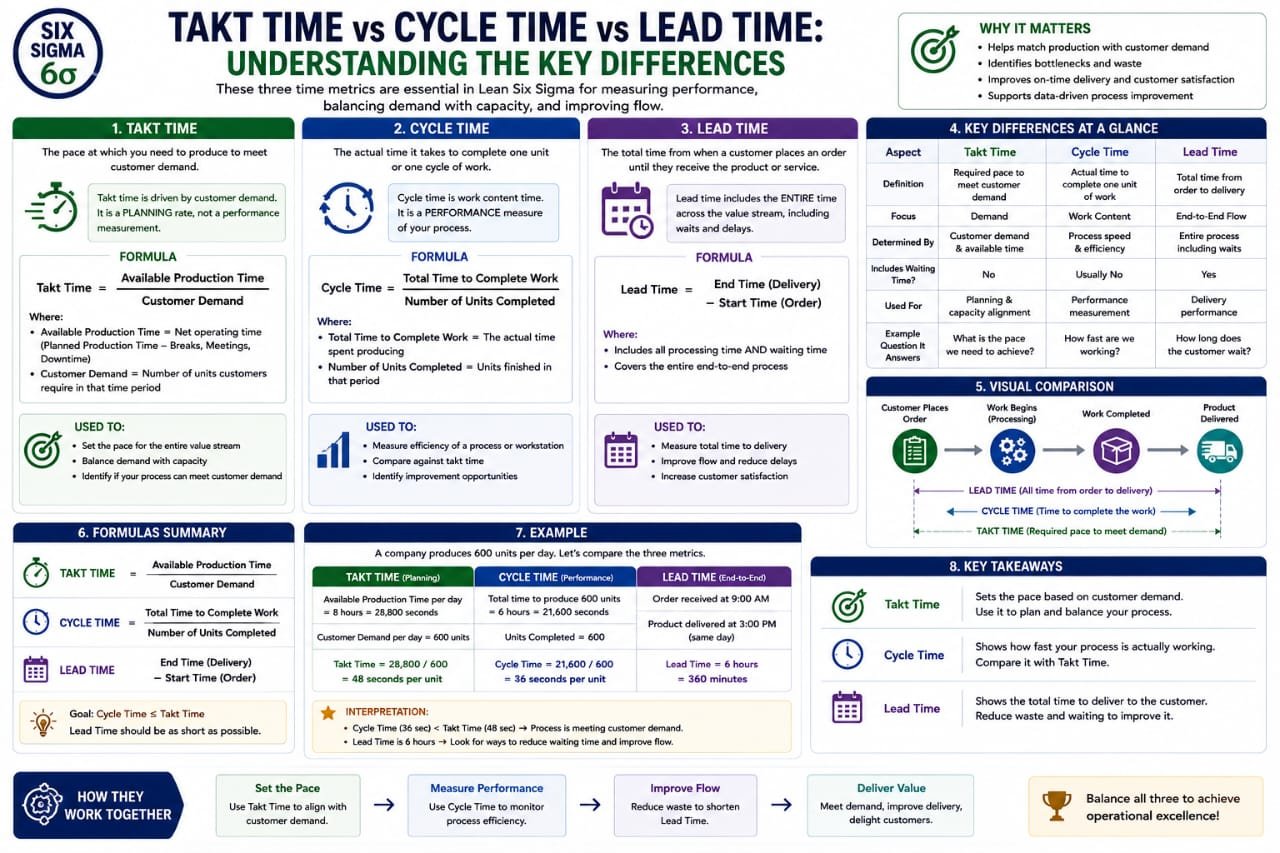
In the fast-paced world of manufacturing, efficiency is paramount. Companies are constantly seeking innovative ways to enhance their processes, reduce waste, and improve quality. This is where Lean Six Sigma comes into play. Combining the principles of Lean manufacturing and Six Sigma, this methodology offers a structured approach to problem-solving and process improvement. In this blog, we will explore various lean six sigma project ideas specifically tailored for manufacturing companies in India. Understanding Lean Six Sigma Before diving into specific project ideas, it is essential to understand what Lean Six Sigma is. Lean focuses on eliminating waste and improving flow in processes, while Six Sigma emphasizes reducing variation and defects. Together, they provide a comprehensive framework for improving manufacturing processes, enhancing product quality, and increasing customer satisfaction. Why Implement Lean Six Sigma in Manufacturing? Implementing Lean Six Sigma can transform manufacturing operations. Here are a few reasons why Indian manufacturing companies should consider this methodology: Lean Six Sigma Project Ideas for Manufacturing Companies 1. Value Stream Mapping Value Stream Mapping (VSM) is a powerful tool used in Lean Six Sigma to visualize the flow of materials and information. A project could focus on mapping the current state of a specific production process to identify waste and opportunities for improvement. By analyzing the VSM, teams can implement changes that lead to a more streamlined process. 2. Reducing Cycle Time Cycle time is critical in manufacturing. A project aimed at reducing cycle time can have a significant impact on productivity. This could involve analyzing each step of the production process to identify bottlenecks and implementing solutions such as workstation reconfiguration, automation, or process simplification. 3. Inventory Management Improvement Effective inventory management is crucial for manufacturing efficiency. A Lean Six Sigma project could focus on reducing excess inventory, improving order accuracy, and optimizing stock levels. Techniques such as Just-In-Time (JIT) inventory systems can be explored to minimize waste and reduce holding costs. 4. Quality Control Enhancements Quality defects can lead to significant costs for manufacturing companies. A project focusing on quality control can involve implementing Six Sigma techniques to identify root causes of defects and develop corrective actions. Statistical process control (SPC) tools can also be employed to monitor processes and maintain quality standards. 5. Workplace Organization (5S Implementation) 5S is a Lean methodology aimed at organizing and managing the workspace efficiently. A project could involve training employees to implement 5S principles—Sort, Set in order, Shine, Standardize, and Sustain. This not only improves workplace safety and cleanliness but also enhances productivity. 6. Supplier Quality Improvement The quality of raw materials significantly affects the final product. A Lean Six Sigma project could focus on improving supplier relationships and quality. By working closely with suppliers, manufacturers can develop quality improvement initiatives, conduct joint problem-solving sessions, and implement quality audits. 7. Equipment Downtime Reduction Unplanned equipment downtime can be a significant source of waste in manufacturing. A project aimed at reducing downtime can involve analyzing maintenance practices, identifying common failure points, and implementing preventive maintenance schedules. This approach ensures that equipment operates efficiently and reduces production delays. 8. Process Automation Automation can vastly improve efficiency in manufacturing. A Lean Six Sigma project could explore areas where automation can be implemented without compromising quality. This may involve assessing current manual processes and determining the best technologies to integrate, such as robotics or automated conveyance systems. 9. Employee Training and Engagement Employees play a vital role in the success of Lean Six Sigma initiatives. A project focused on training and engaging employees can empower them to identify problems and suggest improvements. Workshops and training sessions can be organized to instill a culture of continuous improvement within the workforce. 10. Waste Reduction Initiatives Waste in manufacturing can take many forms, including overproduction, waiting time, transportation, and excess processing. A Lean Six Sigma project could focus on identifying and reducing these wastes through various techniques such as Kaizen events or root cause analysis. Challenges in Implementing Lean Six Sigma While Lean Six Sigma offers numerous benefits, implementation can be challenging. Common obstacles faced by manufacturing companies include: FAQs What are Lean Six Sigma project ideas specific to manufacturing? Lean Six Sigma project ideas for manufacturing include value stream mapping, reducing cycle time, improving inventory management, enhancing quality control, and implementing workplace organization (5S). How can Lean Six Sigma improve manufacturing processes? Lean Six Sigma improves manufacturing processes by eliminating waste, reducing defects, enhancing quality, and fostering a culture of continuous improvement, ultimately leading to increased efficiency and customer satisfaction. What challenges might I face when implementing Lean Six Sigma? Challenges include resistance to change among employees, lack of proper training, and insufficient support from leadership. Addressing these issues is crucial for successful implementation. Conclusion Implementing Lean Six Sigma in manufacturing companies can lead to significant improvements in efficiency, quality, and overall performance. The project ideas outlined in this blog serve as a starting point for organizations looking to embark on their Lean Six Sigma journey. By focusing on continuous improvement and fostering a culture of collaboration, manufacturers can thrive in a competitive landscape. If you are looking to implement Lean Six Sigma in your manufacturing processes, do not hesitate to reach out. Let's work together to identify the best project ideas tailored to your specific needs and drive your business towards success! Call to Action Ready to take the next step in improving your manufacturing processes? Contact us today to discuss how we can help you implement Lean Six Sigma strategies effectively. Together, we can unlock your company’s full potential!

Pravin sahani
Jun 13, 2026
Campus Recruitment Strategy: How Companies Hire Fresh Talent

In today’s competitive job market, campus recruitment has become a crucial strategy for companies looking to hire fresh talent. With an ever-evolving workforce, organizations are increasingly turning to universities and colleges to find skilled graduates who can contribute to their growth. This blog delves into effective campus recruitment strategies, particularly in the Indian context, and offers insights into how companies can streamline their graduate hiring processes. Understanding Campus Recruitment Campus recruitment is the process through which companies visit educational institutions to interview and hire students before they graduate. This strategy not only helps organizations tap into a pool of fresh talent but also allows students to secure jobs before they complete their degrees. In India, where the job market is highly competitive, campus recruitment is particularly significant, offering mutual benefits for both employers and graduates. The Importance of Campus Recruitment Here are some reasons why companies prioritize campus recruitment: Effective Campus Recruitment Strategies 1. Collaborate with Educational Institutions Building strong partnerships with universities and colleges is key to successful campus recruitment. Companies can collaborate on research projects, guest lectures, and workshops, creating a positive brand presence among students. This engagement fosters trust and makes students more inclined to consider the company for employment. 2. Leverage Technology In the digital age, leveraging technology is essential. Companies can use recruitment platforms and social media to reach out to potential candidates. Virtual job fairs, webinars, and online assessments can also streamline the hiring process, making it more efficient and accessible. 3. Create a Strong Employer Brand Having a compelling employer brand is crucial in attracting top talent. Companies should showcase their work culture, values, and employee testimonials through various channels, including social media, company websites, and college engagement events. Highlighting unique benefits, career growth opportunities, and a positive work environment can significantly enhance a company's appeal. 4. Focus on Skill Development Students often lack the practical skills required in the workplace. Companies can bridge this gap by conducting skill development workshops and internships. This not only helps students become job-ready but also allows companies to assess potential hires in real-world scenarios. 5. Streamlined Selection Process A well-structured selection process is vital for effective campus recruitment. Companies should define clear criteria for assessment, including aptitude tests, technical interviews, and group discussions. A transparent and efficient selection process ensures a positive experience for candidates, which can enhance the company’s reputation in educational institutions. Challenges in Campus Recruitment Despite its advantages, campus recruitment comes with its own set of challenges: Best Practices for Successful Campus Recruitment 1. Engage Alumni Alumni can play a pivotal role in campus recruitment. Former employees who have graduated from specific institutions can act as brand ambassadors, sharing their positive experiences and encouraging current students to consider opportunities within the company. 2. Personalize the Experience Tailoring the recruitment experience to individual candidates can significantly impact their perception of the company. Personalized emails, follow-up calls, and feedback can go a long way in creating a positive candidate experience. 3. Continuous Improvement Companies should regularly collect feedback from candidates and educational institutions to refine their campus recruitment strategies. This iterative approach helps in identifying areas of improvement and adapting to changing market dynamics. FAQs About Campus Recruitment 1. What is campus recruitment? Campus recruitment is a hiring process where companies visit educational institutions to interview and hire students before they graduate. 2. Why is campus recruitment important for companies? It helps companies access fresh talent, reduce hiring costs, build their employer brand, and create a long-term talent pipeline. 3. What are the challenges faced in campus recruitment? Challenges include high competition, misalignment of skills, and logistical issues in coordinating recruitment activities. 4. How can companies improve their campus recruitment strategy? Companies can improve by collaborating with educational institutions, leveraging technology, focusing on skill development, and personalizing the recruitment experience. Conclusion In conclusion, a well-rounded campus recruitment strategy is essential for companies seeking to hire fresh talent in today's competitive landscape. By collaborating with educational institutions, leveraging technology, and focusing on skill development, organizations can streamline their graduate hiring processes. Embracing best practices and continuously improving strategies will not only enhance the recruitment experience but also build a strong employer brand that attracts top talent. Call to Action If you're looking to enhance your campus recruitment strategy and attract the best graduates, contact us today! Our team of experts can help you navigate the complexities of graduate hiring and build a sustainable talent pipeline for your organization.

Pravin sahani
Jun 13, 2026
The Role of Psychometric Assessments in Recruitment

In today’s competitive job market, organizations are constantly seeking innovative ways to enhance their recruitment processes. One such method gaining traction in India is the use of psychometric assessments for hiring. These assessments provide valuable insights into a candidate's personality, cognitive abilities, and behavior, helping employers make informed decisions. In this blog, we will explore what psychometric assessments are, their advantages, and how they play a vital role in recruitment. Understanding Psychometric Assessments Psychometric assessments are standardized tools designed to measure various psychological attributes such as personality traits, intelligence, aptitude, and skills. These assessments can be divided into two main categories: personality tests and ability tests. Personality tests assess how candidates behave in different situations, while ability tests evaluate cognitive capabilities and problem-solving skills. Why Use Psychometric Assessments in Recruitment? As organizations shift towards data-driven recruitment methodologies, psychometric assessment hiring has emerged as a reliable strategy. Here are some key reasons why these assessments are essential in the recruitment process: 1. Enhances Objectivity Traditional recruitment methods often rely on subjective evaluations, which can lead to biases and inconsistencies. Psychometric assessments provide a standardized method of evaluation, ensuring that all candidates are assessed based on the same criteria. This objectivity helps to eliminate personal biases and supports fair hiring practices. 2. Predicts Job Performance One of the primary benefits of psychometric assessments is their ability to predict job performance. By assessing a candidate's cognitive abilities and personality traits, employers can identify individuals who are likely to excel in specific roles. For instance, a candidate with strong analytical skills may be more suited for a data-driven position, while someone with excellent interpersonal skills may thrive in a customer-facing role. 3. Reduces Turnover Rates Employee turnover can be costly for organizations, both in terms of time and money. By using psychometric assessments during the hiring process, employers can select candidates who are a better fit for the company culture and job requirements. This alignment increases job satisfaction and engagement, ultimately reducing turnover rates. 4. Saves Time and Resources Recruiting can be a time-consuming process, especially when sifting through numerous applications and conducting multiple interviews. Incorporating psychometric assessments into the hiring process can streamline recruitment by quickly identifying the most suitable candidates. This efficiency allows HR teams to focus on high-potential candidates, saving time and resources. Types of Psychometric Assessments There are various types of psychometric assessments that organizations can utilize in their recruitment processes. Here are a few commonly used types: 1. Personality Tests These tests evaluate traits such as extroversion, emotional stability, openness to experience, agreeableness, and conscientiousness. Popular personality assessment tools include the Myers-Briggs Type Indicator (MBTI) and the Big Five Personality Test. 2. Cognitive Ability Tests Cognitive assessments measure a candidate's problem-solving skills, critical thinking abilities, and overall intelligence. These tests often include numerical reasoning, verbal reasoning, and abstract reasoning components. 3. Situational Judgment Tests (SJTs) SJTs present candidates with hypothetical scenarios related to the job role and ask them to choose the most appropriate responses. These tests assess decision-making skills and the ability to handle real-life work situations. Implementing Psychometric Assessments in Your Recruitment Process To effectively integrate psychometric assessments into your recruitment strategy, consider the following steps: 1. Define Job Requirements Clearly outline the skills, abilities, and personality traits required for the position. This will help you select the most relevant psychometric assessments for your hiring needs. 2. Choose the Right Assessment Tools Select psychometric assessments that are validated and reliable. It's essential to choose tools that have been tested for their effectiveness in predicting job performance in your specific industry. 3. Train Your Recruitment Team Ensure that your recruitment team is trained in interpreting psychometric assessment results. Understanding how to analyze and apply these insights is crucial for making informed hiring decisions. 4. Communicate with Candidates Be transparent with candidates about the assessment process. Let them know how the assessments will be used and reassure them that it is just one part of the overall evaluation. Challenges of Psychometric Assessments While psychometric assessments offer numerous benefits, there are challenges to consider: 1. Misinterpretation of Results Without proper training, hiring managers may misinterpret assessment results, leading to poor hiring decisions. It’s essential to ensure that evaluations are only made based on comprehensive analysis. 2. Candidate Anxiety Some candidates may feel anxious about taking psychometric tests, fearing that their results may negatively impact their chances of being hired. It’s important to create a supportive environment and emphasize that these assessments are just one part of the selection process. 3. Cultural Considerations Psychometric assessments should be culturally relevant and appropriate for the Indian context. It’s vital to choose assessments that account for cultural differences and language barriers to ensure fair evaluations. FAQs About Psychometric Assessments in Recruitment 1. What is a psychometric assessment? A psychometric assessment is a standardized test designed to measure various psychological attributes such as personality traits, cognitive abilities, and skills to evaluate a candidate's suitability for a specific role. 2. How do psychometric assessments benefit employers? These assessments enhance objectivity, predict job performance, reduce turnover rates, and save time and resources during the recruitment process. 3. Are psychometric assessments reliable? Yes, when conducted using validated tools, psychometric assessments can provide reliable insights into a candidate's abilities and fit for a role. 4. Can psychometric assessments be used for all job roles? While they can be beneficial for most positions, it’s essential to choose assessments that are relevant to the specific job requirements and industry. 5. How should organizations implement psychometric assessments? Organizations should define job requirements, choose appropriate assessment tools, train their recruitment teams, and communicate effectively with candidates about the process. Conclusion Incorporating psychometric assessments into your recruitment strategy can significantly enhance your hiring process. These assessments provide valuable insights that go beyond resumes and interviews, enabling organizations to select candidates who are not only qualified but also align with their culture and values. As the Indian job market continues to evolve, embracing innovative recruitment methods such as psychometric assessment hiring will be essential for organizations looking to thrive in a competitive landscape. If you’re ready to transform your recruitment process and leverage the power of psychometric assessments, contact us today to learn more about our tailored solutions!

Pravin sahani
Jun 13, 2026
How to Conduct Structured Interviews for Better Hiring Decisions

In today’s competitive job market, making the right hiring decisions has never been more critical. One of the most effective methods to enhance your interview process is through structured interviews. This approach not only streamlines the hiring process but also increases the chances of finding the right candidate for the job. In this blog, we will explore how to conduct structured interviews effectively and why they are beneficial for your organization. What Are Structured Interviews? Structured interviews are a systematic approach to interviewing candidates. Unlike unstructured interviews, which can be spontaneous and subjective, structured interviews follow a specific set of predetermined questions and evaluation criteria. This method ensures that all candidates are assessed on the same basis, reducing bias and improving the overall quality of hiring decisions. Benefits of Structured Interviews 1. Enhanced Consistency One of the primary advantages of structured interviews is that they provide consistency in the interview process. Each candidate is asked the same questions in the same order, allowing for fair comparisons. This consistency helps eliminate the variations that can arise from unstructured interviews, where the interviewer’s mood or personal biases may influence the questions asked. 2. Improved Predictive Validity Research shows that structured interviews have higher predictive validity compared to unstructured ones. This means that they are more effective at predicting a candidate’s future job performance. By focusing on job-related competencies and skills, structured interviews help identify candidates who are most likely to succeed in the role. 3. Reduced Bias Structured interviews minimize biases that can affect hiring decisions. By adhering to a standardized set of questions and evaluation criteria, interviewers are less likely to be influenced by irrelevant factors such as a candidate’s appearance or personal background. This leads to a more equitable hiring process, which is particularly important in a diverse country like India. How to Conduct Structured Interviews Step 1: Define Job Requirements Before conducting a structured interview, it’s crucial to define the job requirements clearly. Identify the skills, competencies, and qualifications needed for the role. Collaborate with team members and stakeholders to create a comprehensive job description. This step sets the foundation for your structured interview process. Step 2: Develop Interview Questions Once the job requirements are established, the next step is to develop a set of standardized interview questions. These questions should be directly related to the competencies and skills identified earlier. Aim for a mix of behavioral questions (e.g., “Can you describe a time when you faced a challenge at work?”) and situational questions (e.g., “What would you do if you had a tight deadline?”). This diversity helps assess candidates from different angles. Step 3: Create an Evaluation Rubric An evaluation rubric is essential for assessing candidates consistently. Create a scoring system that allows interviewers to rate candidates on a scale (e.g., 1 to 5) based on their responses. Establish clear criteria for each score, ensuring that all interviewers understand how to evaluate answers. This rubric will serve as a guide during the interview and help in comparing candidates objectively. Step 4: Train Interviewers Training is a critical component of the structured interview process. Ensure that all interviewers are familiar with the structured interview format, the evaluation rubric, and the importance of avoiding biases. Conduct mock interviews to give interviewers a chance to practice and receive feedback. This training will help maintain consistency and fairness during actual interviews. Step 5: Conduct the Interview On the day of the interview, ensure that the environment is conducive to a productive discussion. Start with a brief introduction, explaining the purpose of the interview and the structure it will follow. Ask the predetermined questions, allowing candidates to elaborate on their answers where necessary. Remember to take notes during the interview to capture key points for later evaluation. Step 6: Evaluate Candidates After all interviews are conducted, it’s time to evaluate candidates using the established rubric. Gather feedback from all interviewers and compare scores. Discuss any discrepancies in evaluations to ensure a well-rounded decision-making process. The structured interview process should make it easier to identify top candidates based on their performance. Common Challenges in Structured Interviews 1. Rigidness One potential challenge of structured interviews is the perception of rigidity. While it’s essential to follow a structured format, interviewers should still allow for some flexibility. Candidates may provide unexpected insights that can be valuable. Strike a balance between sticking to the script and being open to spontaneous conversation. 2. Time-Consuming Structured interviews can be time-consuming, especially when developing questions and evaluation rubrics. However, the upfront investment in time pays off in the long run by leading to better hiring decisions. Consider this a necessary step in strengthening your hiring process. Conclusion In conclusion, conducting structured interviews is a powerful strategy for improving your hiring decisions. By following a systematic approach, you can enhance consistency, reduce bias, and increase the likelihood of selecting the right candidates for your organization. As the job market in India continues to evolve, adapting your interview process to include structured interviews can give you a competitive edge in attracting top talent. FAQs 1. What is the difference between structured and unstructured interviews? Structured interviews follow a predetermined set of questions and evaluation criteria, ensuring consistency and reducing bias. Unstructured interviews are more spontaneous and can vary significantly between candidates, making them less reliable for comparison. 2. How long should a structured interview last? A structured interview typically lasts between 30 minutes to an hour, depending on the number of questions and the depth of responses required. Ensure that the time is sufficient to cover all essential areas without feeling rushed. 3. Can structured interviews be adapted for different roles? Yes, structured interviews can be tailored to fit various roles within an organization. Adjust your questions and evaluation criteria based on the specific skills and competencies required for each position. 4. How do I ensure my structured interview process is unbiased? Training interviewers, using standardized questions, and implementing a scoring rubric are effective ways to minimize bias in structured interviews. Regularly reviewing the process for potential biases can also help maintain fairness. Call to Action Ready to improve your hiring decisions with structured interviews? Start implementing these steps today to build a more effective interview process. If you need assistance or further guidance, feel free to reach out to us. Let’s work together to find the best talent for your organization!

Pravin sahani
Jun 13, 2026
Recruitment Challenges in Manufacturing and Engineering Industries

The manufacturing and engineering sectors are the backbone of India's economy, contributing significantly to its growth and employment. However, these industries face numerous recruitment challenges that can hinder their progress. In this blog, we will explore the recruitment challenges in manufacturing and engineering industries, focusing on manufacturing recruitment and engineering hiring in India. Understanding the Landscape of Manufacturing Recruitment The manufacturing sector in India is evolving rapidly, driven by technological advancements and increasing global competition. However, the recruitment process in this sector is fraught with challenges. Let's delve into some of the key issues faced by employers in manufacturing recruitment. 1. Skill Gap One of the most significant challenges in manufacturing recruitment is the skill gap. Despite the growing demand for skilled workers, there is a shortage of candidates with the necessary technical skills and qualifications. Many educational institutions are not aligned with industry requirements, which results in graduates who are ill-prepared for the job market. 2. High Attrition Rates The manufacturing industry often experiences high attrition rates, making it difficult to retain talent. Factors such as inadequate job satisfaction, limited career progression, and competitive offers from other companies contribute to this issue. Companies must focus on creating a positive work environment and offering growth opportunities to retain their workforce. 3. Geographic Disparities India's manufacturing hubs are concentrated in specific regions, leading to geographic disparities in talent availability. Companies located in remote areas often struggle to attract skilled candidates who are unwilling to relocate. This geographical challenge necessitates innovative recruitment strategies to tap into talent pools beyond local boundaries. Engineering Hiring: Unique Challenges Engineering hiring presents its own set of challenges that differ from those faced in manufacturing recruitment. The demand for engineers is high, yet the supply of qualified candidates is often lacking. Here are some of the unique challenges in engineering hiring: 1. Rapid Technological Advancements With the fast-paced evolution of technology, the engineering field is constantly changing. Employers often find it challenging to keep up with the latest skills and competencies required for various roles. This results in a mismatch between job requirements and candidates’ skill sets, making it difficult to find suitable hires. 2. Competitive Job Market The engineering job market is highly competitive, with numerous companies vying for the same talent. This competition drives up salary expectations and makes it challenging for companies to attract top talent without significantly increasing their budget. Employers need to find ways to stand out, such as offering unique benefits or fostering a strong company culture. 3. Limited Awareness of Career Opportunities Many engineering graduates are unaware of the diverse career opportunities available in the industry. This lack of awareness can lead to underemployment and a failure to fill critical roles within organizations. Companies must engage in outreach initiatives, such as campus recruitment drives and industry seminars, to educate potential candidates about available positions and career paths. Strategies for Overcoming Recruitment Challenges Addressing the recruitment challenges in manufacturing and engineering industries requires a multi-faceted approach. Here are some effective strategies that companies can implement: 1. Collaborate with Educational Institutions Building partnerships with universities and technical institutes can help bridge the skill gap. Companies can participate in curriculum development, offer internships, and provide guest lectures to ensure that students gain practical skills that align with industry needs. 2. Enhance Employer Branding A strong employer brand can make a significant difference in attracting top talent. Companies should focus on showcasing their work culture, values, and employee success stories through social media, career fairs, and company websites. This will help them stand out in a competitive job market. 3. Implement Employee Referral Programs Encouraging current employees to refer candidates can be an effective recruitment strategy. Employees often have networks of skilled professionals and can help identify suitable candidates. Offering incentives for successful referrals can further motivate staff to participate in the recruitment process. 4. Invest in Training and Development To address the skill gap, companies should invest in training and development programs for their employees. Upskilling current staff can help fill critical roles and reduce turnover rates. Additionally, promoting a culture of continuous learning can attract candidates looking for growth opportunities. FAQs about Recruitment in Manufacturing and Engineering Q1: What are the key skills required for manufacturing jobs? A1: Key skills for manufacturing jobs include technical skills, problem-solving abilities, attention to detail, and knowledge of safety regulations. Familiarity with automation and lean manufacturing principles is also beneficial. Q2: How can companies improve their engineering hiring process? A2: Companies can improve their engineering hiring process by streamlining application procedures, utilizing technology for candidate screening, and providing clear job descriptions that outline expectations and required qualifications. Q3: What role does employer branding play in recruitment? A3: Employer branding plays a crucial role in recruitment by shaping public perception of a company. A strong brand can attract top talent, reduce hiring costs, and enhance employee retention. Q4: How important is diversity in manufacturing and engineering recruitment? A4: Diversity is essential in recruitment as it fosters innovation, improves problem-solving, and enhances company culture. A diverse workforce also reflects the varied customer base, which can lead to better business outcomes. Conclusion: Navigating the Future of Recruitment The recruitment challenges in the manufacturing and engineering industries are significant, but they are not insurmountable. By understanding the unique hurdles in manufacturing recruitment and engineering hiring, companies can develop effective strategies to attract and retain top talent. As India continues to grow as a global manufacturing hub, addressing these challenges will be crucial to maintaining competitiveness and driving innovation. Call to Action If your organization is struggling with recruitment challenges in the manufacturing or engineering sectors, it’s time to take action. Contact us today to learn how our recruitment solutions can help you find the right talent and drive your business forward. Let’s work together to overcome these challenges and build a stronger workforce for the future!

Pravin sahani
Jun 13, 2026
Skill-Based Hiring vs Degree-Based Hiring

In the evolving job market of India, the debate between skill-based recruitment and degree-based hiring is gaining traction. As employers strive to find the right talent, it becomes crucial to understand the nuances of both approaches. This article delves into the pros and cons of each hiring method, helping Indian employers make informed decisions that align with their organizational goals. Understanding Skill-Based Recruitment Skill-based recruitment focuses on the abilities and competencies of candidates rather than their formal educational qualifications. This approach emphasizes practical knowledge and hands-on experience, which can be particularly beneficial in industries undergoing rapid technological changes. Benefits of Skill-Based Recruitment Challenges of Skill-Based Recruitment The Case for Degree-Based Hiring On the other hand, degree-based hiring is the traditional method where educational qualifications play a significant role in the recruitment process. Many employers still prefer candidates with formal degrees, believing that they signify a certain level of knowledge and commitment. Benefits of Degree-Based Hiring Challenges of Degree-Based Hiring Which Approach is Right for Your Organization? Choosing between skill-based recruitment and degree-based hiring is not a one-size-fits-all decision. Here are some factors to consider: 1. Industry Requirements In fields such as technology, design, and sales, practical skills often outweigh formal education. Conversely, sectors like healthcare and academia may prioritize degrees due to the necessity of specialized knowledge. 2. Company Culture Organizations with a culture of innovation and flexibility may benefit from skill-based hiring, whereas those valuing tradition and structure might lean towards degree-based recruitment. 3. Long-Term Goals Consider your company’s growth trajectory. If adaptability and quick skill acquisition are essential, investing in skill-based hiring might yield better results in the long term. Best Practices for Implementing Skill-Based Recruitment If you decide to shift towards competency hiring, consider these best practices: 1. Define Skills Clearly Outline the specific skills necessary for each role. This clarity helps in both crafting job descriptions and evaluating candidates accurately. 2. Use Assessments Implement skill assessments, practical tests, or real-life scenarios during the interview process to gauge candidates' competencies effectively. 3. Provide Training For candidates who show potential but lack certain skills, consider offering training programs. This investment not only enhances employee capabilities but also fosters loyalty. FAQs Q1: Is skill-based recruitment more effective than degree-based hiring? A1: It depends on the industry and specific roles. Skill-based recruitment can be more effective in fast-paced fields, while degree-based hiring may be essential in specialized professions. Q2: Can I combine both hiring methods? A2: Absolutely! Many organizations find success by combining both methods, evaluating candidates on their skills while also considering their educational backgrounds. Q3: How can I ensure a fair skill assessment process? A3: Utilize structured assessment tools, involve multiple reviewers, and ensure that evaluations are based on objective criteria to minimize bias. Conclusion The choice between skill-based recruitment and degree-based hiring is not merely a matter of preference; it is a strategic decision that can shape the future of your organization. With the right approach, Indian employers can build competent teams that drive innovation and success. Are you ready to transform your hiring process? Embrace a skill-based approach and unlock the potential of diverse talent. Contact us today for expert guidance on implementing effective recruitment strategies!

Pravin sahani
Jun 13, 2026
How to Build a Strong Employer Brand to Attract Better Talent

In today’s competitive job market, attracting top talent is more challenging than ever. Companies are not just competing on salary or benefits; they are also competing on their workplace culture and values. This is where employer branding comes into play. A strong employer brand can be the difference between attracting the best candidates and being overlooked. In this blog, we will explore how to build a strong employer brand to enhance talent attraction in India. Understanding Employer Branding Employer branding is the process of promoting your company as a great place to work. It encompasses your company's reputation, culture, and values as an employer. A well-defined employer brand helps you communicate the unique value your organization offers to employees, making it easier to attract the right talent. Why Employer Branding Matters Employer branding is crucial for several reasons: Steps to Build a Strong Employer Brand 1. Define Your Employer Value Proposition (EVP) Your Employer Value Proposition is the unique set of offerings, values, and benefits that you provide to your employees. To define your EVP: 2. Enhance Your Online Presence In the digital age, your online reputation significantly influences your employer brand. Here’s how to enhance it: 3. Foster a Positive Workplace Culture A positive workplace culture is at the heart of a strong employer brand. To foster this culture: 4. Engage with Your Employees Employee engagement is vital for a strong employer brand. Here are some strategies: 5. Showcase Your Brand Externally Once you’ve built a strong internal brand, it’s time to showcase it externally: Measuring the Effectiveness of Your Employer Branding Efforts To understand the impact of your employer branding initiatives, you need to measure their effectiveness: FAQs What are the key elements of a strong employer brand? The key elements include a clear Employer Value Proposition (EVP), positive workplace culture, employee engagement, and a strong online presence. How long does it take to build an employer brand? Building a strong employer brand is a long-term commitment that can take several months to years, depending on your organization's size and current reputation. Can small companies also benefit from employer branding? Absolutely! Small companies can leverage employer branding to stand out in the job market, attract top talent, and compete with larger organizations. How often should I evaluate my employer brand? It’s essential to continuously evaluate your employer brand through regular surveys, feedback sessions, and monitoring recruitment metrics to ensure it aligns with your organizational goals. Conclusion Building a strong employer brand is not just a trend; it's a necessity in today’s competitive job market. By focusing on your Employer Value Proposition, enhancing your online presence, fostering a positive workplace culture, and engaging with your employees, you can create a compelling employer brand that attracts top talent in India. Remember, your employees are your best brand ambassadors; invest in them, and they will help you attract the talent you need to succeed. Call to Action: Ready to enhance your employer brand and attract the best talent? Contact us today to learn how we can help you build a stellar employer branding strategy tailored for your organization!

Pravin sahani
Jun 13, 2026
The True Cost of a Bad Hire for Businesses

In today's competitive business landscape, hiring the right talent is crucial for success. However, many organizations underestimate the cost of a bad hire. Hiring mistakes can have far-reaching implications, affecting not only productivity but also the company’s culture and bottom line. In this blog, we will explore the various dimensions of hiring mistakes and the true cost they can impose on Indian businesses. Understanding the Cost of a Bad Hire The cost of bad hire extends beyond just the salary of the employee. It encapsulates a range of expenses and lost opportunities that can cripple a business if not addressed timely. According to various studies, the cost of hiring the wrong employee can be as high as 30% of their first-year earnings. Let’s delve deeper into the factors that contribute to this cost. 1. Recruitment Costs Recruitment itself is a significant investment. When a company makes a hiring mistake, it not only incurs the initial costs of advertising the position but also the expenses related to screening resumes, conducting interviews, and performing background checks. If the hire turns out to be unsuitable, all these resources are wasted. 2. Training and Onboarding Expenses Once a candidate is hired, businesses invest in training and onboarding to bring them up to speed with company processes and culture. If the employee leaves or is terminated due to poor performance, these training costs are an additional loss. In India, where many firms emphasize extensive training, this can be a substantial financial hit. 3. Impact on Team Productivity A bad hire can disrupt team dynamics and lower overall morale. Other employees may have to pick up the slack, leading to increased stress and burnout. This, in turn, can result in decreased productivity and even further turnover, creating a vicious cycle that can be hard to break. 4. Lost Business Opportunities In sales-driven roles, a bad hire can directly impact revenue generation. If an employee fails to meet targets or represent the brand effectively, potential business opportunities can slip through the cracks. This not only affects immediate sales but can damage long-term relationships with clients. 5. Legal and Severance Costs In some cases, dismissing a bad hire can lead to legal repercussions, especially if there are disputes regarding termination. Companies may have to spend on severance packages or even face litigation, further adding to the overall cost of the hiring mistake. The Ripple Effect of Hiring Mistakes The cost of bad hire is not limited to the direct financial impacts. It can also create a ripple effect that influences the entire organization. Here’s how: 1. Damage to Company Culture A bad hire can negatively affect the company culture, leading to dissatisfaction among employees. When team members see someone not aligning with the company's values or underperforming, it can lead to frustration and disengagement. 2. Increased Turnover Rates A toxic work environment created by a poor hire can lead to higher turnover rates. Replacing employees is expensive, with studies indicating that it costs about 1.5 to 2 times the employee’s annual salary to find a replacement. This can create a significant drain on resources over time. 3. Brand Reputation In an age where employer branding is crucial, a bad hire can tarnish a company’s reputation. Negative employee experiences can lead to poor reviews on job portals and social media, deterring potential candidates from applying and impacting customer perceptions. How to Avoid Hiring Mistakes Given the significance of the cost of bad hire, it’s essential for businesses to adopt effective hiring strategies. Here are some tips to minimize hiring mistakes: 1. Define Clear Job Descriptions Ensure that job descriptions are precise and clearly outline the responsibilities and expectations. This helps attract candidates who are genuinely suited for the role. 2. Implement a Structured Interview Process Utilize a structured interview process that includes behavioral questions to assess candidates' past performance and cultural fit. This will help in making informed decisions. 3. Use Assessment Tools Consider using psychometric testing or skills assessments to evaluate candidates’ abilities objectively. This can provide valuable insights into their potential fit within the organization. 4. Conduct Reference Checks Always check references to gain a deeper understanding of a candidate’s work ethic, reliability, and past performance. This step can often highlight potential red flags. 5. Encourage Employee Referrals Encouraging current employees to refer candidates can lead to better hiring outcomes, as they have a clear understanding of the company culture and the skills needed for success. Conclusion The cost of bad hire is a pressing concern for businesses in India and worldwide. By understanding the multifaceted impacts of hiring mistakes and implementing strategic hiring practices, organizations can save substantial time and resources while fostering a positive workplace culture. Remember, hiring is not just about filling a position; it’s about ensuring that the right person is in the right role, contributing to the organization’s success. FAQs 1. What are the financial implications of a bad hire? The financial implications can include recruitment costs, training expenses, lost productivity, and potential legal fees, amounting to 30% or more of an employee’s annual salary. 2. How can I identify a bad hire early in the process? Implementing structured interviews, skills assessments, and thorough reference checks can help identify potential issues before making a hiring decision. 3. Are there industries more affected by bad hires? Yes, industries that rely heavily on sales and customer service tend to be more affected, as a bad hire can directly impact revenue and customer satisfaction. 4. What steps can I take to improve my hiring process? Define clear job descriptions, use assessment tools, conduct thorough interviews, and encourage employee referrals to create a more effective hiring strategy. 5. How can I mitigate the costs associated with a bad hire? Invest in better hiring practices and consider employee development programs to ensure that employees are well-suited for their roles from the start. If you’re looking to enhance your hiring process and minimize the cost of bad hire, contact us today! Let us help you build a strong, cohesive team that drives your business forward.

Pravin sahani
Jun 13, 2026
How Recruitment Agencies Reduce Hiring Costs

How Recruitment Agencies Reduce Hiring Costs In today's competitive job market, businesses in India are constantly seeking ways to streamline their hiring processes and reduce costs. One effective solution that has gained popularity is partnering with recruitment agencies. In this article, we will explore how recruitment cost reduction can be achieved through the use of hiring agencies, highlighting their benefits and how they can contribute to a more efficient recruitment process. Understanding Recruitment Cost Reduction Recruitment cost reduction involves identifying and implementing strategies that lower the expenses associated with hiring new employees. These costs can include advertising vacancies, screening resumes, conducting interviews, and onboarding new hires. By leveraging the expertise of a recruitment agency, businesses can significantly cut these costs while improving the quality of their hires. Benefits of Hiring Agencies 1. Access to a Wider Talent Pool One of the primary benefits of using a hiring agency is access to a broader and more diverse talent pool. Recruitment agencies have extensive networks and databases of potential candidates, including those who may not be actively seeking new opportunities. This means that companies can connect with high-quality candidates who may not be visible through traditional job postings. 2. Expertise in Screening and Selection Recruitment agencies specialize in talent acquisition. They possess the expertise to screen resumes and conduct interviews effectively, ensuring that only the most qualified candidates are presented to the employer. This not only saves time but also reduces the likelihood of hiring mistakes that can lead to increased costs in the long run. 3. Time Efficiency Hiring can be a lengthy process, often taking weeks or even months to find the right candidate. Recruitment agencies streamline this process, allowing businesses to fill vacancies more quickly. By handling the initial stages of recruitment, agencies free up internal HR resources, allowing them to focus on other critical functions. 4. Reduced Training and Onboarding Costs With their in-depth understanding of the job market and specific industries, recruitment agencies can help ensure that candidates possess the right skills and cultural fit for the organization. This leads to higher employee retention rates and lower training and onboarding costs, ultimately contributing to recruitment cost reduction. 5. Flexible Hiring Solutions Recruitment agencies offer flexible hiring solutions, such as temporary staffing, contract-to-hire, and direct placements. This flexibility allows businesses to adjust their workforce according to changing demands without the financial burden of long-term commitments. This adaptability can greatly reduce hiring costs, especially for companies with fluctuating needs. How to Choose the Right Recruitment Agency Choosing the right recruitment agency is crucial for maximizing the benefits of hiring agency partnerships. Here are some tips to consider: 1. Industry Expertise Look for agencies that specialize in your industry. They will have a better understanding of the specific skills and qualifications required for your positions, leading to more successful placements. 2. Reputation and Reviews Research the agency's reputation by reading client testimonials and online reviews. A reputable agency will have a proven track record of successful placements and satisfied clients. 3. Services Offered Consider the range of services provided by the agency. Some may offer additional services such as background checks, skills assessments, and onboarding support, which can further enhance the hiring process. 4. Communication and Support Effective communication is key to a successful partnership. Choose an agency that is responsive and provides regular updates throughout the recruitment process. FAQs About Recruitment Agencies and Hiring Costs 1. How do recruitment agencies charge for their services? Most recruitment agencies charge a fee based on a percentage of the candidate's first-year salary. Some may also offer flat-rate fees or retainers, depending on the services provided. 2. Can recruitment agencies help with niche roles? Yes, many recruitment agencies specialize in specific industries or job functions, making them well-equipped to find candidates for niche roles. 3. What if the hired candidate doesn't work out? Reputable recruitment agencies often provide guarantees or replacement services if a candidate does not meet performance expectations within a specified period. 4. How can I measure the effectiveness of a recruitment agency? To measure effectiveness, track key performance indicators such as time-to-fill, quality of hire, and retention rates of placed candidates. 5. Is it worth the investment to use a recruitment agency? While there is a cost associated with using a recruitment agency, the potential savings in time, reduced hiring mistakes, and improved quality of hires often make it a worthwhile investment. Conclusion Recruitment agencies offer a plethora of benefits that contribute to recruitment cost reduction for businesses in India. By leveraging their expertise, access to a wider talent pool, and efficient processes, companies can not only save money but also enhance their overall hiring strategy. If you are looking to streamline your recruitment process and reduce hiring costs, consider partnering with a reputable recruitment agency today. Call to Action Ready to reduce your hiring costs and find the best talent for your organization? Contact us today to learn more about how our recruitment agency can assist you in achieving your hiring goals!