About iQS

Empowering learners and educators with a comprehensive platform that bridges the gap between traditional and modern education. iQS inspires excellence in education and fosters growth for a brighter future.

Follow Us

Home Blogs
Pravin sahani
Jun 14, 2026
Lean Waste Examples in Manufacturing and Service Industries

In today’s competitive market, both manufacturing and service industries are constantly seeking ways to improve efficiency and reduce waste. One effective methodology that has gained traction is Lean, which focuses on optimizing processes by eliminating waste. In this blog, we’ll delve into lean waste examples, particularly the 8 wastes of lean, and explore how understanding these muda examples can lead to significant improvements. Whether you're part of a manufacturing plant or a service-based organization in India, this guide will provide valuable insights into lean manufacturing waste reduction and service industry waste examples. Understanding Lean and Muda Before diving into specific lean waste examples, it’s crucial to understand the concepts of Lean and Muda. Lean is a systematic approach to identifying and eliminating waste through continuous improvement. The term "muda" refers to any activity that consumes resources but does not add value to the product or service. This concept is central to Lean methodology and is aimed at enhancing efficiency and productivity. The 8 Wastes of Lean The 8 wastes of lean, also known as the "DOWNTIME" acronym, encompass various forms of waste that organizations should aim to reduce or eliminate: 1. Defects Defects are errors or flaws in products or services that result in rework or scrap. For instance, in manufacturing, a defect might occur during the assembly of a product, leading to increased costs and delays. In service industries, defects can manifest as incorrect billing or service delivery failures. Identifying and addressing defects promptly can significantly enhance customer satisfaction and reduce costs. 2. Overproduction Overproduction occurs when more products are made than are needed at a given time. This not only ties up resources but also leads to excess inventory, which can become obsolete. For example, a garment manufacturer producing seasonal clothing well ahead of demand risks having unsold inventory. In the service sector, overproduction might involve providing services that customers do not require at that moment. 3. Waiting Waiting refers to any idle time that occurs when processes are not moving forward. In manufacturing, this could happen when a machine breaks down, causing workers to wait for repairs. In service industries, waiting might occur when customers are left unattended while waiting for assistance. Reducing waiting time enhances efficiency and improves customer experience. 4. Non-utilized Talent This waste highlights the failure to utilize employees' skills and talents effectively. For example, in a manufacturing setting, skilled workers might be assigned to menial tasks instead of leveraging their expertise for process improvement. In service industries, employees may have ideas for enhancing service delivery that go unheard. Encouraging employee engagement and utilizing their skills can lead to innovative solutions and improvements. 5. Transportation Transportation waste involves unnecessary movement of products or materials between processes. In manufacturing, excessive transportation can occur if the layout of the plant is not optimized. In service environments, this might involve the unnecessary movement of documents or personnel that could be streamlined. Minimizing transportation waste not only saves time but also reduces the risk of damage to products. 6. Inventory Excess inventory can tie up capital and create storage issues. In a manufacturing context, holding more raw materials than necessary can lead to spoilage or obsolescence. In the service industry, having too many supplies on hand can result in wastage. Efficient inventory management is crucial to lean manufacturing waste reduction. 7. Motion Motion waste is associated with unnecessary movements by employees. This could be as simple as reaching for tools that are not readily accessible or taking too many steps to complete a task. Streamlining workflows to minimize unnecessary motion can lead to more efficient operations and a safer workplace. 8. Extra Processing Extra processing refers to any additional steps that do not add value to the final product or service. In manufacturing, this could mean implementing unnecessary quality checks that do not improve the end product. In the service industry, it might involve redundant paperwork that complicates processes without providing additional benefits. Identifying and eliminating extra processing can lead to more streamlined operations. Lean Waste Examples in Manufacturing Manufacturing industries can greatly benefit from understanding lean waste examples. Here are a few practical instances: Lean Waste Examples in the Service Industry Service industries in India, from hospitality to healthcare, can also leverage lean principles. Here are some notable examples: Implementing Lean Manufacturing Waste Reduction To effectively implement lean manufacturing waste reduction, organizations should follow these steps: FAQs about Lean Waste Examples What are the 8 wastes of lean? The 8 wastes of lean are defects, overproduction, waiting, non-utilized talent, transportation, inventory, motion, and extra processing. Each of these contributes to inefficiencies in manufacturing and service processes. How can lean waste examples be applied to the service industry? Lean waste examples can be applied in the service industry by analyzing processes to identify waste and implementing strategies to streamline operations, improve customer experience, and reduce costs. Why is it important to reduce lean manufacturing waste? Reducing lean manufacturing waste is crucial for improving efficiency, cutting costs, enhancing customer satisfaction, and maintaining a competitive edge in the market. It leads to better resource utilization and increased profitability. Conclusion Understanding lean waste examples is essential for organizations in both manufacturing and service industries. By identifying and reducing the 8 wastes of lean, companies can streamline processes, improve efficiency, and enhance customer satisfaction. Whether you’re in a bustling manufacturing facility or a customer-focused service environment, applying lean principles can lead to substantial improvements. If your organization is ready to embark on a journey towards waste reduction and efficiency enhancement, contact us today to learn how we can assist you in implementing lean strategies tailored to your specific needs!

Pravin sahani
Jun 14, 2026
Kaizen vs Lean Six Sigma: Which Improvement Method Works Better?

In the world of process improvement, two methodologies often come up for discussion: Kaizen and Lean Six Sigma. Both approaches aim to enhance efficiency, reduce waste, and improve quality. However, they do so in different ways. In this blog, we will explore the nuances of kaizen vs lean six sigma, helping you understand which method might be more suitable for your organization in India. Understanding Kaizen Methodology Kaizen, a Japanese term meaning "continuous improvement," focuses on small, incremental changes that can lead to significant improvements over time. It involves all employees in the organization, from top management to frontline workers, fostering a culture where everyone is encouraged to suggest and implement improvements. The kaizen methodology emphasizes the importance of teamwork, communication, and a shared sense of responsibility. Key Principles of Kaizen Exploring Lean Six Sigma Lean Six Sigma combines the principles of Lean manufacturing, which focuses on waste reduction, and Six Sigma, which emphasizes quality improvement through variation reduction. This methodology is data-driven and relies heavily on statistical tools to identify and eliminate defects in processes. Lean Six Sigma is particularly useful in environments where quality is paramount, such as manufacturing, healthcare, and service industries. Key Principles of Lean Six Sigma Kaizen vs Lean Six Sigma: A Comparative Analysis Now that we have a foundational understanding of both methodologies, let's delve into a comparative analysis of kaizen vs lean six sigma to help you determine which might work better for your organization. Approach to Improvement Kaizen promotes a culture of continuous improvement through small, incremental changes, while Lean Six Sigma focuses on significant changes driven by data analysis. If your organization thrives on employee involvement and quick wins, Kaizen may be beneficial. However, if you require a more structured approach with measurable outcomes, Lean Six Sigma may be more appropriate. Employee Involvement In Kaizen, all employees are seen as potential contributors to improvement. It fosters a collaborative environment where everyone is invited to share ideas. Lean Six Sigma, while also involving teams, often relies on trained specialists (Black Belts and Green Belts) to lead projects. If you want to empower your entire workforce, Kaizen could be the better choice. Data Utilization Lean Six Sigma places a heavy emphasis on data and statistical analysis, making it ideal for environments where numbers drive decisions. Kaizen, on the other hand, is more qualitative, focusing on employee insights and experiences. For organizations with strong data capabilities, Lean Six Sigma may offer more robust tools for process improvement. Speed of Implementation Kaizen’s incremental approach often allows for faster implementation of changes, enabling organizations to see quick results. Lean Six Sigma projects may take longer due to their structured nature and data requirements. If your organization needs rapid improvements, Kaizen could be the preferred method. Which Method Works Better for Indian Organizations? In the context of Indian businesses, particularly in manufacturing and service sectors, both methodologies hold potential. However, the choice depends on the specific needs of the organization. If your business culture supports collaboration and encourages every employee to contribute to process improvements, Kaizen could be a great fit. Many Indian companies, especially SMEs, have successfully implemented Kaizen practices to foster a culture of continuous improvement. On the other hand, if your organization operates in a highly regulated industry, such as pharmaceuticals or aerospace, where quality and compliance are critical, Lean Six Sigma may be the better option. The data-driven approach helps in minimizing defects and ensuring adherence to regulatory standards. FAQs 1. Can Kaizen and Lean Six Sigma be used together? Yes, many organizations successfully integrate both methodologies. While Kaizen fosters a culture of continuous improvement, Lean Six Sigma provides the data-driven approach needed for significant changes. 2. What are some examples of Kaizen in Indian companies? Many Indian manufacturing firms have adopted Kaizen practices, leading to enhancements in productivity, quality, and employee morale. Notable examples include Tata Motors and Mahindra & Mahindra. 3. Is training necessary for implementing Lean Six Sigma? Yes, training is essential to equip employees with the necessary skills and knowledge to effectively implement Lean Six Sigma methodologies. Organizations often invest in Black Belt and Green Belt training for key personnel. 4. How long does it take to see results from Lean Six Sigma implementation? The timeline varies depending on the complexity of the project. However, organizations often see improvements within a few months to a year after implementation. Conclusion In the debate of kaizen vs lean six sigma, both methodologies offer valuable tools for process improvement. Your choice should depend on your organizational culture, the nature of your industry, and the specific goals you wish to achieve. Whether you lean towards the collaborative spirit of Kaizen or the data-driven approach of Lean Six Sigma, the ultimate goal remains the same: to improve efficiency, reduce waste, and enhance quality. If you're considering implementing a process improvement method in your organization, reach out to our team of experts today. We can help you evaluate your needs and determine the best approach for your unique situation. Start your journey towards excellence now!

Pravin sahani
Jun 14, 2026
Control Plan in Six Sigma: Purpose and Examples

The world of quality management is constantly evolving, and Six Sigma has emerged as a critical methodology for businesses looking to enhance their processes and products. One essential component of Six Sigma is the control plan, which plays a pivotal role in maintaining quality standards. In this article, we will delve into the control plan in Six Sigma, its purpose, various examples, and the significance of effective process monitoring techniques. Understanding Control Plans in Six Sigma A control plan is a detailed document that outlines the necessary steps to ensure that a process remains stable and consistent over time. It specifies the measures and controls used to monitor process performance and maintain product quality. Control plans are crucial during the control phase of Six Sigma, where the focus is on sustaining improvements achieved during the previous phases. Purpose of a Control Plan in Six Sigma The primary purpose of a control plan in Six Sigma is to: Components of a Control Plan A typical control plan includes the following components: Quality Control Plan Examples Understanding the practical application of control plans can significantly enhance your grasp of the concept. Here are some quality control plan examples in different industries: Example 1: Manufacturing Industry In a manufacturing setup, a control plan might focus on the production of automotive parts. The CTQ characteristics could include dimensional accuracy and surface finish. The following elements could be part of the control plan: Example 2: Service Industry In the service sector, a control plan for a call center might focus on customer satisfaction as a CTQ characteristic. The control plan could include: Process Monitoring Techniques in Control Plans Effective process monitoring techniques are vital for the success of a control plan in Six Sigma. Here are some commonly used techniques: Statistical Process Control (SPC) SPC involves using statistical methods to monitor and control processes. Control charts are a key tool in SPC, allowing teams to visualize process variations over time and identify trends or abnormalities. Process Capability Analysis This technique assesses how well a process can produce output within specified limits. By calculating capability indices such as Cp and Cpk, teams can determine if a process is capable of meeting quality standards. Root Cause Analysis (RCA) RCA is essential for identifying the underlying causes of defects or variations. When issues arise, teams can utilize RCA techniques such as the 5 Whys or Fishbone Diagram to investigate and resolve problems effectively. Implementing a Control Plan in Six Sigma Implementing a control plan requires careful planning and execution. Here are the steps to create an effective control plan: FAQs about Control Plans in Six Sigma What is a control plan in Six Sigma? A control plan in Six Sigma is a document that outlines the steps necessary to maintain process stability and product quality. It includes details about measurement techniques, control methods, and responsibilities. Why is a control plan important? A control plan is essential for standardizing processes, monitoring performance, preventing variations, and facilitating continuous improvement. It helps organizations maintain high-quality standards over time. What are some examples of control plans? Examples of control plans include those used in manufacturing to monitor product dimensions and surface quality, as well as service industry plans that focus on customer satisfaction metrics. What techniques are used for process monitoring in control plans? Common process monitoring techniques include Statistical Process Control (SPC), Process Capability Analysis, and Root Cause Analysis (RCA). Conclusion In summary, a control plan in Six Sigma is a vital tool for maintaining quality and ensuring process stability. By understanding its purpose, components, and effective monitoring techniques, organizations can leverage control plans to drive continuous improvement. If you're looking to enhance your quality management practices, consider implementing a control plan tailored to your specific needs. Ready to elevate your business processes? Start implementing a control plan today and experience the benefits of improved quality and efficiency! Call to Action: If you need help developing a control plan or want to learn more about Six Sigma methodologies, contact us today for expert guidance and support!

Pravin sahani
Jun 14, 2026
FMEA in Lean Six Sigma: Complete Guide

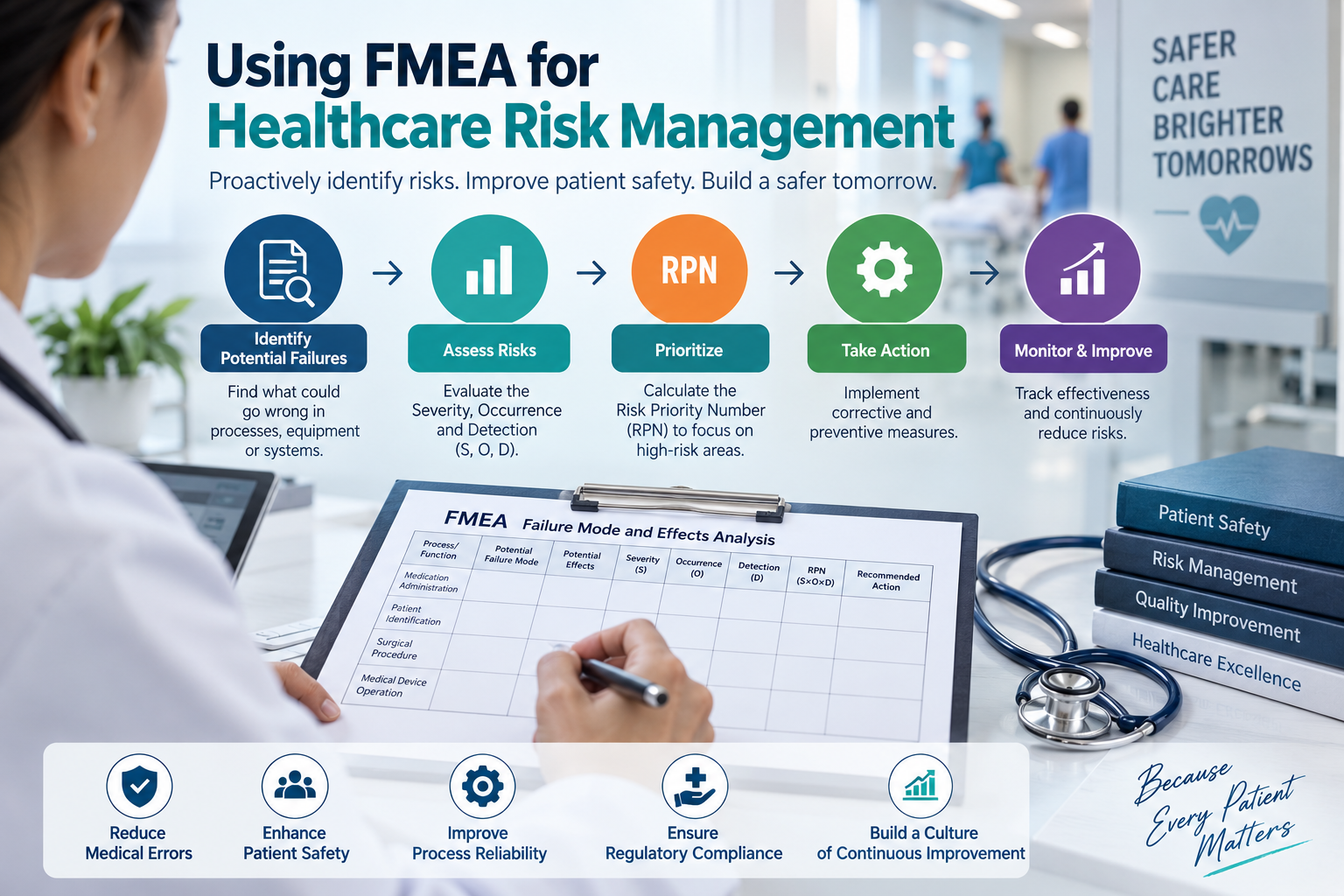
In today’s competitive market, businesses in India are continuously seeking methods to improve quality and reduce costs. One effective approach is the integration of FMEA in Six Sigma, which stands for Failure Mode and Effects Analysis. This powerful tool aids organizations in identifying potential failure points in their processes and implementing solutions before they escalate into significant issues. In this comprehensive guide, we will explore FMEA methodology, its integration with Lean Six Sigma, risk assessment techniques, and real-world FMEA examples. What is FMEA? Failure Mode and Effects Analysis (FMEA) is a systematic approach for evaluating processes to identify where and how they might fail and assessing the relative impact of different failures. This helps teams prioritize which potential failures need to be addressed first. The FMEA process is an essential part of the FMEA methodology and plays a crucial role in risk management and quality improvement. The Importance of FMEA in Lean Six Sigma Lean Six Sigma combines the principles of Lean manufacturing and Six Sigma to enhance efficiency and quality. Incorporating FMEA into Lean Six Sigma offers several benefits: How FMEA Works FMEA involves several key steps: FMEA Methodology: Step-by-Step Guide Step 1: Preparation Before diving into FMEA, gather a cross-functional team that includes individuals who understand the process. This team will bring diverse insights that can help in identifying potential failures. Step 2: Process Mapping Create a detailed process map to visualize the workflow. This helps in pinpointing areas where failures could occur. Make sure to include all steps, inputs, outputs, and responsible parties. Step 3: Identify Failure Modes With the process map in hand, brainstorm potential failure modes for each step. Engage your team in discussions to ensure comprehensive coverage. Step 4: Analyze Effects and Causes For each failure mode, analyze the possible effects on the process and customers. Identify the root causes that could lead to these failures. Step 5: Risk Assessment Techniques Utilize risk assessment techniques to evaluate the severity, occurrence, and detection ratings. This will help in calculating the RPN and prioritizing the failure modes effectively. Step 6: Action Planning Develop action plans for the highest RPN scores. Define responsibilities, timelines, and resources needed to implement the corrective actions. Step 7: Monitor and Review After implementing the action plans, continuously monitor the process to ensure that the changes are effective. Regular reviews will help refine the FMEA process. FMEA Examples To illustrate the application of FMEA in Six Sigma, let’s look at a couple of examples from various industries: Example 1: Manufacturing A manufacturing company produces electronic components. During their FMEA analysis, they identified a failure mode where solder joints could fail due to inadequate heat application. The team assessed the effects, which included product malfunction and customer dissatisfaction. They rated the severity as 8, occurrence as 6, and detection as 5, resulting in an RPN of 240. To mitigate this risk, they implemented a new temperature monitoring system, reducing the RPN significantly. Example 2: Healthcare A hospital conducted an FMEA for its medication administration process. They identified a failure mode where medication could be administered to the wrong patient. The effects were severe, with a severity rating of 10. The occurrence was rated at 4, and detection at 3, leading to an RPN of 120. The hospital addressed this by introducing a double-check system and electronic medication administration records, significantly improving patient safety. Frequently Asked Questions (FAQs) What is the difference between FMEA and FMECA? FMEA (Failure Mode and Effects Analysis) focuses on identifying potential failures and their effects, while FMECA (Failure Mode, Effects, and Criticality Analysis) adds an additional layer by assessing the criticality of each failure mode. How often should FMEA be conducted? FMEA should be a continuous process. It is beneficial to conduct FMEA during the design phase of a product or process and to revisit it regularly, especially after any major changes or incidents. Can FMEA be used in service industries? Yes, FMEA is applicable in service industries as well. Any process that has potential failure points can benefit from FMEA analysis, improving service quality and customer satisfaction. Conclusion Integrating FMEA in Six Sigma can significantly enhance your organization's risk management and quality control efforts. By understanding the FMEA methodology and utilizing effective risk assessment techniques, you can proactively address potential failures and drive continuous improvement. Start implementing FMEA today and witness the transformation it brings to your processes. Call to Action Ready to integrate FMEA into your Lean Six Sigma practices? Contact us today for expert guidance and training on FMEA methodology and its applications in your organization!

Pravin sahani
Jun 14, 2026
Process Capability Analysis Explained (Cp & Cpk)

In the realm of quality management and manufacturing, process capability analysis plays a pivotal role in ensuring that processes are efficient and consistent. It provides insights into how a process can meet specifications and how well it performs under the current operating conditions. This blog will explore the concepts of Cp and Cpk, their significance, and how they can be used for effective process capability studies. What is Process Capability Analysis? Process capability analysis is a statistical method used to evaluate the ability of a manufacturing process to produce output within specified limits. It examines the relationship between the natural variation of a process and the specifications set by customers or regulatory bodies. By analyzing this relationship, organizations can determine whether their processes are capable of producing high-quality products consistently. Why is Process Capability Important? In India, with the increasing competition in various industries, understanding process capability is essential for businesses aiming to maintain quality and customer satisfaction. A robust process capability analysis helps organizations: Understanding Cp and Cpk The two most critical indices in process capability analysis are Cp and Cpk. While both metrics evaluate process capability, they do so in slightly different ways. What is Cp? Cp, or Process Capability Index, measures a process's potential capability. It compares the width of the specification limits to the process's natural variability. The formula for Cp is: Cp = (USL - LSL) / (6 * σ) Where: A Cp value of greater than 1 indicates that the process has the potential to produce products within specifications, while a value less than 1 suggests that the process is not capable of meeting specifications. What is Cpk? Cpk, or Process Capability Index adjusted for centering, takes into account how centered the process is between the specification limits. It is a more accurate representation of process capability because it considers the mean of the process relative to the specification limits. The formula for Cpk is: Cpk = min {(USL - μ) / (3 * σ), (μ - LSL) / (3 * σ)} Where: A Cpk value of more than 1 indicates that the process is capable of producing within specifications when considering its centering, while a value less than 1 indicates a need for improvement. Comparing Cp vs Cpk While both Cp and Cpk are essential metrics in understanding process capability, they serve different purposes: In summary, Cp vs Cpk highlights that while a process may have the potential to be capable (high Cp), it may not necessarily be performing well (low Cpk) due to shifts or drifts in the process mean. Conducting a Process Capability Study To conduct a process capability study, follow these steps: 1. Define the Process Clearly outline the process that needs to be analyzed. Identify the critical parameters and the specification limits that are important to your quality objectives. 2. Collect Data Gather data on the process performance over a significant period. Ensure that the data is representative of the process under normal operating conditions. 3. Analyze the Data Calculate the mean, standard deviation, and the Cp and Cpk values. Use statistical software or tools to assist in this analysis. Visual aids like control charts can also help to understand process variations. 4. Interpret Results Evaluate the Cp and Cpk values. A Cpk value of greater than 1.33 is generally considered acceptable for most industries, while values above 2 are ideal. If the values are low, identify root causes and areas for improvement. 5. Implement Improvements Based on the analysis, implement necessary changes to the process. This could involve training personnel, upgrading equipment, or modifying processes to reduce variability. 6. Monitor and Review Continuously monitor the process after implementing changes to ensure that improvements are sustained. Regular reviews and updates to the process capability analysis are essential. FAQs about Process Capability Analysis What is the ideal Cp and Cpk value? Generally, a Cp or Cpk value greater than 1.33 is considered acceptable for many industries, while values above 2 are viewed as excellent. These values indicate that the process is capable of consistently producing products within specification limits. How often should a process capability study be conducted? It is recommended to conduct a process capability study whenever there are significant changes in the process, such as new equipment, changes in materials, or revised specifications. Regular reviews, at least annually, can help maintain process quality. Can Cp and Cpk values be improved? Yes, both Cp and Cpk values can be improved through various methods such as process optimization, reducing variability, improving training for operators, and upgrading equipment. Identifying root causes of variability is key to enhancing these indices. What industries benefit from process capability analysis? Various industries, including manufacturing, automotive, pharmaceuticals, and electronics, can benefit from process capability analysis. Any sector where product quality is critical can utilize these metrics to ensure process efficiency. Conclusion In conclusion, process capability analysis is an invaluable tool for any organization looking to optimize their processes and enhance product quality. Understanding Cp and Cpk helps businesses in India assess their manufacturing capabilities and make informed decisions for improvements. By implementing a robust process capability study, organizations can achieve higher efficiency, lower costs, and ultimately, greater customer satisfaction. If you are looking to improve your process capabilities or need further assistance with your quality management systems, feel free to reach out to us. Let’s work together to enhance your manufacturing processes! Call to Action: Interested in learning more about how process capability analysis can transform your business? Contact us today for a consultation!

Pravin sahani
Jun 14, 2026
What Is First Pass Yield and Why It Matters

In the competitive landscape of manufacturing, the quest for efficiency and quality is ever-present. One key metric that plays a crucial role in assessing a manufacturing process's effectiveness is First Pass Yield (FPY). Understanding FPY can help organizations identify areas for improvement, reduce waste, and ultimately enhance profitability. In this blog, we will delve into what first pass yield means, how to calculate it, and why it is a vital manufacturing KPI metric. Understanding First Pass Yield (FPY) First Pass Yield refers to the percentage of products that are manufactured correctly without any rework or defects on the first attempt. This metric is critical in determining the efficiency of manufacturing processes and is used extensively in quality performance metrics. A high FPY indicates that a manufacturing process is operating effectively, whereas a low FPY may signal the need for process improvements. The Importance of FPY in Manufacturing Why does FPY matter? Here are several reasons: 1. Cost Efficiency High first pass yield means fewer defective products, which translates to lower costs associated with rework, scrap, and warranty claims. For manufacturers in India, where margins can often be tight, maintaining a high FPY is critical for sustaining profitability. 2. Customer Satisfaction Delivering high-quality products consistently enhances customer satisfaction and trust. A high FPY ensures that customers receive products that meet their expectations, resulting in repeat business and positive referrals. 3. Continuous Improvement First pass yield serves as a benchmark for identifying areas in the production process that may require enhancement. By monitoring FPY, manufacturers can implement strategies for continuous improvement, thereby reducing waste and increasing efficiency. Calculating First Pass Yield To effectively utilize FPY as a manufacturing KPI metric, it’s essential to understand how to calculate it. The first pass yield formula is straightforward: FPY = (Number of Good Units Produced) / (Total Units Produced) x 100 For example, if a manufacturing line produces 1,000 units in a day and 950 of those units are deemed acceptable on the first pass, the FPY would be: FPY = (950 / 1000) x 100 = 95% This means that 95% of the units produced were of acceptable quality without any need for rework, showcasing an efficient manufacturing process. Factors Affecting First Pass Yield Several factors can influence FPY in manufacturing: 1. Process Design A well-designed process minimizes variability and defects, contributing to a higher FPY. Manufacturers should regularly assess and optimize their production processes to ensure they are as efficient as possible. 2. Employee Training Skilled and well-trained employees are vital for maintaining high quality in production. Regular training programs can significantly enhance the capability of the workforce, leading to improved FPY. 3. Equipment Maintenance Regular maintenance of machinery and equipment is essential to prevent breakdowns that can lead to defects. A proactive maintenance schedule can help sustain high FPY levels. Strategies to Improve First Pass Yield Improving FPY is an ongoing effort. Here are some strategies that manufacturers can adopt: 1. Root Cause Analysis When FPY is lower than desired, conducting a root cause analysis is essential. Identifying the underlying reasons for defects can help manufacturers implement targeted solutions. 2. Implementing Lean Manufacturing Principles Adopting lean manufacturing techniques can help streamline processes, reduce waste, and improve FPY. Techniques such as Six Sigma can also be beneficial in enhancing quality. 3. Regular Performance Monitoring Establishing a robust system for monitoring manufacturing KPI metrics, including FPY, is crucial. Regularly tracking these metrics can provide insights into performance trends and highlight areas for improvement. FAQs About First Pass Yield Q1: What is a good FPY percentage in manufacturing? A good FPY percentage typically ranges between 90% to 95%. However, this can vary by industry and specific processes. Striving for continuous improvement is essential. Q2: How does FPY differ from overall yield? FPY focuses solely on the first attempt at producing a quality product, while overall yield considers all products produced over a period, including those that require rework. Q3: Can FPY be used for services as well as manufacturing? While FPY is primarily associated with manufacturing, the concept can be adapted to service industries by measuring the percentage of services delivered correctly on the first attempt. Conclusion First pass yield is a crucial metric in the manufacturing industry that can significantly impact overall efficiency, costs, and customer satisfaction. By understanding and optimizing FPY through various strategies, manufacturers can improve their processes and ensure high-quality outputs. If you're looking to enhance your manufacturing performance, it’s time to focus on your first pass yield. Are you ready to take your manufacturing process to the next level? Start monitoring your FPY today and see the difference it can make in your operations. Contact us today for expert advice on improving your manufacturing processes and achieving higher first pass yields!

Pravin sahani
Jun 14, 2026
How to Reduce Process Variation in Manufacturing

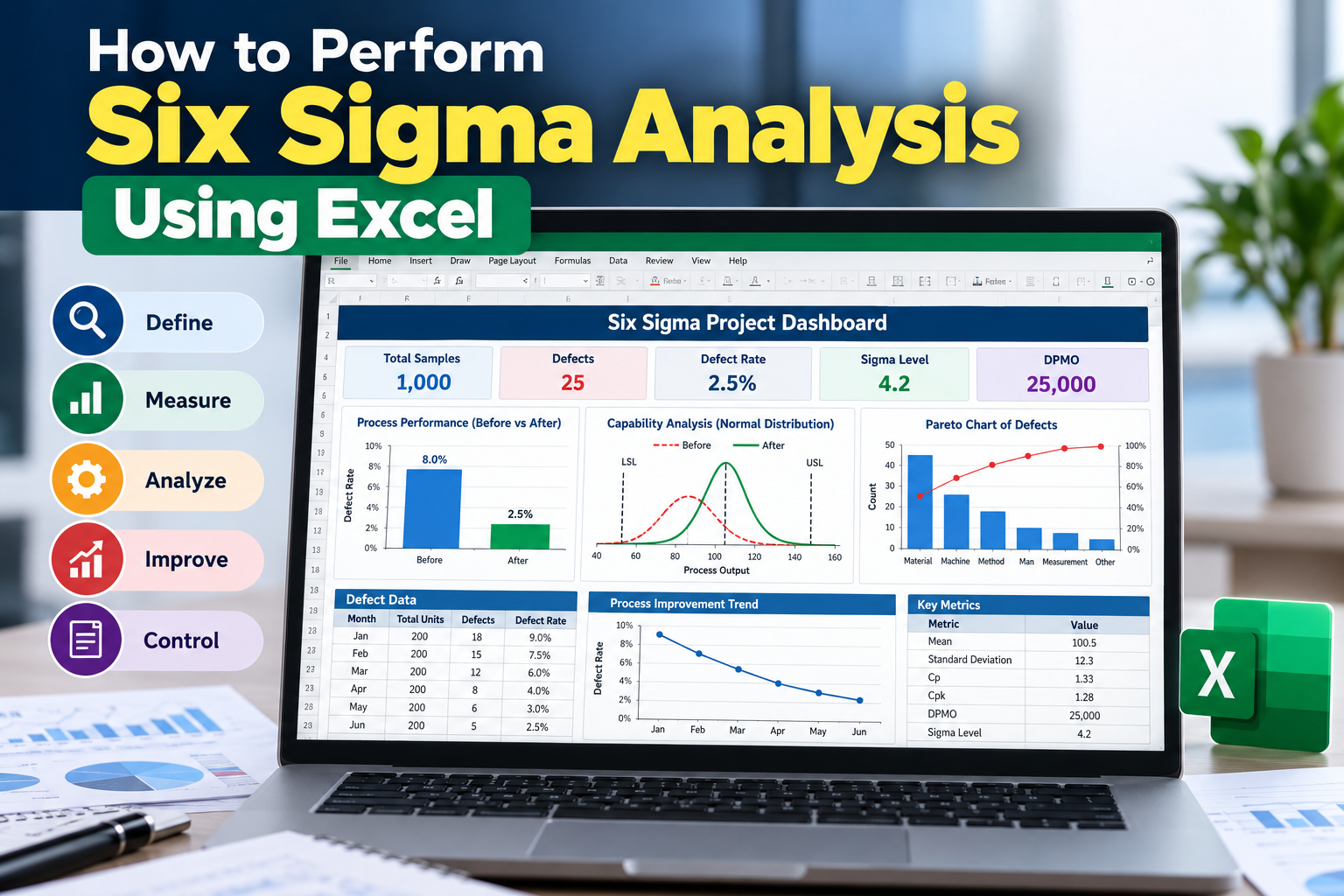
In the fast-paced world of manufacturing, ensuring consistent quality and efficiency is paramount. One of the most significant challenges manufacturers face is process variation. This not only affects product quality but can also lead to increased costs and reduced customer satisfaction. In this blog, we will explore effective strategies for process variation reduction in the manufacturing sector, specifically tailored for the Indian audience. Understanding Process Variation Process variation refers to the inherent fluctuations that occur during the manufacturing process. These variations can arise from various sources, including raw material inconsistencies, machine performance, and human factors. Understanding the types of variations is crucial for effective reducing defects in manufacturing. Types of Process Variation 1. Common Cause Variation: These are variations that are inherent to a process. They are predictable and can be statistically analyzed. 2. Special Cause Variation: Unlike common causes, these variations arise from specific, identifiable factors. They can often be mitigated or eliminated with targeted interventions. The Importance of Reducing Process Variation Reducing process variation is vital for several reasons: Strategies for Reducing Process Variation in Manufacturing Now that we understand the implications of process variation, let’s explore effective strategies for manufacturing process variation reduction. 1. Implementing Six Sigma Methodology Six Sigma is a data-driven approach that aims to minimize defects and process variation. It uses statistical tools and techniques to identify and eliminate the causes of defects. The DMAIC (Define, Measure, Analyze, Improve, Control) framework is fundamental to Six Sigma and provides a structured methodology for process improvement. 2. Standardizing Processes Standard Operating Procedures (SOPs) are essential in manufacturing. By creating and adhering to SOPs, you can minimize variations caused by human error. Training employees on these procedures is critical to ensuring compliance and consistency. 3. Investing in Quality Control Quality control measures such as regular inspections and testing can help identify variations early in the production process. By catching defects before they reach the final product, manufacturers can save time and resources. Consider adopting Statistical Process Control (SPC) techniques to monitor and control the manufacturing process. 4. Using Advanced Technology Automation and smart manufacturing technologies can significantly reduce process variation. IoT devices and AI can collect real-time data, allowing for immediate adjustments and reducing human error. Additionally, implementing Machine Learning algorithms can help predict and mitigate potential variations before they impact production. 5. Engaging Employees Employee engagement is crucial for process variation reduction. Encourage team members to participate in improvement initiatives and provide feedback on current processes. A culture of continuous improvement can lead to innovative solutions and enhanced efficiency. Measuring Success To ensure that your efforts in reducing defects in manufacturing are effective, it is essential to have measurable key performance indicators (KPIs). Some KPIs to consider include: Challenges in Process Variation Reduction While reducing process variation is crucial, it’s not without its challenges. Some common obstacles include: Success Stories from Indian Manufacturers Many Indian manufacturers have successfully implemented strategies to reduce process variation, leading to significant improvements in quality and efficiency. For instance: Tata Steel: By adopting Six Sigma principles, Tata Steel has been able to enhance its manufacturing processes, reducing defects and achieving higher customer satisfaction. Mahindra & Mahindra: This automotive giant has implemented advanced technology and quality control measures, resulting in reduced process variation and improved product quality. FAQs What is process variation in manufacturing? Process variation refers to the fluctuations that occur during the manufacturing process, affecting the consistency and quality of the final product. Why is reducing process variation important? Reducing process variation is essential for improving product quality, lowering costs, and enhancing overall efficiency in manufacturing. What strategies can be used for process variation reduction? Effective strategies include implementing Six Sigma, standardizing processes, investing in quality control, using advanced technology, and engaging employees. How does Six Sigma help in reducing defects in manufacturing? Six Sigma uses data-driven methods to identify and eliminate the root causes of defects, thereby minimizing process variation and improving quality. Conclusion Reducing process variation in manufacturing is an ongoing journey that requires commitment, strategic planning, and the right tools. By implementing the strategies discussed above, Indian manufacturers can not only enhance product quality but also achieve greater operational efficiency. Start your journey towards process variation reduction today and reap the benefits of a more consistent and reliable manufacturing process! Call to Action: If you’re ready to take the next step towards improving your manufacturing processes, contact us for expert guidance on implementing effective strategies for reducing defects in manufacturing. Let’s work together to achieve excellence in your operations!

Pravin sahani
Jun 13, 2026
Lean Six Sigma for Supply Chain Professionals

In the fast-paced world of supply chain management, efficiency and quality are paramount. Supply chain professionals are increasingly turning to methodologies like Lean Six Sigma to enhance their processes, reduce waste, and improve overall performance. This blog delves into how Lean Six Sigma can revolutionize your supply chain operations, driving process improvement and optimizing logistics. Understanding Lean Six Sigma Lean Six Sigma is a powerful methodology that combines the principles of Lean manufacturing, which focuses on eliminating waste, with Six Sigma, which emphasizes reducing variation and improving quality. Together, they provide a robust framework for improving processes across various industries, including supply chain management. Key Principles of Lean Six Sigma Why Lean Six Sigma is Essential for Supply Chain Professionals As supply chain professionals in India face increasing pressures to reduce costs and enhance service levels, Lean Six Sigma offers a structured approach to achieving these goals. Here are some compelling reasons to incorporate this methodology into your supply chain processes: 1. Enhanced Efficiency By applying Lean principles, supply chain professionals can streamline operations, eliminating unnecessary steps and reducing cycle times. This leads to faster delivery of products and services, ultimately improving customer satisfaction. 2. Improved Quality Six Sigma focuses on reducing defects and improving quality. In a supply chain context, this translates to fewer errors in order fulfillment, reduced product returns, and higher levels of customer trust in your brand. 3. Waste Reduction Lean Six Sigma helps identify and eliminate waste in various forms, including excess inventory, overproduction, and unnecessary transportation. This not only cuts costs but also aligns with sustainability goals, a growing concern in today’s environment. 4. Data-Driven Decisions Supply chain professionals can leverage data analytics to make informed decisions. Lean Six Sigma encourages the use of statistical tools to analyze performance metrics, allowing teams to identify trends and areas for improvement systematically. Implementing Lean Six Sigma in Supply Chain Management Integrating Lean Six Sigma into your supply chain processes requires a strategic approach. Here are the steps you can take to effectively implement this methodology: 1. Training and Certification Investing in training for your team is crucial. Consider Six Sigma certification programs, which equip professionals with the knowledge and skills needed to lead improvement projects. 2. Identify Key Areas for Improvement Conduct a thorough assessment of your supply chain to identify bottlenecks, inefficiencies, and quality issues. Focus on areas that significantly impact customer satisfaction and operational costs. 3. Develop a Lean Six Sigma Team Establish a cross-functional team that includes members from various departments within your supply chain. This diverse group can bring different perspectives and expertise to the improvement process. 4. Utilize DMAIC Methodology Implement the DMAIC (Define, Measure, Analyze, Improve, Control) framework to systematically address issues. This structured approach ensures that improvements are not only implemented but also sustained over time. 5. Continuous Improvement Culture Foster a culture of continuous improvement within your organization. Encourage team members to regularly seek out opportunities for enhancement and empower them to take ownership of improvement projects. Logistics Optimization Using Six Sigma Logistics plays a critical role in the supply chain, and optimizing this aspect using Six Sigma can lead to significant cost savings and improved service levels. Here are some practical applications: 1. Route Optimization Use Six Sigma tools to analyze transportation routes and identify inefficiencies. By optimizing delivery routes, companies can reduce fuel costs and delivery times. 2. Inventory Management Implement statistical quality control techniques to optimize inventory levels. This reduces excess stock and ensures that products are available when customers need them, minimizing stockouts. 3. Quality Control in Warehousing Apply Six Sigma principles to warehousing processes to reduce errors in order picking and packing. This enhances accuracy and expedites the fulfillment process. Challenges in Implementing Lean Six Sigma While the benefits of Lean Six Sigma are substantial, organizations may encounter challenges during implementation: 1. Resistance to Change Employees may resist changes to established processes. Effective communication and involvement of team members in the improvement process can help overcome this challenge. 2. Lack of Leadership Support Successful implementation requires strong support from leadership. Leaders must champion Lean Six Sigma initiatives and allocate necessary resources for training and projects. 3. Insufficient Data Data is the backbone of Lean Six Sigma projects. Organizations must ensure they have access to accurate and relevant data to make informed decisions. FAQs About Lean Six Sigma in Supply Chain Management 1. What is the primary goal of Lean Six Sigma in supply chain management? The primary goal is to enhance efficiency and quality while reducing waste and variation in supply chain processes. 2. How can Lean Six Sigma help with logistics optimization? Lean Six Sigma provides tools and methodologies to analyze and improve logistics processes, leading to cost savings and improved service delivery. 3. Is Lean Six Sigma suitable for all types of supply chains? Yes, Lean Six Sigma can be tailored to suit various supply chain types, whether they are manufacturing, retail, or service-oriented. 4. How long does it take to see results from Lean Six Sigma implementation? Results can vary based on the complexity of the processes being improved. However, many organizations begin to see improvements within a few months of implementing Lean Six Sigma initiatives. Conclusion: Embracing Lean Six Sigma for a Competitive Edge In a highly competitive market, supply chain professionals must leverage every tool available to enhance their operations. Lean Six Sigma offers a comprehensive approach to supply chain process improvement and logistics optimization. By embracing this methodology, organizations can not only improve efficiency and quality but also drive customer satisfaction and loyalty. Are you ready to transform your supply chain processes with Lean Six Sigma? Start your journey towards operational excellence today! Contact us for more information on training and implementation strategies tailored to your organization’s needs.

Pravin sahani
Jun 13, 2026
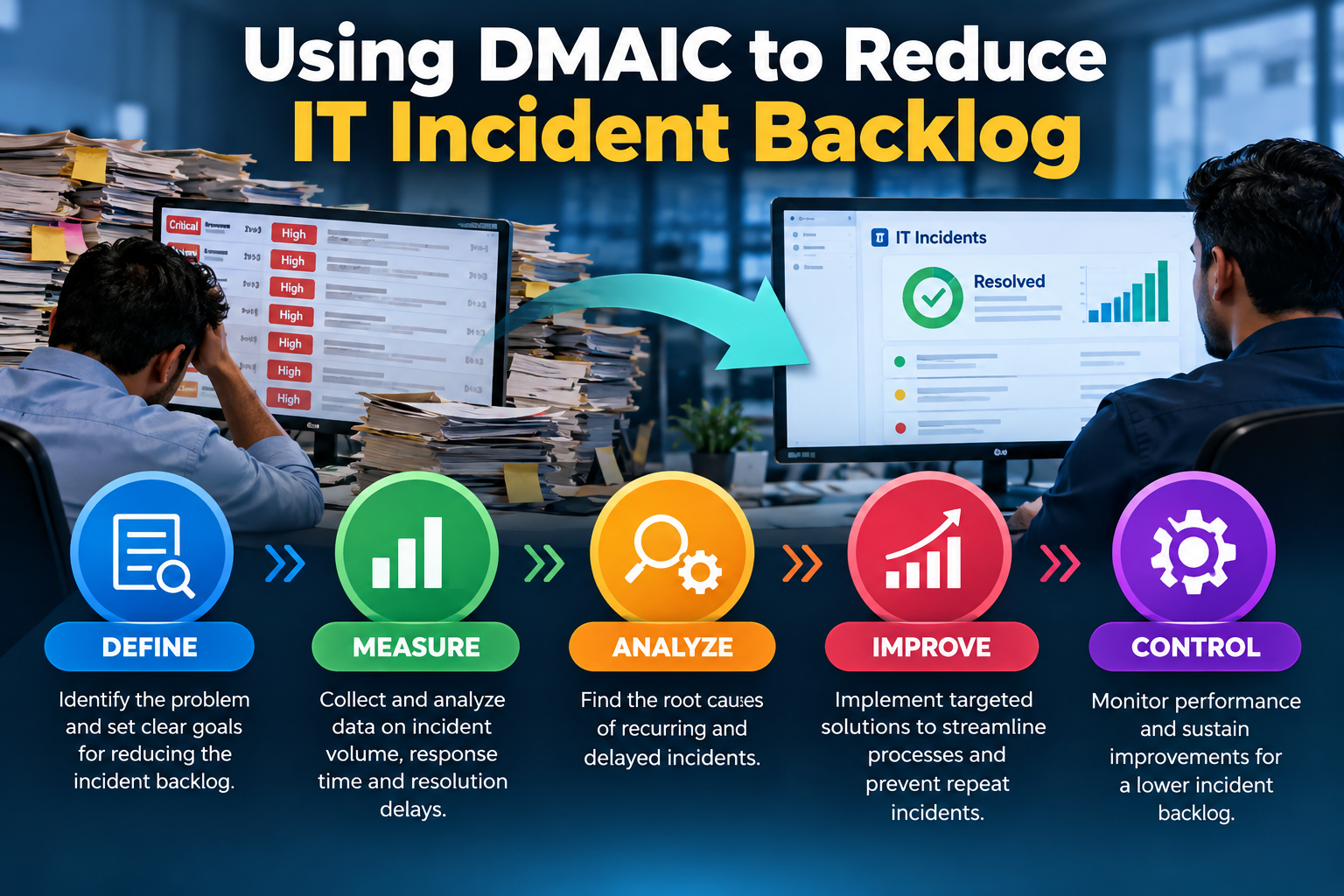
Lean Six Sigma Project Ideas for Service Industry

In today's competitive business environment, the service industry is continuously striving for operational excellence and superior customer satisfaction. Implementing Lean Six Sigma methodologies can be a game changer for service-based organizations, helping them reduce waste, enhance efficiency, and improve service quality. This blog outlines some effective six sigma project ideas for service industry that can drive substantial improvements. Understanding Lean Six Sigma in the Service Sector Before delving into specific project ideas, it's essential to understand what Lean Six Sigma entails, particularly in the lean six sigma service sector. Lean focuses on eliminating waste and optimizing processes, while Six Sigma aims to reduce variability and improve quality. When combined, these methodologies can lead to remarkable improvements in service delivery. Why Lean Six Sigma Matters in the Service Industry The service industry in India is vast, encompassing various sectors like healthcare, hospitality, finance, and IT. As organizations aim to enhance their operational efficiency, leveraging Lean Six Sigma becomes crucial. Here’s why: Top Lean Six Sigma Project Ideas for Service Industry 1. Streamlining Customer Onboarding Processes In sectors like banking and insurance, the customer onboarding process can often be cumbersome and lengthy. A Lean Six Sigma project can focus on mapping out the current onboarding journey, identifying bottlenecks, and implementing streamlined processes. By reducing the time required for onboarding, organizations can enhance customer satisfaction and retention. 2. Improving Call Center Efficiency Call centers are integral to service delivery, yet they often face challenges such as high call wait times and low first-call resolution rates. A Lean Six Sigma project can analyze call data to identify patterns and root causes of inefficiencies. Implementing targeted training programs and optimizing call routing can significantly improve service metrics. 3. Enhancing Service Delivery in Hospitality For the hospitality sector, service delivery is key to customer satisfaction. A project focused on meal preparation and delivery can be beneficial. By conducting a value stream mapping exercise to identify waste in the kitchen and service processes, hotels and restaurants can improve turnaround times and enhance guest experiences. 4. Optimizing IT Service Management In the IT sector, incidents and service requests often lead to delays and customer dissatisfaction. Implementing Lean Six Sigma principles can help in optimizing incident management processes. By analyzing ticket resolution times and categorizing incidents, organizations can develop a more efficient workflow, ensuring quicker resolutions and higher service quality. 5. Reducing Errors in Document Processing Many service organizations deal with significant paperwork, from legal firms to financial institutions. A project aimed at reducing processing errors in documentation can yield substantial benefits. By analyzing the document flow and identifying common error sources, organizations can implement better checks and balances to minimize mistakes. 6. Enhancing Patient Flow in Healthcare In healthcare, patient flow management is critical for providing timely care. A Lean Six Sigma project can focus on analyzing patient admission, treatment, and discharge processes. By identifying bottlenecks, implementing standardized procedures, and enhancing communication, hospitals can significantly improve patient experience and operational efficiency. Service Process Improvement Examples Here are some real-world examples of successful Lean Six Sigma implementations in the service sector: Getting Started with Lean Six Sigma in Your Organization Ready to embrace Lean Six Sigma in your service organization? Here are some steps to get you started: FAQs What is Lean Six Sigma? Lean Six Sigma is a methodology that combines Lean manufacturing principles and Six Sigma strategies to enhance process efficiency and reduce defects in services or products. How can Lean Six Sigma benefit the service industry? It helps organizations improve operational efficiency, reduce costs, enhance customer satisfaction, and foster a culture of continuous improvement. Can any service sector benefit from Lean Six Sigma? Yes, Lean Six Sigma can benefit various service sectors, including healthcare, finance, hospitality, and IT by streamlining processes and improving service delivery. What tools are commonly used in Lean Six Sigma projects? Common tools include Value Stream Mapping, DMAIC, Root Cause Analysis, and 5S methodology among others. Conclusion Implementing Lean Six Sigma methodologies in the service industry can lead to significant improvements in efficiency, customer satisfaction, and overall operational excellence. By leveraging the project ideas outlined above, your organization can embark on a transformative journey towards continuous improvement. Are you ready to take your service organization to the next level? Start exploring six sigma project ideas for service industry today and witness the positive impact on your processes and customer satisfaction! Call to Action: If you’re interested in learning more about Lean Six Sigma or need assistance in implementing these methodologies in your service organization, don’t hesitate to reach out to us for expert guidance!