About iQS

Empowering learners and educators with a comprehensive platform that bridges the gap between traditional and modern education. iQS inspires excellence in education and fosters growth for a brighter future.

Follow Us

Home Blogs
Pravin sahani
Jun 12, 2026
How to Showcase Projects and Internships on Your Resume

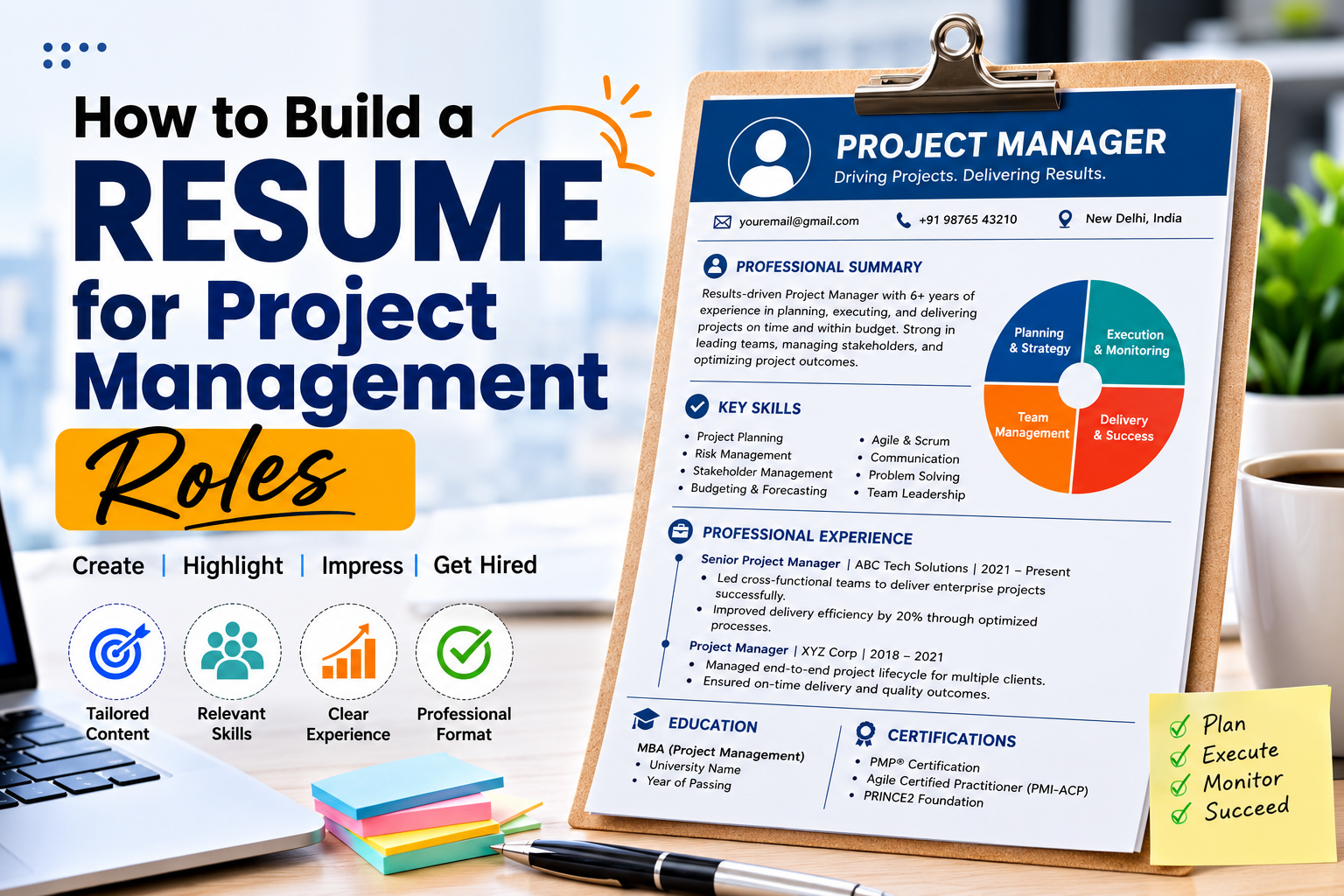
How to Showcase Projects and Internships on Your Resume Crafting a resume that stands out in today's competitive job market can be a daunting task, especially for fresh graduates and professionals with limited work experience. One of the most effective ways to enhance your resume is by showcasing your project experience and internships. In this article, we will explore how to effectively highlight these experiences, with specific internship resume examples and tips on presenting your project experience resume. Understanding the Importance of Projects and Internships For many job seekers, projects and internships are the first significant steps into the professional world. They provide practical experience, skill development, and often, the opportunity to network with industry professionals. Not only do they demonstrate your commitment to your field, but they also highlight your ability to apply theoretical knowledge in real-world situations. Here's how to make these experiences shine on your resume. Identifying Relevant Experiences Before you start writing, it's crucial to identify which projects and internships to include on your resume. Consider the following: Structuring Your Resume When it comes to structuring your resume, there are several formats you can choose from. The most common formats include chronological, functional, and combination resumes. However, for showcasing projects and internships, a combination format often works best as it allows you to highlight both your experience and skills. 1. Choose a Clear Format Your resume should be easy to read and visually appealing. Use clear headings and bullet points to organize your information effectively. A well-structured resume allows hiring managers to quickly find the information they need. 2. Create a Dedicated Section for Projects and Internships Including a dedicated section for projects and internships can help you stand out. Title this section “Projects and Internships” or “Relevant Experience” to clearly indicate its purpose. Here’s how to format it: Crafting Project Experience and Internship Descriptions The way you describe your projects and internships can make a significant difference. Here are some tips for crafting compelling descriptions: 1. Use Action Verbs Start each bullet point with strong action verbs like “developed,” “led,” “designed,” or “implemented.” This approach conveys a sense of proactivity and achievement. 2. Quantify Your Achievements Whenever possible, include numbers to quantify your achievements. Instead of saying, “Worked on a marketing campaign,” you could say, “Developed a marketing campaign that increased social media engagement by 30% over three months.” 3. Emphasize Skills and Technologies Used Highlight any specific skills or technologies you used during your projects or internships. This can include programming languages, software, or methodologies that are relevant to the job you’re applying for. Examples of Strong Internship and Project Descriptions To illustrate how to write effective descriptions, here are some internship resume examples and project experiences: Example 1: Marketing Internship Marketing Intern - ABC Marketing Solutions (June 2022 – August 2022) Example 2: Software Development Project Team Lead - Online Library Management System (January 2023 – May 2023) Common Mistakes to Avoid As you prepare your resume, here are some common mistakes to avoid: Frequently Asked Questions 1. How many internships should I include on my resume? It’s best to include 2-3 of your most relevant internships. Focus on quality over quantity; highlight those that best showcase your skills and achievements. 2. Should I list projects from college on my resume? Yes, if they are relevant to the job you are applying for, include them. Academic projects can demonstrate your skills and commitment to your field. 3. Can I include volunteer work as project experience? Absolutely! Volunteer work can showcase your skills and commitment, especially if it’s relevant to your field. Treat it the same way as paid internships. 4. How do I tailor my resume for different jobs? Customize your resume for each job application by emphasizing the most relevant experiences and skills that match the job description. Conclusion Showcasing your projects and internships effectively on your resume can greatly enhance your chances of landing your dream job. By following the tips outlined in this article, you can create a compelling resume that highlights your skills and experiences in a way that resonates with potential employers. Remember, your resume is your personal marketing tool; make sure it reflects your best self! Call to Action: Ready to take your resume to the next level? Start drafting your projects and internships today, and don’t hesitate to reach out for professional resume writing services that can help you shine!

Pravin sahani
Jun 12, 2026
How to Showcase Projects and Internships on Your Resume

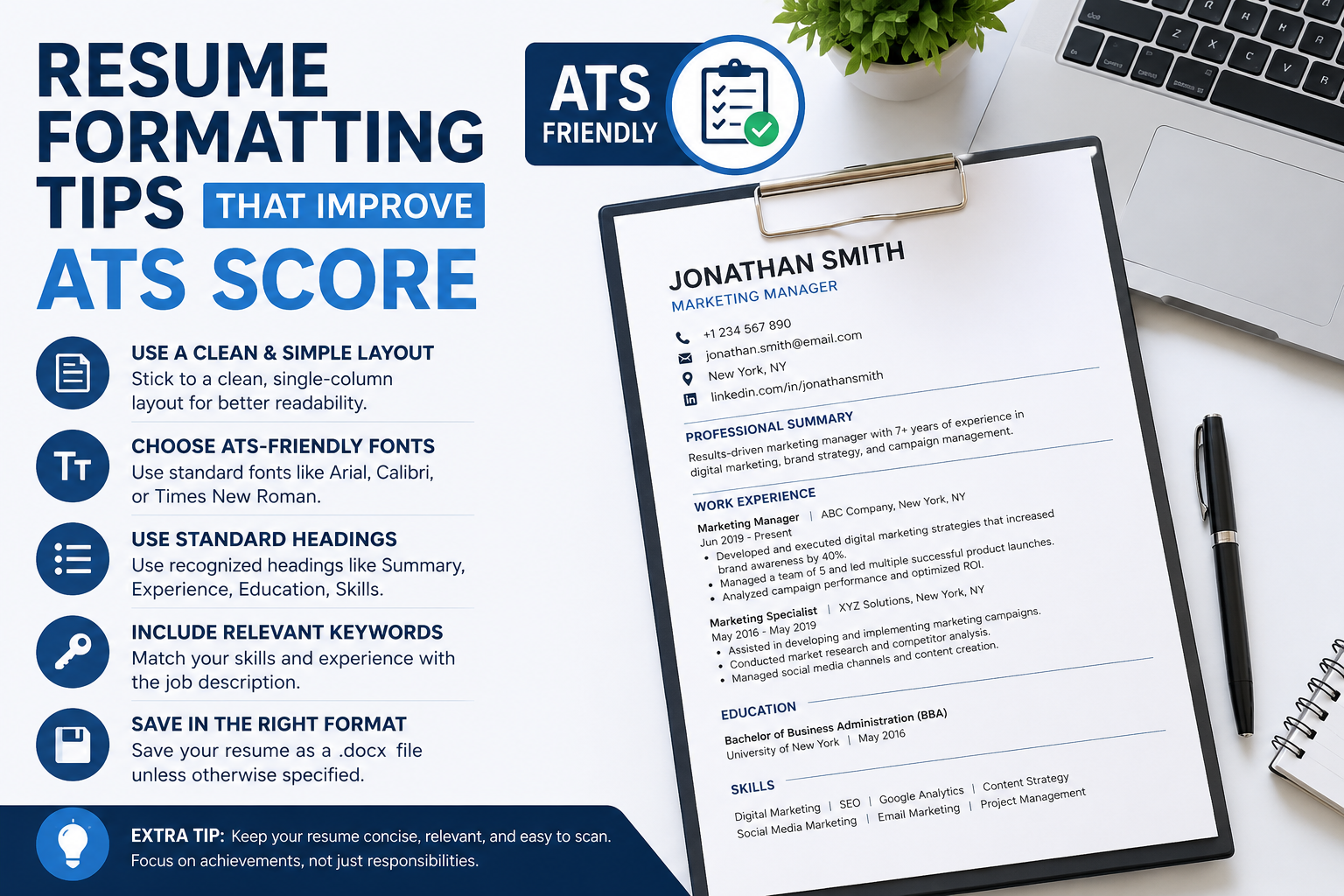
How to Showcase Projects and Internships on Your Resume Creating an impressive resume is essential for any job seeker, especially in India’s competitive job market. One of the key components that can set you apart from other candidates is how you present your projects and internships. In this blog, we will provide you with comprehensive tips on how to effectively showcase your project experience and internships on your resume, along with some internship resume examples. Why Projects and Internships Matter For fresh graduates and early professionals, showcasing projects and internships on your resume is crucial. These experiences demonstrate your skills, willingness to learn, and ability to apply theoretical knowledge in practical situations. Employers in India look for candidates who have real-world experience, and showcasing this can make a significant difference in your job search. Understanding the Basics of a Resume Before we dive into how to showcase your projects and internships, it’s essential to understand the basic structure of a resume. A typical resume includes the following sections: How to Effectively Showcase Projects on Your Resume 1. Create a Dedicated Section One of the best ways to highlight your project experience is by creating a dedicated section on your resume. This section can be titled “Projects” or “Academic Projects.” Organizing your projects in one place makes it easier for employers to identify your practical experience. 2. Choose Relevant Projects When selecting projects to include, focus on those that are most relevant to the job you are applying for. If you have multiple projects, tailor your resume to fit the job description by including the most pertinent experiences. For instance, if you’re applying for a software development role, highlight projects that involved coding, app development, or software design. 3. Use the STAR Method To effectively describe your project experience, use the STAR method, which stands for Situation, Task, Action, and Result. This approach helps you provide a structured description of your projects: 4. Quantify Your Achievements Whenever possible, quantify your achievements to provide concrete evidence of your success. Instead of simply stating that you worked on a marketing project, say that you “increased social media engagement by 50% over three months.” Numbers grab attention and provide a clearer picture of your contributions. 5. Include Skills Used Incorporate the skills you utilized during your projects. This not only demonstrates your capabilities but also aligns your experience with the job requirements. For example, if you worked on a data analysis project, mention skills such as Excel, Python, or data visualization tools. Showcasing Internships on Your Resume 1. Highlight Relevant Internships When listing internships, focus on those that align with your career goals. Use the same principles as you would for projects—emphasize your role, responsibilities, and the skills you acquired during your internship. 2. Use Internship Resume Examples Looking at internship resume examples can provide you with insights into how to structure this section effectively. For instance, consider the following format: Internship Title at Company Name (Month Year – Month Year) 3. Emphasize Learning Experiences Internships are often about learning and gaining exposure to the industry. Highlight what you learned during your internship and how it has prepared you for the role you are applying for. For example, mention if you developed a deeper understanding of industry trends or enhanced your technical skills. 4. Include Recommendations or Endorsements If you received positive feedback or a recommendation from your internship supervisor, consider mentioning this in your resume. It adds credibility to your experience and can make a strong impression on potential employers. Formatting Tips for Your Resume 1. Keep it Concise Your resume should ideally be one page long, especially if you have less than ten years of experience. Be concise and only include information that is relevant to the job you are applying for. 2. Use Bullet Points Bullet points make your resume easy to read and allow employers to quickly scan your qualifications. Use them to list your responsibilities, projects, and achievements. 3. Use Professional Fonts and Layouts Choose a clean, professional font and ensure that your layout is easy to read. Avoid overly decorative designs that can distract from the content. FAQs 1. How many projects should I include on my resume? It’s best to include 2-4 relevant projects that showcase your skills and experience. Quality over quantity is key. 2. Should I include academic projects on my resume? Yes, especially if you are a recent graduate. Academic projects can demonstrate your skills and knowledge in your field. 3. How do I list internships that were unpaid? Unpaid internships can still be valuable experiences. List them just like paid internships, focusing on the skills and experiences you gained. 4. Can I include freelance projects on my resume? Absolutely! Freelance projects can showcase your initiative and skills. Treat them like any other project or internship. Conclusion Showcasing projects and internships on your resume is vital for making a strong impression on potential employers in India. By following the tips outlined in this blog and utilizing internship resume examples, you can effectively present your experiences and stand out in the job market. Remember, your resume is your personal marketing tool—make it count! Call to Action: If you found this guide helpful, share it with your friends or colleagues who are also looking to improve their resumes. For personalized resume assistance, feel free to contact us today!

Pravin sahani
Jun 12, 2026
Best Resume Format for MBA Freshers in 2026

Best Resume Format for MBA Freshers in 2026 As an MBA fresher stepping into the competitive job market of 2026, crafting a compelling resume is crucial for making a memorable first impression. Your resume serves as a powerful marketing tool that showcases your skills, education, and experiences. In this article, we will explore the best resume format for MBA freshers, focusing on the MBA resume format that resonates well with Indian employers. Understanding the Importance of a Well-Structured Resume In today's fast-paced job market, recruiters spend an average of just six seconds reviewing a resume before deciding whether to consider a candidate. This makes it vital to present your qualifications clearly and effectively. An optimized MBA fresher resume can help you stand out from the crowd and secure that coveted interview. Key Components of an MBA Resume Before delving into the specific formats, let’s discuss the essential components that every MBA fresher resume should include: Popular Resume Formats for MBA Freshers 1. Chronological Resume Format The chronological format is the most commonly used resume format. It lists your work experience and education in reverse chronological order, making it easy for recruiters to follow your career progression. This format is particularly effective if you have relevant internship experiences or part-time jobs during your MBA. 2. Functional Resume Format The functional format emphasizes skills and experiences rather than chronological work history. This format is beneficial if you are changing careers or have gaps in your employment history. It allows you to highlight skills acquired during your MBA program or through internships. 3. Combination Resume Format The combination format merges elements from both chronological and functional formats. It begins with a summary of skills followed by a chronological listing of relevant experiences. This format works well for MBA freshers who want to showcase their skills while providing a clear work history. Choosing the Right MBA Resume Format When selecting the best MBA resume format, consider the following factors: Tips for Crafting an Effective MBA Fresher Resume To create a standout MBA fresher resume, keep the following tips in mind: Sample Resume Format for MBA Freshers Here’s a sample structure for an MBA fresher resume: Contact Information Name: [Your Name] Phone: [Your Phone Number] Email: [Your Email Address] LinkedIn: [Your LinkedIn Profile URL] Objective Statement [A brief statement summarizing your career goals and what you aim to achieve in your first job after MBA.] Education MBA in [Specialization] [University Name], [Location] [Month, Year] – [Month, Year] Skills Internships and Projects [Internship Title] [Company Name], [Location] [Month, Year] – [Month, Year] - [Responsibility/Project undertaken] Certifications and Training Extracurricular Activities [Role in Organization/Club] [Activity/Organization Name] [Month, Year] – [Month, Year] Frequently Asked Questions (FAQs) 1. How long should my MBA fresher resume be? Your MBA fresher resume should ideally be one page long. This ensures that you present only the most relevant information in a concise manner. 2. Should I include my GPA on my resume? Including your GPA is optional. If it's impressive (generally above 3.5), you may want to include it, but if it's not strong, it's better to leave it out. 3. How often should I update my resume? It's a good practice to update your resume regularly, especially after completing internships, projects, or acquiring new skills. 4. Is it necessary to add a cover letter along with my resume? While not always mandatory, including a cover letter can enhance your application by providing additional context and showcasing your interest in the role. Conclusion Crafting an effective MBA fresher resume is a vital step in launching your career. By selecting the right MBA resume format and incorporating essential components, you can create a document that highlights your strengths and catches the attention of recruiters. Remember to tailor your resume for each application and keep it concise. Are you ready to land your dream job? Start working on your MBA fresher resume today and take the first step towards a successful career! Call to Action: If you found this article helpful, share it with your fellow MBA freshers and help them in their job search journey! For more tips and resources, subscribe to our newsletter.

Pravin sahani
Jun 12, 2026
How Recruiters Spend Less Than 10 Seconds Reviewing Your Resume

How Recruiters Spend Less Than 10 Seconds Reviewing Your Resume In today’s competitive job market, your resume is often your first impression on potential employers. Did you know that recruiters typically spend less than 10 seconds reviewing your resume? This shocking reality means that your resume must stand out from the very first glance. In this blog post, we will explore the recruiter resume screening process, how to optimize your resume for resume shortlisting, and tips to capture the attention of recruiters quickly. The Importance of the First Impression Recruiters receive hundreds of resumes for a single job opening. With such a massive influx, they often rely on a quick scanning process to weed out candidates. This quick review can make or break your chances of getting noticed. Hence, understanding how recruiters evaluate resumes is crucial for job seekers. Understanding the Recruiter Resume Screening Process 1. The 10-Second Rule The infamous “10-second rule” in recruiter resume screening refers to the brief amount of time recruiters take to glance through a resume. During this time, they look for key information that aligns with the job description. If they don’t find what they are looking for within this short span, your resume may be discarded. 2. Key Elements Recruiters Look For When scanning resumes, recruiters look for several critical elements: How to Optimize Your Resume for Shortlisting 1. Tailor Your Resume One of the most effective ways to improve your chances during the resume shortlisting process is to tailor your resume for each job application. Analyze the job description and incorporate relevant keywords and phrases. This helps in not only catching the recruiter’s eye but also makes your resume more ATS (Applicant Tracking System) friendly. 2. Use a Clear and Professional Format A cluttered or overly complicated resume can deter recruiters. Ensure that your resume has: 3. Highlight Relevant Skills and Achievements Focus on your most relevant skills and achievements. Use quantifiable metrics where possible. Instead of saying “responsible for sales,” say “increased sales by 30% within six months.” This not only shows what you did but also how well you did it. 4. Keep It Concise Recruiters appreciate brevity. Aim to keep your resume to one page, especially if you have less than ten years of experience. Include only the most relevant information that showcases your qualifications for the specific role. 5. Proofread and Edit A resume filled with grammatical errors or typos can create a negative impression. Take the time to proofread your resume thoroughly or ask someone else to review it. A polished resume reflects your attention to detail. Common Mistakes to Avoid 1. Using a Generic Resume Sending out the same resume for multiple job applications is a common mistake. It’s essential to customize your resume for each position you apply for to enhance your chances in the recruiter resume screening process. 2. Overloading with Information While it’s important to showcase your experience, avoid overwhelming the recruiter with excessive information. Stick to relevant details that support your application for the specific job. 3. Lacking Keywords Many companies use Applicant Tracking Systems that filter resumes based on specific keywords. Ensure that your resume contains the necessary keywords from the job description to pass this automated screening. FAQs About Resume Screening and Shortlisting 1. How important is the format of my resume? The format of your resume is crucial. A clear, professional format improves readability, which is essential for capturing a recruiter’s attention in under 10 seconds. 2. Should I include a summary statement? Yes, a concise summary statement at the top of your resume can provide recruiters with a quick overview of your qualifications, making it easier for them to decide whether to consider you further. 3. How often should I update my resume? It’s a good practice to update your resume regularly, especially after completing a significant project or acquiring new skills. This ensures that your resume is always ready for new opportunities. 4. Is it necessary to use action verbs? Absolutely! Using action verbs can make your achievements more impactful. Words like "achieved," "led," and "developed" convey a sense of accomplishment and proactivity. 5. Can I use a creative resume format? While creative formats can stand out, they may not always be ATS-friendly. It’s best to strike a balance by keeping the design simple yet visually appealing. Conclusion The reality is that recruiters spend less than 10 seconds reviewing your resume, making it imperative that you present your qualifications effectively and succinctly. By tailoring your resume, using a clear format, highlighting relevant skills, and avoiding common mistakes, you can significantly increase your chances of making it through the resume shortlisting process. Ready to take your job application to the next level? Start crafting a standout resume today! If you need more guidance or help from professionals, feel free to reach out to us. Let’s get you hired!

Pravin sahani
Jun 11, 2026
How AI and Lean Six Sigma Work Together for Process Improvement

How AI and Lean Six Sigma Work Together for Process Improvement In today's fast-paced business landscape, organizations are constantly seeking ways to enhance operational efficiency and improve their processes. Two methodologies that have gained significant traction in this domain are AI and Six Sigma. When combined, they create a powerful synergy that drives digital transformation in Six Sigma and helps businesses navigate the complexities of modern processes. This blog will explore how these two approaches work together to foster process improvement and deliver tangible results. Understanding Lean Six Sigma Before delving into the synergy between AI and Lean Six Sigma, it is essential to understand what each component entails. Lean Six Sigma is a methodology that combines the principles of Lean manufacturing and Six Sigma. Its primary goal is to eliminate waste, reduce variability, and improve overall process efficiency. Lean focuses on streamlining processes, while Six Sigma emphasizes reducing defects and ensuring quality. The Role of AI in Process Improvement Artificial Intelligence (AI) refers to the simulation of human intelligence in machines programmed to think and learn like humans. AI technologies, such as machine learning, natural language processing, and predictive analytics, can analyze vast amounts of data to identify patterns and insights that would be impossible for humans to discern alone. How AI Enhances Lean Six Sigma The integration of AI into Lean Six Sigma can significantly enhance process improvement efforts. Here are some ways AI contributes to this collaboration: 1. Data Analysis and Insights AI can process and analyze massive datasets in real-time. This capability allows organizations to gain insights into their processes, identifying areas of inefficiency and potential improvements. By utilizing AI-driven analytics, companies can make data-informed decisions that lead to better process outcomes. 2. Predictive Analytics With AI, businesses can leverage predictive analytics to forecast potential issues before they arise. This proactive approach allows teams to address problems before they escalate, ensuring smooth operations and improved quality. 3. Automation of Repetitive Tasks AI can automate repetitive and mundane tasks, freeing up employees to focus on higher-value activities. This automation aligns with Lean principles by eliminating waste and optimizing resource allocation. 4. Continuous Improvement The combination of AI and Lean Six Sigma fosters a culture of continuous improvement. AI can continuously monitor processes, identify deviations from the norm, and recommend corrective actions in real-time, ensuring that organizations are always operating at peak efficiency. The Intersection of AI and Lean Six Sigma in Digital Transformation As businesses undergo digital transformation in Six Sigma, the integration of AI becomes crucial. This transformation involves adopting digital technologies to enhance processes, improve customer experiences, and drive innovation. Here’s how AI and Lean Six Sigma intersect during this transformation: 1. Enhanced Decision-Making Combining Lean Six Sigma with AI enables organizations to make more informed decisions. AI provides deeper insights into customer behavior, process performance, and market trends, allowing companies to adjust their strategies accordingly. This agility is vital in today's competitive environment. 2. Improved Customer Experience AI can analyze customer feedback and behavior, helping organizations tailor their processes to better meet customer needs. By integrating Lean Six Sigma principles with AI capabilities, businesses can streamline their operations, leading to a more satisfying customer experience. 3. Real-Time Monitoring and Feedback AI technologies facilitate real-time monitoring of processes, providing organizations with immediate feedback on performance metrics. This capability allows teams to respond quickly to any deviations from expected results, aligning with the continuous improvement ethos of Lean Six Sigma. 4. Training and Skill Development As organizations adopt AI technologies, there is a growing need for training and skill development. Lean Six Sigma provides a framework for developing employees' skills in data analysis, problem-solving, and process management. This combination equips teams to leverage AI effectively in their improvement efforts. Challenges in Integrating AI with Lean Six Sigma While the integration of AI and Lean Six Sigma presents numerous advantages, it also comes with its challenges: 1. Data Quality and Availability AI relies heavily on data, and the quality of this data is paramount. Organizations must ensure that they have access to accurate and relevant data for AI to yield meaningful insights. Poor data quality can lead to incorrect conclusions and ineffective process improvements. 2. Change Management Integrating AI into existing Lean Six Sigma frameworks requires a cultural shift within organizations. Employees may resist adopting new technologies and processes. Effective change management strategies are essential to facilitate a smooth transition and encourage buy-in from all team members. 3. Skill Gaps For successful integration, employees need the right skills to work with AI technologies. Organizations must invest in training programs to bridge any skill gaps and ensure employees are equipped to leverage AI in their Lean Six Sigma initiatives. FAQs 1. What is the relationship between AI and Six Sigma? AI enhances Six Sigma by providing advanced data analysis, predictive analytics, and automation capabilities, leading to improved process efficiency and quality. 2. Can AI replace Six Sigma methodologies? No, AI complements Six Sigma methodologies. While AI can automate certain tasks and provide insights, the core principles of Lean Six Sigma, such as continuous improvement and waste reduction, remain essential. 3. How can organizations ensure successful integration of AI and Lean Six Sigma? Organizations can ensure successful integration by focusing on data quality, investing in employee training, and implementing effective change management strategies to foster a culture of innovation. 4. What industries can benefit from AI and Lean Six Sigma integration? Almost any industry can benefit from this integration, including manufacturing, healthcare, finance, and retail, as it leads to improved efficiency, quality, and customer satisfaction. Conclusion The convergence of AI and Six Sigma represents a significant opportunity for organizations looking to improve their processes and drive digital transformation. By leveraging AI's capabilities alongside Lean Six Sigma methodologies, businesses can enhance decision-making, streamline operations, and foster a culture of continuous improvement. As the business landscape continues to evolve, those who embrace this powerful combination will be well-positioned to thrive in an increasingly competitive market. Call to Action Are you ready to transform your processes and embrace the future of operational excellence? Contact us today to learn more about how integrating AI with Lean Six Sigma can drive significant improvements in your organization!

Pravin sahani
Jun 11, 2026
Lean Six Sigma for Small Businesses and Startups

Lean Six Sigma for Small Businesses and Startups In today's competitive marketplace, small businesses and startups in India are constantly seeking ways to improve efficiency and quality. One proven strategy is Lean Six Sigma for startups, which combines two powerful methodologies: Lean, focused on eliminating waste, and Six Sigma, aimed at reducing variation and improving quality. This blog explores how Lean Six Sigma can benefit small and medium enterprises (SMEs) in India, providing practical insights and strategies for implementation. Understanding Lean Six Sigma Before diving into the practical applications of Lean Six Sigma for startups, it's essential to understand what this methodology entails. Lean Six Sigma is a data-driven approach that emphasizes quality improvement and operational excellence. The key goals are: The Importance of Lean Six Sigma for Startups For startups and small businesses, adopting Lean Six Sigma principles can be a game changer. Here are some compelling reasons why: 1. Cost Reduction Startups often operate on tight budgets. By implementing Lean Six Sigma practices, businesses can identify and eliminate wasteful processes, leading to significant cost savings. This allows startups to allocate resources more effectively, thereby enhancing profitability. 2. Improved Product Quality Quality is critical for customer satisfaction and retention. Lean Six Sigma helps startups streamline their processes, reduce defects, and ensure consistent quality. This not only boosts customer loyalty but also enhances brand reputation. 3. Enhanced Efficiency Efficiency is vital for the survival of any startup. Lean Six Sigma methodologies facilitate the identification of bottlenecks and inefficiencies in processes, enabling businesses to optimize their operations and improve overall productivity. 4. Data-Driven Decision Making Data is the backbone of Lean Six Sigma. By leveraging data analytics, startups can make informed decisions that drive better outcomes. This approach mitigates risks and allows businesses to adapt to changing market conditions swiftly. Implementing Lean Six Sigma in Your Startup Now that we understand the benefits, let’s explore how small businesses and startups can effectively implement Lean Six Sigma: 1. Define Your Goals Start by identifying specific objectives. Are you looking to reduce waste, improve product quality, or enhance customer service? Clear goals will guide your Lean Six Sigma initiatives. 2. Train Your Team Training is crucial for successful implementation. Invest in Lean Six Sigma training for your team members. Consider certifications or workshops that equip them with the necessary skills and knowledge. 3. Map Your Processes Use process mapping to visualize workflows. This helps in identifying inefficiencies and areas needing improvement. Engage your team in this exercise to gather insights from those directly involved in the processes. 4. Analyze Data Collect and analyze data related to your processes. Look for patterns, trends, and areas of concern. Tools like Pareto charts and fishbone diagrams can be beneficial in this analysis. 5. Implement Improvements Based on your findings, develop and implement solutions to address identified issues. This may involve redesigning processes, introducing new technologies, or enhancing communication among team members. 6. Monitor and Control After implementing changes, it’s essential to monitor progress continuously. Use key performance indicators (KPIs) to assess the effectiveness of your improvements. Make adjustments as needed to ensure sustained success. Challenges of Implementing Lean Six Sigma for SMEs While the benefits are clear, implementing Lean Six Sigma can pose challenges, especially for small businesses: 1. Resistance to Change Employees may resist new processes or changes to established routines. It’s crucial to communicate the benefits of Lean Six Sigma and involve your team in the change process to minimize resistance. 2. Limited Resources Startups often face resource constraints. Adequate planning and prioritization are essential to ensure that Lean Six Sigma initiatives do not overwhelm your operations. 3. Lack of Expertise Small businesses may lack in-house expertise in Lean Six Sigma methodologies. Consider hiring consultants or partnering with local organizations that specialize in Lean Six Sigma training. Success Stories of Lean Six Sigma in Indian Startups Many startups in India have successfully implemented Lean Six Sigma principles, leading to remarkable improvements: 1. Zomato Zomato, a leading food delivery startup, adopted Lean Six Sigma methodologies to streamline its operations. By optimizing delivery processes and reducing order errors, they significantly improved customer satisfaction and operational efficiency. 2. Oyo Rooms Oyo Rooms utilized Lean Six Sigma principles to enhance the quality of its services. Through rigorous process analysis and quality control, they were able to reduce customer complaints and improve overall guest experiences. FAQs About Lean Six Sigma for Startups 1. What is Lean Six Sigma? Lean Six Sigma is a methodology that combines Lean principles, focused on waste reduction, with Six Sigma, aimed at reducing variability in processes, to improve efficiency and quality in organizations. 2. How can Lean Six Sigma benefit small businesses in India? Lean Six Sigma can help small businesses in India reduce costs, improve product quality, enhance operational efficiency, and make data-driven decisions, leading to better overall performance. 3. Do I need specialized training to implement Lean Six Sigma? While specialized training can be beneficial, there are many resources available for small businesses to learn Lean Six Sigma principles. Consider workshops and online courses to build your team’s skills. 4. Can Lean Six Sigma be applied to all industries? Yes, Lean Six Sigma can be adapted to various industries, including manufacturing, service, healthcare, and more. Its principles are universal and can be customized to meet specific industry needs. 5. How long does it take to see results from Lean Six Sigma initiatives? The time frame for seeing results can vary based on the complexity of the processes and the extent of changes implemented. However, many organizations report noticeable improvements within a few months of implementation. Conclusion Lean Six Sigma offers a robust framework for small businesses and startups in India to enhance efficiency, improve quality, and drive customer satisfaction. By embracing these methodologies, startups can navigate the challenges of a competitive landscape and position themselves for long-term success. If you are a small business owner looking to improve your operations, consider integrating Lean Six Sigma principles into your strategy. Are you ready to take your startup to the next level with Lean Six Sigma? Explore training options, consult with experts, and start your journey towards operational excellence today!

Pravin sahani
Jun 11, 2026
Root Cause Analysis Techniques Used in Lean Six Sigma

Root Cause Analysis Techniques Used in Lean Six Sigma In today's fast-paced business environment, organizations in India are constantly striving for operational excellence. One of the pivotal methodologies that aid in achieving this is Lean Six Sigma. At the heart of Lean Six Sigma lies a crucial process: root cause analysis (RCA). This blog will explore the various techniques of root cause analysis, focusing primarily on the 5 Whys and fishbone analysis. By understanding these techniques, businesses can significantly enhance their problem-solving capabilities and drive sustainable improvement. Understanding Root Cause Analysis Root cause analysis is a systematic approach used to identify the underlying reasons for a problem. Rather than merely addressing the symptoms, RCA digs deeper to uncover the fundamental issues that lead to undesirable outcomes. This approach is particularly integral to Lean Six Sigma, which emphasizes waste reduction and quality improvement. By implementing effective RCA techniques, organizations can ensure that they not only solve current issues but also prevent future occurrences. Why is Root Cause Analysis Important? In the Indian context, where businesses operate in competitive and often unpredictable environments, the importance of root cause analysis cannot be overstated. Here are some key reasons why RCA is essential: Key Techniques for Root Cause Analysis Now that we understand the importance of RCA, let’s delve into some specific techniques used in Lean Six Sigma, with a focus on the 5 Whys and fishbone analysis. The 5 Whys Technique The 5 Whys is a simple yet powerful technique that helps identify the root cause of a problem by asking "why" repeatedly. This method was developed by Sakichi Toyoda, the founder of Toyota Industries, and is widely used in Lean Six Sigma. How to Implement the 5 Whys Example of the 5 Whys Let’s consider a common scenario in an Indian manufacturing unit: From this analysis, the root cause is the absence of a training program, which can now be addressed to prevent future breakdowns. Fishbone Analysis (Ishikawa Diagram) Another widely used technique in root cause analysis is the fishbone analysis, also known as the Ishikawa diagram. This visual tool helps teams brainstorm potential causes of a problem and categorize them into different categories. How to Create a Fishbone Diagram Example of a Fishbone Diagram Consider the following categories for a restaurant facing quality issues with its food: By using the fishbone analysis, the restaurant can visually identify multiple potential causes, allowing for a more comprehensive approach to problem-solving. Implementing Root Cause Analysis in Your Organization To effectively implement root cause analysis in your organization, consider the following steps: FAQs 1. What is root cause analysis? Root cause analysis is a method used to identify the underlying causes of problems rather than just addressing the symptoms. 2. Why is root cause analysis important in Lean Six Sigma? It helps organizations identify inefficiencies, reduce costs, and promote a culture of continuous improvement. 3. How do the 5 Whys work? The 5 Whys technique involves asking "why" multiple times (usually five) to drill down to the root cause of a problem. 4. What is a fishbone diagram? A fishbone diagram is a visual representation of potential causes of a problem, categorized into different areas. 5. Can root cause analysis be applied in any industry? Yes, root cause analysis can be applied across various industries, including manufacturing, healthcare, and service sectors. Conclusion Root cause analysis is an invaluable tool for organizations looking to enhance their operational efficiency and quality. By employing techniques such as the 5 Whys and fishbone analysis, businesses can uncover the underlying issues that hinder their performance. As the Indian market continues to evolve, integrating these RCA techniques into your problem-solving strategies is crucial for sustained success. If you're interested in learning more about Lean Six Sigma and how to implement these techniques in your organization, contact us today! Let us guide you towards a path of continuous improvement and operational excellence.

Pravin sahani
Jun 11, 2026
Voice of Customer (VOC) in Six Sigma: A Complete Guide

Voice of Customer (VOC) in Six Sigma: A Complete Guide In the competitive landscape of today’s business environment, understanding your customers is crucial for success. One of the most effective methodologies for capturing customer insights is through the Voice of Customer (VOC) analysis in Six Sigma. This guide will delve into VOC in Six Sigma, its significance, and how businesses can leverage it for improved customer satisfaction and operational excellence. What is Voice of Customer (VOC)? The Voice of Customer (VOC) refers to the collection of insights, preferences, and expectations expressed by customers regarding a product or service. It encompasses customer feedback, complaints, suggestions, and overall experiences. In the context of Six Sigma, VOC serves as a vital component in identifying areas for improvement and driving quality enhancements. Understanding Six Sigma Six Sigma is a data-driven methodology aimed at improving business processes by reducing variability and defects. It employs statistical tools and techniques to analyze processes and enhance quality. By integrating VOC into Six Sigma, organizations can ensure that their improvement efforts align with customer expectations, leading to higher satisfaction and loyalty. Importance of VOC in Six Sigma Integrating VOC in Six Sigma is not just beneficial; it is essential. Here are some reasons why: 1. Aligning Business Goals with Customer Needs VOC helps businesses understand what customers truly want. By aligning operational goals with customer expectations, organizations can ensure that their products and services meet market demands, leading to increased customer satisfaction. 2. Identifying Improvement Opportunities Through VOC analysis, businesses can pinpoint specific areas that require improvement. Whether it's product features, service delivery, or customer support, understanding customer feedback allows organizations to prioritize enhancements effectively. 3. Enhancing Customer Loyalty When customers feel heard and valued, they are more likely to remain loyal to a brand. By actively incorporating VOC insights into their processes, companies can foster stronger relationships with customers, leading to increased retention rates. How to Conduct Voice of Customer Analysis? A comprehensive VOC analysis involves several steps, which we will outline below: Step 1: Define Objectives Before initiating the VOC analysis, define clear objectives. Understand what you want to achieve through the analysis. Whether it’s improving a specific product or enhancing service quality, having well-defined goals will guide the process. Step 2: Collect Data Data collection is a crucial step in VOC analysis. Utilize various methods to gather customer insights, including: Step 3: Analyze the Data Once you have collected the data, it’s time to analyze it. Look for patterns, themes, and trends in customer feedback. Use statistical tools and Six Sigma methodologies, such as Pareto analysis or affinity diagrams, to identify key areas for improvement. Step 4: Prioritize Insights Not all feedback is equally important. Prioritize the insights based on their impact on customer satisfaction and business objectives. Focus on critical issues that require immediate attention. Step 5: Implement Changes After identifying improvement opportunities, implement the necessary changes. This may involve redesigning processes, enhancing product features, or training employees to improve service delivery. Ensure that the changes align with customer expectations captured through VOC analysis. Step 6: Monitor and Review Post-implementation, continuously monitor the effects of the changes made. Use metrics to evaluate customer satisfaction and operational performance. Regularly review and update VOC analysis to adapt to changing customer needs. Tools for VOC Analysis in Six Sigma Several tools can assist in conducting effective VOC analysis within the Six Sigma framework: Challenges in Implementing VOC in Six Sigma While incorporating VOC in Six Sigma is essential, it comes with its challenges: 1. Data Overload With various feedback channels, businesses may face an overwhelming amount of data. It’s crucial to filter and focus on actionable insights. 2. Misinterpretation of Feedback Customer feedback can sometimes be ambiguous. Proper analysis and clarity in understanding customer sentiments are vital to avoid misinterpretation. 3. Resistance to Change Employees may resist changes prompted by VOC insights. Effective change management strategies are necessary to ensure smooth implementation. Best Practices for Effective VOC Analysis To maximize the benefits of VOC analysis, consider the following best practices: FAQs about VOC in Six Sigma 1. What is the primary purpose of VOC in Six Sigma? The primary purpose of VOC in Six Sigma is to understand customer needs and expectations, enabling businesses to improve their processes and products to enhance customer satisfaction. 2. How can VOC analysis improve customer loyalty? By listening to customer feedback and implementing changes based on their preferences, businesses can create a more satisfying experience, fostering customer loyalty. 3. What methods can be used to collect VOC data? Common methods include surveys, interviews, social media monitoring, and analyzing online reviews. 4. How often should VOC analysis be conducted? VOC analysis should be conducted regularly to ensure that businesses stay aligned with evolving customer needs and expectations. 5. Can VOC analysis be beneficial for small businesses? Absolutely! VOC analysis can provide small businesses with valuable insights to compete effectively and improve customer satisfaction. Conclusion The Voice of Customer (VOC) is a powerful tool in Six Sigma that helps businesses align their processes with customer needs. By understanding and implementing VOC analysis, organizations can enhance customer satisfaction, drive improvements, and achieve operational excellence. If you are ready to take your customer experience to the next level, start integrating VOC into your Six Sigma initiatives today! Call to Action Are you looking to enhance your business processes using VOC insights? Contact us today for expert guidance on implementing Six Sigma methodologies tailored for your organization!

Pravin sahani
Jun 11, 2026
Cost of Poor Quality (COPQ): How Six Sigma Helps Reduce Business Losses

Cost of Poor Quality (COPQ): How Six Sigma Helps Reduce Business Losses In today's competitive business environment, maintaining high-quality standards is not just a preference; it’s a necessity. The cost of poor quality (COPQ) can significantly hinder a company’s profitability and reputation. Understanding COPQ and implementing methodologies like Six Sigma can empower businesses to enhance their quality management practices and minimize losses. In this article, we’ll explore what COPQ is, provide real-world COPQ examples, and discuss how Six Sigma can help reduce these costs. What is the Cost of Poor Quality (COPQ)? The cost of poor quality refers to the expenses incurred due to the failure to deliver products or services that meet quality standards. These costs are not only financial but can also include lost customer trust, damaged brand reputation, and decreased employee morale. COPQ can be categorized into four main areas: Understanding COPQ with Real-World Examples To illustrate the impact of COPQ, let’s look at some examples: Example 1: Manufacturing Industry A manufacturing company produces electronic components. Due to poor quality control, they experience a high rate of defective products. The costs associated with reworking these defects and the loss of customer trust lead to a significant financial drain. Here, internal and external failure costs play a substantial role in driving up the overall COPQ. Example 2: Service Sector A travel agency receives complaints from customers regarding booking errors and poor communication. The agency spends considerable resources on resolving these issues, which not only affects their operational costs but also results in lost business opportunities and a tarnished reputation. In this case, the service sector demonstrates how high COPQ can lead to external failure costs, impacting customer loyalty. Example 3: Retail Business A clothing retailer faces high return rates due to sizing inaccuracies. Each return incurs shipping costs and affects inventory management. In this scenario, both internal failure costs (due to incorrect sizing) and external failure costs (returned items) contribute to the overall COPQ. Why is Understanding COPQ Important for Indian Businesses? In India, where the market is rapidly evolving, businesses must prioritize quality to remain competitive. Understanding COPQ is critical for several reasons: How Six Sigma Can Help Reduce COPQ Six Sigma is a data-driven methodology that aims to improve processes by eliminating defects and ensuring quality. Here’s how Six Sigma can help in reducing COPQ: 1. Define and Measure Six Sigma begins with defining the problem and measuring current performance. By quantifying COPQ, organizations can identify the key areas that require improvement. This data-driven approach ensures that efforts to reduce quality costs are targeted and effective. 2. Analyze Root Causes Using tools like the Fishbone Diagram and Pareto Analysis, Six Sigma helps businesses analyze the root causes of defects. Understanding why problems occur allows organizations to implement solutions that address the core issues rather than just treating the symptoms. 3. Improve Processes Six Sigma emphasizes process improvement through techniques like DMAIC (Define, Measure, Analyze, Improve, Control). By streamlining processes, businesses can reduce the likelihood of defects, thereby lowering both internal and external failure costs. 4. Control and Sustain Improvements Once improvements are made, Six Sigma emphasizes the importance of control mechanisms to sustain the gains. Regular audits and monitoring of processes ensure that quality standards are maintained over time, preventing the recurrence of past issues. 5. Foster a Culture of Quality Implementing Six Sigma requires a cultural shift within the organization. Engaging employees in quality initiatives fosters a culture of continuous improvement, empowering them to take ownership of quality processes and contributing to overall COPQ reduction. FAQs about Cost of Poor Quality and Six Sigma What is the main objective of Six Sigma? The main objective of Six Sigma is to improve process quality by identifying and eliminating defects, thereby reducing the overall cost of poor quality. How can I calculate COPQ in my organization? To calculate COPQ, categorize costs into internal failure, external failure, appraisal, and prevention costs. Sum these costs to understand the total impact on your business. Is Six Sigma only applicable to manufacturing industries? No, while Six Sigma originated in manufacturing, it is applicable across various sectors, including healthcare, finance, and services, making it a versatile tool for quality improvement. How long does it take to implement Six Sigma? The implementation timeline for Six Sigma varies based on the organization’s size and complexity but typically ranges from several months to a few years. Conclusion: The Path to Quality Improvement Understanding the cost of poor quality is crucial for any business aiming for success in the Indian market. By recognizing the various facets of COPQ and utilizing Six Sigma methodologies, companies can substantially reduce their losses while enhancing customer satisfaction and loyalty. Investing in quality is not just an operational necessity; it’s a strategic advantage that can propel your business forward. Are you ready to take your quality management to the next level? Start your Six Sigma journey today and watch your business thrive! Call to Action: If you want to learn more about implementing Six Sigma in your organization, contact us today for a consultation!