About iQS

Empowering learners and educators with a comprehensive platform that bridges the gap between traditional and modern education. iQS inspires excellence in education and fosters growth for a brighter future.

Follow Us

Home Blogs
Pravin sahani
Jun 11, 2026
How to Identify a Six Sigma Project in Your Organization

How to Identify a Six Sigma Project in Your Organization In today’s competitive business landscape, organizations are continuously seeking ways to improve efficiency and reduce waste. One of the most effective methodologies for achieving these goals is Six Sigma. However, the first step towards a successful Six Sigma initiative is the careful selection of a project. In this guide, we will explore how to identify a Six Sigma project in your organization, ensuring that your efforts yield measurable results. Understanding Six Sigma Project Selection Before diving into the specifics of project identification, it’s essential to understand what Six Sigma entails. Six Sigma is a data-driven approach that focuses on improving processes by identifying and eliminating defects, thereby enhancing quality. The success of Six Sigma projects hinges on selecting the right projects that align with an organization’s strategic objectives. Why is Project Selection Important? Choosing the right Six Sigma project is crucial for several reasons: Steps for Six Sigma Project Identification Now that we understand the importance of selecting the right project, let’s delve into the steps for identifying a Six Sigma project within your organization. Step 1: Identify Organizational Goals The first step in the Six Sigma project selection process is to identify the overarching goals of your organization. This could include objectives such as: By aligning potential Six Sigma projects with these goals, you can ensure that your efforts contribute to the overall success of the organization. Step 2: Gather Data Data is at the core of Six Sigma methodology. To identify potential projects, gather relevant data that highlights areas needing improvement. This could include: Analyzing this data can help pinpoint specific problems that a Six Sigma project could address. Step 3: Engage Employees Employees are often the best source of insight regarding operational issues. Conduct brainstorming sessions or surveys to gather their input on potential areas for improvement. This engagement not only helps identify potential projects but also fosters a culture of collaboration and ownership. Step 4: Prioritize Potential Projects Once you have a list of potential projects, prioritize them based on factors such as: Creating a scoring system can help in objectively evaluating each project’s potential value. Step 5: Validate Project Selection Before finalizing a Six Sigma project, validate your selection with stakeholders. Present your findings and rationale for the selected project and seek feedback. This step ensures that everyone is on board and increases the likelihood of project success. Common Areas for Six Sigma Project Identification Some common areas where organizations can identify Six Sigma projects include: 1. Manufacturing Processes In manufacturing, there are often numerous opportunities for process improvement, whether it’s reducing cycle times, minimizing defects, or optimizing resource utilization. 2. Customer Service Improving response times, reducing errors, and enhancing overall customer satisfaction are prime areas for Six Sigma projects in customer service departments. 3. Supply Chain Management Identifying inefficiencies in supply chain processes can lead to significant cost savings and improved service levels. 4. Administrative Processes Many organizations overlook administrative processes, but there are often opportunities to streamline tasks, reduce paperwork, and improve communication. Measuring Success of Six Sigma Projects After selecting and implementing a Six Sigma project, it’s vital to measure its success. Key performance indicators (KPIs) can help you track progress and outcomes. Common KPIs include: Regularly reviewing these metrics will help you assess the impact of your Six Sigma project and identify areas for further improvement. FAQs about Six Sigma Project Selection What is the role of leadership in Six Sigma project selection? Leadership plays a crucial role by providing support, resources, and alignment with organizational goals. Their involvement is essential for project success. How do I know if a project is suitable for Six Sigma? A project is suitable for Six Sigma if it involves processes that can be measured, improved, and controlled, leading to significant impacts on quality and efficiency. Can small businesses implement Six Sigma methodologies? Absolutely! Six Sigma can be adapted to fit organizations of all sizes. Small businesses can benefit immensely from reducing waste and improving processes. What tools are available for Six Sigma project identification? Several tools can assist in project identification, such as Pareto charts, fishbone diagrams, and process mapping techniques. These tools help visualize problems and prioritize solutions. Conclusion Identifying a Six Sigma project is a critical step towards achieving operational excellence. By following the outlined steps and focusing on areas that align with your organization’s goals, you can ensure that your Six Sigma initiatives are impactful and sustainable. Remember, successful Six Sigma projects not only improve processes but also foster a culture of continuous improvement within your organization. If you're ready to embark on your Six Sigma journey, start by engaging your team and gathering data today. The benefits of improved efficiency and quality are just a project away! Call to Action Are you interested in implementing Six Sigma in your organization? Contact us today for expert guidance and support in selecting the right projects to drive success!

Pravin sahani
Jun 11, 2026
Lean Six Sigma for IT and Software Development Teams

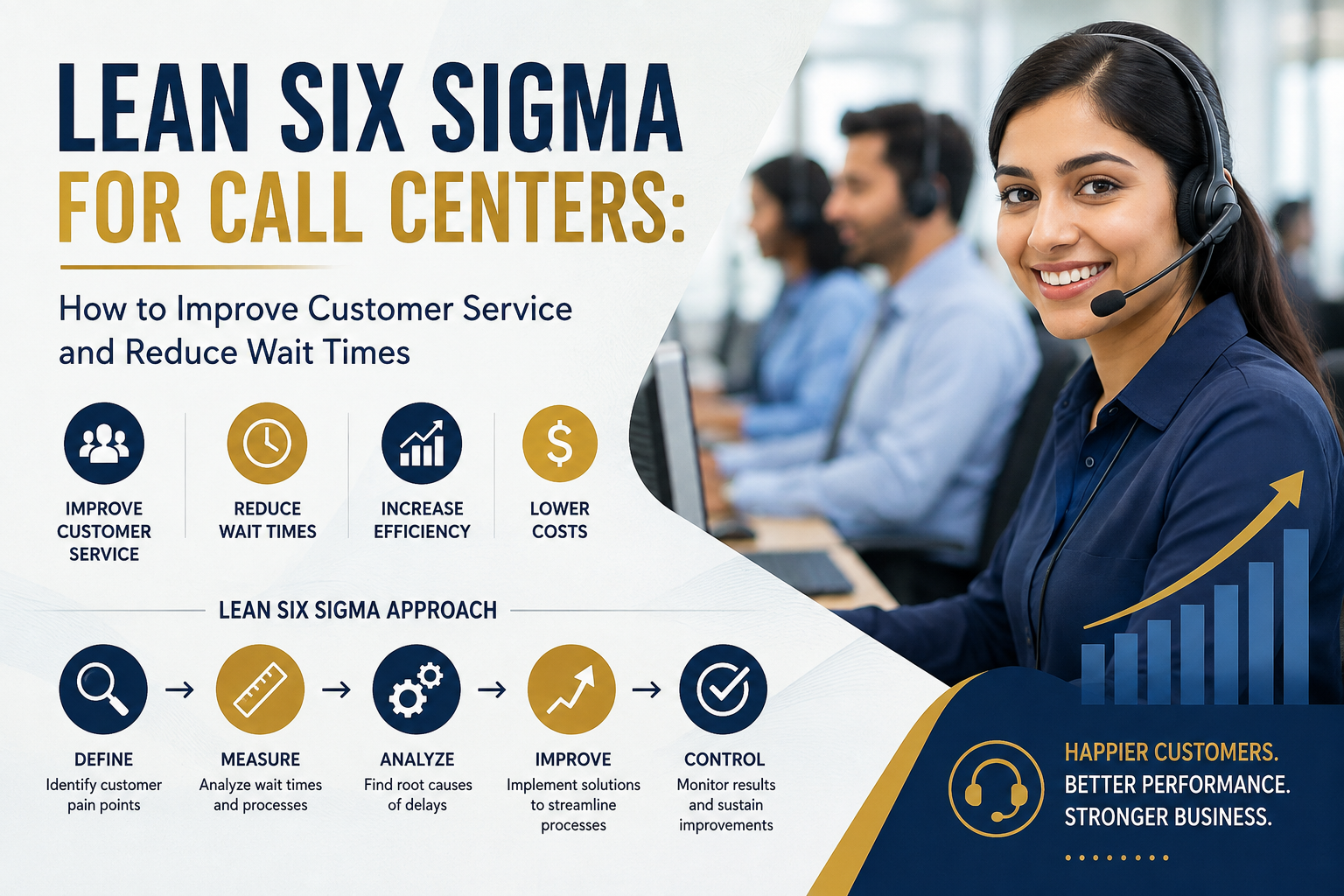
Lean Six Sigma for IT and Software Development Teams In the fast-paced world of technology, where software applications and IT solutions are crucial for business success, employing efficient methodologies can make all the difference. One such methodology that has gained popularity in the IT industry is Lean Six Sigma. This powerful combination not only enhances operational efficiency but also contributes to superior software development practices. In this blog, we will explore how Lean Six Sigma can be effectively implemented in the IT industry and software development teams. Understanding Lean Six Sigma Before delving into its application in the IT industry, it's essential to understand what Lean Six Sigma is. Lean focuses on eliminating waste and improving process flow, while Six Sigma aims to reduce variation and improve quality. Together, they provide a robust framework for improving processes, increasing efficiency, and delivering higher quality products and services. Why Lean Six Sigma in the IT Industry? The IT industry is notorious for its complexities and fast-changing environments. Software development teams often face challenges like missed deadlines, budget overruns, and quality issues. Implementing Lean Six Sigma can help in: Implementing Lean Six Sigma in Software Development Transitioning to Lean Six Sigma in software development requires a structured approach. Here are the critical steps to consider: 1. Define the Project Goals Start by clearly defining the objectives of implementing Lean Six Sigma in your team. Whether it's improving delivery times, enhancing software quality, or reducing costs, having specific goals will guide your efforts. 2. Measure Current Processes Gather data on current software development processes. Use metrics like cycle time, defect rates, and customer satisfaction to assess performance. This step is crucial for identifying areas of improvement. 3. Analyze the Data Once you have collected data, analyze it to pinpoint inefficiencies and areas that require improvement. Tools like Pareto charts, cause-and-effect diagrams, and process maps can be instrumental in this analysis. 4. Improve Processes With the insights gained from analysis, implement changes in your processes. Lean tools like value stream mapping can help visualize steps where waste can be reduced, while Six Sigma tools can assist in minimizing defects. 5. Control and Monitor After implementing improvements, it's essential to monitor the changes to ensure they yield the desired results. Use control charts and regular audits to keep track of process performance. Benefits of Lean Six Sigma in the IT Industry Adopting Lean Six Sigma methodologies in the IT sector offers numerous benefits: 1. Increased Efficiency By identifying and eliminating waste, teams can streamline their workflows, resulting in faster project completion and more efficient resource utilization. 2. Enhanced Quality With a focus on reducing defects, Lean Six Sigma helps in delivering high-quality software, which in turn leads to increased customer satisfaction and loyalty. 3. Cost Reduction Improved processes and reduced waste contribute to lower operational costs, allowing teams to allocate resources more effectively. 4. Better Team Collaboration Lean Six Sigma encourages a collaborative culture within software development teams, which is essential for problem-solving and innovation. Challenges of Implementing Lean Six Sigma in IT While the benefits are significant, implementing Lean Six Sigma in the IT industry is not without its challenges: 1. Resistance to Change Team members may be resistant to changing established processes. It’s essential to foster a culture of continuous improvement and involve everyone in the transition. 2. Training Needs For successful implementation, team members need adequate training in Lean Six Sigma methodologies. Investing in training programs can mitigate this challenge. 3. Data Availability Effective analysis requires access to accurate and comprehensive data. Ensure that data collection processes are in place before starting the Lean Six Sigma journey. Case Studies: Success Stories in the IT Industry Several organizations in India have successfully implemented Lean Six Sigma to enhance their software development processes: 1. TCS (Tata Consultancy Services) TCS utilized Lean Six Sigma to improve its software development lifecycle. By reducing cycle times and enhancing quality, they achieved faster project delivery and increased customer satisfaction. 2. Infosys Infosys adopted Lean Six Sigma to streamline its operations and reduce costs. The results were evident in their project completion rates and overall efficiency. FAQs About Lean Six Sigma in the IT Industry Q1: What is the primary goal of Lean Six Sigma in software development? The primary goal is to enhance efficiency and quality by eliminating waste and reducing defects in the software development process. Q2: How long does it take to implement Lean Six Sigma? The timeline for implementation can vary based on the organization's size and complexity, but significant improvements can often be seen within a few months. Q3: Is training necessary for Lean Six Sigma? Yes, training is crucial for team members to understand Lean Six Sigma methodologies and effectively apply them to their projects. Q4: Can Lean Six Sigma be applied to Agile methodologies? Absolutely! Lean Six Sigma complements Agile practices by enhancing efficiency and quality while maintaining flexibility in software development. Conclusion Lean Six Sigma is not just a methodology; it’s a powerhouse of transformation for IT and software development teams. By focusing on efficiency, quality, and collaboration, teams can navigate the complexities of the tech landscape with greater success. If your organization is ready to embrace Lean Six Sigma, consider starting your journey today. Call to Action: Are you interested in implementing Lean Six Sigma in your software development team? Contact us today for expert guidance and training tailored to your needs!

Pravin sahani
Jun 11, 2026
Lean Six Sigma in Banking and Financial Services

Lean Six Sigma in Banking and Financial Services In the fast-paced world of banking and financial services, operational efficiency is not just a goal; it’s a necessity. With increasing competition and the demand for superior customer service, organizations are turning to Lean Six Sigma methodologies to streamline their processes. This blog explores the integration of Six Sigma banking and lean banking process improvement, highlighting their significance in the Indian financial landscape. Understanding Lean Six Sigma Lean Six Sigma combines two powerful methodologies: Lean, which focuses on eliminating waste, and Six Sigma, which emphasizes reducing variation in processes. Together, they provide a comprehensive framework for improving quality and efficiency. The Importance of Lean Six Sigma in Banking The banking sector in India is undergoing significant transformation, driven by regulatory changes, technological advancements, and evolving customer expectations. Implementing Lean Six Sigma can help banks achieve: Key Lean Six Sigma Tools and Techniques for Banking To successfully implement Lean Six Sigma in banking, organizations can utilize various tools and techniques: 1. DMAIC Framework The DMAIC (Define, Measure, Analyze, Improve, Control) framework is essential for process improvement. In a banking context: 2. Value Stream Mapping This tool helps visualize the flow of materials and information in banking processes. By mapping out the current state, banks can identify bottlenecks and areas of waste, facilitating targeted improvements. 3. Root Cause Analysis Understanding the underlying causes of issues is vital. Techniques such as the 5 Whys or Fishbone Diagram can help bankers pinpoint problems that lead to inefficiencies. Implementing Lean Six Sigma in Indian Banks For Indian banks, the implementation of Lean Six Sigma requires a structured approach: 1. Leadership Commitment Successful implementation starts at the top. Bank leadership must champion Lean Six Sigma initiatives, providing the necessary resources and support to employees. 2. Training and Development Investing in training programs for employees is crucial. By equipping staff with Lean Six Sigma skills, banks can build a culture of continuous improvement. 3. Pilot Projects Before a full-scale rollout, conducting pilot projects in specific departments allows banks to test and refine their Lean Six Sigma strategies. Case Studies: Success Stories in Lean Six Sigma Banking Several Indian banks have successfully implemented Lean Six Sigma, showcasing its effectiveness: 1. ICICI Bank ICICI Bank adopted Lean Six Sigma to enhance its loan processing system. By streamlining workflows and reducing processing times, the bank significantly improved customer satisfaction and reduced operational costs. 2. HDFC Bank HDFC Bank utilized Lean Six Sigma techniques to improve its service delivery in branches. The bank mapped out customer interactions and identified key areas for improvement, resulting in faster service times and increased customer loyalty. Challenges in Implementing Lean Six Sigma in Banking While Lean Six Sigma offers numerous benefits, banks may face challenges during implementation: 1. Resistance to Change Employees may be resistant to new processes and methodologies. Effective change management strategies and communication are crucial to overcoming this barrier. 2. Data Availability Access to accurate and timely data is vital for Lean Six Sigma initiatives. Banks must invest in technology that supports data collection and analysis. Future Trends in Lean Six Sigma for Banking As the banking industry evolves, so will the application of Lean Six Sigma. Future trends include: FAQs about Lean Six Sigma in Banking What is Lean Six Sigma? Lean Six Sigma is a methodology that combines Lean principles, which focus on eliminating waste, with Six Sigma, which emphasizes reducing variation and improving quality. How can Lean Six Sigma benefit banks? Implementing Lean Six Sigma helps banks enhance customer satisfaction, reduce operational costs, and improve compliance with regulations. What tools are used in Lean Six Sigma? Common tools include the DMAIC framework, Value Stream Mapping, and Root Cause Analysis techniques. Is Lean Six Sigma suitable for all banks? Yes, Lean Six Sigma can be tailored to fit the specific needs and processes of any bank, regardless of size or market segment. Conclusion In an era where efficiency and customer satisfaction are paramount, Lean Six Sigma provides banking and financial services organizations with a structured approach to enhance their operations. By embracing six sigma banking principles and focusing on lean banking process improvement, Indian banks can not only thrive in a competitive landscape but also ensure sustained growth and customer loyalty. If you’re ready to transform your bank’s operations with Lean Six Sigma, contact us today for expert guidance and training programs tailored to your institution’s needs!

Pravin sahani
Jun 11, 2026
Lean Six Sigma in Healthcare: Improving Patient Experience and Operational Efficiency

Lean Six Sigma in Healthcare: Improving Patient Experience and Operational Efficiency In the ever-evolving landscape of healthcare, hospitals and medical institutions in India are continually seeking innovative strategies to enhance patient care while managing costs effectively. One such strategy that has gained significant traction is the implementation of Lean Six Sigma in healthcare. This powerful methodology not only improves operational efficiency but also contributes to a superior patient experience. In this blog, we will explore how Lean Six Sigma can be effectively applied in hospitals for process improvement, ultimately leading to better health outcomes and patient satisfaction. What is Lean Six Sigma? Lean Six Sigma is a methodology that combines the principles of Lean manufacturing and Six Sigma to eliminate waste and reduce variation in processes. While Lean focuses on streamlining processes by removing non-value-added activities, Six Sigma emphasizes reducing defects and improving quality. Together, they create a robust framework for operational excellence, making them highly applicable in the healthcare sector. Importance of Lean Six Sigma in Healthcare The healthcare industry is burdened with complexities, including regulatory compliance, rising costs, and an ever-increasing demand for quality care. Implementing Lean Six Sigma can significantly impact hospitals by: How Lean Six Sigma Can Transform Hospital Processes 1. Identifying and Analyzing Problems The first step in implementing Lean Six Sigma is to identify areas that require improvement. This could include long patient wait times, high readmission rates, or inefficient billing processes. By using data-driven analysis, healthcare providers can pinpoint specific issues affecting patient care. 2. Designing Solutions Once problems are identified, the next step is designing targeted solutions. This involves brainstorming potential changes and improvements, such as redesigning patient flow, implementing new technologies, or refining staff training programs. The goal is to create a streamlined process that minimizes waste and maximizes quality. 3. Implementing Changes Implementation requires careful planning and communication. It’s essential to involve all stakeholders, including healthcare professionals and administrative staff, to ensure a smooth transition. Training sessions and workshops can be organized to familiarize staff with the new processes and methodologies. 4. Monitoring and Sustaining Improvements After implementing changes, continuous monitoring is crucial. This ensures that improvements are sustained over time and allows for adjustments as necessary. Data collection and analysis play a significant role in this phase, providing insights into the effectiveness of the implemented solutions. Case Studies: Successful Implementation of Lean Six Sigma in Indian Hospitals Several hospitals in India have successfully adopted Lean Six Sigma to achieve remarkable results. Here are a couple of real-world examples: Case Study 1: Apollo Hospitals Apollo Hospitals implemented Lean Six Sigma to enhance its patient admission process. By analyzing the entire process, they identified bottlenecks and unnecessary steps that contributed to longer wait times. After redesigning the admission workflow, Apollo Hospitals experienced a 30% reduction in patient wait times, leading to improved patient satisfaction scores. Case Study 2: Fortis Healthcare Fortis Healthcare focused on reducing medication errors through Lean Six Sigma. By standardizing processes and implementing a robust checking system, they significantly decreased medication errors, resulting in safer patient outcomes and increased trust among patients and their families. Challenges in Implementing Lean Six Sigma in Healthcare While the benefits of Lean Six Sigma are substantial, several challenges may arise during implementation: Frequently Asked Questions (FAQs) 1. What is the primary goal of Lean Six Sigma in healthcare? The primary goal of Lean Six Sigma in healthcare is to improve patient care by enhancing operational efficiency, reducing waste, and minimizing errors in processes. 2. How long does it take to implement Lean Six Sigma in a hospital? The timeline for implementing Lean Six Sigma varies based on the size and complexity of the hospital, but initial changes can often be observed within a few months. Full implementation may take a year or more. 3. Is Lean Six Sigma only applicable to large hospitals? No, Lean Six Sigma can be implemented in healthcare facilities of all sizes, including small clinics and community hospitals. The principles can be adapted to fit the specific needs and capacities of any institution. 4. What training is required for staff to implement Lean Six Sigma? Staff training can range from basic awareness programs to comprehensive training sessions on Lean Six Sigma principles and tools. Many hospitals engage external consultants for specialized training. Conclusion Lean Six Sigma presents a transformative opportunity for healthcare providers in India to improve patient experiences and operational efficiency. By embracing this methodology, hospitals can streamline processes, reduce waste, and deliver higher-quality care to patients. As the healthcare landscape continues to evolve, adopting Lean Six Sigma will be crucial for hospitals aiming to stay competitive and meet the needs of their patients effectively. Call to Action If you are a healthcare provider looking to enhance your hospital's processes and improve patient satisfaction, consider implementing Lean Six Sigma today. For more information and expert guidance, contact us to learn how we can help you achieve operational excellence in your hospital.

Pravin sahani
Jun 11, 2026
Lean Six Sigma for Supply Chain Management: Reducing Delays and Costs

Lean Six Sigma for Supply Chain Management: Reducing Delays and Costs In the rapidly evolving world of supply chain management, efficiency and cost-effectiveness are paramount. The integration of Lean Six Sigma principles can dramatically enhance your supply chain process improvement strategies. This blog explores how Lean Six Sigma can help businesses in India optimize their logistics and reduce delays and costs. Understanding Lean Six Sigma Lean Six Sigma is a methodology that combines Lean manufacturing principles and Six Sigma techniques to improve performance by systematically removing waste and reducing variation. By eliminating inefficiencies, organizations can streamline their operations and enhance quality, which is crucial in today’s competitive market. The Importance of Lean Six Sigma in Supply Chain Management For Indian businesses, adopting Lean Six Sigma in supply chain management offers several advantages: Implementing Lean Six Sigma in Your Supply Chain To effectively implement Lean Six Sigma in your supply chain, consider the following steps: 1. Define Your Goals Identify specific goals related to your supply chain process improvement. Whether it’s reducing lead times, improving order accuracy, or minimizing inventory costs, having clear objectives will guide your efforts. 2. Measure Current Performance Collect data on your current supply chain processes. This could include metrics such as delivery times, defect rates, and inventory turnover. Understanding where you stand is crucial for identifying areas for improvement. 3. Analyze the Data Utilize statistical tools to analyze the collected data. Look for patterns and root causes of inefficiencies. This analysis will provide insights into where Lean Six Sigma can be most effectively applied. 4. Improve Processes Implement improvements based on your analysis. This could involve redesigning workflows, adopting new technologies, or training staff on Lean Six Sigma principles. The goal is to create more efficient and effective processes. 5. Control and Sustain Improvements Establish control measures to ensure that the improvements are sustained over time. Regularly review performance metrics to identify any deviations from the desired outcomes and make necessary adjustments. Logistics Optimization Through Lean Six Sigma Logistics is a critical component of the supply chain, and Lean Six Sigma can bring about significant improvements in this area: Streamlined Transportation By analyzing transportation routes and methods, businesses can identify inefficiencies and reduce transportation costs. Lean Six Sigma encourages the use of data to optimize delivery routes and improve transportation efficiency. Inventory Management Lean Six Sigma helps in optimizing inventory levels. By reducing excess inventory and implementing just-in-time practices, businesses can lower holding costs and minimize waste. Supplier Collaboration Working closely with suppliers can lead to enhanced quality and reduced lead times. Lean Six Sigma promotes a culture of collaboration, which is essential for effective supply chain management. Real-World Examples of Lean Six Sigma in Action Many Indian companies have successfully implemented Lean Six Sigma in their supply chains, resulting in remarkable improvements: Case Study: Tata Steel Tata Steel adopted Lean Six Sigma to streamline its supply chain processes. By focusing on waste reduction and process optimization, the company was able to significantly decrease lead times and enhance product quality. Case Study: Hindustan Unilever Hindustan Unilever implemented Lean Six Sigma in its logistics operations. The result was a marked improvement in delivery efficiency, allowing the company to meet customer demands more effectively while reducing costs. Challenges in Implementing Lean Six Sigma While the benefits of Lean Six Sigma are clear, there are challenges in implementation: Conclusion In the quest for efficiency and cost reduction, Lean Six Sigma emerges as a powerful tool for supply chain management. By focusing on process improvement and logistics optimization, Indian businesses can not only enhance their operational effectiveness but also deliver greater value to their customers. Embracing Lean Six Sigma is not just a trend; it is a strategic move towards sustainable growth and success in the competitive landscape of supply chain management. FAQs What is Lean Six Sigma? Lean Six Sigma is a methodology that combines Lean principles, which focus on eliminating waste, and Six Sigma techniques, which aim at reducing variability and improving quality. How can Lean Six Sigma improve my supply chain? By identifying inefficiencies and implementing process improvements, Lean Six Sigma can help reduce costs, enhance quality, and optimize delivery times in your supply chain. Is Lean Six Sigma applicable to all industries? Yes, Lean Six Sigma principles can be applied across various industries, including manufacturing, logistics, healthcare, and service sectors. What are some common tools used in Lean Six Sigma? Common tools include DMAIC (Define, Measure, Analyze, Improve, Control), value stream mapping, root cause analysis, and statistical process control. How long does it take to see results from Lean Six Sigma implementation? Results can vary depending on the complexity of the processes being improved. However, many organizations start seeing improvements within a few months of implementation. Call to Action Are you ready to transform your supply chain with Lean Six Sigma? Contact us today to learn how we can help you implement effective supply chain process improvement strategies tailored to your business needs. Let’s work together to optimize your logistics and drive down costs!

Pravin sahani
Jun 02, 2026
Resume Mistakes That Stop You from Getting Interviews and How to Fix Them

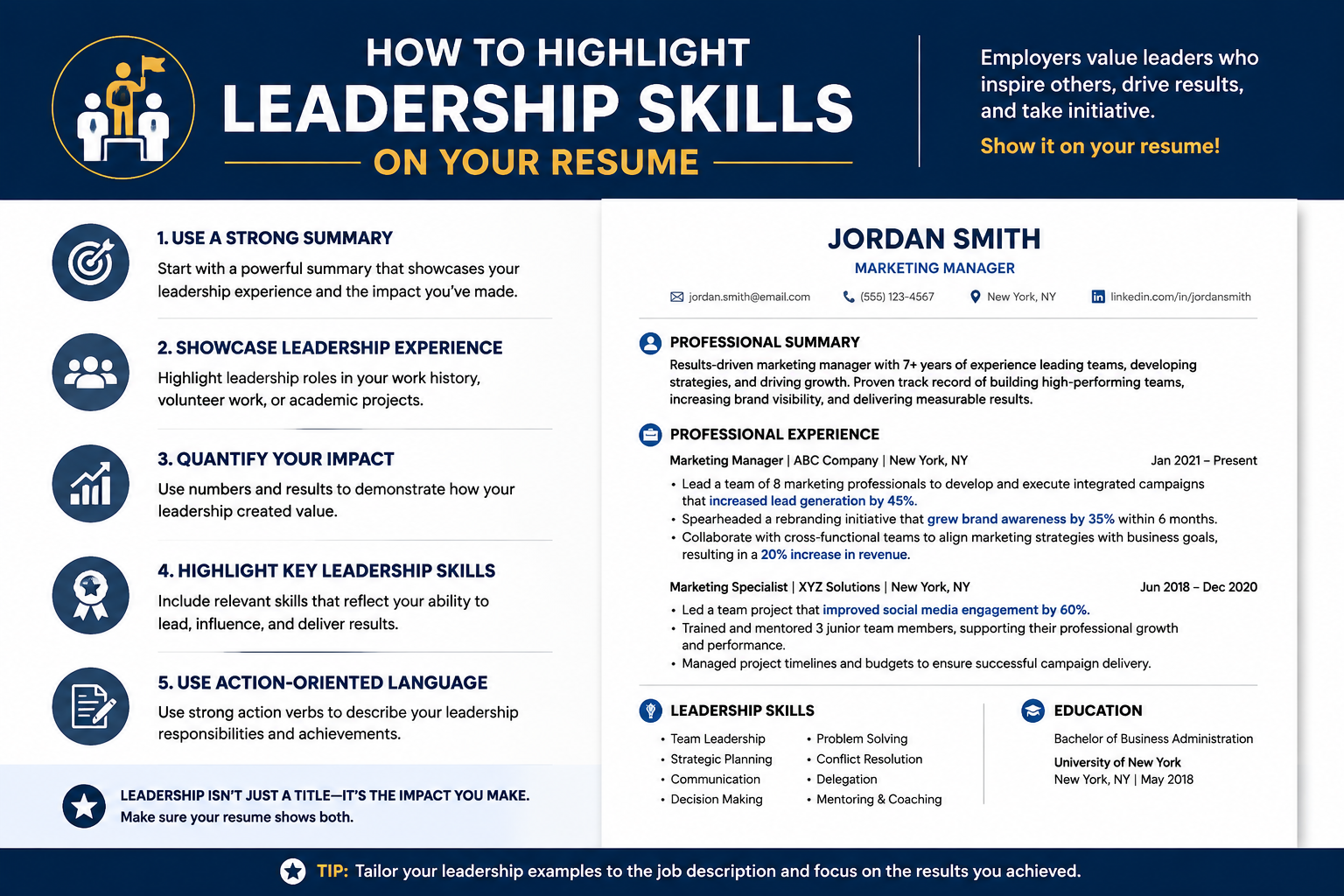
Resume Mistakes That Stop You from Getting Interviews and How to Fix Them Your resume is your first impression to potential employers, and in today's competitive job market, it is crucial to make it count. Unfortunately, common resume mistakes can prevent you from getting the interviews you deserve. In this blog, we’ll delve into the typical pitfalls that lead to resume rejection and provide you with professional resume tips to optimize and improve your resume. Understanding Common Resume Mistakes Before we explore how to fix these issues, let’s first identify the common resume mistakes that could be sabotaging your job search: 1. Generic Resumes One of the most significant resume mistakes is submitting a generic resume for every job application. Employers can easily spot a one-size-fits-all approach, which can lead to rejection. Tailoring your resume to match the job description not only demonstrates your genuine interest but also highlights your relevant skills. 2. Poor Formatting and Design Another common issue is poor formatting. A cluttered layout, inconsistent fonts, and distracting colors can make your resume hard to read and unprofessional. A clean, easy-to-read design is essential for effective resume optimization. 3. Spelling and Grammar Errors Spelling and grammar mistakes can be detrimental to your chances of getting an interview. Such errors can convey a lack of attention to detail, prompting employers to question your professionalism. Always proofread your resume multiple times, and consider using tools like Grammarly for assistance. 4. Irrelevant Information Including irrelevant work experience or skills can clutter your resume and divert attention from your most significant achievements. Focus on showcasing experiences that relate directly to the job you are applying for. 5. Not Highlighting Achievements Many candidates make the mistake of simply listing their responsibilities instead of highlighting their achievements. Use quantifiable results to showcase your contributions. For instance, rather than saying “managed a team,” you could say “led a team of 10 to increase sales by 20% over six months.” This can significantly improve your resume. How to Improve Your Resume Now that we’ve identified common resume mistakes, let’s discuss how to make impactful improvements to your resume: 1. Tailor Your Resume for Each Job Application Start by carefully reading the job description and identifying key skills and experiences the employer is looking for. Use these keywords naturally in your resume to demonstrate that you are a perfect fit for the role. 2. Utilize Professional Formatting Choose a clean, professional template that is easy to read. Use standard fonts like Arial or Times New Roman and keep font sizes between 10 and 12 points. Ensure consistent spacing and alignment to enhance readability. 3. Proofread and Edit Take the time to thoroughly proofread your resume. Look for spelling, grammar, and punctuation errors. Have a friend or a mentor review it as well; a fresh pair of eyes can catch mistakes you might have missed. 4. Focus on Relevant Experience When listing your work experience, focus on the roles and responsibilities that are most relevant to the job you are applying for. Remove any outdated or less relevant jobs that do not add value to your application. 5. Quantify Your Achievements Use metrics to present your achievements. Rather than just listing tasks, include numbers and results that demonstrate your success. For example: “Increased customer satisfaction ratings from 75% to 95% in one year.” This approach is not only more impactful but also makes your resume stand out. Professional Resume Tips for Indian Job Seekers In India, the job market can be particularly competitive. Here are some additional professional resume tips tailored for the Indian audience: 1. Include a Professional Summary A professional summary at the top of your resume can provide a snapshot of your qualifications and career goals. This section should be concise, highlighting your skills and what you can bring to the company. 2. Use Keywords Strategically Employers often use Applicant Tracking Systems (ATS) to filter resumes. Incorporate industry-specific keywords that align with the job description. This will enhance your chances of getting noticed in the initial screening process. 3. Mention Certifications and Courses In a fast-evolving job market, additional certifications and courses can set you apart. Mention any relevant courses, certifications, or workshops that can demonstrate your commitment to professional development. 4. Keep It Concise Your resume should ideally be one page, especially if you have less than 10 years of experience. Focus on the most relevant information and avoid unnecessary details that may dilute your message. FAQs About Resume Mistakes What is the most common mistake people make on their resumes? The most common mistake is using a generic resume for multiple job applications, which fails to highlight relevant skills and experiences tailored to each position. How can I make my resume stand out? To make your resume stand out, tailor it for each job application, use quantifiable achievements, and maintain a clean and professional format. Is it necessary to include a cover letter with my resume? While not always required, a well-crafted cover letter can enhance your application and provide additional context about your skills and experiences. How long should my resume be? For most job seekers, especially those with less than a decade of experience, a one-page resume is ideal. However, if you have extensive experience or need to cover multiple roles, two pages may be acceptable. Conclusion By avoiding common resume mistakes and implementing effective resume improvement strategies, you can increase your chances of landing interviews. Remember, your resume is your ticket to your dream job, so take the time to craft it thoughtfully. Use the professional resume tips provided in this blog to optimize your resume, making it stand out in a crowded job market. If you need further assistance or personalized help in optimizing your resume, don’t hesitate to reach out to our professional resume writing services. Let us help you create a resume that opens doors to your career opportunities! Call to Action: Ready to give your resume the boost it needs? Contact us today for expert resume writing services that can help you land your next interview!

Pravin sahani
Jun 02, 2026
Resume vs CV vs LinkedIn Profile: What Job Seekers Need to Know

Resume vs CV vs LinkedIn Profile: What Job Seekers Need to Know In the competitive job market of India, having a strong application can make all the difference in securing your dream job. Whether you’re a fresh graduate or an experienced professional, understanding the nuances between a resume, CV, and LinkedIn profile is crucial. This article delves into the resume vs CV debate and explores how to optimize your LinkedIn profile for better visibility. We'll also touch upon CV writing services and LinkedIn profile optimization services that can help elevate your job search. Understanding the Basics: Resume vs CV What is a Resume? A resume is a concise document, typically one to two pages, that outlines your work experience, skills, and education tailored specifically for a job application. In India, resumes are often formatted to highlight the most relevant information for the job you are applying for, ensuring that hiring managers can quickly assess your qualifications. What is a CV? A Curriculum Vitae (CV), on the other hand, is a detailed document that can span several pages, providing a comprehensive overview of your career. It includes not just work experience and education, but also publications, research, awards, and other professional achievements. CVs are commonly used in academic, medical, and research positions. The Key Differences Between Resume and CV Why You Need a LinkedIn Profile What is a LinkedIn Profile? LinkedIn is a professional networking platform that allows you to showcase your career history, skills, and professional interests. It serves as an online extension of your resume and CV, providing a broader platform for networking and job searching. Importance of a LinkedIn Profile In today’s digital age, a strong LinkedIn profile can significantly enhance your job search. Recruiters often use LinkedIn to find candidates, and a well-optimized profile can make you more visible to potential employers. It's also a great way to network with industry professionals and stay updated on job openings. Difference Between Resume and LinkedIn Profile While both a resume and a LinkedIn profile serve the purpose of showcasing your professional journey, they differ in several ways: Maximizing Your Job Search: Tips for Resume, CV, and LinkedIn Profile Optimizing Your Resume Here are some tips for crafting an effective resume: Crafting a Comprehensive CV To create an impactful CV, consider the following: Optimizing Your LinkedIn Profile To enhance your LinkedIn profile, apply these strategies: CV Writing Services and LinkedIn Profile Optimization Services If you're struggling to create an impactful resume or CV, consider using CV writing services. These services employ professionals who understand industry standards and can help you present your qualifications effectively. Similarly, LinkedIn profile optimization services can help you enhance your online presence. These services typically include keyword optimization, formatting, and even personal branding strategies to attract recruiters. Choosing the Right Service for You Before opting for any service, it’s essential to research and choose one that aligns with your career goals. Look for services that offer personalized consultations, have positive reviews, and provide samples of their work. This will help ensure that you receive a product that meets your expectations. FAQs 1. Can I use my resume for my LinkedIn profile? While you can use your resume as a base for your LinkedIn profile, it's best to adapt it. LinkedIn allows for more storytelling and networking opportunities, so ensure to expand on your experiences and engage with your network. 2. How often should I update my LinkedIn profile? It’s a good practice to update your LinkedIn profile whenever you change jobs, acquire new skills, or complete significant projects. Regular updates keep your profile relevant and attractive to potential employers. 3. What should I include in my CV that is not in my resume? Your CV can include sections like publications, research projects, conferences attended, and awards received, which are typically not included in a resume. 4. Is it necessary to have both a CV and a resume? It depends on your career goals. If you're applying for academic or research positions, a CV is essential. For most corporate jobs, a resume suffices. 5. How can I improve my chances of being noticed by recruiters on LinkedIn? Regularly post industry-related content, engage with others in your field, and ensure that your profile is complete with a professional photo, an engaging summary, and endorsements for your skills. Conclusion In summary, understanding the differences between a resume vs CV and how to optimize your LinkedIn profile is key for any job seeker in India. Each document serves a unique purpose and should be tailored for the specific job or industry you are targeting. If you feel overwhelmed, consider utilizing CV writing services or LinkedIn profile optimization services to ensure that you stand out in a crowded job market. Ready to take your job search to the next level? Contact us today for professional CV writing and LinkedIn profile optimization services that can make a difference!

Pravin sahani
Jun 02, 2026
Resume Building for Freshers: How to Create a Professional Resume Without Experience

Resume Building for Freshers: How to Create a Professional Resume Without Experience Starting your career can be both exciting and daunting, especially when it comes to crafting that all-important resume. For freshers, the challenge often lies in creating an impactful resume without prior work experience. However, with the right guidance and a well-structured approach, you can build a resume that showcases your strengths and makes you stand out to potential employers. In this blog, we will explore effective resume building strategies specifically tailored for students and entry-level job seekers in India. Understanding the Importance of a Strong Resume Your resume is your first impression on potential employers. It serves as a marketing tool that highlights your skills, education, and achievements. A professional resume can set you apart from other candidates, even if you lack formal work experience. Therefore, understanding how to create a resume for freshers is crucial. Key Elements of a Fresher Resume Format When it comes to building a fresher resume format, there are several essential elements that every entry-level resume should include: 1. Contact Information Always start your resume with your contact details. Include your full name, phone number, email address, and LinkedIn profile (if applicable). Make sure this information is up-to-date and professional. 2. Objective Statement Your objective statement should clearly define your career goals and what you hope to achieve in your first job. Keep it concise and relevant to the position you're applying for. For example, "Motivated B.Com graduate seeking an entry-level position in finance to utilize analytical skills and contribute to team success." 3. Education As a fresher, your educational background is likely your strongest asset. List your degrees, institutions, and graduation dates. If you have a high GPA or relevant coursework, consider including that information as well. 4. Skills Section Highlighting your skills is essential for any resume building for students. Focus on both hard and soft skills that are relevant to the job. Examples include communication, teamwork, analytical thinking, proficiency in software, and industry-specific skills. 5. Internships and Projects If you have completed any internships or academic projects, list them here. Provide a brief description of your role and contributions. This section can showcase your practical experience even if it isn't formal employment. 6. Certifications and Online Courses In today's competitive job market, additional certifications can make your resume stand out. Include relevant online courses, workshops, or certifications that enhance your qualifications. 7. Extra-Curricular Activities and Achievements Employers appreciate candidates who are well-rounded. Mention any leadership roles, participation in clubs, or volunteer work that demonstrates your initiative and ability to work in a team. 8. References Including references can add credibility to your resume. If you have professors, internship supervisors, or mentors who can vouch for your skills and character, consider listing them. Ensure you seek their permission first. How to Make a Resume for Freshers: Step-by-Step Guide Creating a resume may seem overwhelming, but breaking it down into manageable steps can simplify the process. Here’s a step-by-step guide on how to make a resume for freshers: Step 1: Choose the Right Format There are several resume formats to choose from, including chronological, functional, and combination formats. For freshers, a chronological format is often the preferred choice, as it highlights your education and relevant experiences in a straightforward manner. Step 2: Tailor Your Resume for Each Job Customize your resume for each position you apply for. Use keywords from the job description and align your skills and experiences with what the employer is seeking. This not only makes your resume more relevant but also helps you pass through Applicant Tracking Systems (ATS) used by many companies. Step 3: Use Action Words When describing your experiences and achievements, use strong action verbs such as "developed," "designed," "managed," and "analyzed." This adds impact to your resume and demonstrates your proactive approach. Step 4: Keep It Concise Your resume should ideally be one page long, especially if you are a fresher. Be concise and only include information that is relevant to the job you are applying for. Avoid clutter and ensure that your layout is clean and easy to read. Step 5: Proofread and Edit Typos and grammatical errors can create a negative impression. Always proofread your resume multiple times and consider asking a friend or mentor to review it as well. Tips for an Impressive Fresher Resume Here are some additional tips to enhance your fresher resume: 1. Use Professional Fonts and Layout Choose a simple, professional font and maintain consistent formatting throughout your resume. Avoid excessive colors or graphics that may distract from the content. 2. Highlight Relevant Experience If you have limited work experience, focus on any part-time jobs, internships, or volunteer experiences that are relevant to your desired field. Even experience unrelated to your field can demonstrate transferable skills. 3. Research the Company Before applying, research the company culture and values. Tailor your resume to reflect how your skills and experiences align with their mission and goals. 4. Keep It Honest Never fabricate experiences or skills on your resume. Honesty is crucial, as any discrepancies can be easily uncovered during the interview process. FAQs About Resume Building for Freshers 1. What is the ideal length for a fresher resume? The ideal length for a fresher resume is one page. This ensures that your resume is concise and easy to read. 2. How can I make my resume stand out without experience? Focus on your skills, education, internships, projects, and extracurricular activities. Tailor your resume to each job application and highlight any relevant achievements. 3. Should I include a photo on my resume? In India, it is common to include a professional photo on your resume, but ensure that it is appropriate and of high quality. However, always check the company’s culture or guidelines first. 4. Can I use a resume template? Yes, using a resume template can help you structure your resume effectively. Just make sure to customize it with your information and avoid using overly complex designs. 5. What should I do if I have gaps in my education or experience? If you have gaps, focus on what you did during that time, such as online courses, volunteering, or personal projects. Highlight the skills you gained during those periods. Conclusion Building a professional resume without experience is entirely possible with the right approach. By focusing on your education, skills, and relevant experiences, you can create a compelling resume that will catch the attention of employers. Remember to tailor your resume for each application, keep it concise, and proofread for errors. With these tips and strategies, you will be well on your way to landing that first job. Start working on your resume for freshers today, and take the first step toward your professional journey! Call to Action Ready to create your standout fresher resume? Download our free fresher resume template and get started now! Visit our website to access more resources and tips on resume building for students. Your dream job awaits!

Pravin sahani
Jun 02, 2026
ATS Resume Explained: How to Create an ATS-Friendly Resume That Gets Selected

ATS Resume Explained: How to Create an ATS-Friendly Resume That Gets Selected In today's competitive job market, crafting an effective resume is crucial to landing your dream job. With many companies relying on Applicant Tracking Systems (ATS) to filter resumes, understanding how to create an ATS-friendly resume has become essential. In this guide, we’ll explore the intricacies of an ATS resume, how to format it, and provide you with tips and examples to ensure your resume gets noticed. What is an ATS Resume? An ATS resume is a document that is formatted and optimized to be read by an Applicant Tracking System. These systems scan resumes for specific keywords, skills, and qualifications, helping recruiters streamline the hiring process. If your resume is not ATS optimized, it may never reach human eyes, regardless of how qualified you are. Why is an ATS-Friendly Resume Important? In India, many companies, especially larger organizations, use ATS software to manage the influx of applications. An ATS-friendly resume increases your chances of being selected for interviews. Here are a few reasons why you should focus on creating an ATS resume: How to Make an ATS-Friendly Resume Creating an ATS-friendly resume involves paying attention to various aspects, including formatting, keyword usage, and overall content. Here’s a step-by-step guide on how to make an ATS-friendly resume. 1. Use Standard ATS Resume Formats While you may be tempted to use creative designs, it's best to stick with standard formats like chronological or functional resumes. An ATS resume format typically includes the following sections: Using a simple layout with clear headings makes it easier for the ATS to parse your information. 2. Incorporate Relevant Keywords Job descriptions are a goldmine for keywords that you should include in your ATS resume. Identify the key skills and qualifications mentioned in the job listing and weave those naturally into your resume. For instance, if the job description mentions "project management" and "data analysis," ensure these phrases appear in your relevant experience or skills section. 3. Use Standard Fonts and Sizes Choose common fonts like Arial, Calibri, or Times New Roman in sizes 10 to 12. Avoid using headers and footers, as ATS systems may not read them correctly. Stick to black text on a white background for optimal readability. 4. Avoid Graphics and Images ATS systems struggle to interpret graphics, images, and complex formatting. Therefore, refrain from using logos, charts, or images in your resume. Keep it text-based to ensure your information is accurately scanned. 5. Tailor Your Resume for Each Job Application One of the best practices in resume optimization for ATS is to tailor your resume for each job application. Modify your skills and work experience to reflect the requirements of the specific job. This increases your chances of matching the ATS criteria and getting selected for an interview. 6. Use ATS Resume Templates Using an ATS resume template can save you time and guide you in formatting your resume correctly. Look for templates that emphasize clarity and organization. Many online resources offer free ATS resume templates tailored for various professions. 7. Optimize Your Work Experience Section Your work experience is one of the most critical sections of your resume. List your jobs in reverse chronological order, including your job title, company name, location, and dates of employment. Use bullet points to describe your responsibilities and achievements, and ensure that you incorporate relevant keywords. ATS Resume Examples Here are a few examples of how to structure your ATS resume effectively: Example 1: Chronological ATS Resume John Doe Email: johndoe@email.com Phone: 123-456-7890 Location: Mumbai, India Professional Summary: Results-driven marketing professional with over 5 years of experience in digital marketing and brand management. Proven ability to enhance brand visibility and drive sales through innovative marketing strategies. Work Experience: Marketing Manager ABC Company, Mumbai January 2020 – Present Digital Marketing Executive XYZ Ltd., Mumbai June 2018 – December 2019 Example 2: Functional ATS Resume Rita Sharma Email: ritasharma@email.com Phone: 987-654-3210 Location: Bangalore, India Professional Summary: Detail-oriented software engineer with a strong foundation in programming, problem-solving, and collaboration. Experienced in developing scalable applications and working in Agile environments. Skills: Work Experience: Software Developer Tech Solutions, Bangalore March 2020 – Present Common Mistakes to Avoid When Creating an ATS Resume To ensure your ATS resume gets selected, avoid these common mistakes: FAQs About ATS Resumes 1. What is the best ATS resume format? The best ATS resume format is typically a chronological or functional layout that uses standard fonts, avoids graphics, and clearly labels sections. 2. How do I know if my resume is ATS-friendly? You can test the ATS compatibility of your resume by using online tools that analyze your document against common ATS criteria or by manually checking for formatting issues. 3. Can I use creative designs in my resume? While creative designs may look appealing, they often hinder ATS scanning. It’s best to stick to a simple, clear format. 4. How often should I tailor my resume? Every time you apply for a new job, you should tailor your resume to align with the specific job description and requirements. Conclusion Creating an ATS-friendly resume is essential in today's job market, particularly in India, where many companies utilize these systems for screening candidates. By following the steps outlined in this guide—selecting the right ATS resume format, incorporating relevant keywords, and optimizing your content—you can significantly improve your chances of landing interviews. Remember, a well-crafted ATS optimized resume not only gets you noticed by the system but also showcases your qualifications effectively to recruiters. Ready to create your ATS-friendly resume? Start with our free ATS resume templates today and take the first step towards your dream job!