About iQS

Empowering learners and educators with a comprehensive platform that bridges the gap between traditional and modern education. iQS inspires excellence in education and fosters growth for a brighter future.

Follow Us

Home Blogs
Pravin sahani
Jun 02, 2026
Professional Resume Building Services: Why a Strong Resume Helps You Get More Interviews

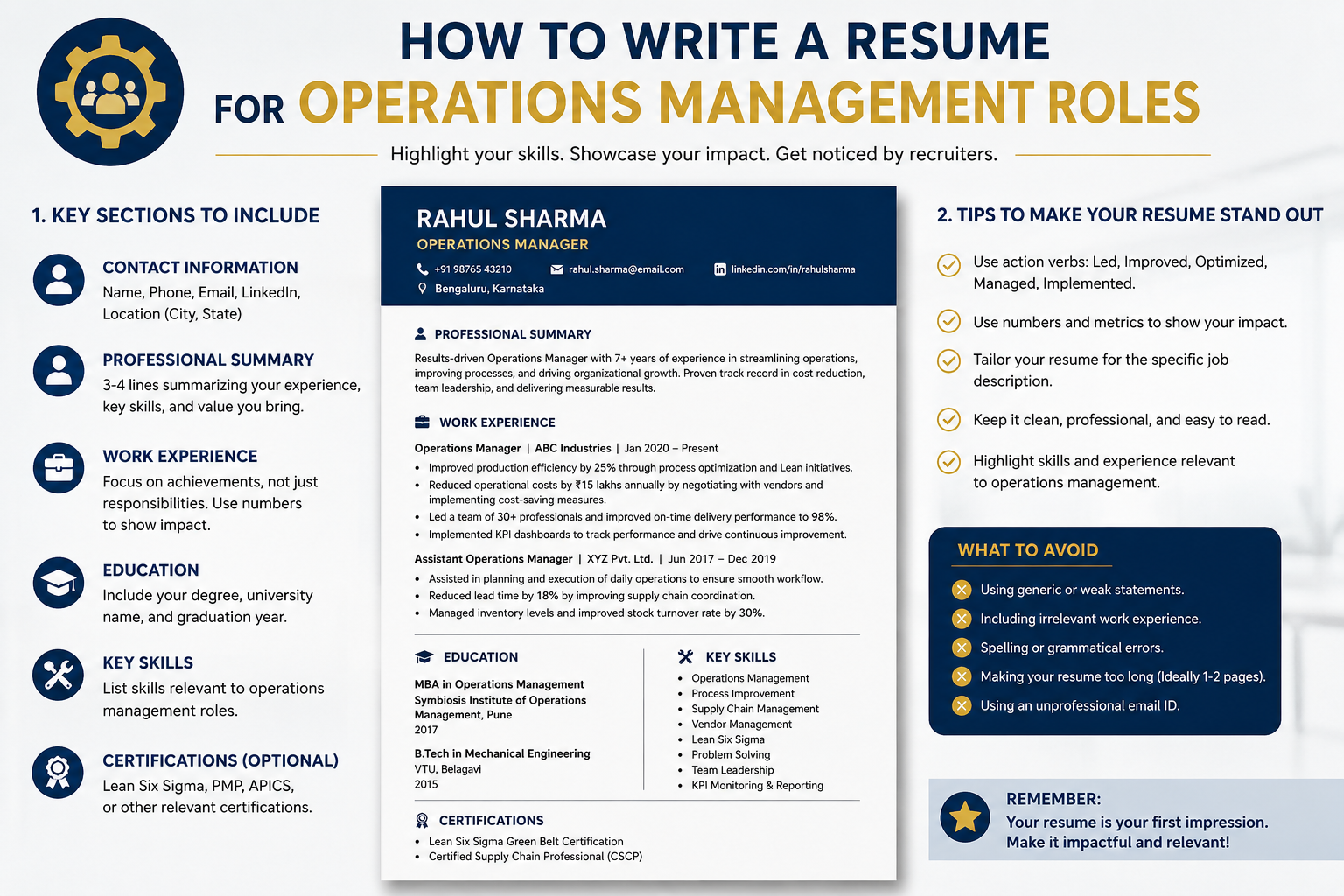
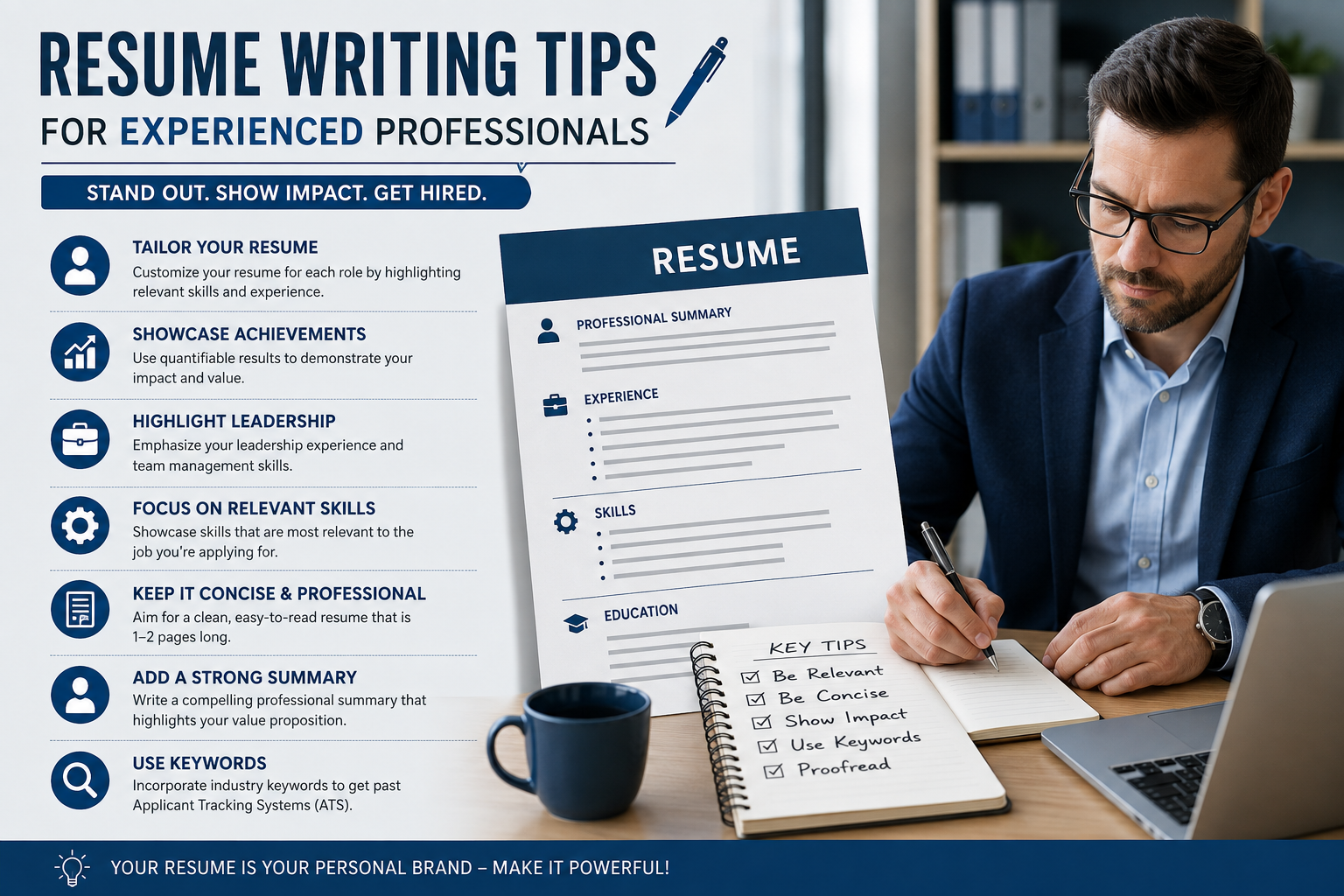
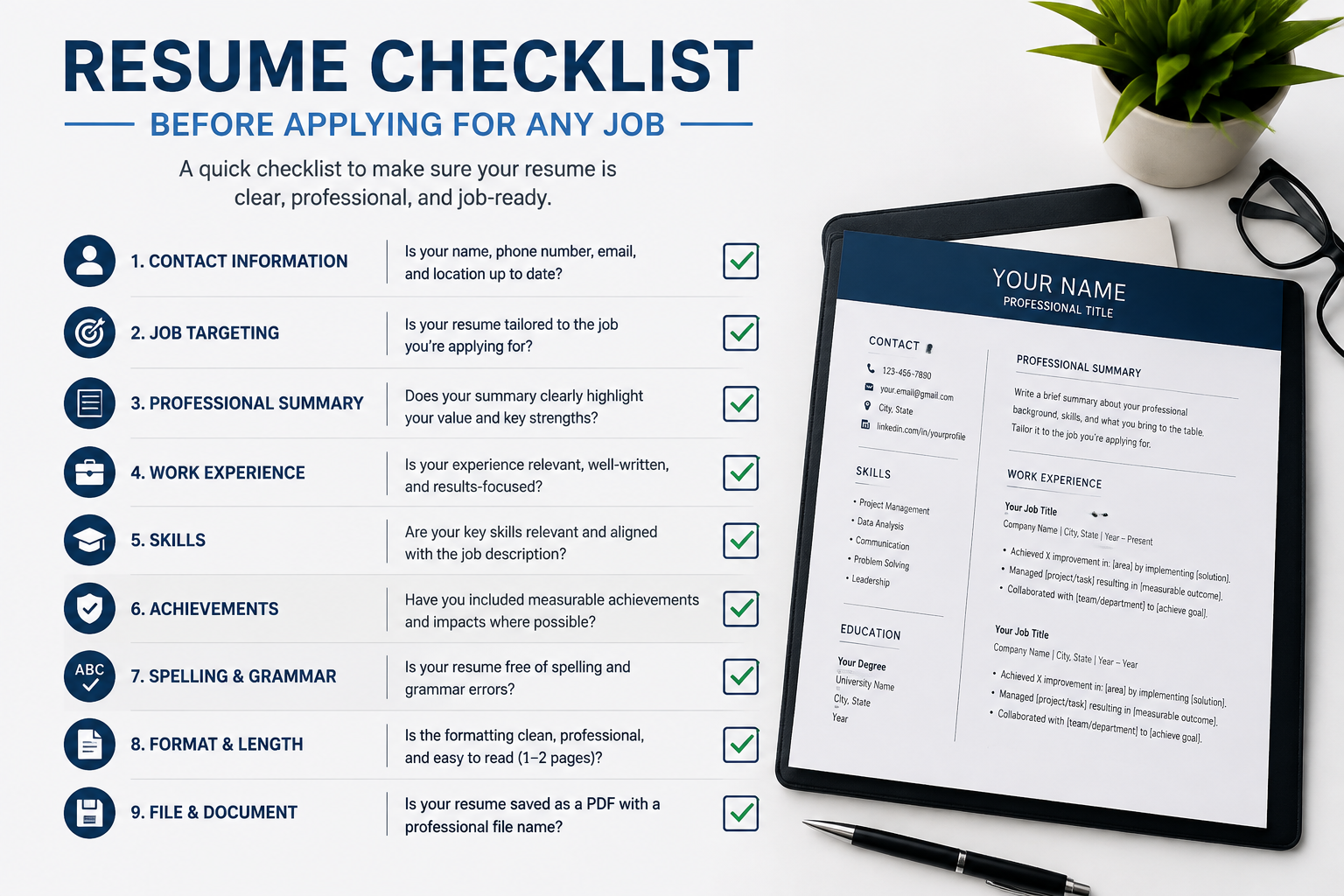
Professional Resume Building Services: Why a Strong Resume Helps You Get More Interviews In today’s competitive job market, having a strong resume is more critical than ever. It’s not just about listing your qualifications and experience; it’s about effectively showcasing your skills and achievements in a manner that captures the attention of recruiters. This is where professional resume building services come into play. If you want to enhance your chances of landing interviews, a well-crafted resume from a reputable resume writing service can make a significant difference. Understanding the Importance of a Strong Resume Your resume is often the first impression you make on potential employers. A strong resume not only highlights your qualifications but also reflects your professionalism and attention to detail. Here are a few reasons why a robust resume is essential: 1. First Impressions Matter Recruiters often spend only a few seconds reviewing a resume. A well-structured and visually appealing resume can capture their attention quickly. Professional resume writing services ensure that your resume is not only informative but also aesthetically pleasing. 2. Tailored Content for Targeted Roles Generic resumes may not effectively communicate your fit for a particular role. Professional resume development services can help tailor your resume to highlight the skills and experiences that are most relevant to the job you are applying for, increasing your chances of getting noticed. 3. Overcoming Employment Gaps and Other Challenges For many job seekers, employment gaps or frequent job changes can be a concern. A professional resume builder service can help present your career history in a way that downplays these issues while emphasizing your strengths and accomplishments. The Role of Professional Resume Writing Services Investing in resume writing services can provide you with a competitive edge. Here’s how these services can assist you: 1. Expertise in Resume Formatting Professional writers are well-versed in the latest trends and formats that employers prefer. They know how to structure your resume for maximum impact, ensuring that it's easy to read and highlights your key qualifications effectively. 2. Keyword Optimization for ATS Many companies use Applicant Tracking Systems (ATS) to filter resumes. A professional resume writing service understands the importance of incorporating relevant keywords, which can increase your chances of passing through these automated systems and reaching a human recruiter. 3. Crafting Compelling Content Professional writers can articulate your experiences and accomplishments in a way that resonates with employers. They know how to create a narrative that not only showcases your skills but also tells your professional story compellingly. Choosing the Right Resume Builder Service With numerous resume development services available, choosing the right one can be overwhelming. Here are some factors to consider: 1. Research and Reputation Look for services with positive reviews and testimonials. A reputable resume builder service should have a track record of success, helping clients land interviews and job offers. 2. Personalized Approach Every individual’s career journey is unique. A good resume writing service will take the time to understand your background, skills, and career aspirations before crafting your resume. 3. Portfolio of Samples Review samples of past work to gauge the quality of writing and the types of resumes they produce. This will give you an idea of whether their style aligns with your expectations. 4. Pricing and Turnaround Time Professional services come at various price points. Ensure that the pricing aligns with your budget while still providing the quality you need. Additionally, check their turnaround time to ensure you receive your resume promptly. Benefits of Using Professional Resume Building Services Here are some of the key benefits that come with utilizing professional resume writing services: 1. Increased Interview Opportunities With a compelling resume, your chances of being called for interviews significantly increase. Employers are more likely to consider candidates whose resumes effectively showcase their skills and experiences. 2. Time-Saving Crafting a professional resume can be time-consuming, especially if you’re not familiar with the best practices. By using a resume builder service, you can save time and focus on preparing for interviews instead. 3. Confidence Boost Knowing that you have a well-crafted resume can boost your confidence during the job application process. A strong resume can make you feel more prepared and ready to impress potential employers. 4. Access to Additional Resources Many professional resume services offer additional resources, such as interview coaching and job search advice, which can further enhance your job search strategy. FAQs about Professional Resume Building Services 1. How much do professional resume writing services cost? The cost of professional resume writing services can vary significantly based on the complexity of your resume and the level of service you choose. On average, prices can range from INR 2,000 to INR 10,000 or more. 2. How long does it take to get my resume? Turnaround times can vary by service. Generally, you can expect to receive your resume within 3 to 7 business days, but some services offer expedited options for a quicker turnaround. 3. Can I make changes to my resume later? Most professional resume writing services allow you to request revisions after the initial draft. Be sure to clarify their revision policy before committing to a service. 4. Is it worth investing in a professional resume service? Yes, for many job seekers, investing in a professional resume writing service can lead to better job opportunities and a higher likelihood of landing interviews, making it a worthwhile investment in your career. Conclusion In a world where first impressions are crucial, having a strong, professional resume is more than just a formality; it’s a vital tool in your job search arsenal. By utilizing professional resume building services, you can ensure that your qualifications are presented in the best possible light, increasing your chances of securing interviews and, ultimately, the job you desire. If you’re ready to take your career to the next level, consider investing in a professional resume writing service today. With the right support, you’ll be well on your way to landing your dream job! Call to Action: Ready to enhance your job prospects? Contact us today to learn more about our professional resume writing services and take the first step towards your career success!

Pravin sahani
Jun 02, 2026
Top Recruitment Trends in 2026: AI Hiring, Skill-Based Recruitment & Remote Workforce

Top Recruitment Trends in 2026: AI Hiring, Skill-Based Recruitment & Remote Workforce As we move deeper into 2026, the recruitment landscape in India is undergoing a significant transformation. With advancements in technology and shifting workforce dynamics, organizations are embracing new strategies to attract and retain talent. This blog will explore the top recruitment trends that are shaping the future, focusing on AI hiring, skill-based recruitment, and the remote workforce. 1. AI Hiring: Revolutionizing the Recruitment Process Artificial Intelligence (AI) is no longer a futuristic concept; it has become a fundamental part of the recruitment process. By leveraging AI-powered tools, companies can streamline their hiring processes, reduce biases, and improve candidate experiences. Here are some ways AI is transforming recruitment: 1.1 Automated Resume Screening One of the most labor-intensive tasks in recruitment is reviewing resumes. AI algorithms can quickly analyze resumes and identify candidates that match job descriptions, saving recruiters countless hours. This not only speeds up the hiring process but also ensures that qualified candidates are not overlooked. 1.2 Enhanced Candidate Matching AI tools use machine learning to match candidates based on skills, experience, and cultural fit. This data-driven approach helps companies find the right candidates more efficiently, improving the overall quality of hires. 1.3 Predictive Analytics for Talent Retention AI can also predict candidate success and turnover rates by analyzing historical data. This insight allows recruiters to make informed decisions about which candidates are likely to stay and thrive within the organization. 2. Skill-Based Recruitment: A Shift Towards Competency As the job market evolves, employers are shifting their focus from traditional qualifications to skills and competencies. This trend is particularly relevant in India, where a diverse talent pool often lacks formal educational qualifications but possesses the necessary skills. Here’s how skill-based recruitment is changing the game: 2.1 Emphasis on Practical Skills Employers are increasingly valuing practical skills over degrees. This trend has led to the rise of skill assessments and practical tests during the hiring process, allowing candidates to showcase their abilities in real-world scenarios. 2.2 Removing Educational Barriers By focusing on skills rather than educational qualifications, companies can tap into a larger talent pool, including those from non-traditional backgrounds. This inclusivity can lead to more diverse and innovative teams. 2.3 Continuous Learning and Development With the rapid pace of technological advancements, the demand for upskilling and reskilling is higher than ever. Companies are now investing in training programs to help employees develop the skills needed for future roles, ensuring that their workforce remains competitive. 3. Remote Workforce: The New Normal The COVID-19 pandemic has accelerated the adoption of remote work, and it appears to be here to stay. As organizations embrace remote hiring, several trends are emerging: 3.1 Global Talent Pool Remote work allows companies to access talent from anywhere in the world. Indian organizations can now hire skilled professionals from different countries, enhancing diversity and bringing in fresh perspectives. 3.2 Flexible Work Arrangements As employees prioritize work-life balance, flexible work arrangements have become essential. Employers are now offering hybrid models that combine remote and in-office work, catering to the needs of their workforce. 3.3 Enhanced Collaboration Tools To facilitate remote work, companies are investing in collaboration tools that enhance communication and productivity. Platforms like Slack, Zoom, and Microsoft Teams have become staples in the modern workplace, enabling seamless teamwork. 4. The Role of AI in the Recruitment Process AI in recruitment is not just about automation; it also plays a crucial role in enhancing decision-making. Here are some key aspects of AI's role in the recruitment process: 4.1 Data-Driven Insights AI tools provide valuable insights into candidate behavior, preferences, and potential fit. This data can help recruiters make informed decisions, ultimately leading to better hiring outcomes. 4.2 Reducing Bias in Hiring AI can help mitigate unconscious biases in recruitment by focusing solely on candidate qualifications rather than demographic factors. This leads to a more equitable hiring process and a diverse workforce. 4.3 Improving Candidate Experience AI-powered chatbots and virtual assistants can enhance the candidate experience by providing real-time support and feedback. This engagement not only keeps candidates informed but also reflects positively on the employer brand. 5. Latest Recruitment Trends to Watch As the recruitment landscape continues to evolve, staying updated on the latest trends is crucial for HR professionals and organizations. Here are some noteworthy trends to keep an eye on: 5.1 Gig Economy and Freelance Hiring The gig economy is booming, and organizations are increasingly hiring freelancers for short-term projects. This trend allows companies to remain agile while accessing specialized skills without the commitment of full-time employment. 5.2 Employer Branding and Candidate Experience In a competitive job market, a strong employer brand is vital. Companies are focusing on enhancing the candidate experience by showcasing their culture, values, and benefits, attracting top talent in the process. 5.3 Diversity, Equity, and Inclusion (DEI) Organizations are prioritizing diversity and inclusion in their hiring processes. By promoting DEI initiatives, companies can create a more inclusive workplace that fosters innovation and creativity. FAQs What is AI recruitment? AI recruitment refers to the use of artificial intelligence technologies to streamline and enhance the hiring process. It includes automated resume screening, candidate matching, and predictive analytics for talent retention. How does skill-based hiring work? Skill-based hiring focuses on assessing candidates based on their practical skills and competencies rather than traditional qualifications. It often involves skill assessments and tests to evaluate candidates' abilities. What are the benefits of remote workforce hiring? Remote workforce hiring allows companies to access a global talent pool, offers flexible work arrangements, and enhances employee satisfaction. It also reduces overhead costs associated with maintaining physical office spaces. Conclusion As we navigate through 2026, it’s clear that recruitment trends are evolving rapidly. Embracing AI hiring, skill-based recruitment, and the remote workforce is essential for organizations looking to thrive in a competitive job market. By staying informed of these trends and adapting their strategies, companies can attract and retain top talent, ensuring their long-term success. If you’re looking to enhance your recruitment process and stay ahead of the competition, consider implementing these trends in your hiring strategy. For more insights and assistance on navigating the latest recruitment trends, contact us today!

Pravin sahani
Jun 02, 2026
Executive Search vs Traditional Recruitment: Which Hiring Method is Better?

Executive Search vs Traditional Recruitment: Which Hiring Method is Better? In the dynamic landscape of the Indian job market, businesses are constantly on the lookout for the best talent to drive their growth. When it comes to acquiring top-tier talent, especially for leadership roles, the choice between executive search and traditional recruitment can be pivotal. This blog delves into the nuances of executive search vs. traditional recruitment, helping you understand which hiring method is better suited for your organization. Understanding Executive Search Executive search is a specialized recruitment service that focuses on identifying and attracting high-level executives and leaders for an organization. This method is particularly beneficial for businesses looking to fill senior positions, such as CEOs, GMs, or department heads. Executive search firms employ a comprehensive approach that includes market mapping, in-depth candidate assessments, and personalized outreach. They leverage their extensive networks and industry knowledge to connect with potential candidates who may not be actively seeking new opportunities. Benefits of Executive Search Traditional Recruitment: A Broader Approach Traditional recruitment encompasses a range of methods used to fill positions at various levels within an organization. This can include job postings on various platforms, recruitment agencies, and employee referrals. Traditional recruitment is often more generalized and may not focus specifically on leadership roles. Benefits of Traditional Recruitment Executive Search vs Traditional Recruitment: Key Differences Understanding the differences between executive search and traditional recruitment is crucial for tailoring your leadership hiring strategy. Here are the key distinctions: When to Choose Executive Search Services For organizations looking to enhance their leadership hiring, understanding when to opt for executive hiring services is essential. Here are some scenarios where executive search is the preferred method: When to Opt for Traditional Recruitment While executive search has its merits, traditional recruitment can still be effective under certain conditions: Conclusion: Making the Right Choice In summary, the choice between executive search vs recruitment largely depends on your organization's specific needs, budget, and hiring strategy. For businesses aiming to secure top-tier leadership talent, executive search offers a tailored, high-touch approach that can yield exceptional results. Conversely, traditional recruitment can effectively serve organizations looking to fill a broader range of positions efficiently and cost-effectively. Ultimately, the best hiring method aligns with your business's goals and the specific roles you need to fill. Consider your unique requirements, the urgency of your hiring needs, and the level of expertise required to make an informed choice. FAQs 1. What is the primary difference between executive search and traditional recruitment? The primary difference lies in the focus and approach. Executive search is specialized for high-level positions and involves proactive engagement with potential candidates, while traditional recruitment is broader and more reactive. 2. How much does executive search cost compared to traditional recruitment? Executive search services are generally more expensive due to their specialized nature, whereas traditional recruitment methods can be more budget-friendly. 3. Can traditional recruitment effectively fill leadership roles? While traditional recruitment can fill some leadership roles, it may not be as effective as executive search in attracting high-caliber candidates for senior positions. 4. What should I consider when choosing a hiring method? Consider the level of the position, your budget, the urgency of hiring, and the specific skills required. These factors will help you decide which method is more suitable for your needs. If you are ready to elevate your hiring process and secure the best leadership talent for your organization, consider engaging with a specialized executive search firm today. Contact us now to learn more about our executive recruitment services and how we can help you achieve your hiring goals!

Pravin sahani
Jun 02, 2026
Recruitment Services for Startups and SMEs: How to Build the Right Team

Recruitment Services for Startups and SMEs: How to Build the Right Team In the vibrant landscape of India’s startup ecosystem, the journey from an idea to a flourishing business is exhilarating yet challenging. One of the most critical aspects of this journey is building the right team. Whether you're a startup looking to scale or a small to medium-sized enterprise (SME) aiming to strengthen your workforce, effective recruitment services for startups and tailored SME hiring solutions are essential. This guide will explore the nuances of recruitment for startups, emphasizing the importance of a robust talent acquisition strategy specific to your needs. The Importance of Recruitment for Startups and SMEs Hiring the right talent can make or break a startup. In a competitive market, where innovation is key, every employee’s contribution counts significantly. Startups and SMEs often operate with limited resources, making it crucial to select candidates whose skills align perfectly with the organization’s goals. Here’s why recruitment agency for startups is a game-changer: Understanding Your Hiring Needs Before diving into the recruitment process, it's essential to understand your hiring needs. This involves assessing the skills and experiences your startup requires to thrive. Consider the following: 1. Define Your Company Culture Your company culture will significantly influence the type of candidates you attract. Are you looking for collaborative team players or independent thinkers? Clearly defining your culture can help you communicate it effectively during the hiring process. 2. Identify Key Roles and Skills List the key roles you need to fill and the skills essential for each position. This clarity will guide your recruitment efforts and ensure you’re focusing on the right talent. 3. Understand Your Budget Startups often have tight budgets. Determine how much you can afford to spend on recruitment services and salaries. This will help you prioritize positions and avoid overspending in the early stages. Developing a Startup Hiring Strategy Once you have a clear understanding of your hiring needs, it’s time to develop a startup hiring strategy. Here are some effective approaches: 1. Leverage Social Media and Online Platforms Social media platforms like LinkedIn, Facebook, and Twitter are excellent tools for attracting talent. Share engaging content about your company culture, values, and available positions. Additionally, consider using job portals tailored to startups to reach a broader audience. 2. Build a Strong Employer Brand Your employer brand is how potential candidates perceive your company. Highlight what makes your startup unique—be it a flexible work environment, growth opportunities, or innovative projects. Cultivating a positive brand can attract top talent. 3. Utilize Recruitment Services Partnering with a recruitment agency for startups can streamline your hiring process. These agencies bring expertise, resources, and a vast network, ensuring you find the right candidates quickly. They can also assist with screening and interviewing, minimizing the burden on your team. Effective Talent Acquisition for Startups To succeed in talent acquisition for startups, you need to develop a comprehensive approach that includes: 1. Structured Interview Process Establish a structured interview process to evaluate candidates consistently. This should include behavioral interviews, technical assessments, and cultural fit evaluations. A well-defined process helps in making informed hiring decisions. 2. Focus on Soft Skills While technical skills are essential, soft skills are equally important. Look for candidates who exhibit adaptability, teamwork, and problem-solving abilities. These traits are often more indicative of success in a startup environment. 3. Offer Competitive Packages To attract top talent, offer competitive compensation and benefits packages. Consider including equity options or flexible working conditions, which can be appealing to candidates seeking startup opportunities. Retention Strategies for Startups Hiring the right talent is only half the battle; retaining that talent is equally crucial. Here are some strategies to improve employee retention: 1. Foster a Positive Work Environment Create a supportive and inclusive workplace culture. Encourage open communication, provide feedback, and celebrate achievements to foster a sense of belonging among employees. 2. Invest in Employee Development Offer continuous learning opportunities to your employees. Providing training, workshops, or mentorship programs can enhance their skills and demonstrate your commitment to their growth. 3. Regularly Review Compensation Conduct regular salary reviews to ensure your compensation packages remain competitive. Keep an eye on industry standards and be open to adjusting your offers as needed. Frequently Asked Questions (FAQs) 1. What are the benefits of using recruitment services for startups? Recruitment services offer expertise, save time, and provide access to a broader talent pool, making it easier for startups to find the right candidates quickly. 2. How can I create an effective hiring strategy for my startup? Define your company culture, identify key roles, leverage social media, and consider partnering with a recruitment agency to streamline your hiring process. 3. What should I look for in candidates when hiring for a startup? Look for a combination of technical skills, soft skills, and cultural fit. Adaptability and problem-solving abilities are crucial in a startup environment. 4. How can I improve employee retention in my startup? Foster a positive work environment, invest in employee development, and regularly review compensation packages to improve retention rates. Conclusion Building the right team is paramount for the success of any startup or SME. By leveraging recruitment services for startups and crafting a well-defined hiring strategy, you can attract and retain top talent that aligns with your vision. In a competitive market, the right team is your greatest asset. Don’t hesitate to explore SME hiring solutions and engage a recruitment agency for startups to simplify your talent acquisition process. Start building your dream team today! Call to Action If you’re ready to take your startup to the next level, reach out to us today for expert recruitment services for startups. Let us help you build the right team to achieve your business goals!

Pravin sahani
Jun 02, 2026
End-to-End Recruitment Process: From Talent Sourcing to Employee Onboarding

End-to-End Recruitment Process: From Talent Sourcing to Employee Onboarding In today's competitive job market, having a well-defined recruitment process is essential for organizations looking to attract and retain top talent. The recruitment process encompasses everything from identifying the need for a new hire to successfully onboarding the new employee. In this blog, we will explore the various stages of the talent acquisition process and provide insights into the employee recruitment workflow that can ensure your hiring process is efficient and effective. Understanding the Recruitment Process The recruitment process consists of multiple steps that aim to identify, attract, and hire the best candidates for specific roles within an organization. Each stage is critical in ensuring that the right talent is selected, which ultimately contributes to the overall success of the company. 1. Identifying the Hiring Need The first step in the hiring process is recognizing the need for a new hire. This could be due to various reasons such as expansion, employee turnover, or the introduction of new projects. It is crucial to analyze the skills and qualifications required for the role to ensure the right candidate is sought. 2. Creating a Job Description Once the hiring need is identified, the next step is to create a detailed job description. This document should outline the responsibilities, required skills, qualifications, and experience needed for the role. A well-crafted job description is not only essential for attracting the right talent but also sets clear expectations for potential candidates. 3. Sourcing Candidates With a job description in hand, it's time to start sourcing candidates. This can be done through various channels, including: Utilizing a mix of these sources can increase the reach and diversity of your candidate pool, ensuring that you attract a wide range of talent. 4. Screening Applications Once applications start coming in, the next step is to screen them effectively. This involves reviewing resumes and cover letters to shortlist candidates who meet the essential criteria outlined in the job description. Tools like Applicant Tracking Systems (ATS) can streamline this process and help identify the most suitable candidates quickly. 5. Conducting Interviews After screening, it’s time to conduct interviews. This is a critical part of the employee recruitment workflow, as it allows you to assess a candidate's skills, experience, and cultural fit. Consider using a mix of interview types, such as: Each format has its advantages, and using a combination can help you understand candidates better. 6. Assessments and Testing Depending on the role, you may want to include assessments or tests as part of the hiring process. These can be technical tests, personality assessments, or situational judgment tests. This step provides additional insight into a candidate's capabilities and helps you make more informed hiring decisions. 7. Making an Offer Once you have identified the ideal candidate, it’s time to extend a job offer. The offer should include details such as salary, benefits, and other terms of employment. It’s essential to communicate clearly to avoid misunderstandings. 8. Employee Onboarding Process The final step in the end-to-end hiring process is the employee onboarding process. Onboarding plays a crucial role in ensuring that new hires feel welcomed, informed, and equipped to succeed in their roles. A comprehensive onboarding program should include: Effective onboarding can significantly impact employee retention and satisfaction, making it a vital part of the recruitment process. Benefits of a Well-Defined Recruitment Process A well-structured recruitment process offers numerous advantages, including: Conclusion The recruitment process is a vital component of talent acquisition that can make or break an organization. By following the structured recruitment process steps outlined above, companies can enhance their hiring strategies and attract top talent. Remember that the journey doesn’t end with hiring; investing in a robust employee onboarding process is equally important for long-term success. FAQs What is the recruitment process? The recruitment process refers to the series of steps involved in attracting, selecting, and hiring candidates for job openings within an organization. What are the key steps in the talent acquisition process? The key steps include identifying hiring needs, creating job descriptions, sourcing candidates, screening applications, conducting interviews, making job offers, and onboarding new employees. Why is employee onboarding important? Employee onboarding is crucial as it helps new hires acclimate to the company culture, understand their roles better, and improves retention rates. How can I improve my recruitment process? To improve your recruitment process, consider leveraging technology, enhancing your employer brand, providing a positive candidate experience, and focusing on effective onboarding. Call to Action Are you ready to streamline your recruitment process and attract top talent? Contact us today for expert assistance in enhancing your employee recruitment workflow! Let’s work together to build a winning team that drives your organization forward.

Pravin sahani
Jun 02, 2026
Why Recruitment Services are Important for Faster and Better Hiring

Why Recruitment Services are Important for Faster and Better Hiring In today’s fast-paced business environment, the competition for top talent is fiercer than ever. Companies in India are increasingly turning to recruitment services to streamline their hiring processes and secure the best candidates. Whether you are a startup or an established enterprise, understanding the benefits of recruitment services can transform your hiring strategy and ensure that you build a strong workforce. This article delves into why companies use recruitment agencies and how these hiring services can lead to faster and better hiring outcomes. Understanding Recruitment Services Recruitment services refer to the specialized support provided by recruitment agencies and firms that assist organizations in finding, attracting, and hiring the right candidates. These services can vary from end-to-end recruitment processes to specific services like talent sourcing and screening. In India, where the job market is dynamic and diverse, talent acquisition services play a crucial role in connecting employers with potential employees. The Need for Recruitment Services in India As businesses grow and evolve, the need for effective hiring solutions becomes paramount. Here are some key reasons why companies in India are increasingly opting for staffing solutions: 1. Access to a Larger Talent Pool One of the primary advantages of using recruitment services is the access to a wider and more diverse talent pool. Recruitment agencies have extensive networks and databases that allow them to connect with potential candidates who may not be actively seeking jobs but are open to new opportunities. This is particularly beneficial in niche industries where finding qualified candidates can be challenging. 2. Expertise in Recruitment Process Recruitment agencies specialize in the hiring process. They possess the knowledge and expertise needed to navigate the complexities of talent acquisition effectively. By using hiring services, companies can leverage the experience of professionals who understand the nuances of the job market and can identify the right fit for their organization. 3. Time and Cost Efficiency Time is a critical factor in hiring, and delays can lead to lost opportunities. Recruitment services help streamline the hiring process, allowing companies to fill positions faster. Moreover, while there may be an upfront cost associated with using a recruitment agency, the long-term savings from reduced hiring mistakes and faster placements often outweigh these costs. 4. Focus on Core Business Activities For many organizations, managing the recruitment process can be a distraction from core business activities. By outsourcing recruitment to professionals, companies can focus on what they do best while leaving the hiring to experts. This not only boosts productivity but also enhances overall organizational efficiency. 5. Improved Candidate Quality Recruitment agencies have the tools and resources to conduct thorough assessments and screenings of candidates. This means they can present employers with higher-quality candidates who are better suited for the roles. The use of tailored assessment techniques ensures that companies receive candidates that not only have the right skills but also align with the company culture. How Recruitment Services Enhance the Hiring Process The methodology employed by talent acquisition services can significantly enhance the hiring process. Here’s how: 1. Tailored Recruitment Strategies Recruitment services can customize their approach based on the specific needs of a company. Whether you are looking for an executive-level hire or filling entry-level positions, recruitment agencies can tailor their strategies to meet your requirements. 2. Effective Screening and Shortlisting Agencies use advanced tools and techniques for screening candidates, including behavioral assessments and skill tests. This rigorous process ensures that only the most suitable candidates are shortlisted for interviews, saving employers time and effort in the long run. 3. Data-Driven Insights Many recruitment agencies use data analytics to inform their hiring processes. By understanding market trends and candidate behaviors, they can provide valuable insights that help companies make informed hiring decisions. 4. Continuous Support and Follow-Up Once a candidate is placed, recruitment agencies often provide follow-up support to both the employer and the employee. This ensures a smoother transition and helps in addressing any issues that may arise post-hiring. Common Misconceptions about Recruitment Services Despite the many advantages of using recruitment services, some businesses remain hesitant. Here are a few common misconceptions: 1. Recruitment Agencies are Only for Large Companies This is far from the truth. While large corporations may have dedicated HR teams, smaller businesses can greatly benefit from the expertise and resources provided by recruitment agencies, often at a fraction of the cost of an in-house recruitment team. 2. Recruitment Services are Expensive While there is a cost associated with hiring agencies, the long-term savings from reduced hiring mistakes and faster placements often make them a cost-effective solution. Additionally, many agencies offer flexible pricing models to accommodate different budgets. 3. Using Recruitment Services is Impersonal On the contrary, recruitment agencies focus on building relationships with both clients and candidates. They take the time to understand the culture of the organizations they work with, ensuring they find candidates who are not just qualified but also a good cultural fit. FAQs About Recruitment Services Q1: How do I choose the right recruitment agency? A1: Look for agencies that specialize in your industry, have a good track record, and offer tailored services. It's also important to check client testimonials and case studies. Q2: What types of positions can recruitment agencies help fill? A2: Recruitment agencies can assist with a wide range of positions, from entry-level roles to executive positions across various industries. Q3: Are recruitment services only for permanent hires? A3: No, many recruitment agencies offer temporary and contract staffing solutions as well, depending on the needs of the business. Q4: How long does the recruitment process take when using an agency? A4: The timeline can vary based on the complexity of the role and the agency's processes, but agencies typically strive to fill positions faster than in-house teams. Conclusion In conclusion, the importance of recruitment services in today’s competitive job market cannot be understated. By leveraging the expertise and resources of recruitment agencies, companies in India can achieve faster, better hiring outcomes that align with their organizational goals. Whether you are looking to streamline your hiring process or enhance the quality of your candidates, investing in hiring services can provide significant returns. Are you ready to take your hiring process to the next level? Contact us today to learn more about our talent acquisition services and discover how we can help you find the perfect candidates for your organization!

Pravin sahani
Jun 02, 2026
How Corporate Training Improves Employee Productivity and Retention

How Corporate Training Improves Employee Productivity and Retention In today's competitive business landscape, organizations recognize that their greatest asset is their workforce. With rapid changes in technology and market dynamics, companies are increasingly investing in corporate learning programs to enhance employee productivity and foster long-term employee retention. But how exactly does corporate training improve productivity and contribute to employee retention through training? This blog delves into the transformative power of training programs and their impact on employee engagement. The Importance of Corporate Training Corporate training is more than just a checkbox for compliance; it is a strategic initiative that drives growth, innovation, and employee satisfaction. Training programs equip employees with the necessary skills and knowledge to perform their roles effectively, leading to a more engaged workforce. In India, where the market is rapidly evolving, the need for robust employee engagement training has never been more critical. Understanding Employee Productivity Employee productivity refers to the output generated by an employee in a given period. It is a crucial metric for organizations as it directly impacts profitability and overall business performance. Highly productive employees contribute more to the organization, leading to improved efficiency and better service delivery. How Corporate Training Enhances Employee Productivity Employee Retention Strategies through Training High employee turnover can be detrimental to a company's success. Therefore, organizations must implement effective employee retention strategies to keep their top talent. One of the most effective methods to achieve this is through targeted training programs. The Link Between Training and Employee Retention Implementing Effective Corporate Learning Programs To maximize the benefits of corporate training, organizations must develop well-structured and relevant corporate learning programs. Here are some essential steps to consider: 1. Assess Training Needs Conducting a thorough needs assessment helps identify the skills gaps within the organization. This ensures that the training programs are tailored to meet the specific needs of employees, increasing their effectiveness. 2. Set Clear Objectives Clear training objectives guide the development and implementation of training programs. Whether the goal is to enhance technical skills or improve leadership capabilities, having measurable objectives helps track progress and success. 3. Choose the Right Training Methods Different employees respond to various training methods. Consider a mix of online courses, workshops, mentorship, and peer learning to cater to diverse learning styles and preferences. 4. Evaluate Training Effectiveness Regularly evaluating the effectiveness of training programs is crucial. Collect feedback from participants and measure performance improvements to determine the overall impact on employee productivity and retention. Fostering Employee Engagement through Training Employee engagement is a vital component of productivity and retention. Engaged employees are more committed, motivated, and likely to go the extra mile for their organization. Here’s how training enhances engagement: Conclusion In summary, investing in employee productivity training and implementing effective employee retention strategies through corporate learning programs can significantly enhance productivity and retention rates within an organization. By focusing on skill development, fostering engagement, and creating a culture of continuous learning, businesses can ensure they remain competitive in a rapidly changing environment. If your organization is ready to boost productivity and retention through effective training, consider partnering with experts in corporate training solutions. Invest in your employees today, and watch your organization thrive! FAQs 1. What types of corporate training programs are most effective? The effectiveness of corporate training programs often depends on the specific needs of the organization. However, popular types include leadership development, technical skills training, soft skills training, and compliance training. 2. How can I measure the effectiveness of a training program? To measure the effectiveness of a training program, organizations can use employee feedback, performance metrics, and assessments before and after the training to gauge improvements in skills and productivity. 3. How often should training programs be conducted? Training programs should be conducted regularly. Depending on the industry and the pace of change, organizations may need to offer training quarterly, biannually, or annually to stay relevant and effective. 4. What role does management play in corporate training? Management plays a critical role in corporate training by supporting the initiative, allocating resources, encouraging participation, and fostering a culture of learning throughout the organization. 5. Can corporate training programs be customized? Yes, corporate training programs can and should be customized to meet the unique needs of the organization and its employees. Tailoring training content and delivery methods enhances its relevance and effectiveness. Ready to transform your workforce? Contact us today to learn more about our corporate training solutions that will enhance productivity and retention in your organization!

Pravin sahani
Jun 02, 2026
Leadership and Management Training for Corporate Teams: Building Future Leaders

Leadership and Management Training for Corporate Teams: Building Future Leaders In today's fast-paced corporate environment, the importance of effective leadership cannot be overstated. Companies are increasingly recognizing the need for robust leadership training and management training programs to cultivate the leaders of tomorrow. Whether you are a startup or a well-established corporation, investing in a comprehensive leadership development program is essential for fostering an agile, innovative, and motivated workforce. In this blog, we will explore various aspects of corporate leadership training and why it is crucial for building future leaders in India. The Need for Leadership and Management Training As businesses evolve, the challenges they face become more complex. This calls for leaders who are not just competent but also adaptable, empathetic, and visionary. Here are some reasons why leadership training for managers is vital: Components of an Effective Leadership Development Program To maximize the impact of your management development program, it’s important to incorporate various components that address different aspects of leadership. Here are some key elements: 1. Assessing Leadership Potential Before embarking on any training program, it's crucial to assess the current leadership capabilities within your organization. Tools such as 360-degree feedback, personality assessments, and performance reviews can help identify potential leaders. 2. Tailored Training Modules Every organization has unique challenges. Therefore, a one-size-fits-all approach won't work. Tailor your future leadership training to meet the specific needs of your teams. This could include modules on emotional intelligence, conflict resolution, strategic thinking, and decision-making. 3. Mentorship and Coaching Pairing aspiring leaders with experienced mentors can provide invaluable insights and real-world experiences. One-on-one coaching can also help individuals identify their strengths and areas for improvement. 4. Practical Experience Hands-on experiences such as role-playing, case studies, and simulations can help reinforce learning. Encourage participants to apply their skills in real-time scenarios to better prepare them for actual leadership challenges. 5. Continuous Feedback and Evaluation Implementing a feedback loop is essential for any training program. Regular evaluations can help track progress and make necessary adjustments to the training modules, ensuring they remain relevant. Why Invest in Corporate Leadership Training? Investing in corporate leadership training is not just an expense; it's an investment in the future of your organization. Here are some compelling reasons to consider: Common Challenges in Leadership Training While the benefits of management training are clear, organizations often face challenges in its implementation. Here are some common obstacles: 1. Resistance to Change Some employees may be resistant to new training initiatives. Addressing these concerns through open communication can help mitigate resistance. 2. Lack of Time With busy schedules, finding time for training can be difficult. Consider integrating training into regular work hours or offering flexible learning options. 3. Inadequate Resources Successful programs require investment in resources such as expert trainers, training materials, and technology. Allocate the necessary budget to ensure the program's effectiveness. Measuring the Success of Leadership Training Programs To determine the effectiveness of your leadership development program, it’s essential to measure its success. Here are some metrics to consider: Frequently Asked Questions (FAQs) 1. What is the difference between leadership training and management training? Leadership training focuses on developing skills related to inspiring and guiding teams, while management training emphasizes the operational aspects of managing resources and processes. 2. How long does a leadership development program typically last? The duration of leadership training can vary widely, from a few days to several months, depending on the depth of the curriculum and the specific goals of the program. 3. Can leadership training be done online? Yes, many organizations now offer online training modules that can be completed at the participant's convenience, making it easier to fit learning into busy schedules. 4. How often should leadership training be conducted? Regular training sessions should be conducted, ideally annually, to ensure leaders stay updated on new trends and skills. Continuous development is key to effective leadership. Conclusion In conclusion, investing in leadership training and management training is not only essential for the growth of individual employees but also for the overall success of the organization. A well-structured leadership development program can help build a pipeline of capable leaders who can navigate the complexities of today's business world. If you’re looking to elevate your corporate training initiatives, consider partnering with experienced trainers who can customize programs to meet your specific needs. Call to Action: Are you ready to invest in the future of your organization? Contact us today to learn more about our tailored corporate leadership training programs and how we can help you build the leaders of tomorrow!

Pravin sahani
Jun 01, 2026
Corporate Soft Skills Training: How It Improves Employee Performance

Corporate Soft Skills Training: How It Improves Employee Performance In today’s fast-paced corporate environment, technical skills alone are no longer sufficient for success. Organizations are increasingly recognizing the importance of soft skills training as a vital component of employee development. This article explores the significance of corporate soft skills training, its impact on employee communication training, and how it plays a crucial role in personality development training. What Are Soft Skills? Soft skills encompass a range of interpersonal attributes that enhance an individual's interactions, job performance, and career prospects. These include communication skills, emotional intelligence, teamwork, adaptability, problem-solving, and leadership abilities. Unlike hard skills, which are specific and technical, soft skills are more subjective and often relate to how employees interact with one another and their approach to work. The Importance of Soft Skills Training in Corporate Settings With the growing emphasis on teamwork and collaboration, corporate soft skills training has become essential. Here’s why: Benefits of Soft Skills Training The advantages of implementing corporate communication workshops and training programs are manifold. Here are some key benefits: 1. Higher Employee Engagement Employees who feel equipped with effective communication and interpersonal skills tend to be more engaged in their work. When they can express themselves clearly and work collaboratively, their job satisfaction increases, leading to higher productivity. 2. Enhanced Customer Service Employees with strong soft skills are better at understanding customer needs and resolving issues. This can lead to improved customer satisfaction and loyalty, which is vital for business growth. 3. Reduced Employee Turnover Investing in personality development training fosters a supportive workplace culture. Employees are less likely to leave an organization that values their personal and professional growth. 4. Improved Leadership Skills Soft skills training prepares employees for leadership roles. Leaders with strong interpersonal skills can inspire and motivate their teams, driving better performance across the board. Implementing Corporate Soft Skills Training To reap the benefits of corporate soft skills training, organizations must implement effective training programs. Here are some steps to consider: Employee Personality Development: A Key Aspect of Soft Skills Training Employee personality development is a crucial component of soft skills training. It focuses on enhancing personal attributes, such as confidence, motivation, and interpersonal skills. This training helps employees to: By investing in personality development, organizations not only improve individual employee performance but also contribute to a more dynamic and innovative workplace culture. FAQs About Corporate Soft Skills Training 1. What is corporate soft skills training? Corporate soft skills training focuses on developing interpersonal skills such as communication, teamwork, and emotional intelligence among employees to enhance their overall workplace performance. 2. Why is employee communication training important? Effective communication is essential for collaboration and productivity. Employee communication training helps individuals express their ideas clearly, listen actively, and resolve conflicts efficiently. 3. What are the benefits of personality development training? Personality development training helps employees improve their self-awareness, confidence, and interpersonal skills, leading to better job performance and workplace relationships. 4. How can organizations implement soft skills training? Organizations can implement soft skills training by assessing training needs, choosing appropriate training programs, encouraging continuous learning, and measuring the impact of the training. Conclusion In conclusion, corporate soft skills training is an essential investment for organizations looking to enhance employee performance. By focusing on employee communication training and personality development training, companies can create a more engaged and productive workforce. The benefits of soft skills training extend beyond individual performance to foster a collaborative and innovative corporate culture. Ready to transform your organization with effective soft skills training? Contact us today to learn more about our training programs and how we can help your employees thrive!