About iQS

Empowering learners and educators with a comprehensive platform that bridges the gap between traditional and modern education. iQS inspires excellence in education and fosters growth for a brighter future.

Follow Us

Home Blogs
Pravin sahani
May 30, 2026
Real Six Sigma Master Black Belt Projects and Enterprise Case Studies

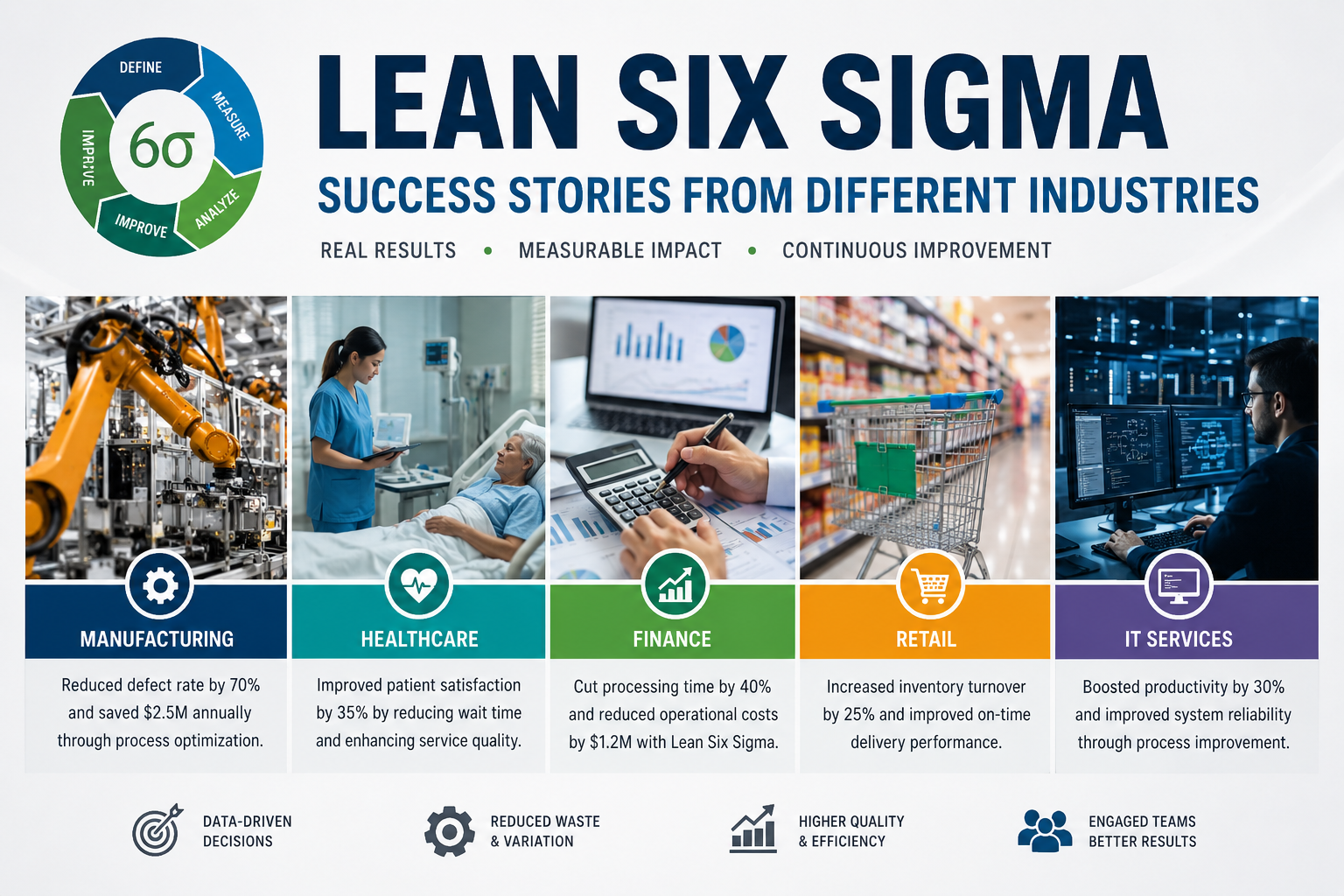
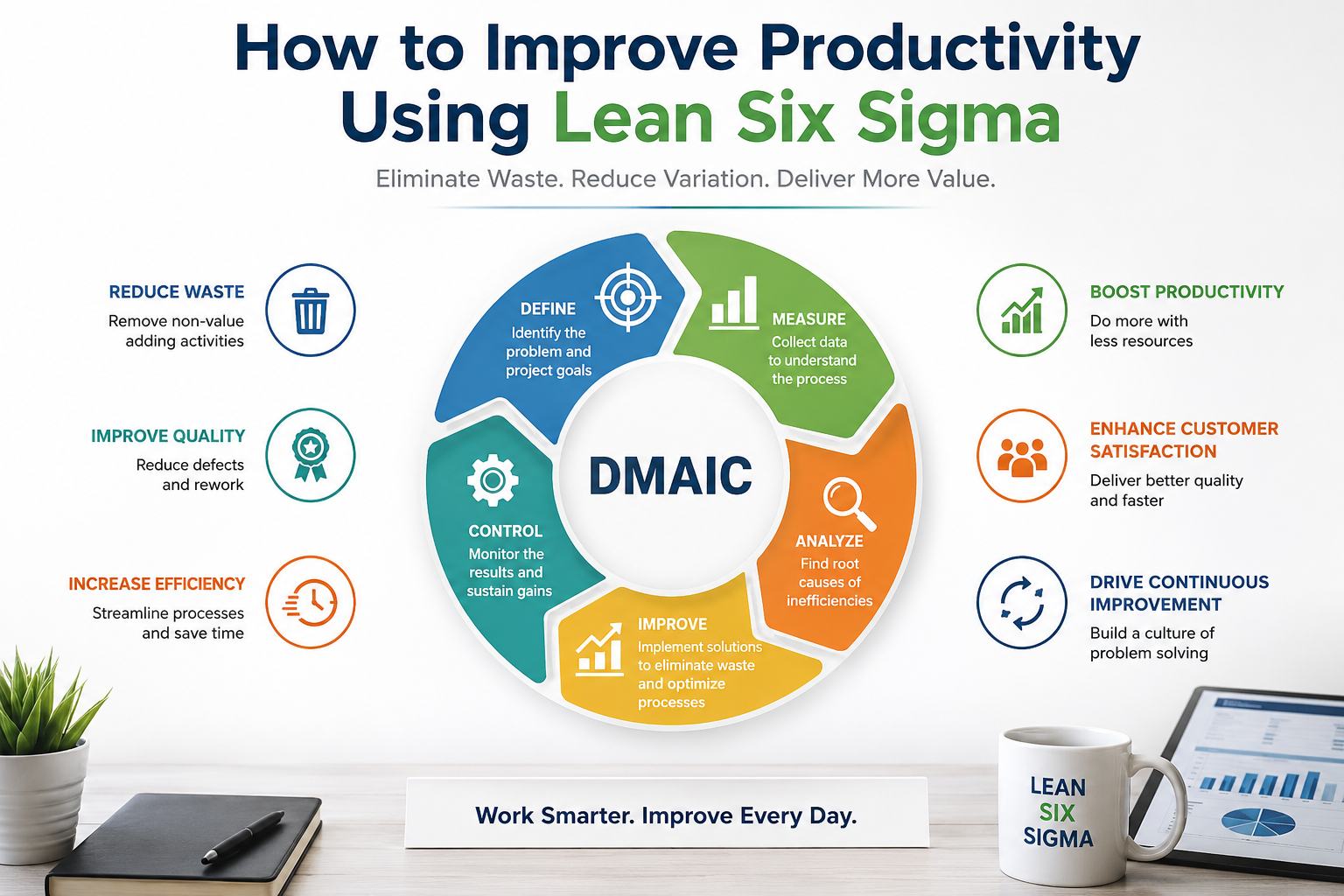
In today's competitive business landscape, organizations are constantly striving for operational excellence and customer satisfaction. One effective approach to achieving these goals is through Six Sigma methodologies. Among the various levels of Six Sigma professionals, the Master Black Belt stands out as an expert who leads and drives complex improvement projects. In this blog, we will explore real Six Sigma Master Black Belt projects, enterprise case studies, and success stories that highlight the effectiveness of Six Sigma in driving process improvement. Understanding Six Sigma and the Role of a Master Black Belt Six Sigma is a data-driven methodology that seeks to improve business processes by identifying and eliminating defects, thereby enhancing quality and performance. It employs a range of statistical tools and techniques to analyze processes, identify areas for improvement, and implement sustainable solutions. A Master Black Belt (MBB) is a seasoned Six Sigma practitioner who possesses an in-depth understanding of Six Sigma principles, tools, and techniques. They not only lead large-scale improvement projects but also mentor and train other Six Sigma practitioners, including Black Belts and Green Belts. In the Indian context, the role of a Master Black Belt is crucial for organizations aiming to adopt a culture of continuous improvement. Real Six Sigma Master Black Belt Projects and Case Studies 1. Manufacturing Excellence: A Case Study from the Automotive Industry One of the prominent success stories in the Indian automotive sector involved a leading manufacturer that faced challenges with production defects and inefficiencies on the assembly line. The Master Black Belt led a Six Sigma initiative that focused on reducing defect rates and enhancing overall productivity. Through the Define, Measure, Analyze, Improve, and Control (DMAIC) methodology, the MBB and the team identified key areas of waste and variability. By implementing robust process controls and conducting root cause analysis, they successfully reduced defects by 30%, resulting in significant cost savings and improved customer satisfaction. 2. Healthcare Improvement: Enhancing Patient Care in a Hospital In the healthcare sector, a renowned hospital in India sought to enhance patient care and reduce wait times in the emergency department. A Master Black Belt was brought on board to lead the Six Sigma project, focusing on streamlining processes and improving patient flow. By mapping the existing processes and gathering data on patient wait times, the MBB identified bottlenecks and areas for improvement. The team implemented process changes, including better triage protocols and staff training, which led to a 40% reduction in patient wait times and a marked improvement in patient satisfaction scores. 3. Service Excellence: Optimizing Customer Support Operations A leading telecom company in India faced challenges with customer support operations, resulting in high call drop rates and customer complaints. The organization engaged a Master Black Belt to spearhead a Six Sigma project aimed at optimizing call center processes. Through detailed data analysis and process mapping, the MBB identified key drivers of customer dissatisfaction. The team implemented training programs for support staff and introduced performance metrics to monitor efficiency. As a result, the company achieved a 25% increase in first call resolution rates, significantly improving customer experience and retention. Key Takeaways from Six Sigma Success Stories The above case studies illustrate the transformative power of Six Sigma Master Black Belt projects in diverse industries. Here are some key takeaways: Frequently Asked Questions (FAQs) 1. What is a Master Black Belt in Six Sigma? A Master Black Belt is an expert in Six Sigma methodologies who leads and mentors projects, trains other Six Sigma practitioners, and drives organizational change towards continuous improvement. 2. How does Six Sigma benefit organizations? Six Sigma helps organizations reduce defects, improve process efficiency, enhance customer satisfaction, and achieve significant cost savings through data-driven decision-making. 3. What industries can benefit from Six Sigma projects? Six Sigma can be applied across various industries, including manufacturing, healthcare, finance, telecommunications, and service sectors, to drive process improvement and operational excellence. 4. How long does it take to see results from Six Sigma initiatives? The timeline for results varies based on the complexity of the project and the organization's readiness for change. However, many organizations report measurable improvements within a few months of implementing Six Sigma projects. Conclusion: Embracing Six Sigma for Enterprise Success The success stories of Six Sigma Master Black Belt projects highlight the tangible benefits of adopting this methodology in Indian enterprises. From manufacturing to healthcare, the impact of data-driven process improvements is evident in enhanced efficiency, reduced costs, and improved customer satisfaction. Organizations looking to thrive in a competitive market should consider investing in Six Sigma training and projects to drive sustainable growth. Ready to embark on your Six Sigma journey? Whether you’re looking to improve processes or train your team, our Six Sigma programs can help you achieve your goals. Contact us today to learn more about how we can assist you in implementing effective Six Sigma Master Black Belt projects!

Pravin sahani
May 30, 2026
Advanced Tools and Statistical Techniques Used by Six Sigma Master Black Belts

Six Sigma is a powerful methodology that has transformed countless businesses across the globe, and at the heart of this transformation are the Master Black Belts. These professionals are not just experts in Six Sigma principles; they wield advanced tools and statistical techniques that enable organizations to enhance quality, reduce waste, and improve overall performance. In this blog, we will delve into the advanced tools and statistical techniques utilized by Master Black Belts, focusing on how these contributions drive excellence in organizations, especially in the Indian context. Understanding the Role of a Master Black Belt in Six Sigma Before we explore the advanced tools and techniques, it's essential to understand the role of a Master Black Belt in the Six Sigma framework. A Master Black Belt serves as a mentor, trainer, and leader in Six Sigma initiatives. They possess a deep understanding of the methodology and its application, guiding teams in the successful implementation of projects. Their expertise is vital in identifying areas for improvement and utilizing data-driven decisions to achieve strategic goals. Advanced Six Sigma Tools Used by Master Black Belts Master Black Belts employ a variety of advanced Six Sigma tools to facilitate process improvement. Here are some of the most crucial tools: 1. Statistical Process Control (SPC) Statistical Process Control is an essential tool for Master Black Belts. It involves using statistical methods to monitor and control a process. By analyzing data collected over time, Master Black Belts can identify trends, variations, and potential issues before they escalate. This proactive approach allows organizations to maintain quality and efficiency in their processes. 2. Design of Experiments (DOE) Design of Experiments is a sophisticated technique that enables Master Black Belts to systematically test multiple variables simultaneously. This tool helps in identifying the factors that significantly impact process outcomes. By optimizing these variables, organizations can achieve better quality and performance with minimal resources. 3. Failure Mode and Effects Analysis (FMEA) FMEA is a risk assessment tool that Master Black Belts use to identify potential failures in a process or product and assess their impact. By prioritizing these risks, organizations can implement corrective actions to mitigate them, ultimately enhancing quality and customer satisfaction. 4. Lean Tools Master Black Belts often integrate Lean methodologies with Six Sigma principles. Tools such as Value Stream Mapping, 5S, and Kaizen are employed to eliminate waste and streamline processes. These Lean tools complement Six Sigma's focus on quality, creating a comprehensive approach to process improvement. 5. Root Cause Analysis (RCA) Root Cause Analysis is a critical tool for identifying the underlying causes of problems. Master Black Belts utilize various techniques, such as the 5 Whys and Fishbone Diagram, to dissect issues and implement effective solutions. This ensures that organizations address not just the symptoms but the root causes of quality problems. Statistical Techniques for Master Black Belts Alongside advanced tools, Master Black Belts leverage various statistical techniques to analyze data and drive decision-making. Here are some key statistical techniques: 1. Hypothesis Testing Hypothesis testing is a crucial statistical technique that Master Black Belts use to validate assumptions about a population based on sample data. By determining whether the observed effects are statistically significant, organizations can make informed decisions regarding process improvements. 2. Regression Analysis Regression analysis helps Master Black Belts understand relationships between variables. By identifying correlations, they can predict outcomes and determine which factors influence performance. This technique is invaluable in forecasting and improving processes. 3. Control Charts Control charts are graphical tools that Master Black Belts use to track process behavior over time. By plotting data points on a control chart, they can quickly identify trends, shifts, and variations, allowing for timely interventions to maintain quality. 4. Capability Analysis Capability analysis evaluates how well a process meets specified requirements. Master Black Belts use this technique to assess process capability indices (Cp, Cpk) and determine if processes are capable of producing products within specification limits. This insight is critical for continuous improvement. Master Black Belt Methodology The Master Black Belt methodology encompasses a structured approach to problem-solving and process improvement. It typically involves the following phases: 1. Define In the Define phase, Master Black Belts identify the problem and establish project goals. They engage stakeholders to ensure alignment and gather initial data to understand the scope of the issue. 2. Measure The Measure phase involves collecting data to quantify the problem. Master Black Belts employ various measurement tools and techniques to gather relevant information, enabling them to analyze the current process state. 3. Analyze During the Analyze phase, Master Black Belts use statistical techniques to identify root causes and patterns in the data. This phase is critical for understanding the underlying factors contributing to the problem. 4. Improve In the Improve phase, Master Black Belts develop and implement solutions based on their analysis. They often utilize tools like Design of Experiments to test and validate improvements before full-scale implementation. 5. Control The Control phase ensures that improvements are sustained over time. Master Black Belts establish monitoring systems and control plans to maintain process performance and prevent regression. FAQs 1. What is the role of a Master Black Belt in Six Sigma? A Master Black Belt is responsible for mentoring and training Six Sigma practitioners, leading projects, and ensuring the successful implementation of Six Sigma initiatives within an organization. 2. What are the key tools used by Master Black Belts? Some of the key tools include Statistical Process Control (SPC), Design of Experiments (DOE), Failure Mode and Effects Analysis (FMEA), Lean tools, and Root Cause Analysis (RCA). 3. How do statistical techniques enhance Six Sigma projects? Statistical techniques provide data-driven insights that help Master Black Belts identify patterns, validate hypotheses, and make informed decisions to improve processes and quality. Conclusion Master Black Belts are integral to the success of Six Sigma initiatives, armed with advanced tools and statistical techniques that drive continuous improvement. As businesses in India strive for excellence, understanding and leveraging these methodologies becomes essential. By investing in Master Black Belt training and embracing the tools and techniques discussed, organizations can achieve remarkable outcomes in quality and efficiency. Call to Action Are you ready to elevate your organization's performance with Six Sigma? Invest in Master Black Belt training today and equip your team with the advanced tools and statistical techniques needed to drive success. Contact us now to learn more about our training programs!

Pravin sahani
May 30, 2026
Advanced Tools and Statistical Techniques Used by Six Sigma Master Black Belts

In the realm of quality management and process improvement, Six Sigma has emerged as a cornerstone methodology. Among the various levels of Six Sigma practitioners, the Master Black Belt stands out as an expert, responsible not only for implementing Six Sigma practices but also for mentoring others and driving the organization towards operational excellence. In this blog, we will explore the advanced Six Sigma tools and statistical techniques utilized by Master Black Belts to enhance quality and efficiency. Understanding the Role of a Master Black Belt Before diving into the tools and techniques, it's essential to grasp the significance of a Master Black Belt in the Six Sigma framework. These professionals possess a deep understanding of Six Sigma principles and are adept at using complex statistical methods to analyze data and improve processes. They play a pivotal role in training and mentoring Green Belts and Black Belts, ensuring the successful implementation of Six Sigma projects across various sectors. Key Advanced Six Sigma Tools Master Black Belts employ a variety of advanced tools that are integral to the Master Black Belt methodology. Here, we will discuss some of the most impactful tools that shape their approach to problem-solving and process improvement. 1. Statistical Process Control (SPC) Statistical Process Control (SPC) is a vital tool that Master Black Belts leverage to monitor and control processes. By utilizing control charts, they can visualize process variations over time, enabling them to distinguish between common cause variation and special cause variation. This distinction is critical for maintaining process stability and ensuring quality. 2. Design of Experiments (DOE) Design of Experiments (DOE) is an advanced statistical technique used to plan, conduct, and analyze controlled tests. Master Black Belts utilize DOE to identify cause-and-effect relationships, allowing them to optimize processes by systematically varying input factors. This method not only improves efficiency but also enhances product quality. 3. Failure Mode and Effects Analysis (FMEA) FMEA is a proactive tool used to identify potential failure modes in a process and their associated risks. By assessing the severity, occurrence, and detection of each failure mode, Master Black Belts can prioritize risks and implement measures to mitigate them. This structured approach ensures that issues are addressed before they escalate, safeguarding process integrity. 4. Process Mapping and Value Stream Mapping Process mapping and value stream mapping are essential tools for visualizing workflows and identifying areas for improvement. Master Black Belts utilize these tools to analyze the flow of materials and information, pinpointing inefficiencies and waste. By mapping out the current state, they can develop strategies to streamline processes and enhance overall efficiency. 5. Multivariate Analysis Multivariate analysis is a sophisticated statistical technique that allows Master Black Belts to analyze multiple variables simultaneously. By examining the relationships between these variables, they can uncover insights that drive informed decision-making. This tool is particularly useful in complex processes where numerous factors influence outcomes. Statistical Techniques Employed by Master Black Belts In addition to utilizing advanced tools, Master Black Belts are well-versed in various statistical techniques that support data-driven decision-making. Here are some of the key statistical techniques they apply: 1. Hypothesis Testing Hypothesis testing is a fundamental statistical technique used to determine whether there is enough evidence to support a specific claim or hypothesis. Master Black Belts employ this technique to validate assumptions and make data-driven decisions, ensuring that process improvements are grounded in statistical significance. 2. Regression Analysis Regression analysis is a powerful statistical method used to understand the relationship between dependent and independent variables. Master Black Belts utilize regression analysis to predict outcomes based on historical data, allowing them to make informed decisions about process changes and improvements. 3. Capability Analysis Capability analysis assesses a process's ability to produce output within specified limits. Master Black Belts use this technique to evaluate how well a process meets customer requirements and identify areas for improvement. Through capability analysis, they can ensure that processes consistently deliver high-quality results. 4. Control Charts Control charts are graphical representations of process data over time, designed to monitor process behavior and stability. Master Black Belts use control charts to identify trends, shifts, and outliers, enabling them to take corrective actions before issues escalate. 5. Pareto Analysis Pareto analysis is a prioritization technique that focuses on identifying the most significant factors contributing to a problem. By applying the 80/20 rule, Master Black Belts can concentrate their efforts on the issues that will yield the most substantial improvements, maximizing the impact of their Six Sigma initiatives. Implementing Master Black Belt Methodology in India In India, the adoption of Six Sigma practices has gained momentum across various industries, including manufacturing, healthcare, and services. The Master Black Belt methodology is crucial for organizations aiming to enhance quality and operational efficiency. By leveraging advanced Six Sigma tools and statistical techniques, Master Black Belts can drive significant improvements, leading to higher customer satisfaction and increased profitability. Organizations in India are increasingly recognizing the value of investing in Master Black Belts to lead their Six Sigma initiatives. The expertise and statistical knowledge they bring can transform processes and foster a culture of continuous improvement within the organization. FAQs What is the role of a Master Black Belt in Six Sigma? A Master Black Belt is responsible for mentoring other Six Sigma practitioners, leading complex projects, and ensuring the successful implementation of Six Sigma methodologies within an organization. Which advanced tools are commonly used by Master Black Belts? Commonly used tools include Statistical Process Control (SPC), Design of Experiments (DOE), Failure Mode and Effects Analysis (FMEA), Process Mapping, and Multivariate Analysis. How does a Master Black Belt contribute to process improvement? By utilizing advanced statistical techniques and tools, Master Black Belts identify inefficiencies, optimize processes, and implement data-driven solutions that lead to improved quality and efficiency. Why is Six Sigma important for Indian industries? Six Sigma is important for Indian industries as it helps organizations improve quality, reduce waste, enhance customer satisfaction, and ultimately drive profitability in a competitive market. Conclusion Master Black Belts play a crucial role in the success of Six Sigma initiatives by employing advanced tools and statistical techniques to drive process improvement. As organizations in India continue to embrace Six Sigma methodologies, the demand for skilled Master Black Belts will only grow. By mastering these tools and techniques, these professionals can lead their teams towards operational excellence and create a culture of continuous improvement. If you are looking to enhance your organization's quality management practices or wish to pursue a career as a Master Black Belt, consider investing in Six Sigma training and certification. Join the ranks of professionals who are making a difference in their organizations through the power of Six Sigma! Call to Action: Ready to take your Six Sigma journey to the next level? Explore our comprehensive training programs and become a certified Master Black Belt today!

Pravin sahani
May 30, 2026
Enterprise Process Transformation Using Six Sigma Master Black Belt Methodology

In today's competitive landscape, organizations are on the lookout for ways to improve efficiency, reduce waste, and enhance customer satisfaction. One of the most effective methodologies in achieving these goals is the Six Sigma Master Black Belt methodology. This blog will delve into how enterprise process transformation can be achieved through Six Sigma, integrating it with lean principles to create a robust operational excellence strategy. Understanding Enterprise Process Transformation Enterprise process transformation refers to the comprehensive overhaul of a company's processes to enhance efficiency and effectiveness. This transformation is not just about adopting new technologies but involves rethinking the way work is done across the organization. The goal is to streamline operations, improve quality, reduce costs, and ultimately provide better value to customers. Why Six Sigma for Enterprise Process Transformation? Six Sigma is a data-driven methodology that focuses on eliminating defects and improving processes. Its structured approach is ideal for organizations looking to achieve significant improvements in their operational performance. By employing the Six Sigma Master Black Belt methodology, companies can gain expert guidance in implementing these strategies effectively. Key Components of Six Sigma Transformation 1. Define The first phase in the Six Sigma process is defining the problem or opportunity for improvement. This involves identifying the goals of the transformation and understanding customer requirements. Clear definitions set the foundation for successful implementation. 2. Measure In this phase, organizations collect data to measure current performance. This involves identifying key performance indicators (KPIs) and gathering relevant data to establish a baseline. Understanding where the organization currently stands is crucial for measuring the impact of changes. 3. Analyze Once data is collected, the next step is to analyze it to identify root causes of defects and inefficiencies. Various statistical tools and techniques are employed during this phase to uncover insights that will guide the transformation process. 4. Improve With a clear understanding of the issues, organizations can move to the improvement phase. This involves brainstorming and implementing solutions that address the identified root causes. The focus is on developing strategies that will lead to measurable improvements in performance. 5. Control The final phase of the Six Sigma process is ensuring that improvements are sustained over time. This requires establishing control measures and monitoring systems to maintain the gains achieved during the improvement phase. Integrating Lean Principles with Six Sigma While Six Sigma focuses on reducing variation and eliminating defects, Lean principles emphasize maximizing value by minimizing waste. By integrating lean six sigma implementation with Six Sigma, organizations can achieve a holistic approach to process transformation. This integration fosters a culture of continuous improvement, where employees are empowered to identify issues and suggest improvements proactively. The Role of a Six Sigma Master Black Belt A Six Sigma Master Black Belt is an expert in the Six Sigma methodology, with extensive experience in leading projects and mentoring others. Their role in enterprise process transformation is vital. They not only guide project teams through the Six Sigma phases but also train and coach Green Belts and Yellow Belts in the organization. Benefits of Having a Six Sigma Master Black Belt Implementing Six Sigma as an Operational Excellence Strategy For organizations in India looking to adopt a Six Sigma transformation as part of their operational excellence strategy, several steps can be taken to ensure successful implementation: 1. Commitment from Leadership Leadership buy-in is crucial for any transformation initiative. When top management supports Six Sigma initiatives, it sets the tone for the entire organization and encourages employee engagement. 2. Training and Development Investing in training programs is essential for equipping employees with the necessary skills and knowledge to implement Six Sigma principles effectively. Offering certification programs for different belts (Yellow, Green, Black, and Master Black Belt) can enhance overall competency within the organization. 3. Create a Culture of Continuous Improvement Encouraging a culture where employees feel empowered to suggest changes and improvements is vital. This culture fosters innovation and can lead to significant enhancements in operational efficiency. 4. Use of Technology Leveraging technology can significantly enhance Six Sigma initiatives. Data analytics tools can help in measuring performance, while project management software can streamline collaboration and communication among teams. 5. Regular Monitoring and Evaluation To sustain improvements, organizations must regularly monitor their processes and evaluate the effectiveness of Six Sigma initiatives. This can be achieved through periodic reviews and adjustments based on performance metrics. Challenges in Six Sigma Implementation Despite its effectiveness, implementing Six Sigma can come with challenges: FAQs 1. What is Six Sigma? Six Sigma is a data-driven methodology aimed at improving processes by eliminating defects and reducing variation. It uses a structured approach known as DMAIC (Define, Measure, Analyze, Improve, Control). 2. How does Lean Six Sigma differ from Six Sigma? While Six Sigma focuses on reducing defects, Lean Six Sigma combines the principles of Lean (which emphasizes eliminating waste) with Six Sigma to create a more comprehensive approach to process improvement. 3. What are the benefits of Six Sigma implementation in organizations? Implementing Six Sigma can lead to improved quality, reduced costs, increased efficiency, and enhanced customer satisfaction. It fosters a culture of continuous improvement and drives operational excellence. 4. How can I become a Six Sigma Master Black Belt? To become a Six Sigma Master Black Belt, individuals typically need to have significant experience in Six Sigma projects, complete advanced training, and demonstrate their ability to lead projects and mentor others. Conclusion Enterprise process transformation through Six Sigma Master Black Belt methodology is a powerful strategy for organizations striving for operational excellence. By integrating Six Sigma with lean principles, companies can achieve significant improvements in efficiency, quality, and overall performance. Investing in training and fostering a culture of continuous improvement will ensure that these initiatives are not just one-off projects but part of a long-term strategy for success. Are you ready to embark on your journey towards operational excellence through Six Sigma? Contact us today to learn how we can assist your organization in achieving successful enterprise process transformation!

Pravin sahani
May 30, 2026
Master Black Belt vs Black Belt: Key Differences in Roles, Skills & Responsibilities

In the realm of Six Sigma, understanding the distinctions between a Master Black Belt and a Black Belt is crucial for organizations aiming to enhance their processes and drive improvement. Both roles are integral to the Six Sigma methodology, but they carry different responsibilities, skill sets, and levels of expertise. This blog will delve into the master black belt vs black belt comparison, focusing on their roles, skills, responsibilities, and the certification hierarchy. By the end, you will have a clear understanding of these two critical positions in Six Sigma. Understanding Six Sigma: A Brief Overview Six Sigma is a data-driven approach to improving business processes by reducing defects and variability. It employs a set of quality management methods, including statistical tools, and focuses on process improvement and variation reduction. Six Sigma employs a belt system, akin to martial arts, to denote the expertise and responsibilities of practitioners. This hierarchy includes White Belts, Yellow Belts, Green Belts, Black Belts, and Master Black Belts. The Certification Hierarchy in Six Sigma Before diving into the key differences between Master Black Belts and Black Belts, it is essential to understand the Six Sigma certification hierarchy: Master Black Belt vs Black Belt: Key Differences 1. Roles and Responsibilities Understanding the distinct roles of Master Black Belts and Black Belts is fundamental: Master Black Belt Roles The Master Black Belt is a senior-level position with a strategic focus. Their primary responsibilities include: Black Belt Roles Black Belts operate at a tactical level, directly managing Six Sigma projects. Their responsibilities include: 2. Skill Sets The skill sets required for Master Black Belts and Black Belts differ significantly. Here’s a breakdown: Master Black Belt Skills Black Belt Skills 3. Training and Certification The training paths for Master Black Belts and Black Belts also differ significantly: Master Black Belt Training To become a Master Black Belt, an individual usually needs to have: Black Belt Training To attain a Black Belt certification, candidates typically need: Conclusion: Which Path to Choose? Choosing between pursuing a Master Black Belt or a Black Belt certification largely depends on your career aspirations and the level of responsibility you wish to take on in your organization. If you aim to lead strategic initiatives and mentor others, the Master Black Belt path may be your best bet. Conversely, if you prefer to manage projects and drive process improvements, becoming a Black Belt could be the way forward. FAQs 1. What is the main difference between Master Black Belt and Black Belt? The main difference lies in their roles and responsibilities. Master Black Belts focus on strategic initiatives and training, while Black Belts lead projects and manage teams on a tactical level. 2. Can you become a Master Black Belt without being a Black Belt first? Typically, most certification bodies require candidates to hold a Black Belt certification before pursuing a Master Black Belt. This ensures a foundational understanding of Six Sigma principles. 3. How long does it take to become a Black Belt or Master Black Belt? Becoming a Black Belt usually takes a few months of training and project experience, while becoming a Master Black Belt may take several years of experience and advanced training. 4. Is Six Sigma certification worth it in India? Yes, Six Sigma certification is highly valued in India, especially in industries focused on quality improvement, manufacturing, and process management. Certified professionals are often seen as assets to organizations. Call to Action Are you ready to enhance your skills in Six Sigma? Whether you are considering a Black Belt or Master Black Belt certification, investing in your professional development can lead to significant career advancements. Explore reputable training programs and take the first step towards mastering Six Sigma today!

Pravin sahani
May 30, 2026
What is Six Sigma Master Black Belt Certification? Roles, Responsibilities & Leadership Scope

In today's competitive business landscape, efficient processes and quality management are crucial for success. This is where Six Sigma methodologies come into play. Among the various levels of Six Sigma training, the Six Sigma Master Black Belt Certification stands out as a prestigious qualification that equips professionals with advanced skills in process improvement and quality management. This article will delve into what a Six Sigma Master Black Belt is, the roles and responsibilities associated with this certification, and the leadership scope it offers, especially in the Indian context. Understanding Six Sigma and Master Black Belt Certification Six Sigma is a data-driven approach and methodology for eliminating defects in any process, from manufacturing to transactional and from product to service. The goal is to achieve a process capability that results in fewer than 3.4 defects per million opportunities. The Six Sigma framework includes various levels of certification, from Yellow Belt to Master Black Belt, each representing a different level of expertise and responsibility. The Master Black Belt Certification is the highest level in the Six Sigma hierarchy. It signifies that an individual has mastered the Six Sigma principles, tools, and methodologies and can lead complex projects and initiatives within an organization. Roles and Responsibilities of a Six Sigma Master Black Belt Individuals with a Lean Six Sigma Master Black Belt certification play a pivotal role in organizations striving for operational excellence. Here are some of the key responsibilities they undertake: 1. Leadership and Mentorship A Master Black Belt is expected to lead project teams and mentor Green and Black Belts. They provide guidance on Six Sigma methodologies, ensuring that projects align with organizational goals. This leadership role is crucial for fostering a culture of continuous improvement within the organization. 2. Project Management Master Black Belts often manage multiple Six Sigma projects simultaneously. They are responsible for project selection, scope definition, and ensuring that projects meet their objectives. Their expertise in statistics and problem-solving is essential for driving projects to successful completion. 3. Training and Development Another critical role is to train and develop other Six Sigma practitioners in the organization. This includes conducting Master Black Belt training sessions, workshops, and seminars to build a robust Six Sigma foundation within the workforce. 4. Strategic Planning Master Black Belts are involved in strategic planning and decision-making at the organizational level. They analyze data and trends to identify areas for improvement and help develop strategies that align with the company’s overall objectives. 5. Data Analysis and Interpretation Data-driven decision-making is at the heart of Six Sigma. Master Black Belts are skilled in statistical analysis and are responsible for interpreting complex data sets. They use this information to identify process inefficiencies and develop solutions that enhance quality and efficiency. 6. Change Management Implementing Six Sigma methodologies often requires significant changes within an organization. Master Black Belts are responsible for managing this change, ensuring that all stakeholders are on board and that the transition is smooth. Leadership Scope of a Six Sigma Master Black Belt The scope of leadership for a Six Sigma Master Black Belt extends beyond just managing projects. Here’s how they contribute to organizational leadership: 1. Influencing Organizational Culture By promoting Six Sigma principles, Master Black Belts can help shape a culture that values quality and continuous improvement. This cultural shift can lead to enhanced employee engagement, higher customer satisfaction, and improved business performance. 2. Driving Innovation Master Black Belts are often at the forefront of innovation within an organization. Their expertise in identifying inefficiencies and developing solutions can lead to new processes, products, and services that drive business growth. 3. Enhancing Customer Satisfaction By focusing on quality and efficiency, Master Black Belts significantly contribute to improving customer satisfaction. Their work helps ensure that products and services meet or exceed customer expectations, which is crucial in today's competitive market. 4. Building a Sustainable Competitive Advantage Organizations that adopt Six Sigma methodologies often find themselves with a sustainable competitive advantage. Master Black Belts play a critical role in ensuring that these methodologies are effectively implemented and maintained over time. Why Pursue a Six Sigma Master Black Belt Certification in India? In India, the demand for Six Sigma professionals, particularly those with a Master Black Belt certification, is on the rise. As businesses increasingly focus on quality and operational efficiency, having certified professionals in leadership roles is essential. Here are a few reasons to pursue this certification: 1. Career Advancement A Six Sigma Master Black Belt Certification can open up new career opportunities and significantly enhance your earning potential. Many organizations, particularly in manufacturing, IT, and services sectors, are actively seeking professionals with this expertise. 2. Enhanced Skill Set The training equips you with advanced problem-solving skills, statistical analysis expertise, and the ability to lead teams effectively. These skills are not only valuable in Six Sigma projects but are also transferable to various business environments. 3. Networking Opportunities Pursuing certification often allows you to connect with other professionals in the field, providing valuable networking opportunities that can lead to collaborations, partnerships, and job referrals. 4. Contribution to Organizational Success As a Master Black Belt, you will have a direct impact on your organization’s success. By leading Six Sigma initiatives, you contribute to cost savings, process improvements, and enhanced customer satisfaction, making you an invaluable asset to your company. FAQs about Six Sigma Master Black Belt Certification 1. What are the prerequisites for Six Sigma Master Black Belt Certification? Typically, candidates are required to possess a Black Belt certification along with a certain amount of experience in leading Six Sigma projects. Some institutions may also require a specific number of completed projects. 2. How long does it take to achieve Master Black Belt Certification? The duration varies by training provider, but it usually takes several months of study and project work to complete the certification process. 3. What is the average salary of a Six Sigma Master Black Belt in India? The average salary can vary greatly based on industry and experience, but it typically ranges from ₹10 lakh to ₹20 lakh per annum, potentially higher in certain sectors. 4. Where can I pursue Six Sigma Master Black Belt training in India? Many organizations, including universities and training institutes, offer Six Sigma Master Black Belt training across India. It’s essential to choose a certified and recognized program to ensure the quality of education. Conclusion The Six Sigma Master Black Belt Certification is more than just a qualification; it is a pathway to becoming a leader in process improvement and quality management. With its increasing relevance in the Indian market, pursuing this certification can significantly enhance your career prospects and enable you to contribute to your organization's success. If you are ready to take the next step in your professional journey, consider enrolling in a Master Black Belt training program today! Call to Action: Ready to elevate your career? Explore accredited Six Sigma Master Black Belt training programs in India today and become a leader in quality management!

Pravin sahani
May 30, 2026
How to Prepare for Six Sigma Black Belt Certification Exam? Complete Study Plan

Are you considering taking the Six Sigma Black Belt Certification Exam? Whether you're a seasoned professional or just starting your journey in process improvement, preparing for this exam can be a daunting task. In this comprehensive guide, we’ll outline a complete study plan to help you ace the black belt certification exam and advance your career. Understanding Six Sigma and the Black Belt Certification Before diving into the preparation strategies, it's essential to understand what Six Sigma is and why the Black Belt certification holds significant value. Six Sigma is a data-driven methodology aimed at improving business processes by eliminating defects. The Black Belt certification signifies that the individual has a deep understanding of Six Sigma principles and can lead projects to drive process improvements. Why Pursue Black Belt Certification? In India, the demand for Six Sigma professionals is on the rise as organizations strive for operational excellence. Obtaining a black belt certification can enhance your career prospects, increase your earning potential, and establish you as a leader in quality management. Key Topics Covered in the Black Belt Certification Exam The Black Belt certification exam typically covers a variety of topics, including: Creating Your Study Plan for the Six Sigma Black Belt Exam Now that you understand the significance and content of the exam, let’s develop a structured study plan to ensure effective preparation. 1. Establish Your Study Timeline Determine how much time you have before the exam date. A typical study timeline spans 8 to 12 weeks, depending on your existing knowledge and experience. Break down your study plan into manageable weekly goals. 2. Gather Study Materials Collect reputable study materials that cover all exam topics comprehensively: 3. Create a Study Schedule Draft a weekly study schedule that includes: 4. Focus on Understanding Concepts Rather than rote memorization, aim to understand the underlying concepts. Use real-world examples to see how Six Sigma principles apply in various industries. This understanding will help you tackle scenario-based questions in the exam. 5. Join a Study Group Consider joining a local or online study group. Collaborating with peers can provide additional insights, clarify doubts, and keep you motivated throughout your preparation. 6. Utilize Practice Exams Practice exams are invaluable in preparing for the Six Sigma exam. They help familiarize you with the exam format and timing. Analyze your results to identify areas that need more focus. 7. Review and Revise In the final weeks leading up to the exam, prioritize review and revision. Focus on your weak areas and ensure you have a solid grasp of all key concepts. Flashcards and summary notes can be very effective during this stage. Exam Day Tips On the day of the exam, ensure you are well-rested and mentally prepared. Here are some tips: FAQs About the Six Sigma Black Belt Certification Exam Q1: What is the passing score for the Six Sigma Black Belt exam? A1: Most certification bodies require a passing score of around 70% to 80%, but this may vary, so check the specific requirements of the certifying organization. Q2: How long is the Six Sigma Black Belt exam? A2: The exam duration typically ranges from 3 to 4 hours, depending on the certification body. Q3: Can I take the exam online? A3: Yes, many certification providers offer online testing options. Ensure that you check the details and requirements for online exams. Q4: How often do I need to renew my certification? A4: Renewal requirements vary by certifying organization, but most require recertification every 3 to 5 years. Conclusion Preparing for the Six Sigma Black Belt Certification Exam requires dedication and a structured approach. By following the study plan outlined in this guide, you’ll be well-equipped to tackle the exam and achieve your certification goals. Remember, the journey to becoming a Black Belt is not just about passing an exam; it’s about mastering the skills that will make you a leader in quality management. Ready to take the next step in your career? Start your black belt preparation today! Explore our recommended resources and courses to kickstart your Six Sigma journey.

Pravin sahani
May 30, 2026
Six Sigma Black Belt Project Examples and Real Industry Case Studies

Six Sigma has emerged as a powerful methodology for improving processes, reducing defects, and enhancing productivity across various industries. As professionals seek to leverage the principles of Six Sigma, understanding the practical applications through Six Sigma Black Belt project examples and real-world case studies becomes essential. In this blog, we will explore notable Black Belt project case studies to illustrate the effectiveness of Six Sigma in driving process improvement projects. Understanding Six Sigma and the Role of Black Belts Six Sigma is a data-driven approach aimed at eliminating defects in any process, whether in manufacturing, service, or any other industry. The methodology employs statistical tools and techniques to identify variations and implement solutions. The role of a Black Belt is pivotal in this process, as these professionals lead project teams, mentor Green Belts, and drive continuous improvement initiatives. What is a Six Sigma Black Belt? A Six Sigma Black Belt is a trained professional equipped with the knowledge of Six Sigma principles and methodologies. They possess a deep understanding of statistical analysis, project management, and team dynamics. Black Belts are responsible for leading complex projects that require rigorous data analysis and strategic planning. Their work is critical in achieving significant improvements in quality and efficiency. Six Sigma Black Belt Project Examples Let’s dive into some compelling Six Sigma Black Belt project examples that highlight the methodology's effectiveness across various industries. 1. Manufacturing: Reducing Scrap in a Production Line A leading automobile manufacturer in India faced substantial losses due to high scrap rates in their production line. A Black Belt was assigned to lead a project aimed at reducing scrap by 20% over six months. Using the DMAIC (Define, Measure, Analyze, Improve, Control) framework, the team defined the problem and measured current scrap rates. They analyzed the root causes using tools like Fishbone diagrams and Pareto charts. The team identified that improper machine calibration was a significant contributor to the issue. By implementing a new calibration schedule and training the operators, they achieved a 25% reduction in scrap, translating into significant cost savings and improved overall efficiency. 2. Healthcare: Improving Patient Flow in a Hospital In a busy metropolitan hospital, patient wait times in the emergency department were exceeding acceptable limits. A Six Sigma Black Belt was tasked with identifying bottlenecks and improving patient flow. Through process mapping and data analysis, the team discovered that triage procedures were causing delays. A new protocol was developed that streamlined the triage process by introducing a fast-track system for less critical patients. The outcome was remarkable; patient wait times decreased by 40%, leading to enhanced patient satisfaction and better utilization of hospital resources. 3. Service Industry: Enhancing Customer Satisfaction in a Telecom Company A major telecom service provider in India experienced declining customer satisfaction scores due to long response times in their customer service department. A Black Belt initiated a project to improve response times and overall customer service quality. By analyzing customer feedback and service metrics, the team identified key areas for improvement. They implemented a new call routing system and enhanced training for customer service representatives. As a result, average response times improved by 30%, and customer satisfaction scores rose significantly, demonstrating the impact of process improvement projects in the service sector. 4. Retail: Optimizing Inventory Management A large retail chain faced challenges with excess inventory and stockouts, leading to lost sales and increased holding costs. A Black Belt was brought in to optimize inventory management processes. The project team utilized inventory turnover metrics and conducted a root cause analysis to understand demand variability. They implemented a Just-In-Time (JIT) inventory system, which allowed the retailer to reduce excess stock while ensuring product availability. The results were impressive; inventory holding costs dropped by 20%, and sales increased by 15% due to improved product availability. This case study exemplifies how Six Sigma can drive efficiency in retail operations. 5. IT Sector: Reducing Software Defects In the rapidly evolving IT sector, a software development company faced significant challenges with product defects and delays in delivery. A Black Belt was assigned to lead a project focused on reducing defects in their software products. The team employed statistical process control (SPC) to monitor defect rates throughout the development cycle. They implemented Agile methodologies combined with Six Sigma principles to enhance collaboration and communication among teams. As a result, software defects were reduced by 50%, and project delivery times improved by 30%, showcasing the potential of Six Sigma in tech-driven environments. Real-World Industry Case Studies The following Six Sigma case studies highlight how various industries successfully applied Six Sigma principles to achieve remarkable results. 1. General Electric (GE) General Electric is one of the most prominent advocates of Six Sigma. In the 1990s, GE implemented Six Sigma across its operations, leading to an estimated savings of $12 billion. One notable project focused on reducing defects in the manufacturing process of jet engines. By standardizing processes and enhancing quality control, GE achieved a 99.9% defect-free rate, significantly improving product reliability. 2. Ford Motor Company Ford adopted Six Sigma to address quality issues in its production lines. A specific project aimed at reducing warranty claims led to the identification of key process inefficiencies. By implementing Six Sigma methodologies, Ford improved its quality metrics and reduced warranty costs by millions of dollars annually, reinforcing the importance of process improvement in manufacturing. 3. Motorola Motorola is credited with pioneering Six Sigma in the 1980s. One of its landmark projects involved improving the yield of semiconductor manufacturing processes. Through rigorous data analysis and process optimization, Motorola achieved a dramatic increase in yield rates, which not only reduced costs but also enhanced product quality, solidifying its competitive edge in the market. FAQs about Six Sigma Black Belt Projects What are the key roles of a Six Sigma Black Belt? A Six Sigma Black Belt leads project teams, mentors Green Belts, conducts data analysis, and implements process improvement initiatives. They are responsible for ensuring projects align with organizational goals and deliver measurable results. How long does it take to complete a Six Sigma Black Belt project? The duration of a Six Sigma Black Belt project can vary depending on the complexity of the issue being addressed. Typically, projects can range from a few months to over a year. The DMAIC framework helps in systematically addressing problems within a structured timeframe. Can Six Sigma be applied to service industries? Absolutely! Six Sigma is highly applicable in service industries such as healthcare, finance, and telecommunications. The methodology focuses on process improvement, which is essential for enhancing service delivery and customer satisfaction. What tools are commonly used in Six Sigma projects? Common tools include process mapping, Pareto analysis, Fishbone diagrams, control charts, and statistical analysis software. These tools help in identifying root causes, measuring performance, and monitoring improvements. Conclusion Six Sigma Black Belt projects have proven to be instrumental in driving process improvements across diverse industries. The case studies discussed in this blog highlight the versatility and effectiveness of the Six Sigma methodology in achieving significant operational enhancements. By leveraging these Six Sigma Black Belt project examples, organizations can embark on their journey toward excellence, ensuring sustained growth and customer satisfaction. If you're considering implementing Six Sigma in your organization, now is the time to take action. Contact us today to learn how our Six Sigma training and consultancy services can help you achieve your process improvement goals!

Pravin sahani
May 30, 2026
Advanced Six Sigma Black Belt Tools and Techniques for Process Improvement

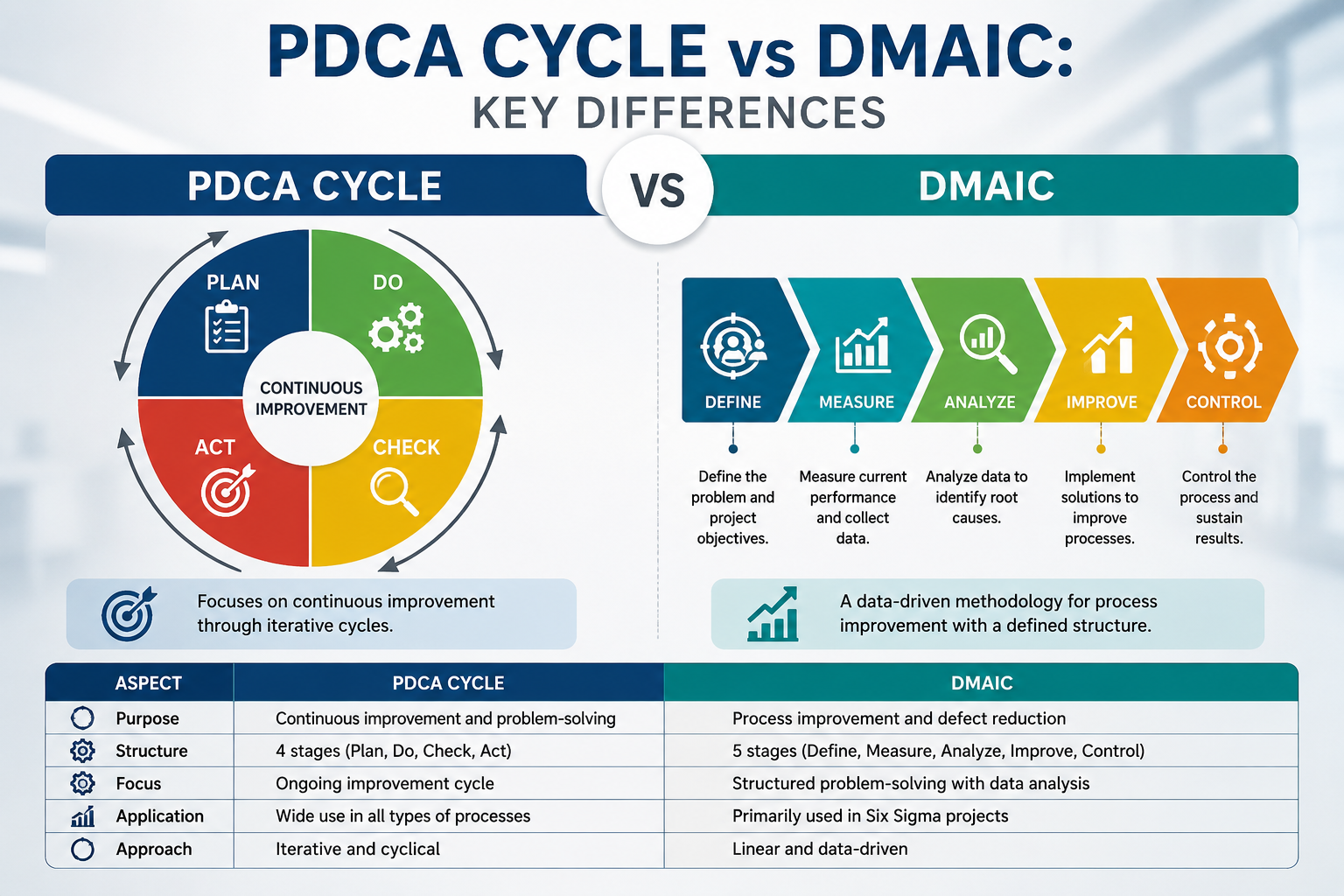
In the competitive landscape of Indian industries, the quest for excellence is ongoing. One of the most effective methodologies to achieve operational excellence is Six Sigma, particularly for those who are well-versed in the Black Belt methodology. With a deep understanding of advanced Six Sigma tools, Black Belt professionals can significantly enhance process improvement initiatives. In this article, we will explore the advanced Six Sigma Black Belt tools and techniques that are essential for driving process excellence. Understanding Six Sigma and Black Belt Methodology Six Sigma is a data-driven approach aimed at reducing defects and improving quality in processes. The methodology revolves around a systematic process of defining, measuring, analyzing, improving, and controlling (DMAIC) processes. The Black Belt level signifies an advanced understanding of Six Sigma principles, equipping individuals to lead projects and mentor teams. Key Advanced Six Sigma Tools To truly excel in the Black Belt role, familiarity with advanced Six Sigma tools is crucial. Below are some key tools that every Six Sigma Black Belt should master: 1. Design of Experiments (DOE) Design of Experiments (DOE) is an indispensable tool in the arsenal of Six Sigma Black Belts. It allows professionals to plan, conduct, and analyze controlled tests to evaluate the factors that influence a process. By understanding the relationship between different variables, Black Belts can optimize processes effectively. 2. Statistical Process Control (SPC) Statistical Process Control (SPC) involves the use of statistical methods to monitor and control processes. By utilizing control charts, Six Sigma professionals can detect variations in processes and ensure that they operate within specified limits. This proactive approach helps in maintaining quality and consistency. 3. Failure Mode and Effects Analysis (FMEA) FMEA is a systematic method for evaluating potential failure modes within a system. By identifying the possible failures and their impacts, Black Belts can prioritize risks and implement corrective actions before issues arise. This preventive approach is vital for ensuring long-term process reliability. 4. Lean Tools Integrating Lean principles with Six Sigma can yield substantial benefits. Tools like Value Stream Mapping (VSM) and 5S can help identify waste and streamline processes. Lean tools complement Six Sigma methodologies by focusing on efficiency and waste reduction, thereby enhancing overall productivity. 5. Root Cause Analysis (RCA) Root Cause Analysis is crucial for identifying the underlying causes of defects or problems. Techniques like the 5 Whys and Fishbone diagram help Black Belts dissect issues methodically. By addressing root causes rather than symptoms, organizations can achieve sustainable improvements. Implementing Advanced Six Sigma Techniques With the right tools in hand, the next step is effective implementation. Here are some strategies to consider: 1. Data-Driven Decision Making At the heart of Six Sigma is data. Advanced Six Sigma Black Belts must harness data analytics to drive decision-making. Utilizing software tools for data analysis can help in identifying trends and making informed choices that lead to process improvements. 2. Continuous Training and Development The world of Six Sigma is ever-evolving. Continuous training and development for teams are essential to stay updated with the latest advancements in Six Sigma tools. Conducting workshops and mentoring sessions can foster a culture of learning and improvement within the organization. 3. Cross-Functional Collaboration Encouraging collaboration between departments can lead to more holistic process improvements. By involving different teams in Six Sigma initiatives, organizations can leverage diverse perspectives and expertise, resulting in more effective solutions. Case Studies of Successful Six Sigma Implementations Understanding how advanced Six Sigma tools have been successfully applied can provide valuable insights. Here are a few examples from Indian industries: 1. Manufacturing Sector A leading automobile manufacturer implemented DOE to optimize their production line. By identifying and controlling key variables, they were able to reduce defects by 30% within six months, resulting in significant cost savings and improved customer satisfaction. 2. Healthcare Industry A healthcare provider adopted SPC to monitor patient care processes. By analyzing data from control charts, they identified bottlenecks in service delivery, leading to a 20% reduction in patient waiting times, ultimately enhancing patient experience. FAQs about Advanced Six Sigma Black Belt Tools What is the importance of advanced Six Sigma tools in process improvement? Advanced Six Sigma tools provide Black Belts with the methodologies and techniques necessary to identify inefficiencies, reduce variation, and improve overall quality in processes, leading to enhanced operational performance. How can I become a Six Sigma Black Belt? To become a Six Sigma Black Belt, you typically need to complete formal training, pass a certification exam, and gain experience working on Six Sigma projects. Many organizations offer training programs tailored for aspiring Black Belts. Can Six Sigma methodologies be applied to service industries? Absolutely! Six Sigma methodologies are highly applicable in service industries. Tools like FMEA and process mapping can help identify inefficiencies and improve service quality, just as they do in manufacturing settings. Conclusion Mastering advanced Six Sigma Black Belt tools is essential for driving process improvement in today's competitive environment. By leveraging these tools and techniques, professionals can lead their organizations towards excellence, ensuring sustained growth and customer satisfaction. If you're looking to enhance your skills in Six Sigma or implement these methodologies in your organization, consider enrolling in a certified Six Sigma training program to kickstart your journey. Call to Action Are you ready to take your Six Sigma skills to the next level? Join our comprehensive Six Sigma Black Belt training program today and unlock the potential for significant process improvements in your organization. Contact us now for more details!